
A long skincare routine can feel like a second job: cleanser, toner, serum, cream, oil, then sunscreen. Skinimalism offers a calmer approach, built around fewer, purposeful products rather than a strict limit on how many you can own.
A practical three-step routine centers on cleansing, moisturizing, and sun protection. You can adjust those steps to fit your skin, climate, and daily habits without turning your bathroom shelf into a checklist.
Give your routine time and pay attention to how your skin feels. If a concern is severe, keeps coming back, or doesn’t improve, a dermatologist can help assess it.
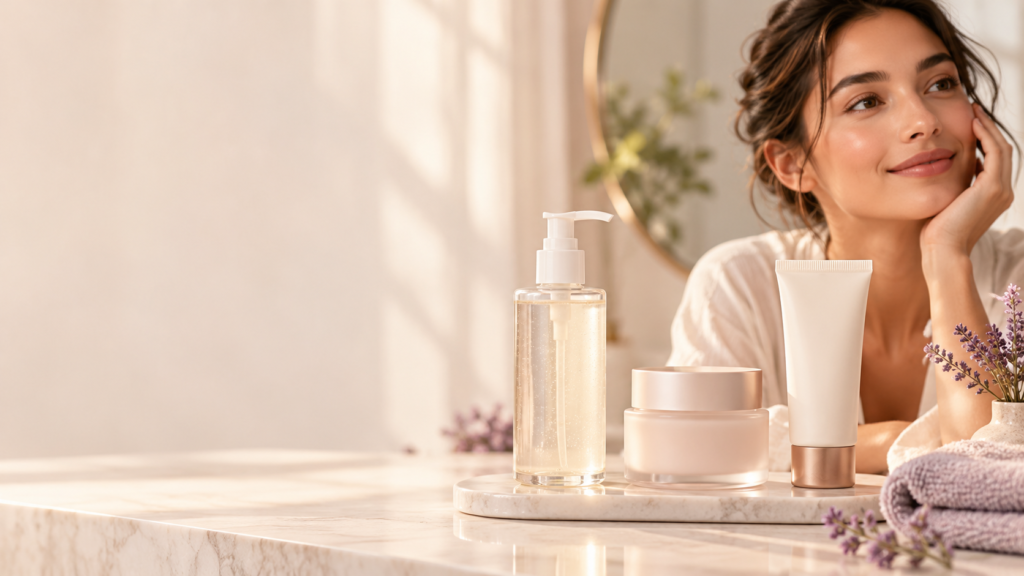
Skinimalism works best when every product has a purpose
Skinimalism means keeping skincare focused on what your skin needs. Fewer steps can make a routine easier to follow, but cutting products isn’t the goal if it leaves skin uncomfortable or unprotected. The American Academy of Dermatology (AAD) describes a simple approach based on cleansing, moisturizing, and protecting your skin.
Choose function over the number of products
Three steps refer to three core functions, not a rule that every person must own exactly three products. You might use one cleanser and one moisturizer, while sunscreen completes your morning routine. Ask what each product does and whether you notice a clear benefit from keeping it.
Reduce overlap and set realistic expectations
Several products may do similar jobs, and using multiple strong active ingredients can make it harder to tell what’s causing a reaction. Removing overlap may make a routine easier to manage, but it can’t prevent every irritation; people respond differently to products. A simple routine can support consistency, but it isn’t a guaranteed fix for acne, sensitivity, or dark spots.
Build a skinimalism routine around three core functions
Cleansing removes daily buildup; moisturizer helps ease dryness, and sunscreen protects exposed skin from ultraviolet rays. Together, these steps create a useful base for many routines. The right products and how often you use them depend on your skin and daily life.
Cleanse gently without stripping your skin
Choose a cleanser that feels comfortable and suits your skin. It can help remove makeup, sunscreen, oil, and dirt; avoid harsh scrubbing and very hot water. Washing in the evening is useful for removing the day’s buildup, while a morning cleanse may depend on your skin and preference.
Moisturize for comfort and support
Moisturizers can help reduce dryness and keep skin feeling comfortable. Pick a texture you’ll use: a light lotion may feel better on oily skin, while a richer cream may suit dry-feeling skin. Applying it to slightly damp skin can feel good and may help hold water in the skin.
Protect with daily sunscreen
Choose a broad-spectrum sunscreen with SPF 30 or higher, as the AAD recommends. Apply enough to cover exposed skin, including your face, neck, and ears; the AAD advises using at least one teaspoon for the face. Reapply as directed on the label, especially after swimming or sweating, and add shade and protective clothing when possible. See the AAD’s sunscreen application guidance for more detail.
Make your skinimalism routine work in morning and evening
The same core functions can fit into both parts of your day, but they don’t need identical steps. Sunscreen belongs in the daytime routine, while evening cleansing helps remove it and another residue. Let comfort and your habits guide any small changes.
Keep mornings short and protective
In the morning, cleanse your skin if it needs it, moisturize it if it feels dry, then apply sunscreen. A moisturizer with SPF may combine two steps for some people. Follow its label directions and apply enough product for the stated protection.
Use evening care to remove the day
At night, wash away sunscreen, makeup, and daily residue, then moisturize as needed. If you wear makeup or water-resistant sunscreen, choose a removal method that works without rough scrubbing. If your skin feels tight or dry afterward, consider changing the cleanser or how often you wash.
Personalize your skinimalism routine without overcrowding it
Skin needs can shift with weather, activity, and age, so your routine doesn’t have to stay fixed. Start with products that feel comfortable and meet a clear need. If you have a specific concern, add a targeted product only when you know why you’re using it.
Pick products for your skin and comfort
Read labels and consider texture, scent, and how your skin responds. If fragrance tends to bother your skin, a fragrance-free product may be a better choice; “natural” doesn’t automatically mean non-irritating. For a new product, the AAD suggests testing it on a small area twice daily for seven to 10 days before regular use. It at-home product testing steps explains what to watch for.
Add targeted care one product at a time
A treatment product may make sense for a specific concern, but keep cleansing, moisturizing, and sun protection as your base. Introduce one new product at a time and follow its label directions. That makes it easier to spot which product may be causing a problem.
Be cautious with active ingredients
Starting several active products at once can make a reaction harder to trace. Keep a short note of what you add and when you start using it. Stop using a product if it causes significant discomfort or a concerning reaction.
Troubleshoot your routine and know when to seek expert help
A routine may need a small change if skin feels dry, oily, tight, or uncomfortable. Make one adjustment at a time and give your skin a chance to respond. Persistent or worsening symptoms call for more than trial and error.
Watch for changes without expecting instant results
Visible results vary by person and product, so avoid judging a routine after only a few uses. Track how your skin feels as well as what you see. If a product causes significant irritation, stop using it rather than pushing through.
Return to basics and seek expert care when needed
If discomfort begins after adding a product, pause that product and return to familiar, well-tolerated basics while you assess what changed. Ongoing acne, painful inflammation, recurring reactions, or severe symptoms are good reasons to contact a dermatologist. A basic skincare routine can support daily care, but it doesn’t replace individualized medical advice.
Conclusion: Make consistency the measure of success
A useful skinimalism routine starts with gentle cleansing, moisturizing, and daily sun protection. Choose products for a clear purpose, adjust them to your skin, and introduce changes gradually. Keep the routine easy enough to follow and seek a dermatologist’s help when a concern persists or worsens.
Recommended Products
A simple routine starts with products that serve a clear purpose. Explore gentle cleansers, comfortable moisturizers, and broad-spectrum sunscreens that suit your skin type and everyday needs. You don’t need an overflowing skincare shelf to care for your skin.
Disclosure: As an Amazon Associate, I earn from qualifying purchases. We only recommend products that we believe offer value to our readers. Learn more.
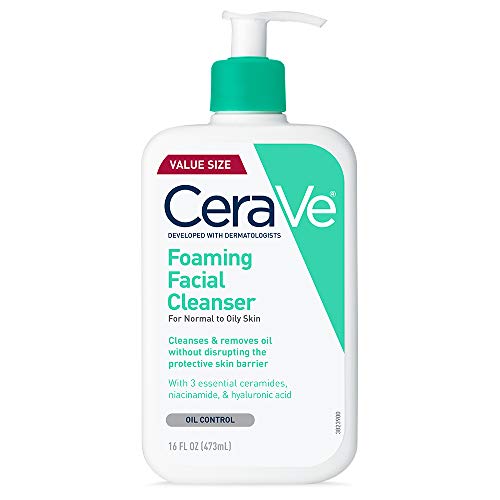
- [ FOAMING FACE WASH ] Dispenses as a clear gel cleanser and transforms into a foam as you lather. Cleanses without leavi…
- [NON- DRYING FACE CLEANSER] Fragrance-free, non-comedogenic, non-drying, and non-irritating. Gently refreshes and effect…
- [ MULTI-USE SKIN CARE ] Skin Cleanser for face and/or body and can be used as a hand wash. Suitable for daily cleansing …

- CETAPHIL DAILY FACIAL CLEANSER: Reinforces the skin barrier, balances skin and minimizes the appearance of pores
- IDEAL FOR SENSITIVE, COMBINATION TO OILY SKIN: Clinically proven to deep clean by removing dirt, excess oils, impurities…
- DEVELOPED FOR EVEN THE MOST SENSITIVE SKIN: The hypoallergenic, non-comedogenic formula is free of parabens and sulfates

- [CERAMIDE-BARRIER COMPLEX FOR DRY, SENSITIVE SKIN] Formulated with 1.5% Ceramide, 0.5% Cholesterol, and 1.5% Fatty Acids…
- [1 USE, 200+HOURS OF DEEP HYDRATION] Delivers long-lasting moisture in just one use. Korean Gliding Texture creates a sm…
- [SOOTHES DRY, ITCHY SKIN WITHOUT HEAVINESS] Apply to soothe and calm sensitive skin, relieve dry and itchy skin, and str…

- Lightweight, fast-absorbing sunscreen lotion: With broad spectrum SPF 45 primes skin for makeup and helps improves skin …
- Non-comedogenic sunscreen: Free of oil, oxybenzone, and PABA, in a non-greasy lotion with a smooth, matte finish and a s…
- Antioxidant vitamin E nourishes: While Helioplex technology provides stable broad spectrum protection against UVA/UVB ra…
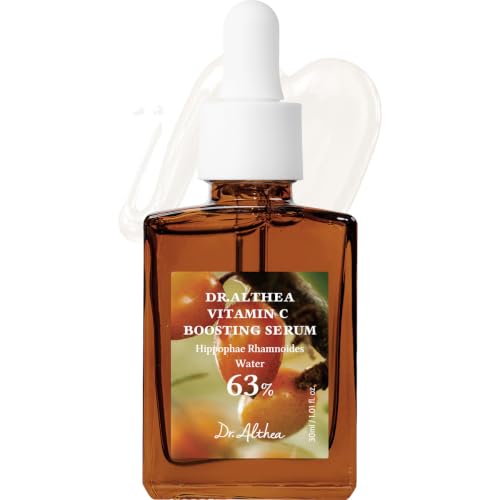
- INTENSIVE SKIN TONE CARE: Contains 640,000 ppm of Hippophae Rhamnoides Water, rich in Vitamin C to help even out skin to…
- SOOTHE YOUR SKIN: Centella Asiatica Leaf Water helps calm stressed skin caused by environmental factors. Natural ingredi…
- MINIMIZE PORES: Formulated with Niacinamide to help control sebum production and refine pores to smooth out uneven skin …
Glow Journey Tip: Your skin doesn’t need a complicated routine to receive thoughtful care. Focus on products that serve a purpose and make your daily routine easier to maintain.
Your glow isn’t measured by how many skincare products you own. It’s reflected in the care, patience, and consistency you bring to your daily routine. Keep things simple, listen to your skin, and let your journey unfold one gentle step at a time.
Frequently Asked Questions (FAQ)
References
- 1. American Academy of Dermatology Association. Skin Care on a Budget. Explains the benefits of a simple cleansing, moisturizing, and sun-protection routine.

American Academy of Dermatology
2. American Academy of Dermatology Association. Face Washing 101. Provides guidance on gentle facial cleansing, washing frequency, and avoiding irritation.
American Academy of Dermatology
3. American Academy of Dermatology Association. How to Pick the Right Moisturizer for Your Skin. Explains moisturizer textures and considerations for different skin types.
American Academy of Dermatology
4. American Academy of Dermatology Association. How to Apply Sunscreen. Covers sunscreen application, adequate amounts, and reapplication.
American Academy of Dermatology
5. American Academy of Dermatology Association. How to Test Skin Care Products. Explains how to test new skincare products before adding them to a routine.
American Academy of Dermatology
6. American Academy of Dermatology Association. Should I Apply My Skin Care Products in a Certain Order?. Provides guidance on layering skincare products and avoiding unnecessary irritation.
American Academy of Dermatology