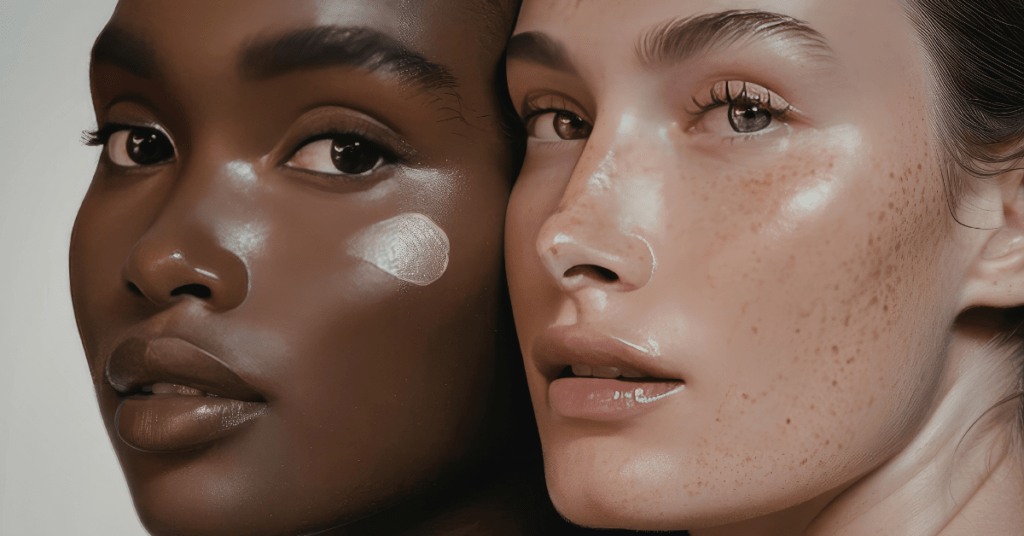
In today’s social media-driven world, looking flawless often feels like a requirement. From Instagram selfies to Facebook posts and video calls, many people feel pressure to maintain a “perfect” appearance every day. As a result, cosmetics have become a major part of daily life.
From foundation and lipstick to hair sprays and serums, beauty products promise confidence, glow, and instant transformation. But while cosmetics can enhance appearance temporarily, excessive use and exposure to harsh ingredients may negatively affect your skin, hair, and even overall health over time.
Understanding what goes into your beauty routine can help you make smarter and healthier choices for your skin.

Why Excessive Cosmetic Use Can Be Harmful
Your skin is your body’s largest organ, and it absorbs a portion of what you apply to it. Many cosmetic and personal care products contain synthetic chemicals, fragrances, preservatives, and dyes that may irritate sensitive skin or trigger long-term problems when used excessively.
While not every cosmetic product is dangerous, overusing products or using low-quality formulas can increase the risk of skin damage and irritation.
Common Effects of Excessive Cosmetics on the Skin
1. Skin Irritation and Allergic Reactions
One of the most common problems caused by cosmetics is skin irritation. Products containing alcohol, artificial fragrances, and harsh preservatives can disrupt the skin barrier.
This may lead to:
- Redness
- Itching
- Rashes
- Burning sensation
- Dry or flaky skin
For example, using a strong whitening cream or heavily fragranced foundation daily may trigger breakouts or irritation, especially for people with sensitive skin.
Some deodorants and antiperspirants may also clog pores and irritate underarm skin, causing darkening or inflammation.
2. Premature Aging and Dark Circles
The skin around the eyes is thinner and more delicate than the rest of the face. Heavy use of concealers, eyeliners, waterproof mascaras, and eye makeup removers can stress this sensitive area.
Over time, this may contribute to:
- Dark circles
- Puffy eyes
- Fine lines
- Dryness around the eyes
Many people end up applying even more makeup to hide these issues, creating a cycle that becomes difficult to break.
3. Hair and Scalp Damage
Hair products such as sprays, gels, dyes, shampoos, and chemical treatments may give instant styling results, but frequent use can damage both hair and scalp.
Effects include:
- Hair thinning
- Hair fall
- Dandruff
- Scalp irritation
- Weak and brittle hair
For instance, repeatedly coloring hair without proper care may leave it dry, rough, and more prone to breakage.
4. Acne and Clogged Pores
Sleeping with makeup on or layering too many cosmetic products can block pores and trap oil and bacteria beneath the skin.
This often results in:
- Acne breakouts
- Blackheads
- Whiteheads
- Oily skin imbalance
Heavy foundations and oil-based products are especially problematic when not removed properly.
Harmful Ingredients Often Found in Cosmetics
Many conventional beauty products contain ingredients that have raised health concerns in studies and consumer reports.
Some commonly discussed ingredients include:
Parabens
Used as preservatives to extend shelf life. Some studies suggest they may interfere with hormones.
Phthalates
Often found in fragrances and hair sprays. These chemicals have been linked to possible reproductive concerns in some studies.
Formaldehyde-Releasing Preservatives
Used to prevent bacterial growth in cosmetics but may trigger allergic reactions or irritation.
Artificial Colors and Fragrances
Synthetic dyes and perfumes may cause headaches, skin sensitivity, or allergic reactions in certain individuals.
Aluminum Compounds
Commonly found in antiperspirants to reduce sweating.
Not every ingredient affects everyone the same way, but people with sensitive skin should pay close attention to labels.
Organic Cosmetics vs. Regular Cosmetics
As consumers become more health-conscious, organic, and natural beauty products are becoming increasingly popular.
Natural cosmetics are typically made with:
- Plant-based oils
- Natural waxes
- Botanical extracts
- Mineral pigments
These products usually contain fewer harsh synthetic chemicals, making them gentler for many skin types.
However, it is important to remember:
- “Natural” does not always mean completely chemical-free
- Some brands use lesser amounts of natural ingredients for marketing purposes only
Always read ingredient labels carefully instead of relying solely on packaging claims.
How to Protect Your Skin from Cosmetic Damage
You do not need to completely stop using makeup to maintain healthy skin. The key is balance and proper skincare habits.
Here are some practical ways to protect your skin:
Choose Products Based on Your Skin Type
A product that works for oily skin may not suit dry or sensitive skin.
Remove Makeup Before Sleeping
Leaving makeup overnight clogs pores and speeds up skin aging.
Avoid Overloading Your Skin
Using too many products at once may weaken your skin barrier.
Patch-Test New Products
Try new cosmetics in a small area first to check for reactions.
Use Gentle Cleansers and Moisturizers
A simple skincare routine is often healthier than an overly complicated one.
Check Ingredient Labels
Avoid products with ingredients that commonly trigger irritation for your skin.
The Rise of Clean Beauty and Organic Skincare
Consumers worldwide are becoming more aware of what goes into their skincare and makeup products. This has led to growing demand for:
- Organic skincare
- Clean beauty products
- Cruelty-free cosmetics
- Fragrance-free skincare
- Sustainable beauty brands
Many people are now choosing products that focus on skin health instead of simply covering imperfections.
Cosmetics can boost confidence, enhance beauty, and allow self-expression. But excessive use and lack of ingredient awareness may lead to long-term skin and health concerns.
Healthy skin is not about wearing more makeup—it is about understanding what your skin truly needs.
By choosing safer products, simplifying your routine, and caring for your skin consistently, you can enjoy beauty without sacrificing your skin’s health.
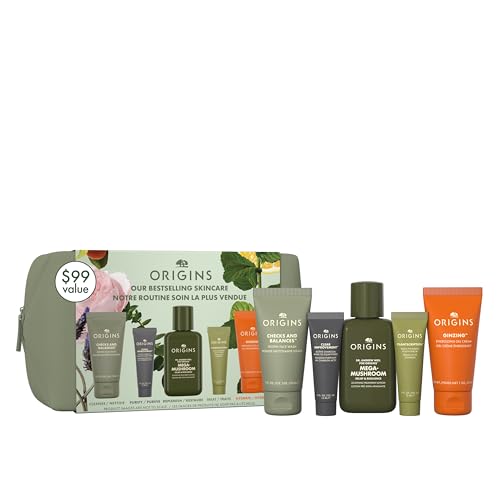
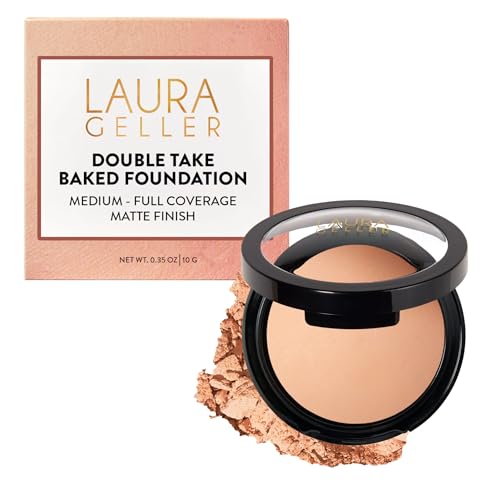
Recommended Products for Organic Skin Care
Disclosure: As an Amazon Associate, I earn from qualifying purchases. We only recommend products that we believe offer value to our readers. Learn more.


Frequently Asked Questions (FAQ)
References
- U.S. Food and Drug Administration (FDA).Cosmetic Products & Ingredients. Provides consumer information about cosmetic ingredients, allergens, fragrances, parabens, phthalates, hair products, makeup, and other cosmetic safety topics.
- U.S. Food and Drug Administration (FDA).Parabens in Cosmetics. Explains why parabens are used as preservatives and summarizes the FDA’s current assessment of their safety in cosmetic products.
- U.S. Food and Drug Administration (FDA).Phthalates in Cosmetics. Reviews the use of phthalates in fragrances, nail products, hair products, and other cosmetics, along with current information about potential health concerns.
- U.S. Food and Drug Administration (FDA).Hair Smoothing Products That Release Formaldehyde When Heated. Discusses formaldehyde exposure from certain hair-smoothing treatments and potential effects such as eye, skin, and respiratory irritation.
- U.S. Food and Drug Administration (FDA).Hair Products. Offers safety information about hair dyes, straighteners, smoothing treatments, and other hair-care products.
- American Academy of Dermatology Association (AAD).Itchy Rash Could Be Contact Dermatitis. Explains how cosmetics, makeup removers, fragrances, and other personal-care products can trigger irritant or allergic contact dermatitis.
- U.S. Food and Drug Administration (FDA).Product Testing of Cosmetics. Explains cosmetic safety testing and emphasizes that products described as “natural” or “organic” are not automatically safer than products containing synthetic ingredients.
- U.S. Food and Drug Administration (FDA).Animal Testing & Cosmetics. Explains current U.S. requirements regarding cosmetic safety testing and clarifies that federal law does not specifically require animal testing for cosmetics.