Modern life can feel exhausted. Between work deadlines, family responsibilities, financial pressure, and constant notifications, stress has quietly become part of everyday living.
You may notice it in unusual ways:
- Trouble sleeping at night
- Feeling irritated over unimportant things
- Constant fatigue even after resting
- Muscle tension or headaches
- Difficulty focusing
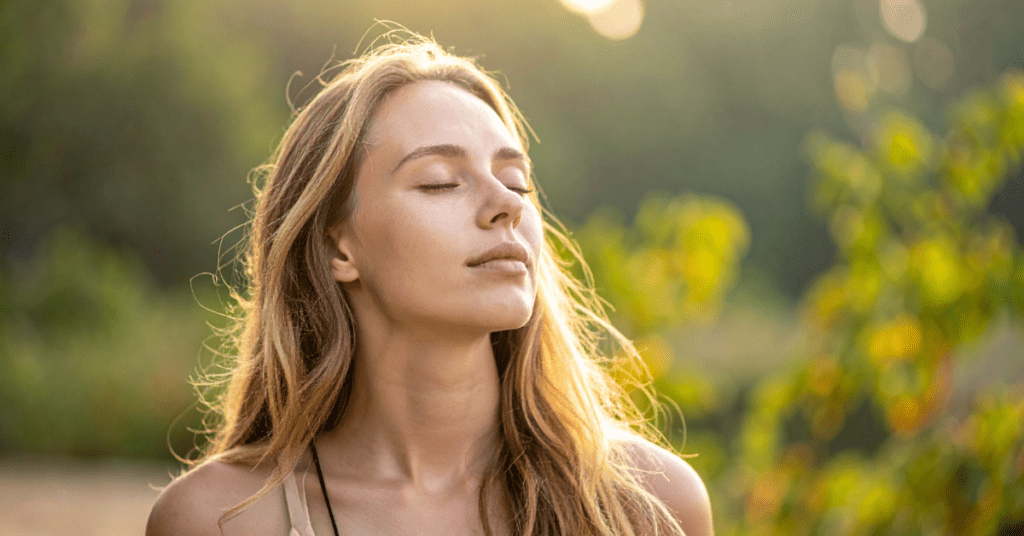
Many people try to relax by scrolling through social media or binge-watching television. While these activities may feel comforted temporarily, they often continue to stimulate the brain instead of truly calming it.
Real relaxation is about giving your mind and body a chance to recover.
And that recovery matters more than most people realize.
The Hidden Effects of Stress on Your Body
Stress is not just emotional—it affects your entire body.
Studies have linked chronic stress to:
- High blood pressure
- Heart disease
- Anxiety and depression
- Weakened immune system
- Digestive problems
- Poor sleep quality
When stress becomes constant, your body releases hormones like cortisol and adrenaline for extended periods of time. Over time, this can leave you physically and emotionally drained.
That is why relaxation is not a luxury. It is part of maintaining good health.
Best Relaxation Techniques to Reduce Stress Naturally
The good news is that relaxation does not need to be expensive or complicated. Small daily habits can make an enormous difference.
Here are some effective stress management techniques you can start using today.
1. Practice Deep Breathing
Breathing is one of the easiest and fastest ways to calm your nervous system.
When you are stressed, your breathing becomes shallow and quick. Slow, deep breathing signals your body to relax.
Try this simple breathing exercise:
- Inhale slowly through your nose for 4 seconds
- Hold your breath for 4 seconds
- Exhale slowly through your mouth for 6 seconds
- Repeat for 5 minutes
You can do this before work meetings, during stressful moments, or before bedtime.
2. Try Meditation for Mental Clarity
Meditation helps quiet the constant noise in your mind.
One popular method is transcendental meditation, where you repeat a calming word or sound while sitting quietly. Research suggests meditation may help reduce stress, lower blood pressure, and improve emotional balance.
Practical example:
Spend 10 minutes every morning sitting in silence with calming music or focused breathing. Over time, you may notice better focus and reduced anxiety.
3. Use Yoga to Relax the Body and Mind
Yoga combines stretching, breathing, and mindfulness into one powerful relaxation practice.
It not only improves flexibility but also helps the body recover from stress more efficiently.
People who regularly practice yoga often report:
- Better sleep
- Reduced anxiety
- Improved mood
- Lower stress levels
Even beginner-friendly routines on YouTube can help you get started at home.
4. Exercise to Release Built-Up Tension
Stress creates physical tension in the body. Exercise helps release it.
You do not need an intense workout routine to benefit. A simple 30-minute walk can improve mood and reduce stress hormones.
Easy activities that help:
- Walking outdoors
- Dancing
- Cycling
- Swimming
- Light jogging
Exercise also increases endorphins, the body’s natural “feel-good” chemicals.
5. Experience the Benefits of Massage Therapy
Massage therapy helps relax tight muscles, improve circulation, and calm the nervous system.
After a stressful week, even a short massage session can help your body feel lighter and more refreshed.
Practical tip:
If professional massage is not available, try:
- Using a massage gun
- Foam rolling
- Gentle neck and shoulder self-massage at home
6. Listen to Calming Music or Nature Sounds
Soft music and natural sounds can reduce mental tension and create a peaceful atmosphere.
Many people use:
- Rain sounds
- Ocean waves
- Forest ambience
- Classical piano music
This is especially helpful before sleeping or working.
7. Consider Acupuncture or Biofeedback
Some people benefit from alternative relaxation methods like acupuncture or biofeedback therapy.
Acupuncture may help stimulate the release of endorphins, which reduces pain and promotes calmness.
Biofeedback teaches you how to control physical responses like heart rate and muscle tension, helping you manage stress more effectively over time.
8. Be Available for Real Rest
One of the most overlooked forms of relaxation is simply slowing down.
Your body and mind need time to recover.
That could mean:
- Taking breaks during work
- Spending time in nature
- Reading a book
- Journaling your thoughts
- Disconnecting from social media for a while
Rest is productive too.
How Relaxation Improves Overall Wellness
Building relaxation into your daily routine can lead to long-term health benefits.
Regular relaxation may help:
- Lower blood pressure
- Reduce the risk of heart disease
- Improve immune system function
- Enhance emotional balance
- Increase energy levels
- Improve sleep quality
When your body relaxes, your brain also becomes calmer and clearer. This allows you to think better, respond more positively, and feel more emotionally stable.
Small Daily Habits Make the Biggest Difference
You do not need a perfect routine to reduce stress.
Start small.
It’s:
- 5 minutes of deep breathing
- A short evening walk
- Listening to calming music before bed
- Stretching after work
Consistency matters more than perfection.
The best relaxation technique is the one you can practice realistically every day.
Stress is a natural part of life, but staying overwhelmed all the time should not be.
Learning how to relax is one of the most important investments you can make for your mental, emotional, and physical health.
Whether it is meditation, yoga, exercise, breathing exercises, or simply taking quiet moments for yourself, relaxation helps restore balance in a busy world.
Take a deep breath today. Your mind and body deserve it.
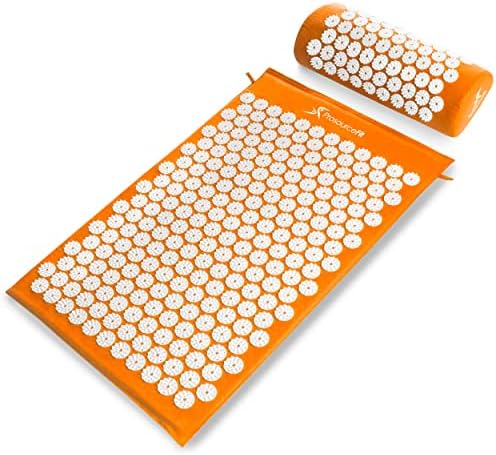
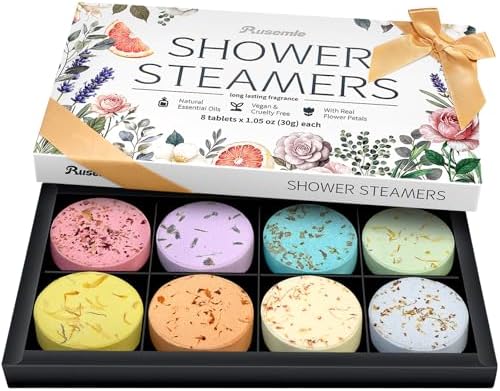
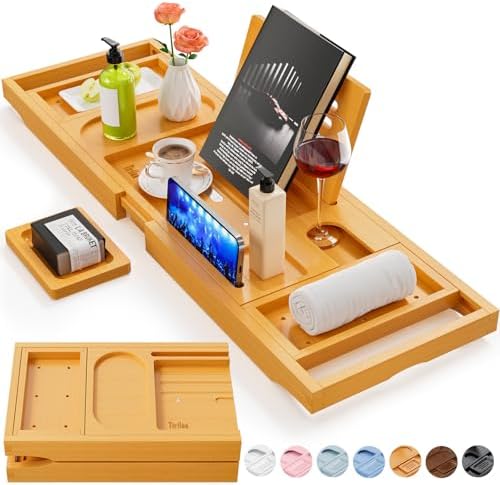
Recommended Products for Relaxation
Disclosure: As an Amazon Associate, I earn from qualifying purchases. We only recommend products that we believe offer value to our readers. Learn more.


Frequently Asked Questions (FAQ)
References
- American Heart Association.Stress Management Information about stress and practical strategies for managing it as part of a healthy lifestyle.
- American Heart Association.Managing Stress to Control High Blood Pressure Guidance on managing stress as part of maintaining healthy blood pressure and cardiovascular health.
- American Heart Association.Meditation to Boost Health and Well-Being An overview of meditation and its potential role in stress management and overall well-being.
- National Center for Complementary and Integrative Health (NCCIH).Meditation and Mindfulness: Effectiveness and Safety Evidence-based information about meditation, mindfulness, potential health benefits, and safety.
- National Center for Complementary and Integrative Health (NCCIH).Yoga: Effectiveness and Safety Reviews scientific evidence concerning yoga and its potential benefits for stress, emotional well-being, sleep, and general health
- .National Center for Complementary and Integrative Health (NCCIH).Mind and Body Approaches for Stress and Anxiety Reviews research on meditation, relaxation techniques, yoga, acupuncture, and other complementary approaches to managing stress and anxiety.
- Centers for Disease Control and Prevention (CDC).Benefits of Physical Activity Explains the physical and mental health benefits associated with regular physical activity.
- Mayo Clinic.Relaxation Techniques: Try These Steps to Lower Stress A practical overview of relaxation methods such as deep breathing, meditation, yoga, massage, music, and biofeedback.
- Bentley, T. G. K., et al.Breathing Practices for Stress and Anxiety Reduction: Conceptual Framework of Implementation Guidelines Based on a Systematic Review of the Published Literature A scientific review examining breathing practices and their potential role in reducing stress and anxiety.
- Manzoni, G. M., et al.Relaxation Training for Anxiety: A Ten-Years Systematic Review with Meta-Analysis A systematic review and meta-analysis evaluating relaxation training for reducing anxiety.