
Most people own a facial serum, but not everyone uses it correctly. Serums are packed with concentrated active ingredients designed to target specific skin concerns such as dark spots, acne, dehydration, and fine lines. However, applying a serum in the wrong order, using too much product, or pairing it with incompatible ingredients can reduce its effectiveness.
Learning the right way to use serums in your daily skin care routine helps your skin absorb beneficial ingredients more efficiently, leading to healthier, smoother, and more radiant-looking skin.
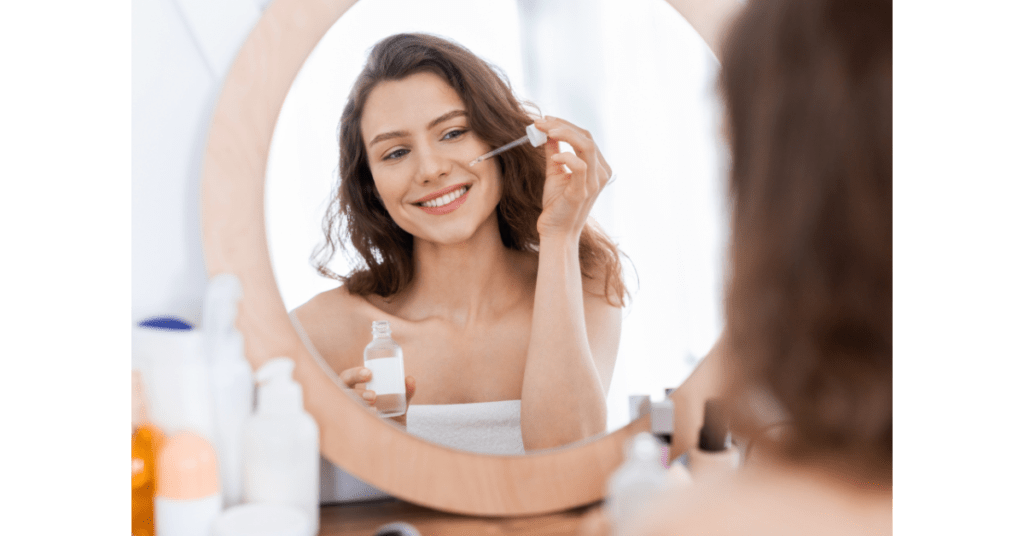
Why Serums Are an Essential Part of Skin Care
Unlike traditional moisturizers, serums are lightweight treatments formulated with a high concentration of active ingredients. Their smaller molecular size allows them to penetrate the outer layers of the skin more effectively, delivering ingredients where they can have the greatest impact.
Because of this, serums should always be applied before heavier products like moisturizers. Think of your skin like a sponge—if you cover it with a thick cream first, the serum has a much harder time reaching the skin.
The timing of your serum also matters. Certain ingredients perform best during the day, while others are more effective at night. Understanding when and how to use each serum can maximize its benefits while minimizing the risk of irritation.
Step-by-Step Guide to Using Serums Correctly
Following the proper order of application allows your skin to absorb active ingredients more effectively.
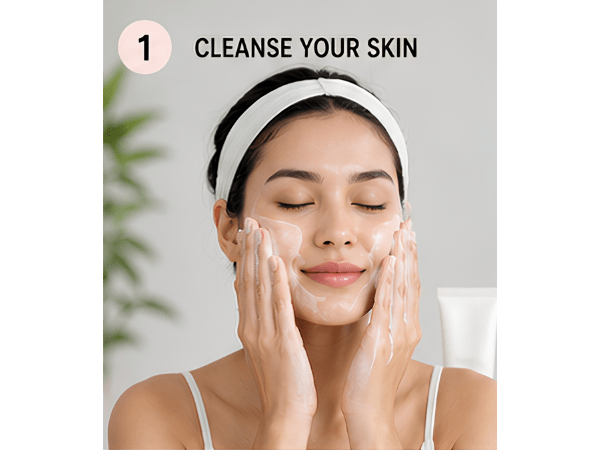
Step 1: Cleanse Your Face
Begin with a gentle facial cleanser to remove dirt, excess oil, sunscreen, and makeup.
Clean skin provides the ideal surface for serum absorption.
Tip: Pat your skin dry with a clean towel, leaving it slightly damp.
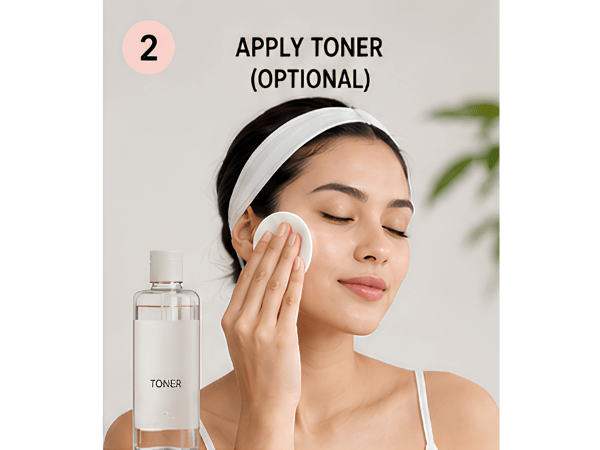
Step 2: Apply Toner (Optional)
If the toner is part of your routine, apply it immediately after cleansing.
Hydrating toners help prepare the skin to absorb the next products more effectively.
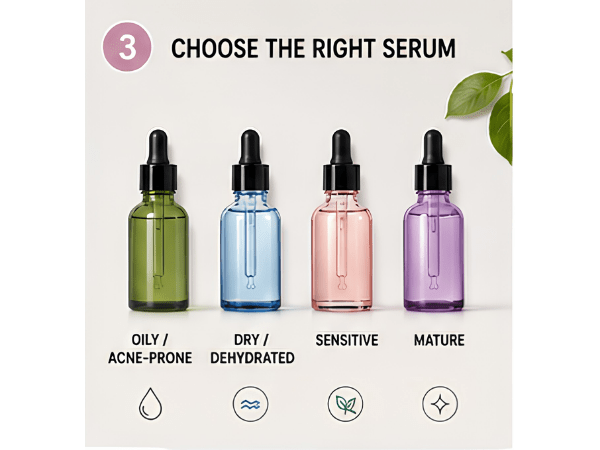
Step 3: Choose the Right Serum
Select a serum based on your skin’s needs.
| Skin Type | Recommended Serum Ingredients | Benefits |
| Oily or Acne-Prone Skin | Niacinamide, Salicylic Acid | Helps regulate excess oil production, unclog pores, reduce breakouts, and improve the appearance of enlarged pores. |
| Dry or Dehydrated Skin | Hyaluronic Acid, Glycerin, Ceramides | Attracts and retains moisture, strengthens the skin barrier, and helps keep skin soft and hydrated. |
| Sensitive Skin | Centella asiatica (Cica), Oat Extract | Calms redness, soothes irritation, and supports the skin’s natural protective barrier. |
| Mature Skin | Peptides, Growth Factors | Helps improve skin firmness and elasticity, supports collagen production, and reduces the appearance of fine lines and wrinkles. |
Tip: If you have combination skin or multiple skin concerns, you can use different serums in your morning and evening routines. Introduce one new serum at a time and perform a patch test before applying it to your entire face.
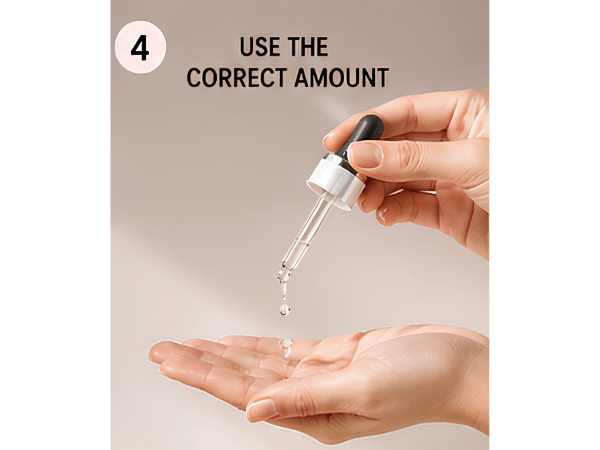
Step 4: Apply the Correct Amount
Most facial serums only require 2–3 drops or a pea-sized amount for your face and neck.
Using more serum won’t speed up results and may leave your skin feeling sticky or cause pilling.
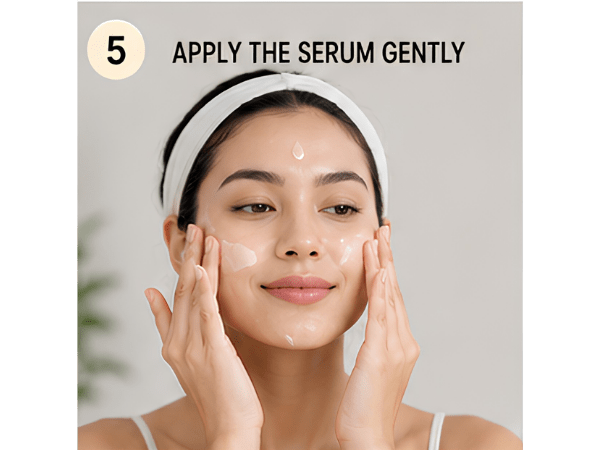
Step 5: Pat the Serum Into Your Skin
Dispense small drops onto your forehead, cheeks, nose, and chin.
Using clean fingertips, gently press and pat the serum into your skin instead of rubbing.
Patting minimizes unnecessary friction and encourages even application.
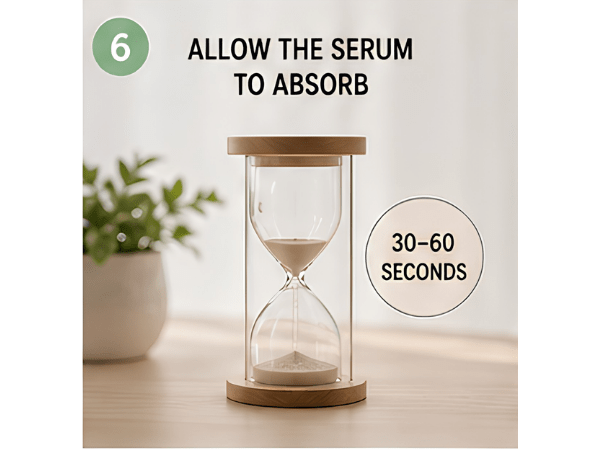
Step 6: Let the Serum Absorb
Wait 30 to 60 seconds before applying moisturizer.
Allowing each layer to absorb helps every product perform as intended.
Morning Serum Routine: Protect and Prevent
Your daytime skin care routine should focus on protecting your skin from environmental damage caused by UV rays, pollution, and free radicals.
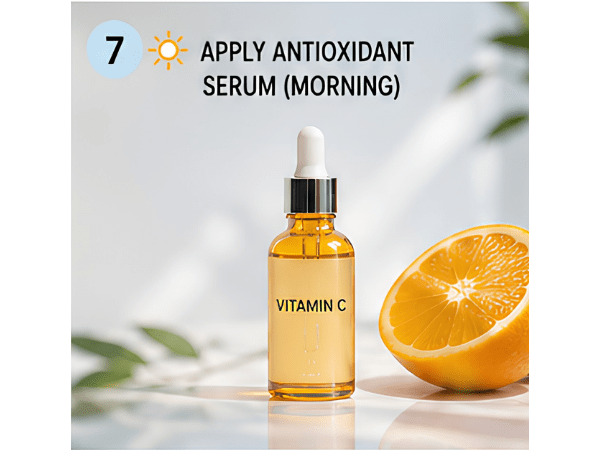
Step 7: Apply a Vitamin C Serum
Vitamin C is one of the most effective antioxidants for daytime use.
Benefits include:
- Brightening dull skin
- Reducing the appearance of dark spots
- Supporting collagen production
- Helping defend against environmental stressors
Look for products containing L-ascorbic acid or stable vitamin C derivatives.
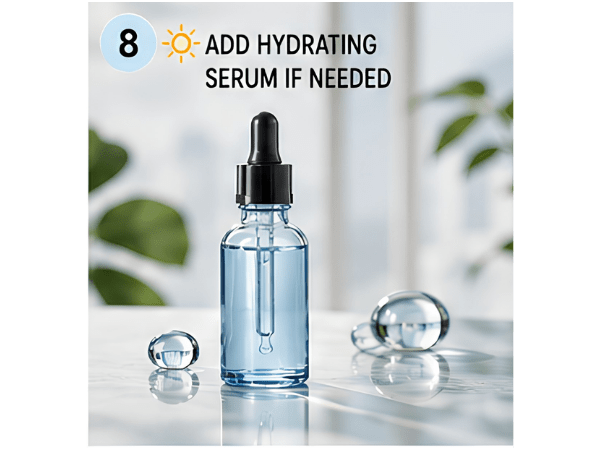
Step 8: Add a Hydrating Serum (If Needed)
If your skin feels dry or tight, apply a hydrating serum containing hyaluronic acid.
This ingredient attracts moisture and helps keep your skin hydrated throughout the day.
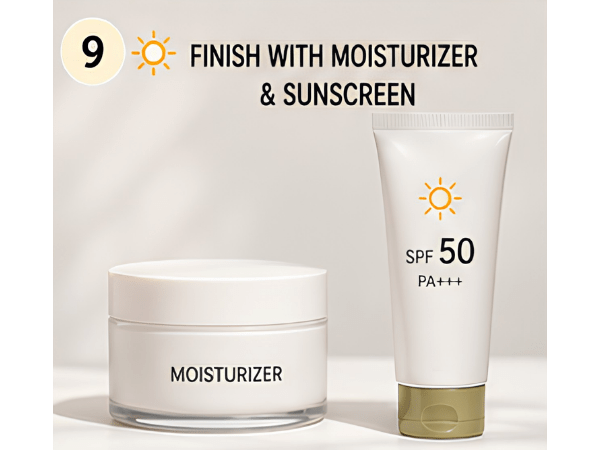
Step 9: Finish with Moisturizer and Sunscreen
Seal everything in with a moisturizer.
Finish your morning routine with a broad-spectrum sunscreen (SPF 30 or higher) to protect your skin and preserve the benefits of your serum.
Evening Serum Routine: Repair and Renew
While you sleep, your skin naturally repairs itself, making nighttime the best opportunity for treatment of serums.
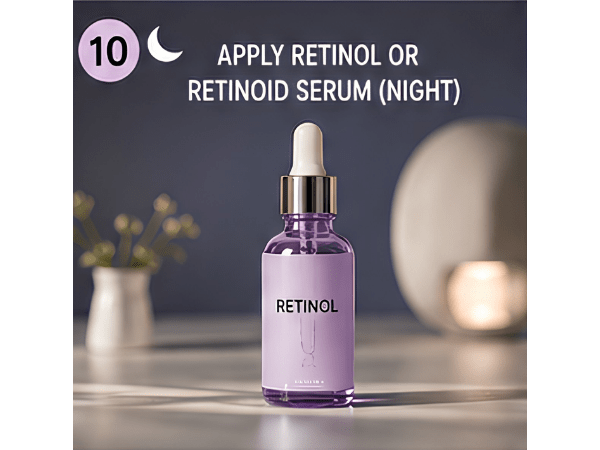
Step 10: Use a Retinol or Retinoid Serum
Retinoids help:
- Encourage skin cell turnover
- Reduce acne
- Improve skin texture
- Soften the appearance of fine lines
- Fade post-acne marks
If you’re new to retinoids, begin by using them two nights each week, then gradually increase frequency as your skin adapts.
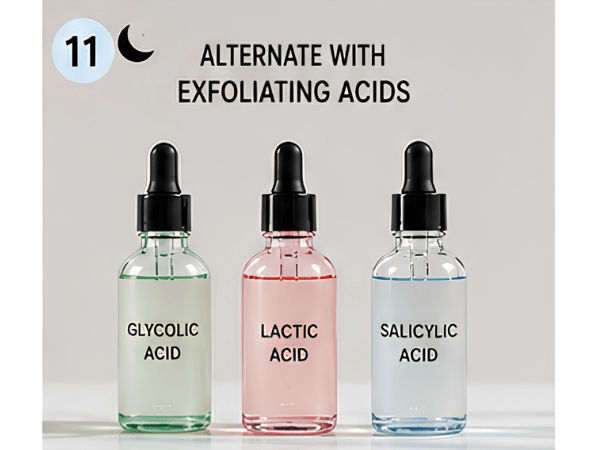
Step 11: Alternate with Exfoliating Acids
On nights when you’re not using retinol, consider an exfoliating serum containing:
- Glycolic acid
- Lactic acid
- Salicylic acid
These ingredients remove dead skin cells, brighten dull skin, and improve overall texture.
Avoid using strong exfoliating acids and retinoids during the same routine unless directed by a dermatologist.

Step 12: Always Patch Test New Serums
Before applying a new serum to your face, test it on a small area behind your ear or inside your arm.
Wait 24 hours to check for redness, itching, or irritation.
Patch testing helps prevent unwanted reactions.
Common Serum Mistakes to Avoid
Even high-quality products won’t perform well if used incorrectly.
Avoid these common mistakes:
- Applying serum after moisturizer
- Using excessive amounts of product
- Layering incompatible active ingredients
- Skipping sunscreen after using morning antioxidants
- Introducing several new serums at the same time
- Forgetting to patch test new products
- Expecting overnight results instead of staying consistent
Consistency is more important than having a complicated routine.
Build a Routine That Works
Healthy skin doesn’t require dozens of products—it requires using the right products in the right order.
Start with one antioxidant serum in the morning, such as vitamin C, and one treatment serum in the evening, such as a retinoid or exfoliating acid. Introduce new products gradually so your skin has time to adjust and remember to finish your morning routine with sunscreen every day.
By following these simple steps consistently, you’ll get the most out of your serums while supporting smoother, healthier, and more radiant skin over time.
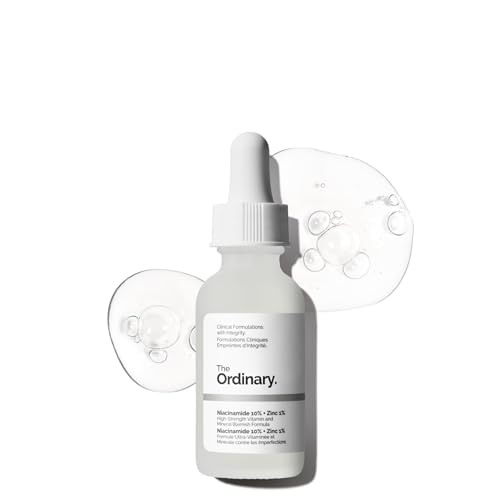
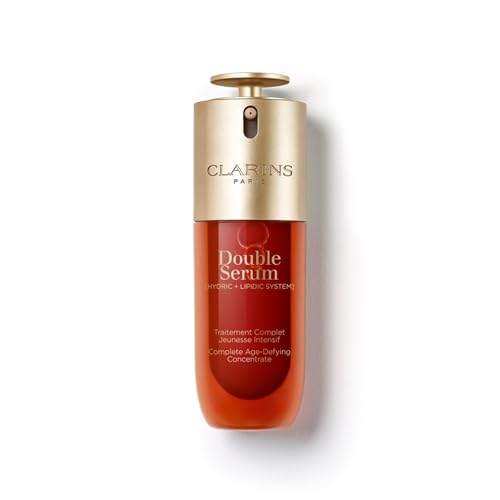
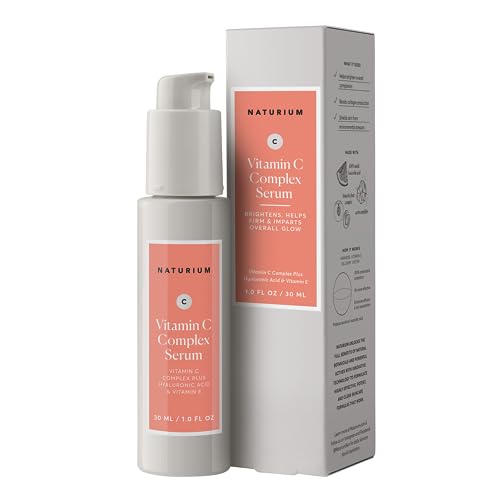
Recommended Products
Disclosure: As an Amazon Associate, I earn from qualifying purchases. We only recommend products that we believe offer value to our readers. Learn more.


Frequently Asked Questions (FAQ)
References
- American Academy of Dermatology. (n.d.). Skin care basics.https://www.aad.org/public/everyday-care/skin-care-basics
- American Academy of Dermatology. (n.d.). How to apply skin care products in the correct order.https://www.aad.org/public/everyday-care/skin-care-secrets/routine/apply-skin-care-correctly
- Cleveland Clinic. (2024).How to Build a Skin Care Routine.https://health.clevelandclinic.org/
- Mayo Clinic. (n.d.). Skin care tips: Dermatologists’ recommendations.https://www.mayoclinic.org/
- National Center for Biotechnology Information. Draelos, Z. D. (2018). The science behind skin care: Moisturizers and topical formulations.https://www.ncbi.nlm.nih.gov/
- National Center for Biotechnology Information. Bissett, D. L., Chatterjee, R., & Hannon, D. P. (2005). Photoprotective effect of topical vitamin C and antioxidants.https://www.ncbi.nlm.nih.gov/
- National Center for Biotechnology Information. Papakonstantinou, E., Roth, M., & Karakiulakis, G. (2012). Hyaluronic acid: A key molecule in skin aging.Dermato-Endocrinology, 4(3), 253–258. https://www.ncbi.nlm.nih.gov/pmc/articles/PMC3583886/
- National Center for Biotechnology Information. Draelos, Z. D. (2006). The effect of niacinamide on improving the appearance of aging facial skin.Dermatologic Surgery.https://pubmed.ncbi.nlm.nih.gov/
- National Center for Biotechnology Information. Mukherjee, S., Date, A., Patravale, V., et al. (2006). Retinoids in the treatment of skin aging: An overview of clinical efficacy and safety.Clinical Interventions in Aging.https://www.ncbi.nlm.nih.gov/pmc/articles/PMC2699641/
- National Center for Biotechnology Information. Proksch, E., Brandner, J. M., & Jensen, J. M. (2008). The skin: An indispensable barrier.Experimental Dermatology, 17(12), 1063–1072. https://www.ncbi.nlm.nih.gov/

tbjsfUdaSYIDwSHIWbt