A salon treatment can bring back shine, softness, moisture, and control. Book one too often, though, and you may spend money on results your hair does not need. Wait too long, and dryness, buildup, or breakage may become harder to manage. The best answer to how frequently to have a salon treatment for glowing hair depends on your texture, hair condition, chemical history, styling habits, and the service itself.
How Often to Have a Salon Treatment for Glowing Hair
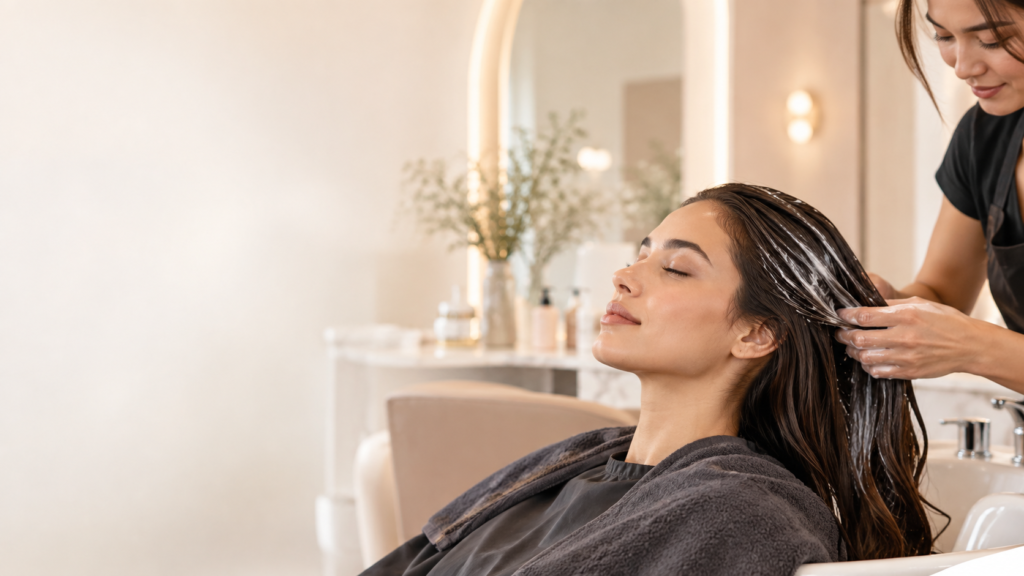
There is no fixed schedule that suits everyone. Healthy, untreated hair may need occasional professional conditioning, while bleached or relaxed hair may need closer checks. A smoothing service also follows a different cycle than a moisture treatment.
Assess Your Texture and Hair Condition
Fine hair can become weighed down by rich products, while thick, curly, coily, or porous hair may lose moisture faster. Hair that feels rough, dull, tangled, frizzy, or weak may benefit from professional care. Split ends and severe breakage need a trim and damage review, since treatment cannot permanently repair a split strand.
A stylist can check whether your hair needs moisture, strength, smoothing, buildup removal, or no treatment at all. Pay attention to how your hair feels after washing and air-drying, not only after a salon blowout.
Consider Color, Bleach, and Chemical Services
Coloring, bleaching, relaxing, perming, and chemical straightening can make hair more fragile. The American Academy of Dermatology Association recommends adding more time between touch-ups and notes that winter touch-ups may need to be spaced eight to 10 weeks or longer. Its guidance also warns against stacking chemical services too closely together. Read the AAD’s advice on preventing hair damage before planning several services.
Conditioning or bond-support treatments can fit around a color appointment, but frequent add-ons do not replace careful chemical planning. Ask your stylist how strong your hair is before a major change.
Account for Heat, Sun, Chlorine, and Hard Water
Frequent blow-drying, flat ironing, and curling can strip away softness over time. Swimming, sun, saltwater, humidity, dry air, and mineral-heavy water may also make hair feel dull or rough. The AAD recommends lower heat, less frequent hot-tool use, gentle detangling, and a swim cap or prompt rinse after swimming.
Track when your hair starts feeling brittle, coated, frizzy, or difficult to style. That pattern can help you find a personal treatment interval instead of booking habits.
Choose a Salon Treatment Based on Your Goal
The phrase “salon treatment” covers several services. A deep conditioner adds temporary softness, a strengthening service supports damaged hair, and a smoothing treatment may change how hair behaves for weeks or months.
Book Deep Conditioning for Dryness and Softness
Professional moisture treatments suit hair that feels dry, coarse, frizzy, or hard to detangle. They can improve slip, shine, and manageability, but they cannot seal split ends or reverse all structural damage.
Ask whether the formula focuses on moisture, protein, or both. Repeating the wrong type may leave hair limp, stiff, or harder to style.
Use Strengthening Treatments for Processed Hair
Bond-support and strengthening services may help hair affected by bleach, color, relaxation, or repeated heat. They should match the hair condition and fit into a wider plan that limits chemical overlap.
Ask whether the treatment is a color-service add-on, a stand-alone appointment, or part of home care. Your stylist should also explain how often it is to repeat it.
Schedule Smoothing Treatments with Care
Keratin-style and other smoothing services can reduce frizz, shorten styling time, and increase surface shine. Their effects often last longer than a conditioning treatment, and washing, swimming, heat styling, and aftercare can affect how long they last.
Ask about ingredients, ventilation, processing time, maintenance products, and compatibility with colored or textured hair. The FDA warns that some heated hair-smoothing products can release formaldehyde, so check the ingredient information and ask the salon about safe use.
Build a Salon Treatment Schedule Around Your Hair
Use frequency ranges as planning ideas, not strict rules. Your stylist’s assessment and the product maker’s instructions should guide the final schedule.
Maintain Healthy, Unprocessed Hair Occasionally
Hair with little chemical or heat damage may need a salon treatment only when it feels dry, loses shine, or becomes hard to manage. For some people, that means occasional care at a haircut or styling visit rather than a separate recurring appointment.
If your hair still feels soft and flexible after washing, you may not need another treatment yet. A good home routine can maintain healthy hair between visits.
Increase Support for Dry, Curly, Coily, or Porous Hair
Curly, coily, and porous hair may lose moisture quickly, especially in dry weather or frequent washing. A consistent routine with gentle cleansing, regular conditioning, careful detangling, and less heat can reduce the need for repeated salon rescue treatments.
Dry-feeling hair does not always need more protein. Stiffness may point to excess strengthening, while limp or coated hair may need lighter products or buildup removal.
Monitor Bleached or Chemically Processed Hair
Bleached or chemically altered hair often needs closer monitoring after a major color change. A salon treatment may support softness or strength, but spacing chemical services and reducing heat remain key parts of damage prevention.
Schedule a consultation before a major transformation. The stylist can assess elasticity, breakage, and previous chemical work, then set realistic treatment timing.
Know When Hair Needs Care or a Different Service
A salon treatment can improve the look and feel of hair, but it cannot solve every hair or scalp problem. Watch for changes that need a trim, product reset, stylist review, or medical assessment.
Signs It Is Time to Book
Persistent dullness, roughness, tangling, frizz, weak elasticity, split ends, and reduced styling control can signal that hair needs attention. Hair that snaps more often or feels uneven and weak may need an evaluation instead of repeated conditioning.
Compare your hair on wash day, after air-drying, and during styling. This gives a clearer view than judging it right after a smooth salon finishes.
Signs You May Be Over-Treating
Too many products or repeated protein services can leave hair stiff, coated, greasy, brittle, or difficult to manage. Incompatible chemical and smoothing services may also increase snapping.
Pause before booking again if your hair feels less flexible after treatment. A stylist can help decide whether you need moisture, strength, buildup removal, or time without another service.
Know When to Seek Health Care
Persistent itching, inflammation, sores, sudden shedding, or significant hair loss should not be managed with cosmetic treatments alone. See a qualified health professional for ongoing or unexplained scalp and hair changes. The AAD also advises seeing a dermatologist when changes in hair care do not improve thinning or hair loss.
Extend Salon Results Between Appointments
Daily habits can help your hair stay shiny and reduce the need for frequent salon repairs.
Match Home Care to the Salon Service
Use color-safe or stylist-recommended products when needed. Regular conditioner, suitable leave-in product, and occasional clarifying can help, but clarifying may fade color or dry out some hair.
Ask your stylist for the simplest home routine that supports the treatment. Avoid layering several heavy products when one conditioner or leave-in product will do.
Reduce Heat and Mechanical Damage
Use heat protectant, lower tool settings, and dry hair thoroughly before using a flat iron or curling tool. Detangle gently, avoid tight hairstyles, and switch between heat-styled looks and low-manipulation styles when possible.
The AAD recommends letting hair partly air-dry, using the lowest heat setting, and limiting hot-tool use. These changes can help smoothness last longer.
Protect Hair from Water and Friction
Wear a swim cap, rinse hair before and after swimming, and use a protective leave-in product if your stylist recommends one. A hat or hair product with sun protection may help during long periods outdoors.
Dry hair with gentle blotting instead of rough towel rubbing. A satin or silk pillowcase can also reduce friction, tangles, and frizz overnight.
Create a Personalized Salon Treatment Calendar
A useful calendar follows your hair response, not a fixed number of weeks.
Start With the Service’s Expected Longevity
Temporary conditioning, bond support, cuticle smoothing, and structural chemical services all have different maintenance needs. Frequent washing, heat styling, swimming, and harsh weather may shorten the visible results.
Follow the salon’s aftercare directions and the product maker’s schedule. Do not repeat a treatment early only because the shine has faded.
Reassess Before Each Appointment
Before booking, check shine, softness, elasticity, frizz, breakage, scalp comfort, and styling behavior. Your hair may need a different service than it did at the last visit.
Bring photos of your hair from the past few weeks or describe changes since the previous appointment. This helps your stylist adjust the plan.
Ask Targeted Consultation Questions
Ask, “Does my hair need moisture, strength, smoothing, or buildup removal?” Also ask how often to repeat the service, whether it suits your color or chemical history, and which signs show that you are booking too often. Finish by asking which home-care steps will make the results last.
Frequently Asked Questions
Recommended Products
Keep that fresh-from-the-salon softness and shine going between appointments. These hair-care picks can help support hydration, manageability, and damaged or processed hair at home—choose according to your hair type, condition, and stylist’s recommendations.
Disclosure: As an Amazon Associate, I earn from qualifying purchases. We only recommend products that we believe offer value to our readers. Learn more.
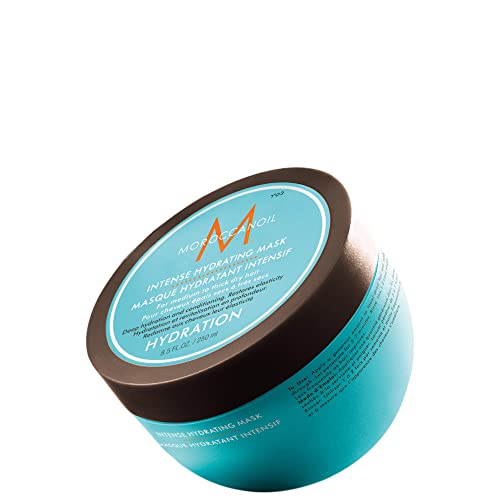
- A five-minute, deep-conditioning mask that revives medium to thick dry hair; Infused with antioxidant-rich argan oil and…
- This item is not a tester; Apply a generous amount of Moroccanoil Intense Hydrating Mask to towel-dried hair and comb th…
- Packaging may slightly vary; TIP: For deeper conditioning, mix in a few drops of Moroccanoil Treatment when using this h…

- A velvety, hydrating hair styling cream to create smoother, softer blow-dries and more defined air-dried styles without …
- KEY BENEFITS ✓ Controls frizz and helps define air-dried styles ✓ Softens, smooths, and hydrates hair ✓ 450ºF/232ºC heat…
- Clinically Proven 72 Hr frizz control + humidity resistance 91% easier detangling 71% reduction in breakage during styli…
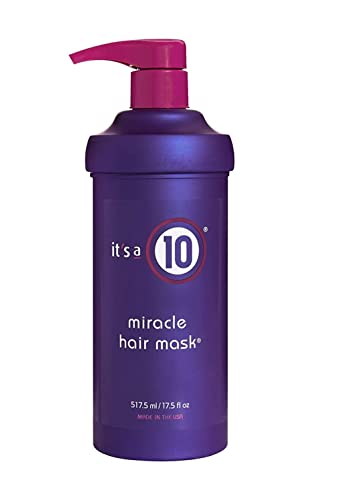
- Instantly restores elasticity
- Nourishes and enhances natural body
- Improves color vibrancy
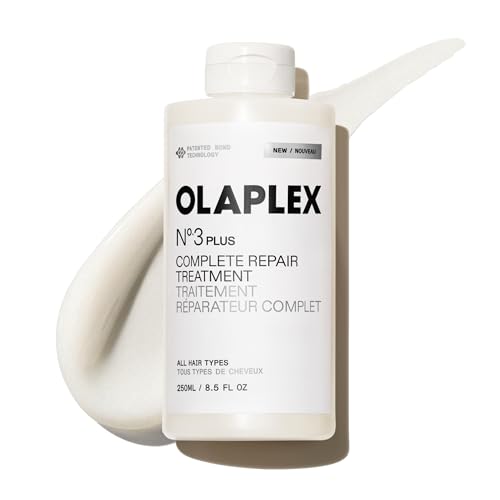
- Patented OLAPLEX Bond Building Technology and Damage Defense Complex immediately repair hair damage by rebuilding broken…
- Fast, 3-minute pre-shampoo treatment delivers an immediate hair transformation. Experience softer, stronger, and more co…
- Works on all hair types to repair all types of damage, including damage from heat, chemical treatments, and environmenta…
Tip: Your hair may not need every type of treatment. Choose products based on whether your hair needs moisture, strengthening, smoothing, or simpler maintenance, and follow the manufacturer’s directions. For heavily bleached or chemically processed hair, consider asking your stylist which products fit your current salon treatment plan.
Conclusion
The best salon treatment frequency depends on hair texture, condition, chemical history, lifestyle, and the service you choose. Unprocessed hair may need occasional deep conditioning, while bleached hair may benefit from targeted strengthening and closer monitoring. Smoothing treatments require ingredient checks, careful aftercare, and a schedule based on their expected lifespan.
Watch for both under-treatment and over-treatment. Persistent dryness, breakage, or dullness may call for salon care, while stiffness, coating, or snapping may signal too much product or too many services. Book your next appointment when your hair needs, the treatment’s longevity, and your stylist’s assessment all align.
References
- American Academy of Dermatology Association. How to stop damaging your hair. Guidance on conditioning, heat styling, swimming, chemical services, and preventing hair breakage. AAD — How to Stop Damaging Your Hair
- American Academy of Dermatology Association. Hair styling without damage. Dermatologist recommendations for reducing heat, friction, brushing, and styling-related hair damage. AAD — Hair Styling Without Damage
- American Academy of Dermatology Association. Hair and scalp care. Dermatologist resources covering everyday hair and scalp care. AAD — Hair and Scalp Care
- U.S. Food and Drug Administration. Hair Smoothing Products That Release Formaldehyde When Heated. Consumer safety information about formaldehyde exposure from certain professional hair-smoothing products. FDA — Hair Smoothing Products and Formaldehyde
- U.S. Food and Drug Administration. Formaldehyde in Hair Smoothing Products: What You Should Know. Consumer guidance on ingredients, salon ventilation, professional application, and potential formaldehyde exposure. FDA — Formaldehyde in Hair Smoothing Products