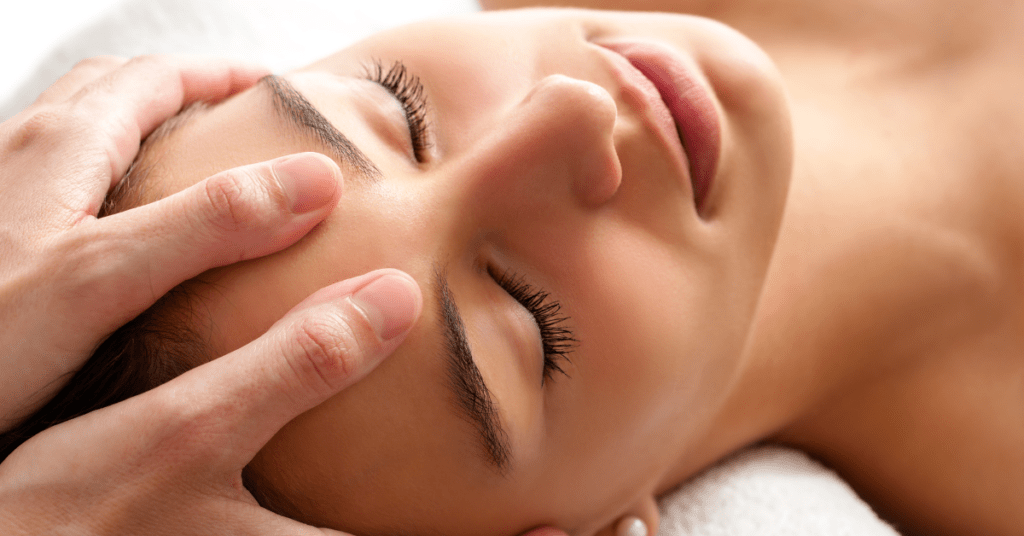
Healthy, glowing skin is something many people dream of achieving. Yet with countless skincare products, beauty trends, and complicated routines online, taking care of your skin can feel confused and expensive.
The truth is that healthy skin does not require a shelf full of luxury products or complicated treatments. Often, the simplest habits make the biggest difference.
Your skin is more than just your appearance—it is your body’s largest organ and your first layer of protection against pollution, bacteria, harsh weather, and harmful UV rays. When your skin is healthy, it not only looks radiant but also helps your body stay strong and protected.
In this guide, you will learn practical healthy skin tips, common signs of unhealthy skin, and simple daily habits that can help you achieve naturally glowing skin.

Why Healthy Skin Is Important
Many people focus on skincare only for beauty purposes, but healthy skin plays a much bigger role in your overall health.
Your skin acts as a protective barrier that shields your body from germs, toxins, and environmental damage. When your skin becomes dry, damaged, or unhealthy, it becomes easier for irritation, infections, and premature aging to occur.
Healthy skin also:
- Helps regulate body temperature
- Protects against harmful bacteria
- Supports wound healing
- Prevents excessive moisture loss
- Improves confidence and self-esteem
Taking care of your skin is not vanity—it is self-care and health care combined.
What Does Healthy Skin Look Like?
Healthy skin does not mean “perfect” skin. Everyone has pores, texture, and occasional breakouts. But healthy skin has these qualities:
1. Smooth Texture
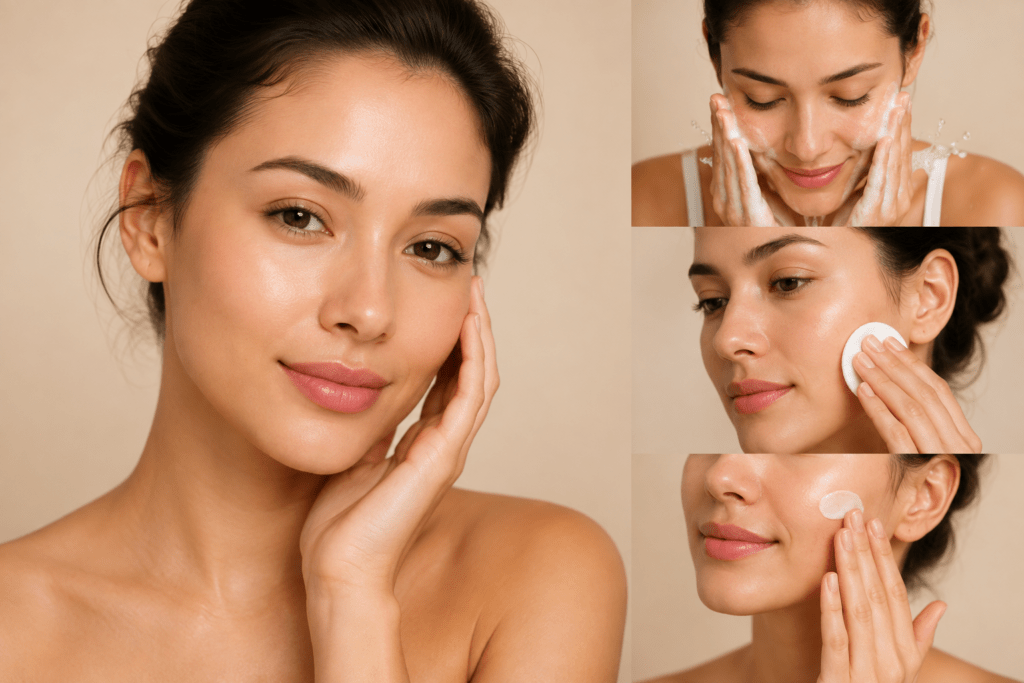
Smooth skin feels soft and balanced instead of rough or flaky. Proper hydration and gentle skincare help maintain smoother skin over time.
Practical Example: If your skin feels tight after washing your face, your cleanser may be too harsh. Switching to a gentle cleanser and applying moisturizer immediately afterward can improve skin texture within days.
2. Well-Hydrated Skin
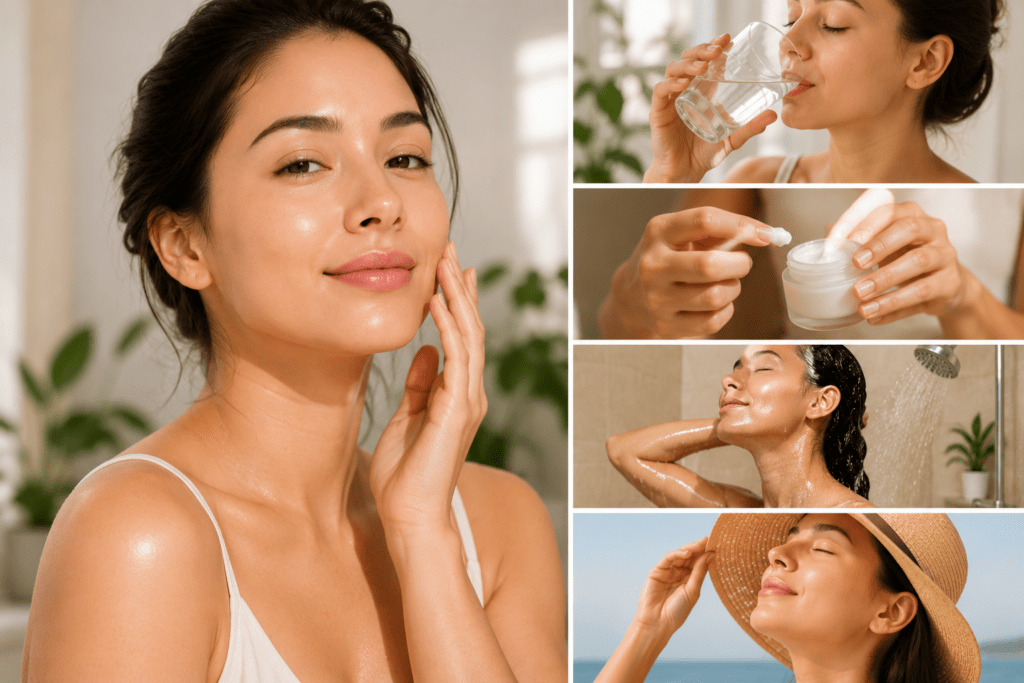
Hydrated skin looks plump, fresh, and glowing. Dry skin often appears dull and tired.
Simple Hydration Tips:
- Drink enough water daily
- Use moisturizer morning and night
- Avoid overly hot showers
- Limit excessive sun exposure
3. Even Skin Tone
Healthy skin usually has a balanced tone without excessive redness, dark spots, or blotchy areas.
Sun damage, smoking, stress, and lack of sleep can all affect your skin tone over time.

4. Firmness and Elasticity
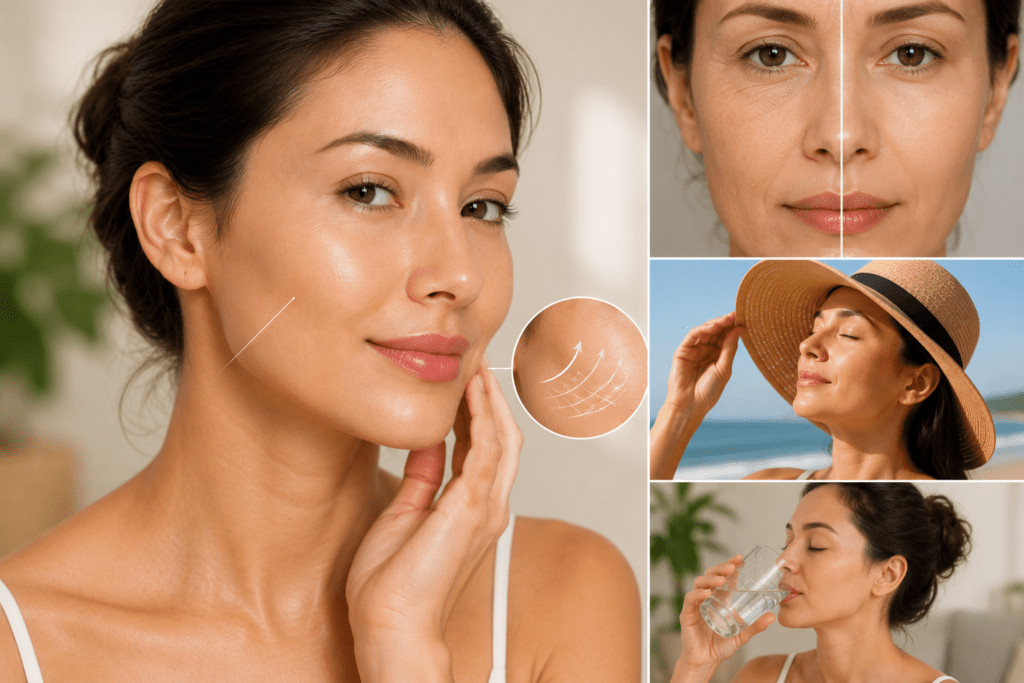
As we age, the skin naturally loses collagen and elasticity, leading to sagging and fine lines.
Protecting your skin from UV rays and staying hydrated can help slow this process naturally.
Common Signs of Unhealthy Skin
Sometimes your skin is trying to tell you something about your overall health.
Dry and Itchy Skin
Dryness can happen because of weather changes, dehydration, or using harsh skincare products.
However, severe itching may also be linked to health conditions and should be checked by a healthcare professional.
Redness and Irritation
Stress, allergies, pollution, and strong skincare ingredients can cause redness and irritation.
Practical Example:
Using too many exfoliating products at once can damage your skin barrier and cause burning or redness. Simplifying your routine often helps your skin recover.
Puffy Eyes
Puffy eyelids can result from:
- Lack of sleep
- Allergies
- Too much salt intake
- Dehydration
Getting enough sleep and staying hydrated can often improve this issue naturally.
Acne and Uneven Texture
Breakouts happen when pores become clogged with oil, dirt, and dead skin cells.
Hormones, stress, diet, and improper skincare habits can all contribute to acne.
Simple Daily Habits for Healthy Skin
You do not need a complicated 10-step routine to maintain healthy skin. Consistency matters more than perfection.
1. Cleanse Gently
Wash your face twice daily using a mild cleanser.
Avoid aggressive scrubbing, which can irritate and damage your skin barrier.
2. Never Skip Moisturizer
Many people avoid moisturizer because they think it causes oily skin. Properly moisturized skin often produces less excess oil.
Choose a moisturizer suited for your skin type:
- Gel moisturizers for oily skin
- Cream moisturizers for dry skin
- Lightweight lotions for combination skin
3. Wear Sunscreen Every Day
One of the best healthy skin tips is using sunscreen consistently.
UV rays are one of the leading causes of:
- Premature aging
- Wrinkles
- Dark spots
- Skin damage
Use at least SPF 30 daily—even on cloudy days.
4. Eat Skin-Friendly Foods
Your diet affects your skin more than you may realize.
Foods that support healthy skin include:
- Fruits and vegetables
- Fish rich in omega-3
- Nuts and seeds
- Whole grains
- Water-rich foods like cucumber and watermelon
Try limiting excessive sugar and processed foods, which may contribute to inflammation and breakouts.
5. Get Enough Sleep
Your skin repairs itself while you sleep.
Poor sleep can lead to:
- Dark circles
- Dullness
- Puffiness
- Increased breakouts
Aim for 7–9 hours of quality sleep each night.
6. Avoid Smoking
Smoking speeds up skin aging by damaging collagen and reducing blood flow to the skin.
Over time, it can cause:
- Wrinkles
- Dull complexion
- Uneven skin tone
- Sagging skin
Healthy Skin Starts from Within
Many people spend hundreds on skincare products while ignoring basic healthy habits.
Remember:
- Hydration matters
- Nutrition matters
- Sleep matters
- Stress management matters
Beautiful skin is often the result of a healthy lifestyle combined with consistent skincare.
Achieving healthy, glowing skin does not have to feel overwhelmed.
Small daily habits—like cleansing gently, staying hydrated, wearing sunscreen, and eating nutritious foods—can transform your skin over time.
The goal is not perfect skin. The goal is to have healthier skin that makes you feel confident, comfortable, and cared for.
Your skin works hard to protect you every single day. Taking care of it is one of the best investments you can make in yourself.
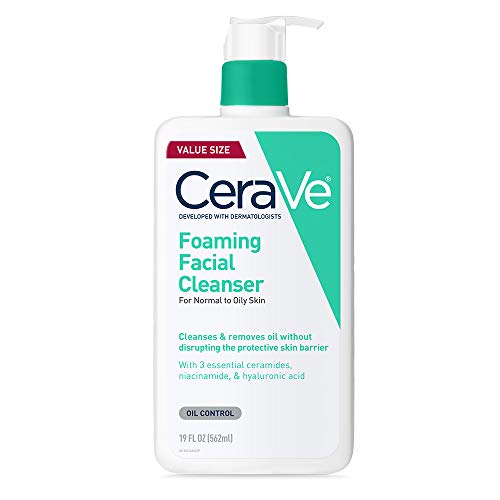
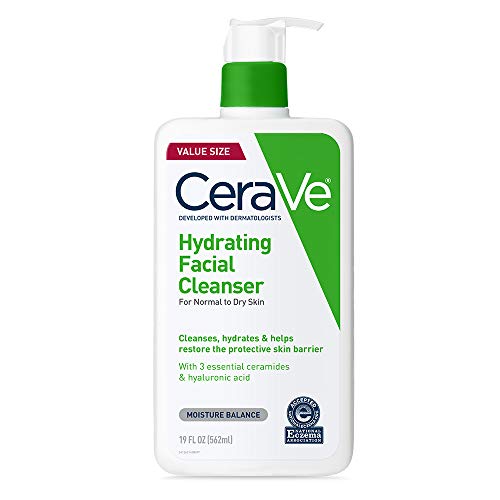
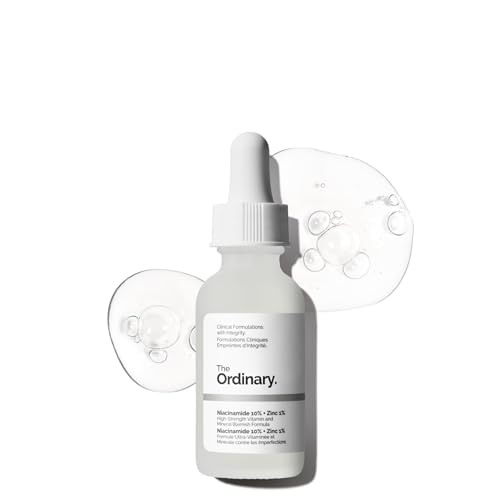
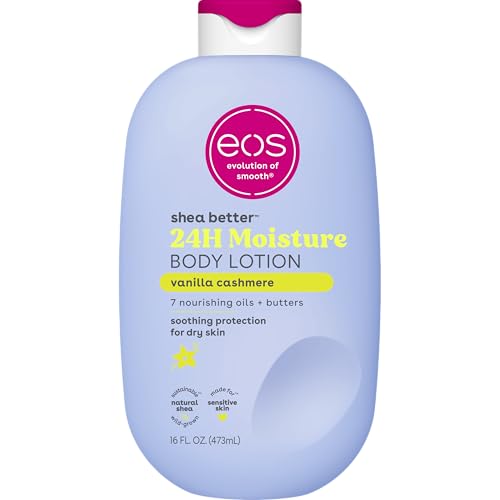
Recommended Products for Glowing Skin
Disclosure: As an Amazon Associate, I earn from qualifying purchases. We only recommend products that we believe offer value to our readers. Learn more.

Frequently Asked Questions (FAQ)
References
- American Academy of Dermatology Association.10 Skin Care Secrets for Healthier-Looking Skin. Covers everyday healthy-skin practices, including daily sun protection and the effects of smoking on premature skin aging. American Academy of Dermatology – Healthier-Looking Skin
- American Academy of Dermatology Association.How to Prevent Skin Cancer. Supports recommendations for broad-spectrum SPF 30+ sunscreen, protective clothing, shade, avoiding tanning beds, and regular skin self-exams. AAD – How to Prevent Skin Cancer
- American Academy of Dermatology Association.How Do I Know If I’m Using the Right Sunscreen? Explains why dermatologists recommend broad-spectrum, water-resistant SPF 30 or higher and discusses sunscreen choices for different skin needs. AAD – Choosing the Right Sunscreen
- American Academy of Dermatology Association.Dermatologists’ Top Tips for Relieving Dry Skin. Supports using gentle cleansers, avoiding long hot showers, applying moisturizer to damp skin, and protecting dry skin from the sun. AAD – Dermatologist Tips for Dry Skin
- American Academy of Dermatology Association.Skin Care on a Budget. Supports a simple routine built around gentle cleansing, moisturizing, sun protection, and choosing products appropriate for your skin type. AAD – Skin Care on a Budget
- American Academy of Dermatology Association.Acne: Who Gets and Causes. Explains how clogged pores contribute to acne and discusses the role hormones can play in acne development. AAD – Acne Causes
- American Academy of Dermatology Association.11 Ways to Reduce Premature Skin Aging. Supports recommendations involving sun protection, avoiding smoking, eating a balanced diet, and other lifestyle habits that can influence visible skin aging. AAD – Reduce Premature Skin Aging
- Rawlings, A. V., & Harding, C. R. (2004). Moisturization and Skin Barrier Function.Dermatologic Therapy, 17(Suppl. 1), 43–48. Reviews the role of the stratum corneum in maintaining hydration and protecting the skin against water loss and environmental challenges. PubMed – Moisturization and Skin Barrier Function
- American Academy of Dermatology Association.Psoriatic Arthritis: Symptoms. Useful for your discussion of psoriasis and the importance of seeking professional evaluation when psoriasis occurs alongside joint swelling, stiffness, or pain. AAD – Psoriatic Arthritis Symptoms