The goal of clear, glowing skin is a path many people want to follow. You might have tried dozens of products or complex routines without seeing the change you want. Sometimes, the most effective answers come from plants. Using essential oils for healthy skin is a simple way to care for your complexion using natural extracts. For even better results, combine them with a consistent body care routine and healthy lifestyle habits. These aromatic liquids offer a way to soothe irritation and clear up blemishes without harsh chemicals.
This guide covers the best oils for your skin concerns. We will look at how to use them safely and why they work. You can change your skincare routine with the simple power of nature.
Understanding Essential Oils and Their Skin Benefits
What Are Essential Oils?
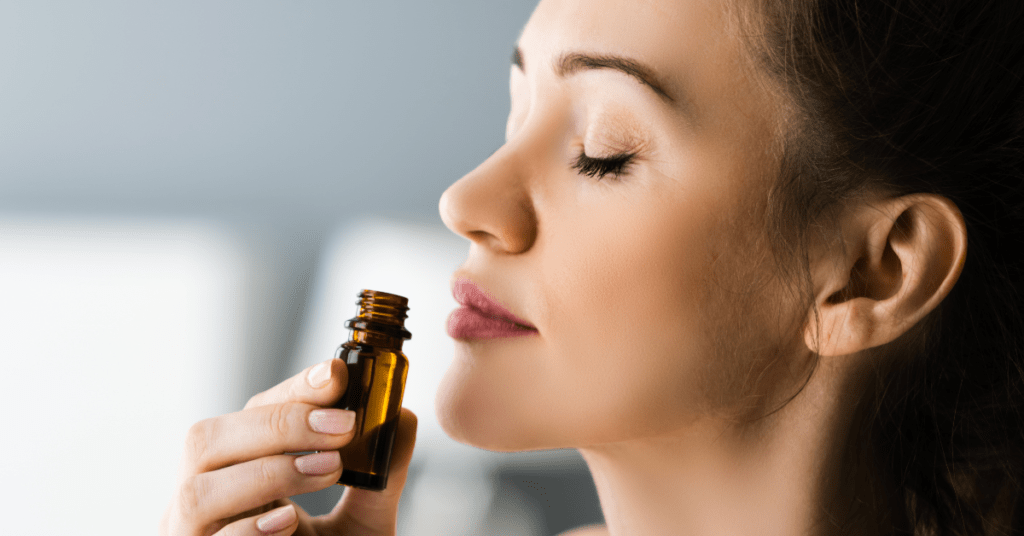
Essential oils are concentrated liquids pulled from plants. They come from roots, leaves, flowers, or bark. Makers use methods like steam distillation or cold pressing to get these oils out of the plant material. Because they are so concentrated, it takes a large amount of plant matter to fill one small bottle. These oils contain the natural scent and chemical compounds of the plant, which makes them powerful tools for your skin.
How Essential Oils Work on the Skin
Your skin is like a barrier, but it is also permeable. Because essential oils are lipid-soluble, they can pass through the top layer of your skin. This allows them to reach deeper layers where they can act on your skin cells. They contain natural compounds that fight inflammation, kill bacteria, and provide antioxidants. When these compounds interact with your skin, they help calm redness, reduce bacteria, and protect your cells from damage.
Safety and Dilution: The Golden Rules
Never put pure essential oils directly on your face. They are too strong and can cause burning, stinging, or rashes. Always mix them with a carrier oil before use. A carrier oil helps the essential oil absorb better and protects your skin. Good choices include jojoba oil, coconut oil, or sweet almond oil. A safe rule is to use one to two drops of essential oil per teaspoon of your chosen carrier oil. Always test a small amount on your inner arm to check for a reaction before using it on your face.
Essential oil safety guidelines: National Association for Holistic Aromatherapy (NAHA)
Top Essential Oils for Healthy Skin
Battling Acne and Blemishes
Acne often stems from bacteria trapped in your pores. The right oils can kill these bacteria and stop the breakout.
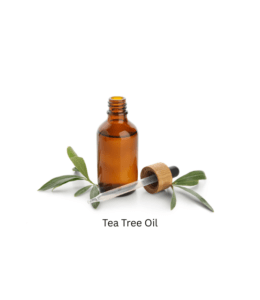
- Tea Tree Oil: This is a top choice for acne. It stops the growth of bacteria that leads to pimples. Studies show that it is effective against common skin bacteria.
Research on tea tree oil for acne: American Academy of Dermatology (AAD) Acne Information
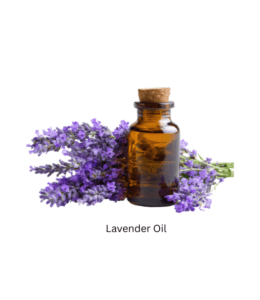
- Lavender Oil: It helps calm angry, red skin. It also has wound-healing properties that help your skin recover from acne damage.
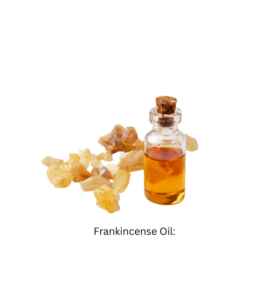
- Frankincense Oil: This oil helps with scarring. It supports skin healing and can reduce the look of old acne marks.
You can also support clearer skin by following a complete skincare routine designed for acne-prone skin.
Soothing Sensitive and Irritated Skin
Sensitive skin needs gentle care. These oils cool and calm the surface without causing more irritation.
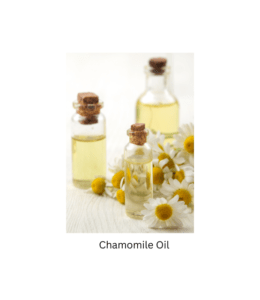
- Chamomile Oil: This oil is famous for its soothing effect. It acts like a balm for skin that is red or itchy.
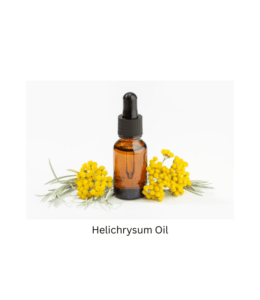
- Helichrysum Oil: This oil helps repair damaged skin. It is excellent for reducing redness quickly.
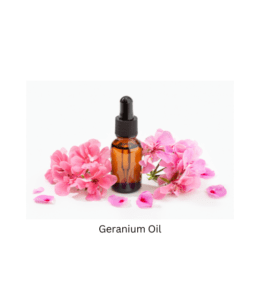
- Geranium Oil: It balances the oils on your skin. This makes it a great choice for skin that is sensitive or inflamed.
Rejuvenating Aging and Mature Skin
Aging skin needs moisture and protection. These oils support cell health and improve elasticity.
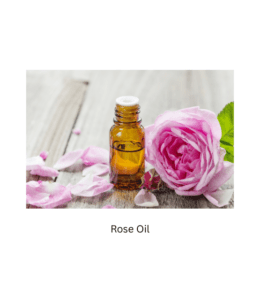
- Rose Oil: This is a powerhouse for hydration. It adds a glow to your face and firms the skin over time.
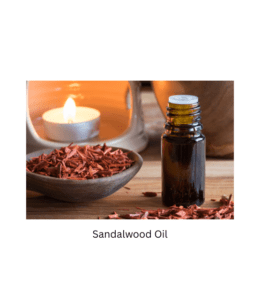
- Sandalwood Oil: It acts as an astringent, which helps tighten skin and makes fine lines look less visible.
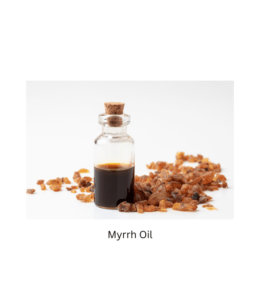
- Myrrh Oil: This oil protects the skin from outside damage. It helps keep skin looking young and fresh.
Brightening and Evening Skin Tone
Dark spots or dullness can make your skin look tired. These oils help brighten your complexion.
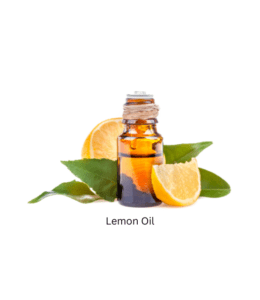
- Lemon Oil: This oil helps brighten dull spots. It is a natural cleaner for the skin. Important note: Lemon oil makes your skin sensitive to light. Only use it at night and always wear sunscreen the next day.
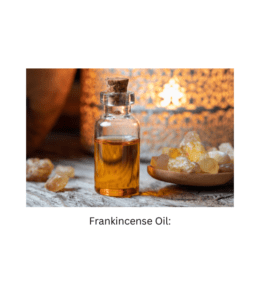
- Frankincense Oil: It supports skin cell turnover. This helps create a more even tone over time.
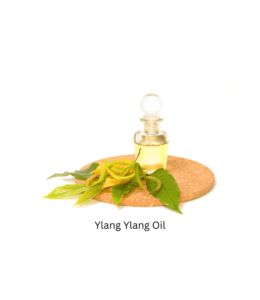
- Ylang Ylang Oil: It helps control how much oil your skin makes. This keeps your skin tone looking balanced and clear.
Incorporating Essential Oils into Your Skincare Routine
DIY Skincare Recipes: Step-by-Step Procedures
You can make your own simple products at home.
1. Acne-Fighting Essential Oil Serum
What You’ll Need:
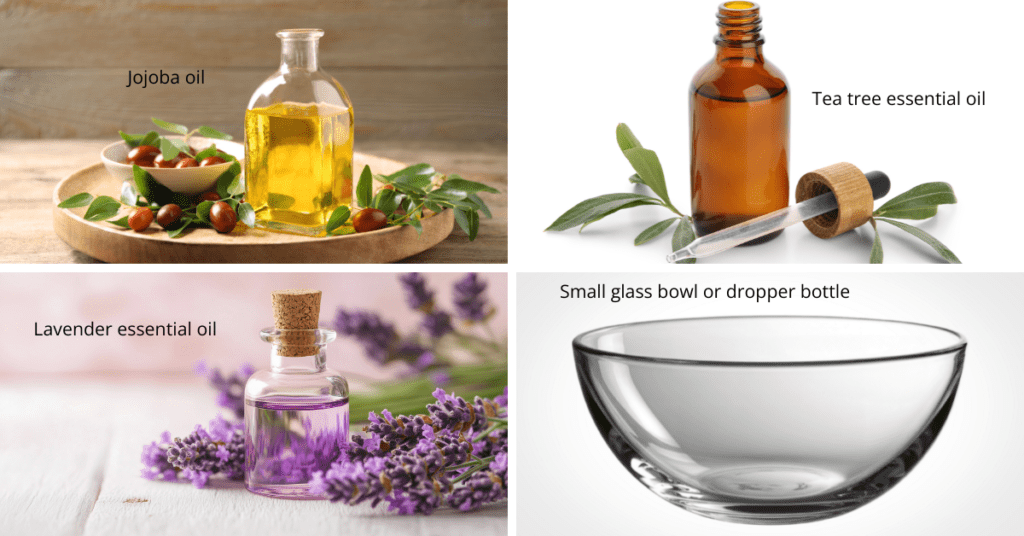
- 1 tablespoon jojoba oil
- 2 drops tea tree essential oil
- 1 drop lavender essential oil
- Small glass bowl or dropper bottle
Instructions:
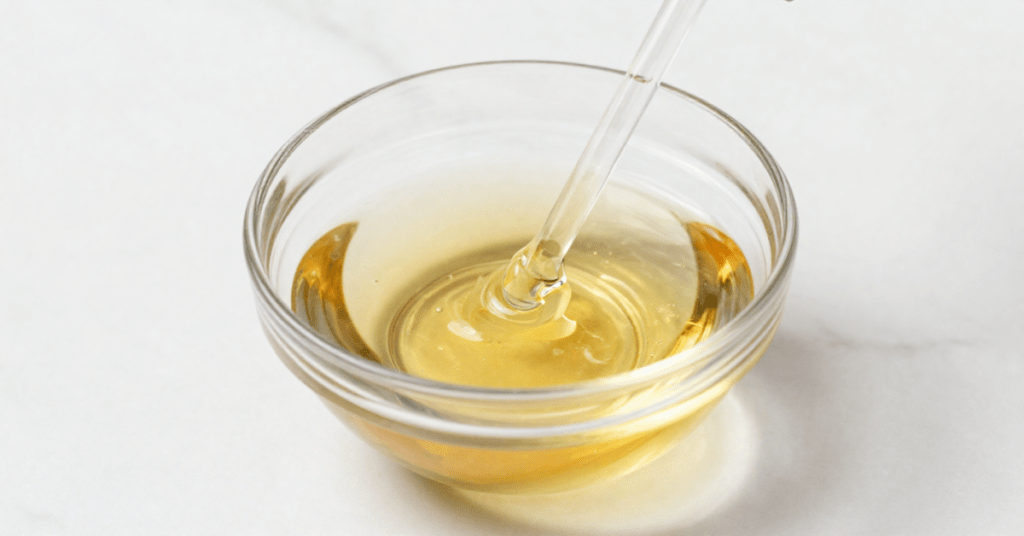
Step 1: Pour 1 tablespoon of jojoba oil into a clean glass bowl or dropper bottle.
Step 2: Add 2 drops of tea tree essential oil.
Step 3: Add 1 drop of lavender essential oil.
Step 4: Stir gently or shake the bottle until the oils are fully blended.
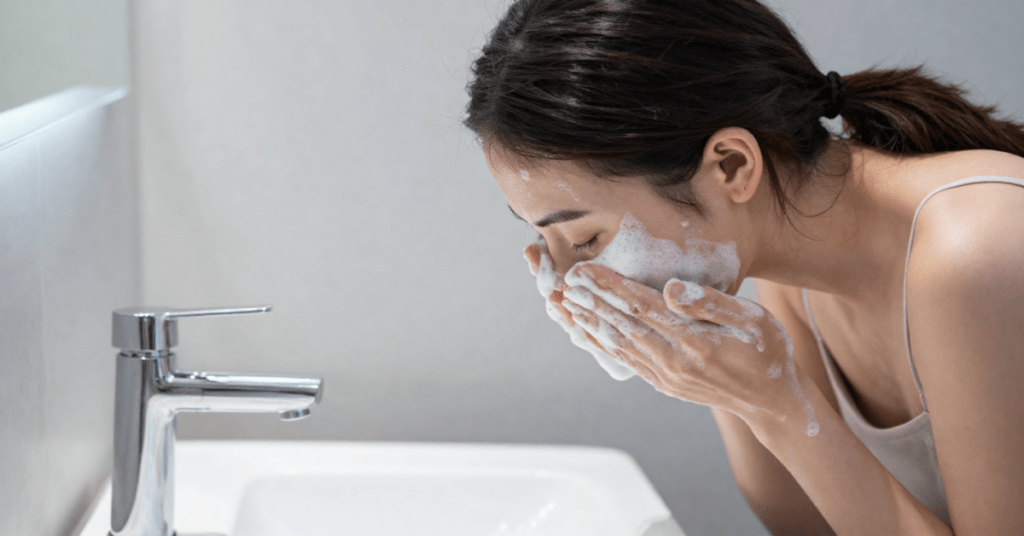
Step 5: Wash your face with a gentle cleanser and pat dry.
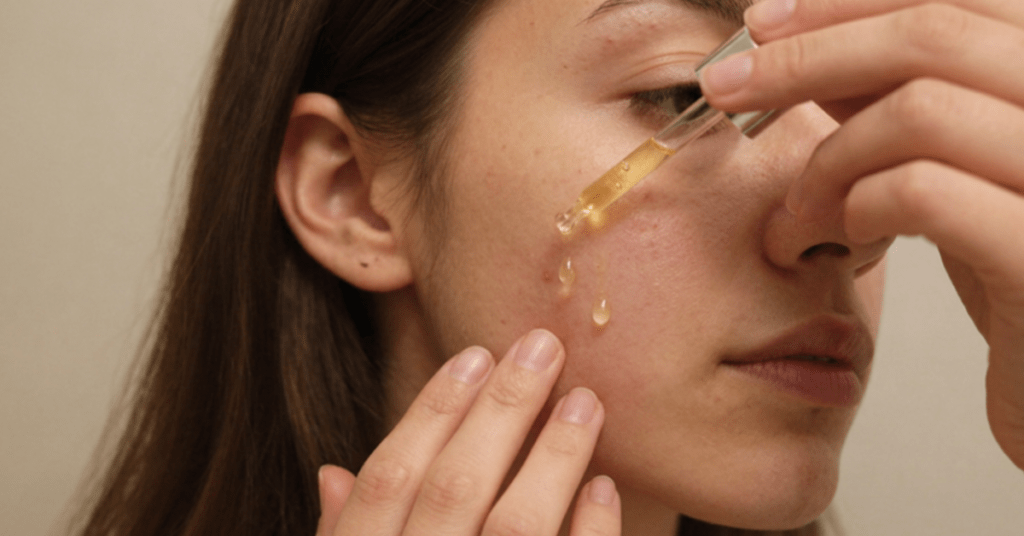
Step 6: Apply 2–3 drops of the serum to acne-prone areas before bedtime.
Step 7: Leave on overnight and rinse as part of your morning skincare routine.
2. Soothing Moisturizer for Sensitive Skin
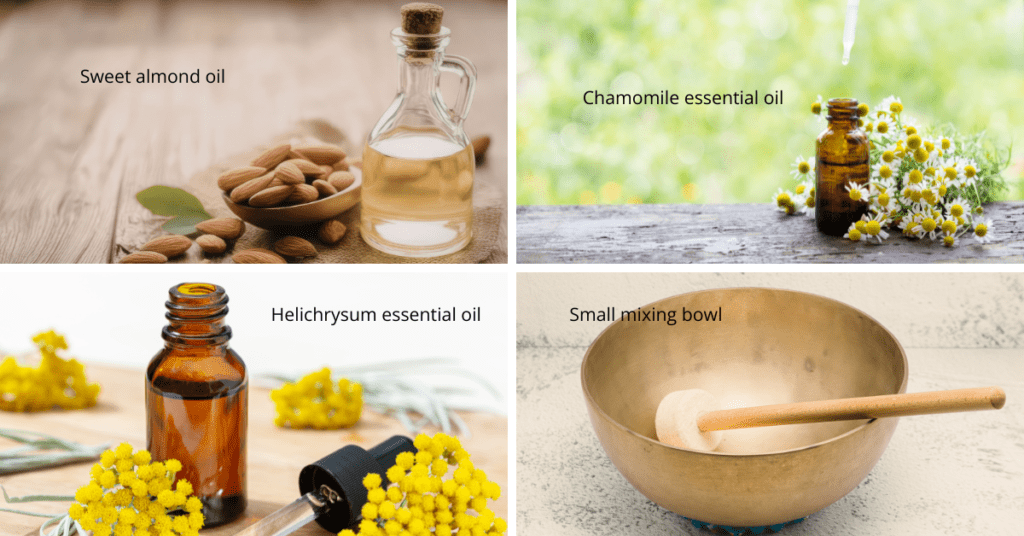
What You’ll Need:
- 1 tablespoon sweet almond oil
- 1 drop chamomile essential oil
- 1 drop helichrysum essential oil
- Small mixing bowl
Instructions:
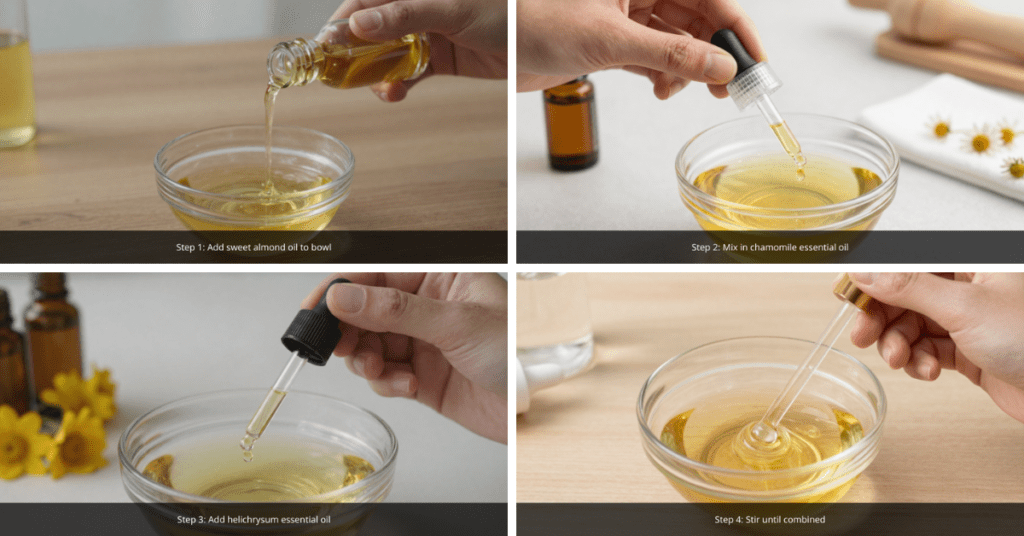
Step 1: Add 1 tablespoon of sweet almond oil to a clean bowl.
Step 2: Mix in 1 drop of chamomile essential oil.
Step 3: Add 1 drop of helichrysum essential oil.
Step 4: Stir thoroughly until combined.
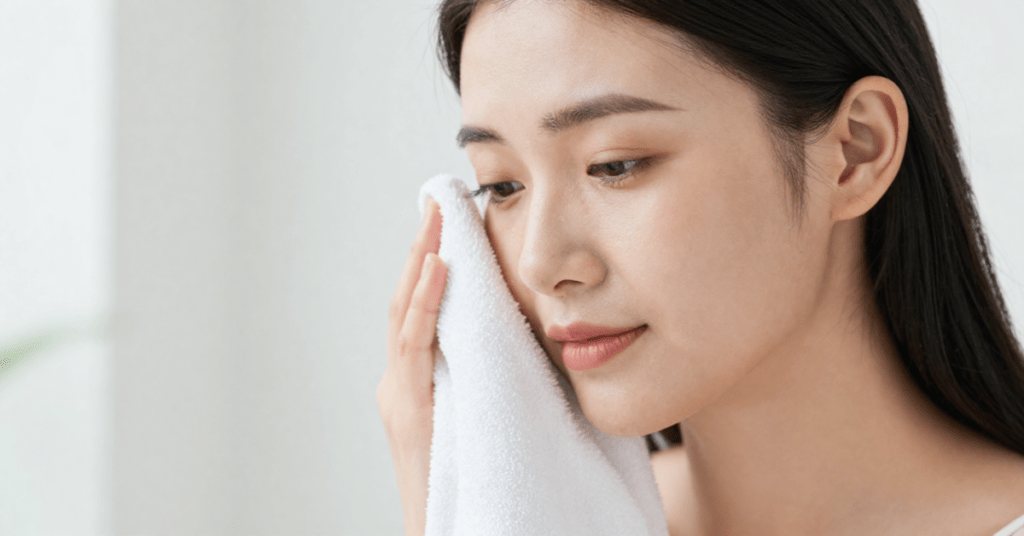
Step 5: Cleanse your skin and gently pat dry.
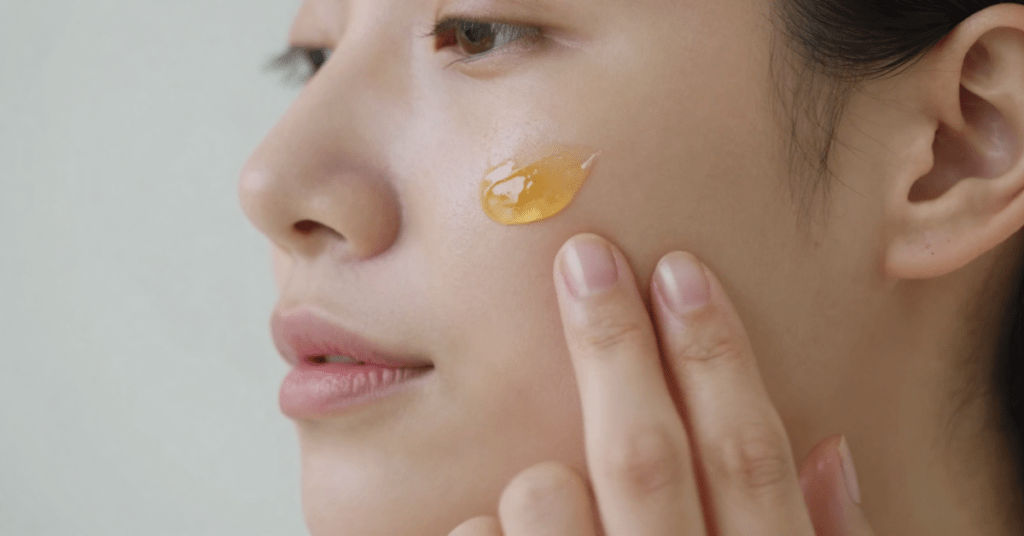
Step 6: Apply a small amount to dry, irritated, or red areas.
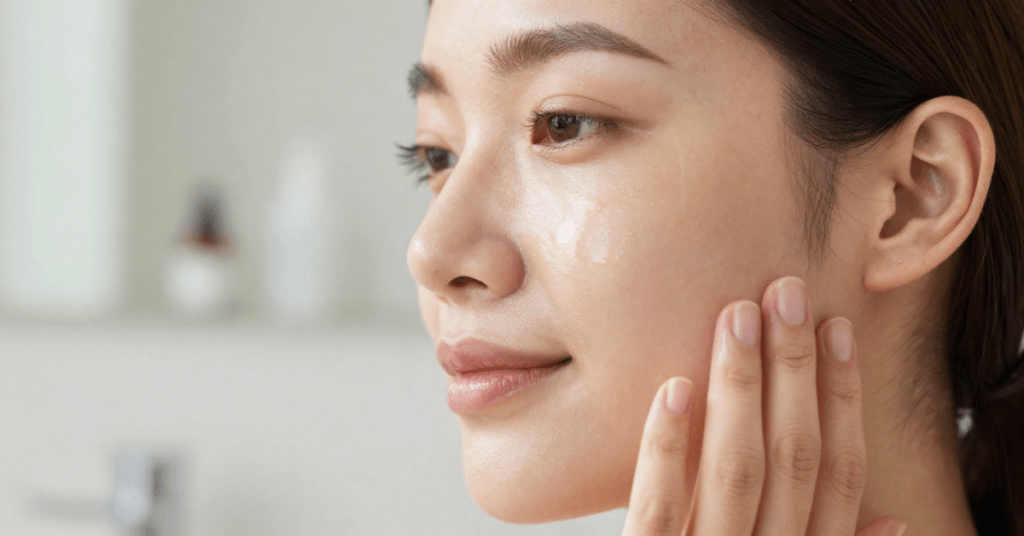
Step 7: Allow the moisturizer to absorb naturally into the skin.
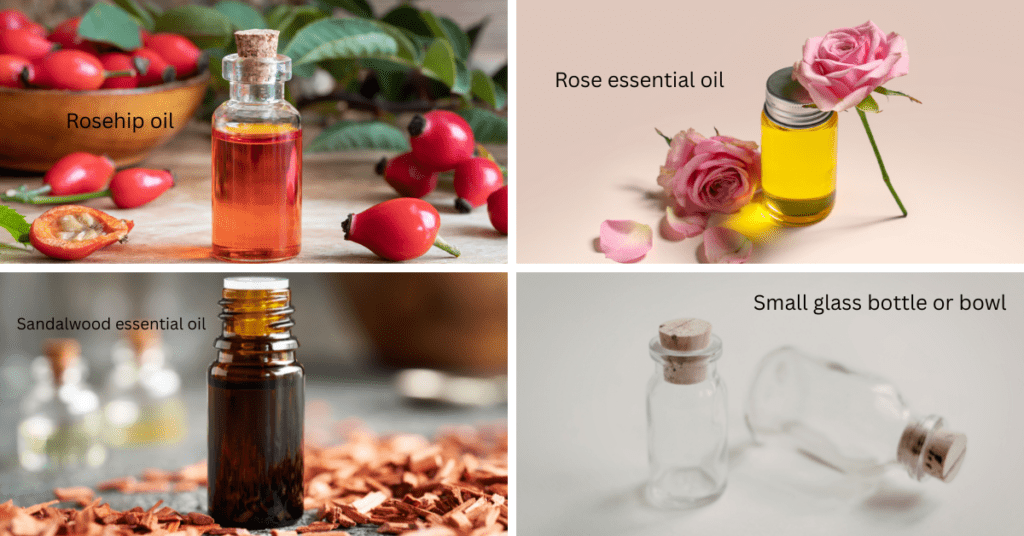
3. Anti-Aging Facial Oil Blend
What You’ll Need:
- 1 tablespoon rosehip oil
- 1 drop rose essential oil
- 1 drop sandalwood essential oil
- Small glass bottle or bowl
Instructions:
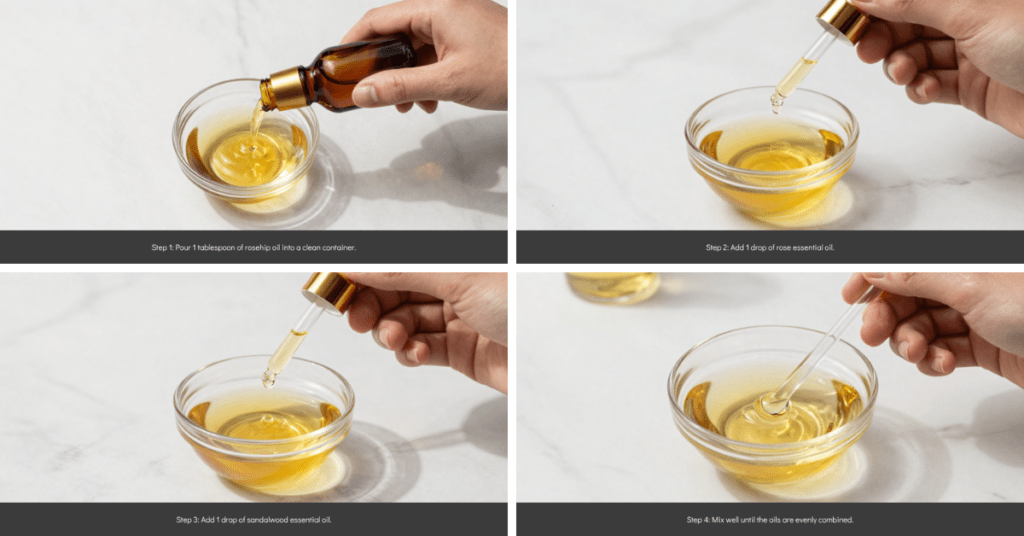
Step 1: Pour 1 tablespoon of rosehip oil into a clean container.
Step 2: Add 1 drop of rose essential oil.
Step 3: Add 1 drop of sandalwood essential oil.
Step 4: Mix well until the oils are evenly combined.
Step 5: Wash your face and gently pat it dry.

Step 6: Place 2–3 drops of the blend onto your fingertips.
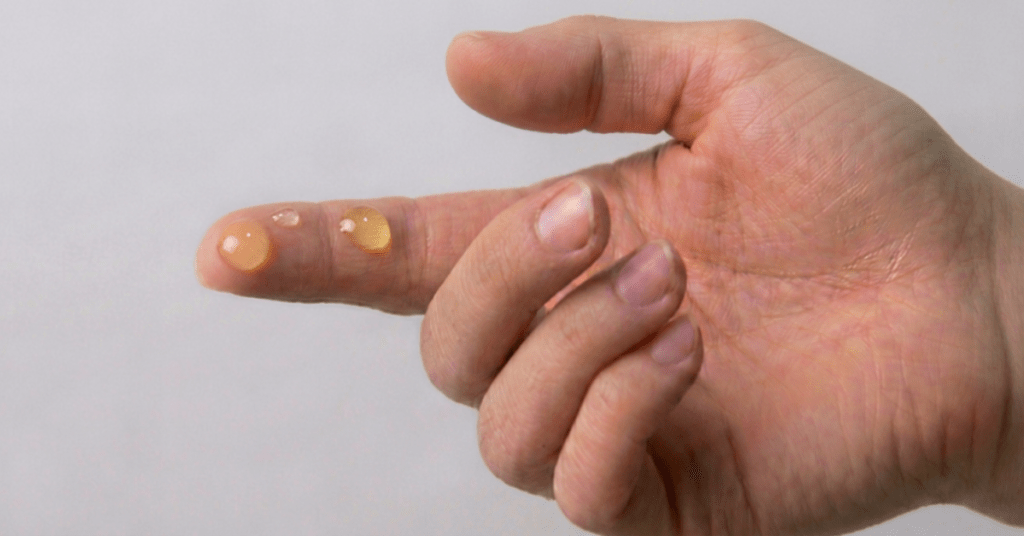
Step 7: Gently pat and massage the oil onto your face and neck using upward motions.
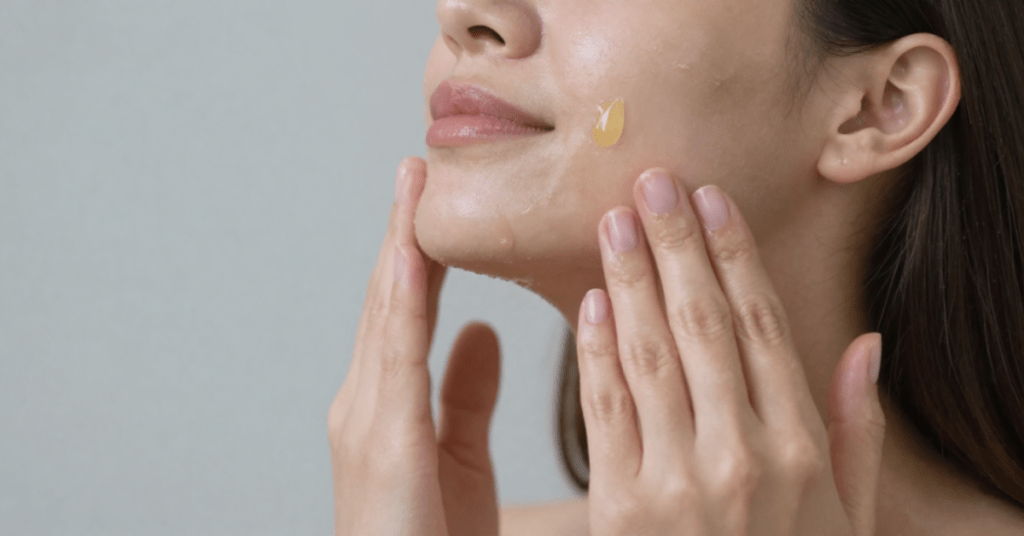
Step 8: Allow the oil to absorb completely before applying other nighttime skincare products.
Safety Tip
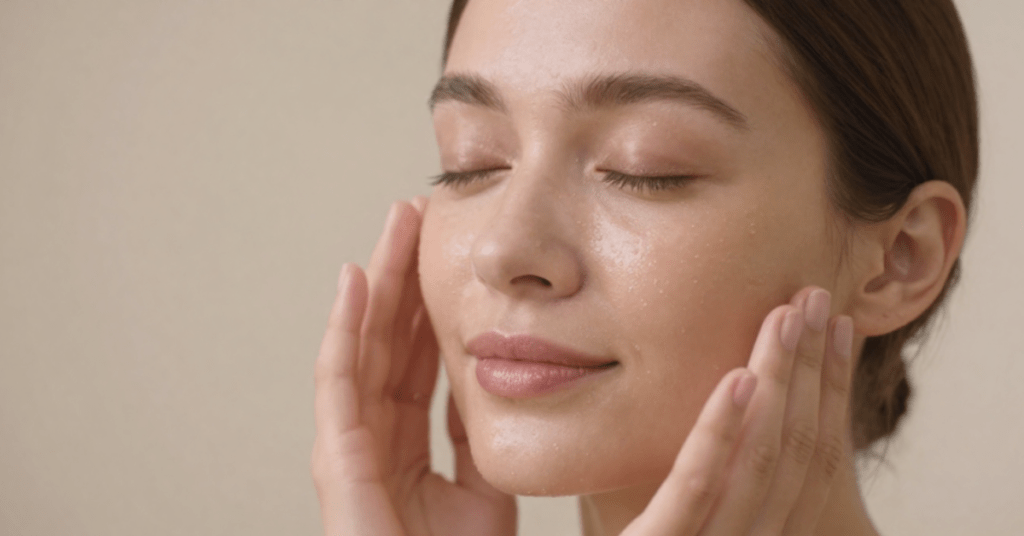
Before trying any DIY skincare recipe, perform a patch test by applying a small amount to your inner forearm. Wait 24 hours to check for redness, itching, or irritation. If a reaction occurs, discontinue use immediately. Always use high-quality, properly diluted essential oils and avoid contact with the eyes.
Direct Application and Spot Treatments
You can use oil to treat specific issues. Use a clean cotton swab to apply one drop of diluted tea tree oil to a single pimple. This treats the spot without drying out the rest of your face. For patches of dry or irritated skin, dab on a tiny bit of diluted chamomile oil to cool the area.
Adding to Existing Products
You do not have to replace your whole routine. Take a small amount of your normal unscented cleanser or moisturizer in your palm. Add one drop of the right essential oil and mix it with your finger. Apply the blend to your face as usual. This is the safest way to try new oils.
Essential Oil Quality and Sourcing
What to Look for in a Quality Oil
Not all oils sold in stores are pure. Many are mixed with synthetic fragrances or other additives. Look for labels that state 100% pure essential oil and include both the plant’s common name and botanical (Latin) name. Quality oils are typically packaged in dark amber or cobalt blue glass bottles to help protect them from light exposure. Brands that provide a Certificate of Analysis (COA) often demonstrate a stronger commitment to transparency and product testing. You can learn more about evaluating essential oil quality through the National Association for Holistic Aromatherapy (NAHA).
Reputable Brands and Sourcing Practices
Always buy from companies that are open about where they get their plants. Ethical brands support farmers and protect the land. Look for companies that avoid over-harvesting plants. A good brand will explain their sourcing methods clearly on their website.
Expert Insights and Scientific Backing
Scientific Evidence for Essential Oil Efficacy
Research supports the use of several oils for skin health. For example, studies on tea tree oil show it can reduce the number of acne lesions on the skin. Other studies confirm that oils like lavender and chamomile have anti-inflammatory effects. These results show that essential oils are more than just nice scents.
Scientific studies on essential oils: PubMed Database
What Dermatologists and Aromatherapists Say
Many skin experts agree that essential oils can help the skin. They often point out that these oils have antimicrobial properties that clean the skin. Certified aromatherapists usually recommend starting with a low concentration to see how your skin reacts. They emphasize that while these oils are helpful, they are part of a larger, healthy lifestyle that includes water intake and a good diet.
Final Thoughts on Radiant Skin
Key Takeaways for Your Skincare Routine
Essential oils provide a natural way to care for your skin. Use tea tree for acne, chamomile for sensitivity, and rose for aging. Always dilute your oils with a carrier oil to stay safe. Start with a patch test to make sure your skin likes the blend.
A Holistic Approach to Radiant Skin
These oils work best when you have a good overall routine. Drink enough water, get enough sleep, and wear sunscreen daily. Essential oils are a tool to boost your skin health, not a magic fix for everything. If you have a serious skin condition, talk to a dermatologist. With a little patience, you will find the right blend to help your skin glow.
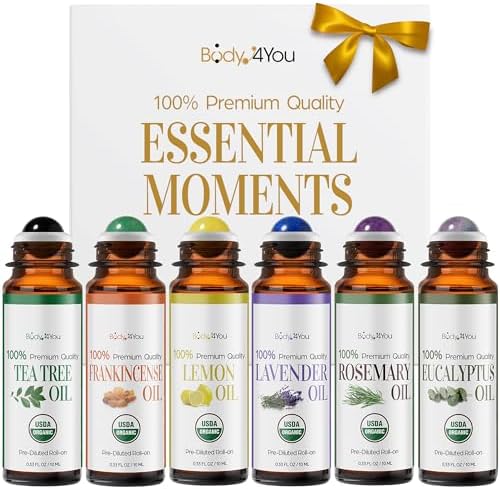
Recommended Products for Essential Oils
Disclosure: As an Amazon Associate, I earn from qualifying purchases. We only recommend products that we believe offer value to our readers. Learn more.


Frequently Asked Questions About Essential Oils for Healthy Skin
References
- American Academy of Dermatology Association. (n.d.). Acne: Diagnosis and treatment. https://www.aad.org/public/diseases/acne
- Bakkali, F., Averbeck, S., Averbeck, D., & Idaomar, M. (2008). Biological effects of essential oils—A review. Food and Chemical Toxicology, 46(2), 446–475. https://doi.org/10.1016/j.fct.2007.09.106
- Carson, C. F., Hammer, K. A., & Riley, T. V. (2006). Melaleuca alternifolia (Tea Tree) oil: A review of antimicrobial and other medicinal properties. Clinical Microbiology Reviews, 19(1), 50–62. https://doi.org/10.1128/CMR.19.1.50-62.2006
- Hammer, K. A., Carson, C. F., & Riley, T. V. (2006). Antimicrobial activity of essential oils and other plant extracts. Journal of Applied Microbiology, 86(6), 985–990. https://doi.org/10.1046/j.1365-2672.1999.00780.x
- International Organization for Standardization. (2014). ISO 9235: Aromatic natural raw materials—Vocabulary. https://www.iso.org
- Lis-Balchin, M. (Ed.). (2006). Aromatherapy science: A guide for healthcare professionals. Pharmaceutical Press.
- National Association for Holistic Aromatherapy. (n.d.). Essential oil safety information. https://naha.org
- Orchard, A., & van Vuuren, S. (2017). Commercial essential oils as potential antimicrobials to treat skin diseases. Evidence-Based Complementary and Alternative Medicine, 2017, 4517971. https://doi.org/10.1155/2017/4517971
- PubChem. (n.d.). Essential oils. National Center for Biotechnology Information. https://pubchem.ncbi.nlm.nih.gov
- PubMed. (n.d.). Essential oils and skin health research. National Library of Medicine. https://pubmed.ncbi.nlm.nih.gov/
- Ranzato, E., Martinotti, S., & Burlando, B. (2011). Wound healing properties of Lavandula angustifolia essential oil. Evidence-Based Complementary and Alternative Medicine, 2011, 1–7. https://doi.org/10.1093/ecam/nep125
- Skin Cancer Foundation. (n.d.). Sunscreen. https://www.skincancer.org/skin-cancer-prevention/sun-protection/sunscreen/
- Tisserand, R., & Young, R. (2014). Essential oil safety: A guide for health care professionals (2nd ed.). Elsevier.
- World Health Organization. (2023). WHO global traditional medicine strategy 2025–2034. https://www.who.int