
Vitamin C serum in the morning and niacinamide at night? Skincare advice often splits these two brightening ingredients into separate routines, leaving you wonder if they can share a shelf.
For most people, niacinamide and vitamin C can be used in the same routine. Product formula, skin tolerance, and application order matter more than the ingredient pairing alone.
Use the steps below to layer them or adjust the routine if your skin is sensitive. Neither ingredient works the same way for everyone, nor using both doesn’t guarantee better results.

Can You Mix Niacinamide and Vitamin C?
The common claim that niacinamide and vitamin C cancel each other out is too broad. Most people can use properly made products containing both, though a routine that suits one person may irritate another.
What the “they cancel each other out” claim gets wrong
The concern traces back to a possible reaction between niacinamide and acidic vitamin C under certain conditions, such as high heat or unsuitable formulas. That doesn’t mean two modern skincare products will automatically react when applied to your face.
The key difference is between a reaction that may occur in specific lab or storage conditions and how products work in an everyday routine. If a product is made and stored as directed, there’s no general need to avoid pairing these ingredients.
Why the formula matters more than the ingredient pairing
Vitamin C products differ in form, strength, acidity, and packaging. L-ascorbic acid, the best-studied form, can be unstable and needs a suitable formula. Some vitamin C derivatives have different stability and pH needs, so they may behave differently in a product.
Check the label and follow the maker’s directions. Consider the full formula, too: a product may contain other active ingredients that affect how your skin tolerates it.
What the evidence can and cannot say
A review in the Journal of Clinical and Aesthetic Dermatology discusses vitamin C’s potential uses for uneven-looking tone and visible signs of sun-related skin changes, while noting that results depend on the formula. You can read the review of topical vitamin C and skin research.
Evidence about each ingredient doesn’t prove that using them together works better than using either one alone. Treat the pairing as an option, not a guaranteed boost. For a plain-language summary of potential benefits and irritation risks, see GoodRx’s guide to niacinamide and vitamin C.
What Niacinamide and Vitamin C Can Do for Skin
These ingredients may both support a more even-looking complexion, but they aren’t interchangeable. Choose products based on your skin concerns and how your skin responds.
How vitamin C fits into a skincare routine
Topical vitamin C, especially L-ascorbic acid, is often used to target uneven-looking tone and visible effects of environmental stress. The review above describes vitamin C’s antioxidant role and notes that research on topical products depends on the formulation.
Vitamin C derivatives have different formula needs and may not act exactly like L-ascorbic acid. A gentler-feeling product isn’t automatically more effective, so focus on its directions and whether you can use it comfortably.
How niacinamide fits into a skincare routine
Niacinamide is a form of vitamin B3. Skincare products with niacinamide are used for concerns such as uneven-looking tone and visible redness and may support the skin barrier.
Its effects depend on the product and regular use. A higher percentage isn’t always the best choice, especially if your skin is new to active ingredients.
When using both may make sense
You might choose both if each product fits a separate concern, and your skin tolerates them. For example, you may prefer vitamin C in the morning and niacinamide in a later routine.
If your skin is sensitive or your routine is new, start with one product. A single product you can use consistently may be a better fit than adding several actives at once.
How to Layer Niacinamide and Vitamin C
There’s no universal rule that you must separate the ingredients. If your product labels don’t give a different order, applying vitamin C first and niacinamide second is a practical default.
Start with clean, dry skin
Wash with a gentle cleanser, then pat your face dry. Some vitamin C products recommend dry skin, so check the label before applying.
Avoid scrubbing or using a harsh cleanser right before your serums. That can add irritation and make it harder to tell which product is bothering your skin.
Apply vitamin C, then niacinamide
Smooth on your vitamin C product first, using the amount listed on its label. Let it settle if it feels wet or tacky, then apply niacinamide.
Product texture can guide the order: apply thinner products before thicker ones. If either label gives a specific order, follow those directions. You don’t need to wait a set number of minutes unless the product maker says to.
Finish with moisturizer and daytime sunscreen
Apply moisturizer after your treatment products, adjusting for their texture and label directions. In the morning, finish with broad-spectrum sunscreen. Vitamin C doesn’t replace sunscreen, and sunscreen remains an essential daytime step.
If the two products feel uncomfortable together, use one in the morning and one in the evening instead. Separating them is fine; the goal is a routine your skin can handle.
Adjust the Routine to Your Skin and Products
A slow start makes it easier to spot irritation and decide whether both ingredients belong to your routine. Pay attention to your skin rather than try to follow a fixed schedule.
Introduce one product at a time
Start with one new product and use it as directed. Give your skin time to respond before adding the second, so you can more easily identify the cause of redness or discomfort appearing.
This is especially helpful if you’re new to vitamin C or niacinamide. Avoid changing several products at once.
Choose morning, evening, or alternating use
Vitamin C is often used in the morning, followed by sunscreen, but you can choose another time if the product directions allow it. Niacinamide can fit into a morning or evening routine.
You can also alternate days or use the products in separate routines. There’s no need to apply both at once if that feels too complicated or uncomfortable.
Patch test and watch for irritation
Test a new product in a small area according to its directions before applying it across your face. GoodRx also summarizes patch testing and common reactions in its guide to combining niacinamide and vitamin C.
Stop using a product if you develop persistent burning, marked redness, swelling, or ongoing discomfort. If a reaction continues or you have a skin condition, ask a dermatologist for help.
Avoid Common Mistakes When Combining These Ingredients
Irritation may come from the full routine rather than a reaction between niacinamide and vitamin C. Keep the number of active products low while you figure out what works.
Don’t stack several strong actives at once
Using potent vitamin C alongside exfoliating acids and retinoids can make irritation more likely and harder to trace. Add products one at a time and keep the rest of your routine simple while your skin adjusts.
If your skin becomes sore or flaky, pause the newest product and review the rest of your routine. Don’t add another activity to try to fix the problem.
Don’t assume tingling means the products are working
A mild sensation can vary with the formula, but burning that lasts or gets worse isn’t a sign of success. You don’t need to push through persistent discomfort.
Pause the suspected product and let your skin settle. If irritation returns when you try it again, stop using it and consider asking a dermatologist.
Store vitamin C as the label directs
Some vitamin C formulas can change with exposure to air, light, or poor storage conditions. Follow the product’s packaging guidance instead of assuming every formula needs the same storage method.
Watch for changes the maker identifies, such as a shift in color or texture. Check the label or contact the brand if you’re unsure whether the product is still in good condition.
Conclusion: Use Both If Your Skin Tolerates Them
Niacinamide and vitamin C can usually be used together. Apply vitamin C first and niacinamide second as a practical default but follow product directions and let texture guide you.
Introduce one product at a time, use sunscreen during the day, and stop if irritation persists. Start with one product, or separate the two, if that suits your skin better.
Frequently Asked Question
Recommended Products
If you’re building a routine with vitamin C and niacinamide, look for products with clear ingredient lists, appropriate packaging, and directions that match your skin type and experience level. You don’t need the highest concentration or several active ingredients to create a thoughtful routine. Start with products you can use consistently and comfortably.
Disclosure: As an Amazon Associate, I earn from qualifying purchases. We only recommend products that we believe offer value to our readers. Learn more.
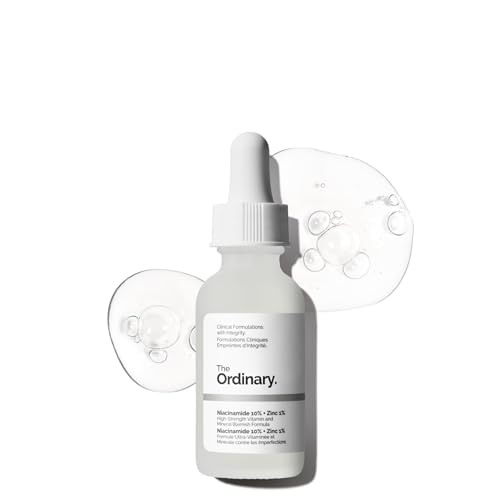
- BOOSTS BRIGHTNESS & SMOOTHNESS: Niacinamide 10% + Zinc 1% visibly improves skin radiance and smooths texture in one week…
- HYDRATING FORMULA: Lightweight water-based serum that reinforces the skin barrier and provides hydration in as little as…
- CONTAINS NIACINAMIDE & ZINC PCA: High 10% concentration of Niacinamide (Vitamin B3) and 1% Zinc PCA to help control oil …
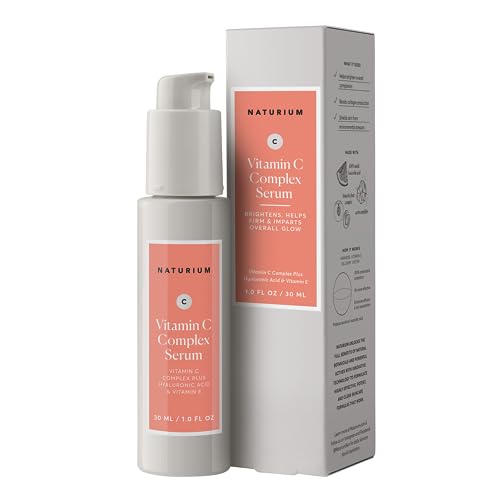
- CLINICALLY SHOWN RESULTS: Our vitamin C complex serum instantly hydrates skin and clinically shown to improve the appear…
- CONCENTRATED, POWERFUL FORMULA: The high concentration of our complex including highly stable, pure l-ascorbic acid and …
- MOST SKIN TYPES: Appropriate for those with sensitive skin, though a patch test prior to use is advised. Apply even laye…

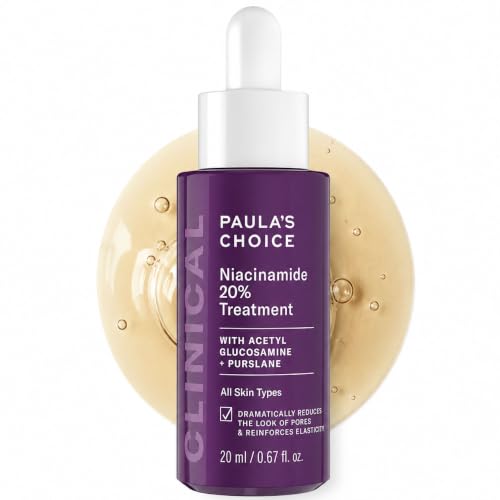
- DIMINISH LARGE PORES: 20% Niacinamide Booster face serum visibly tightens & refines the look of stretched, sagging pores…
- IMPROVE SKIN TONE: This vitamin C face serum with licorice root visibly brightens skin and improves blotchy tone, discol…
- MINIMIZE HARD, CLOGGED BUMPS: The facial serum targets hard, clogged bumps and congested pores, helping to smooth rough,…
Glow Journey Tip: When introducing new skincare, change one product at a time. That way, if your skin becomes irritated, you’ll have a much better idea of which product may be responsible.
References
- Pullar JM, Carr AC, Vissers MCM. The Roles of Vitamin C in Skin Health. Nutrients. 2017.
Read the full review on PubMed Central - Al-Niaimi F, Chiang NYZ. Topical Vitamin C and the Skin: Mechanisms of Action and Clinical Applications. Journal of Clinical and Aesthetic Dermatology.
Read the review in the Journal of Clinical and Aesthetic Dermatology - GoodRx. Can You Mix Niacinamide and Vitamin C?
Read the GoodRx guide - American Academy of Dermatology Association. General guidance on skin care and protecting skin from ultraviolet exposure.
Visit the American Academy of Dermatology Association
Note: These resources provide background information on topical vitamin C, skincare ingredients, and skin-care practices. Product formulations vary, so always follow the directions provided by the manufacturer.