A stressful day can follow you straight to bed: your mind replays unfinished work, your phone keeps you scrolling, and your skin seems more reactive than usual. Stress may worsen acne for some people, but cortisol is only one part of a larger picture. A wind-down routine can’t promise clear skin or diagnose a hormone problem, but it can help you shift toward rest and care for your skin gently.
This 45-minute plan pairs a clear end to the workday with calming habits, simple skin care, and sleep prep. Keep the steps flexible. A routine you can repeat matters more than a perfect one.
How stress, sleep, and breakouts may connect

Stress may aggravate acne, but it isn’t the only cause
The American Academy of Dermatology’s guidance on acne causes says stress can worsen existing acne, though it doesn’t cause acne on its own. Breakouts involve clogged pores and can also be shaped by oil production, hormones, inflammation, and family history. A calmer evening may support well-being, but it doesn’t replace acne treatment when you need it.
Cortisol follows a daily rhythm
Cortisol helps the body respond to demands, and its levels shift over the day. A review of sleep and cortisol rhythms describes levels as generally highest around the usual wake-up period, then declining toward a low point late in the evening or early night. One relaxing routine can’t reset this rhythm or show whether your cortisol levels are outside a healthy range.
Sleep helps health, but it doesn’t treat acne by itself
Good sleep supports health and emotional well-being, but it isn’t an acne treatment. The CDC recommends that adults ages 18 to 60 get at least seven hours of sleep each day, as outlined in its sleep guidance. Treat the 45 minutes below as a bridge to sleep, not a substitute for enough rest or suitable acne care.
A 45-minute evening wind-down to lower cortisol and avoid breakouts
Minutes 0–10: Leave the workday behind
For the first five minutes, set a reasonable stopping point for work and silence of nonessential alerts. Write down unfinished tasks and a few priorities for tomorrow. This short “parking list” gives your brain somewhere to put those reminders beside the pillow.
Use minutes five through ten to put work materials away and dim bright lights. Choose a quieter setting if you can, but don’t worry about building a perfect sleep space. Small changes you can repeat are enough.
Minutes 10–25: Calm your body and attention
From minutes 10 to 18, try slow, comfortable breathing. Keep each breathe easy and let your exhale run a little longer if that feels natural. Stop and breathe normally if you feel dizzy or uncomfortable; this is a calming practice, not a medical treatment or a guaranteed way to lower cortisol.
For minutes 18 to 25, choose gentle stretching, a brief body scan, or progressive muscle relaxation. Keep any movement light and comfortable. The goal is to shift your attention away from the day, not to force yourself to feel relaxed.
Minutes 25–45: Care for your skin and get ready for sleep
At minutes 25 to 30, wash your face with a mild cleanser and lukewarm water, especially if you wore makeup or sunscreen. Use your fingertips rather than a scrub or rough cloth. The AAD advises gentle cleansing because scrubbing and harsh washing can irritate acne-prone skin.
Use minutes 30 to 35 for a basic routine: apply a noncomedogenic moisturizer and use any acne treatment as directed by its label or your clinician. Avoid starting several new active products at once. The AAD warns that trying new acne products too often can irritate skin and make it harder to tell what’s helping.
As you get ready, resist picking or squeezing blemishes, which can increase inflammation and raise the risk of scars. Products labeled “noncomedogenic” or “won’t clog pores” may suit acne-prone skin. A clean pillowcase is a reasonable hygiene habit, but changing it isn’t a proven acne cure on its own.
From 35 minutes to 40, set out what you’ll need tomorrow and make your room comfortable. You might lower noise, reduce light, or adjust the temperature to suit you. For the last five minutes, read a paper book, listen to calm audio, or sit quietly. Put away stimulating content if it tends to keep your alert, without turning screen rules into another source of stress.
Make the routine easy to keep
Start with the steps most likely to stick
If 45 minutes feels too much, begin with a shorter version: write tomorrow’s task list, wash your face, and spend a few minutes reading or breathing slowly. Add other steps as they start to feel natural. Consistency matters more than completing every part of each night.
Change one habit at a time
Notice whether late-night scrolling, unfinished work, or a certain skin product seems to affect your sleep or skin comfort. Try changing one habit at a time, so you can see what makes a difference. Track routine consistency and skin changes over time rather than expecting an overnight result.
Seek care for ongoing concerns
Talk with a dermatologist or healthcare professional if acne is persistent, painful, scarring, or upsetting. A wind-down routine can support your well-being, but it can’t replace care for acne that needs treatment. If sleep problems continue or you’re concerned about abnormal cortisol levels, seek professional advice rather than trying to diagnose the cause yourself.
Conclusion
This evening wind-down moves from closing the workday to calming your body, cleansing and moisturizing gently, and preparing for bed. Stress may worsen acne for some people, but one routine can’t guarantee lower cortisol or prevent every breakout. Make sure your schedule leaves time for your sleep needs, then choose one step to try tonight and build from there.
Frequently Asked Question
Recommended Products
A calmer evening doesn’t require a complicated routine. These simple skincare and wind-down essentials can help make your 45-minute ritual more comfortable, consistent, and easier to enjoy.
Disclosure: As an Amazon Associate, I earn from qualifying purchases. We only recommend products that we believe offer value to our readers. Learn more.

- [ DAILY MOISTURIZING LOTION ] Smooth, light-weight texture that is absorbed quickly, leaving skin feeling smooth and hyd…
- [ LONG-LASTING HYDRATION ] Contains Hyaluronic Acid to help retain skins natural moisture and MVE technology to provide …
- [ GENTLE ON SKIN ] Holds National Eczema Association (NEA) Seal of Acceptance. Fragrance free, allergy-tested, non-comed…
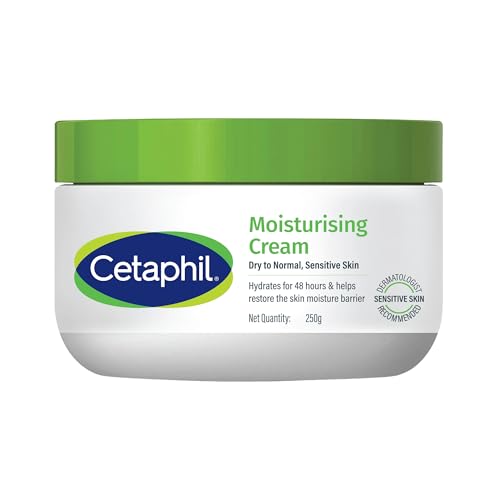
- CETAPHIL FACE & BODY MOISTURIZING CREAM FOR DRY TO VERY DRY SKIN: Instantly replenishes, intensely nourishes and soothes…
- INTENSE AND LASTING 48-HOUR HYDRATION: Enriched with sweet almond oil and vitamin E, it is clinically proven to instantl…
- CLINICALLY PROVEN TO RESTORE SKIN’S MOISTURE BARRIER: Binds water to the skin, preventing moisture loss to hydrate and p…

- No light Leakage: With the heightened 22 mm adaptive hollow nose bridge, LitBear sleep mask fully fits all nose shapes, …
- Completely Block Light for Side Sleeper: New design of 15° tilt angle ultra-thin sides of the eye mask for sleeping whic…
- Blinking Freely: Deep 12 mm 3D contoured cup eye sockets leave larger space for blinking, maintaining your beautiful eye…

- Transform Your Day In Just 5 Minutes: Build a meaningful nighttime routine with this 5 minute gratitude journal for wome…
- No More Staring At A Blank Page: Journaling doesn’t have to feel intimidating. Unlike a blank notebook, this guided grat…
- Premium Quality Designed For Everyday Use: Crafted with a luxurious vegan leather hardcover, durable perfect binding, ec…

- CULTIVATE MINDFULNESS & POSITIVITY: A daily self-care planner designed to help you slow down, reflect, and create balanc…
- BUILD BETTER ROUTINES & MINDSET: Includes guided goal-setting pages, affirmations, and wellness exercises to improve pro…
- LUXURY FEATURES YOU’LL LOVE: 120gsm thick paper, elastic closure, built-in pockets, pen holder, and 3 sheets of decorati…

- DAILY SELF-CARE CHECK-INS – The Teravon self-care journal includes guided daily pages to record feelings, self-care acti…
- WEEKLY REFLECTION AFTER 7 DAYS – After every 7 daily check-ins, a guided weekly reflection page helps users review their…
- MOOD & HABIT TRACKING PAGES – Designed with mood trackers, habit trackers, and simple wellness check-ins to help organiz…
Glow Journey Tip: Choose products that simplify your evening rather than adding more steps. For acne-prone skin, keep skincare gentle and look for noncomedogenic options.
References
1. American Academy of Dermatology — Acne: Causes
The AAD explains that stress can worsen existing acne, while acne itself has multiple contributing factors.
American Academy of Dermatology — Acne: Causes
2. American Academy of Dermatology — Acne: Tips for Managing
Helpful guidance on gentle cleansing, avoiding irritation, and choosing products appropriate for acne-prone skin.
American Academy of Dermatology — Acne: Tips for Managing
3. CDC — About Sleep
The CDC provides recommendations and general information about sleep duration and healthy sleep habits.
4. Sleep and Cortisol Rhythms — Review
This review discusses the relationship between sleep and the body’s cortisol rhythm, including the normal daily variation in cortisol levels.
PubMed Central — Sleep and Cortisol Rhythms Review
5. American Academy of Dermatology — Acne Treatment
Useful for readers who want to understand when acne may need more than lifestyle and skincare changes.
American Academy of Dermatology — Acne Treatment