
Acne is one of the most common skin conditions in the world, affecting millions of people of all ages. While acne is often associated with teenagers and puberty, it can also affect adults, children, and even infants. From occasional pimples to severe cystic acne, this skin condition can have a major impact not only on appearance but also on emotional well-being and self-confidence.
Many people struggling with acne often ask the same question: How can I get rid of pimples and prevent acne from coming back? The answer depends on understanding the causes of acne, choosing the right treatment, and following a consistent skin care routine.
What Is Acne?
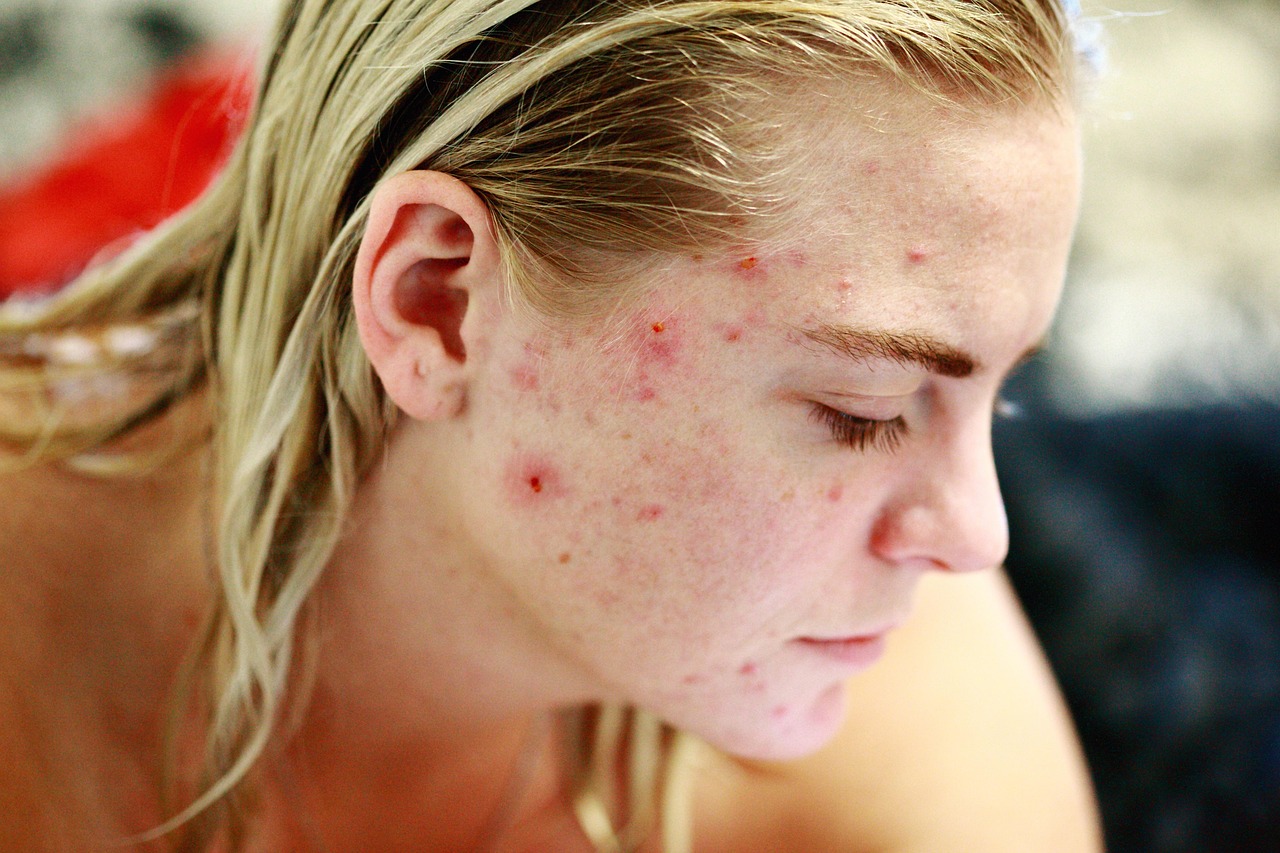
Acne develops when the pores of the skin become clogged with oil, dead skin cells, and bacteria. The skin contains sebaceous glands that produce oil, also known as sebum. When excess oil combines with dirt and dead skin, the pores become blocked, leading to blackheads, whiteheads, pimples, and sometimes painful cysts.
Acne commonly appears on the face, but it can also develop on the neck, shoulders, chest, and back. Some cases are mild, while others may cause inflammation and long-term acne scars if not treated properly.
Common Causes of Acne
There are several factors that can contribute to acne breakouts. Understanding these causes can help you manage your skin more effectively.
Hormonal Changes
Hormonal fluctuations during puberty, menstruation, pregnancy, or stress can increase oil production in the skin, leading to acne.
Excess Oil Production
People with oily skin are more likely to experience clogged pores and frequent breakouts.
Bacteria and Clogged Pores
Bacteria trapped inside blocked pores can trigger inflammation and redness.
Stress
Stress does not directly cause acne, but it can worsen existing breakouts by increasing hormone activity.
Poor Skin Care Products
Heavy makeup, oily cosmetics, and low-quality skin care products may clog pores and irritate the skin.
Diet and Lifestyle
Although diet alone may not cause acne, excessive sugar, processed foods, and unhealthy habits may contribute to inflammation and breakouts in some individuals.
Different Types of Acne
Acne can appear in several forms:
- Blackheads – Open clogged pores exposed to air
- Whiteheads – Closed clogged pores beneath the skin
- Papules – Small red inflamed bumps
- Pustules – Pimples filled with pus
- Nodules and cysts – Deep, painful acne that may leave scars
Severe acne often requires professional treatment to avoid permanent skin damage.
Effective Acne Treatments
There is no single cure that works for everyone, but many treatments can significantly improve acne and reduce breakouts.
Over-the-Counter Acne Products
Mild acne may respond well to cleansers, acne creams, toners, and moisturizers designed for acne-prone skin.
Ingredients commonly used include:
- Salicylic acid
- Benzoyl peroxide
- Retinoids
- Sulfur-based treatments
Prescription Medications
For moderate to severe acne, doctors may prescribe:
- Oral antibiotics
- Topical antibiotics
- Hormonal treatments
- Prescription retinoids
These treatments help reduce bacteria, inflammation, and oil production.
Professional Acne Treatments
Chemical Peels
Chemical peels remove dead skin cells and help improve acne scars and skin texture.
Microdermabrasion
This treatment exfoliates the top layer of skin, revealing fresher and smoother skin underneath.
Laser and Light Therapy
Laser treatments and Intense Pulsed Light (IPL) therapy target acne-causing bacteria and reduce inflammation.
Acne Facials
Professional facials deeply cleanse pores, remove impurities, and improve overall skin health.
Natural and Holistic Acne Remedies
Some people prefer natural approaches to acne care. Certain treatments containing vitamin A derivatives may help prevent clogged pores and encourage healthy skin renewal. However, natural remedies can still cause irritation or dryness, so it is important to test products carefully.
Popular natural acne remedies include:
- Aloe vera
- Tea tree oil
- Honey masks
- Green tea extracts
5 Simple Tips to Prevent Acne
Preventing acne is often easier than treating severe breakouts later. Here are some simple acne prevention tips:
1. Cleanse Your Face Regularly
Use a gentle facial cleanser to remove excess oil, dirt, and bacteria without over-drying the skin.
2. Exfoliate Weekly
Facial scrubs and exfoliators help remove dead skin cells that can clog pores.
3. Use Non-Comedogenic Products
Choose makeup and skin care products labeled “non-comedogenic” to avoid blocked pores.
4. Moisturize and Protect Your Skin
Hydrated skin is healthier skin. Use a lightweight moisturizer and apply sunscreen daily.
5. Eat a Balanced Diet
A healthy diet rich in fruits, vegetables, vitamins, and water may help support clearer skin.
The Emotional Impact of Acne
Acne is more than just a cosmetic issue. Many people experience anxiety, embarrassment, and low self-esteem because of their skin condition. Teenagers especially may struggle socially and emotionally due to acne breakouts.
Seeking proper treatment early can help prevent both physical scarring and emotional stress. Remember that acne is extremely common, and effective treatments are available for most skin types and conditions.
Acne can be frustrating and difficult to manage, but understanding its causes and treatment options is the first step toward healthier skin. Whether you are dealing with mild pimples or severe acne breakouts, maintaining a proper skin care routine and seeking professional advice when necessary can make a significant difference.
Consistency, patience, and the right skin care products are essential for improving acne and preventing future breakouts. With proper care, clearer and healthier skin is possible.
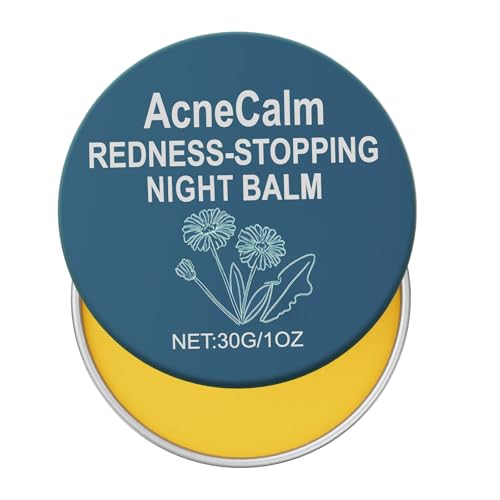
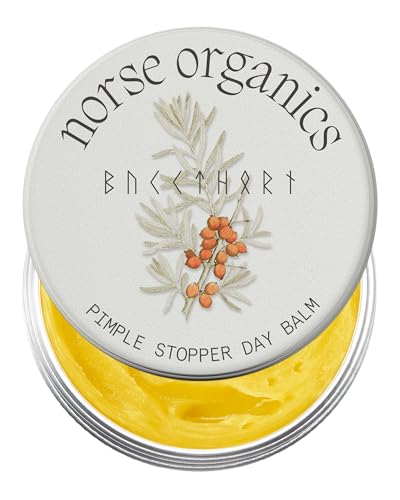
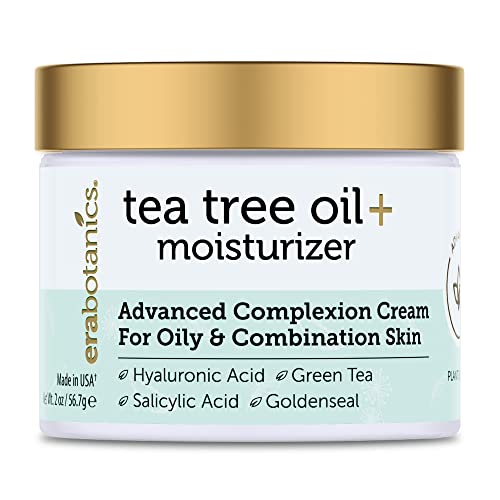
Recommended Products for Acne
Disclosure: As an Amazon Associate, I earn from qualifying purchases. We only recommend products that we believe offer value to our readers. Learn more.


Frequently Asked Questions About Acne
References
- American Academy of Dermatology Association (AAD).Acne: Diagnosis and Treatment. Covers acne diagnosis, topical treatments including retinoids, benzoyl peroxide and salicylic acid, systemic treatments, chemical peels, and other dermatologist-administered procedures. Acne: Diagnosis and Treatment – American Academy of Dermatology
- American Academy of Dermatology Association (AAD).Acne Clinical Guideline. Evidence-based clinical recommendations for acne management, including benzoyl peroxide, topical retinoids, antibiotics, salicylic acid, azelaic acid, hormonal therapies, and isotretinoin. AAD Acne Clinical Guideline
- American Academy of Dermatology Association (AAD).American Academy of Dermatology Issues Updated Guidelines for the Management of Acne. Discusses the 2024 acne treatment guidelines and recommendations for topical, systemic, and combination therapies. Updated Guidelines for Acne Management – AAD
- National Institute of Arthritis and Musculoskeletal and Skin Diseases (NIAMS), National Institutes of Health.Acne. Provides information about how clogged follicles, oil, bacteria, and dead skin cells contribute to acne. Acne Information – NIAMS/NIH
- Mayo Clinic. Acne – Symptoms and Causes. Covers acne symptoms, types of lesions, common locations, scarring, emotional effects, and when professional medical care may be appropriate. Acne: Symptoms and Causes – Mayo Clinic
- American Academy of Dermatology Association (AAD).How to Treat Different Types of Acne. Explains blackheads, whiteheads, pimples, clogged pores, and treatment approaches for different acne lesions. How to Treat Different Types of Acne – AAD
- National Health Service (NHS).About Benzoyl Peroxide. Explains how benzoyl peroxide is used for acne, how it works, typical usage, and possible side effects such as skin irritation. About Benzoyl Peroxide – NHS
agreed with most of this, and even the parts I didn’t made me think