Changing your hair color can be exciting, but many traditional hair dyes contain harsh ingredients such as ammonia, peroxide, and para-phenylenediamine (PPD). According to the American Academy of Dermatology, people with sensitive skin should always perform a patch test before using hair color products. While these chemicals can deliver dramatic color results, they may also leave hair dry, brittle, or prone to scalp irritation.
If you’re searching for a gentler option, natural hair dye may be worth exploring. Made from plant-based ingredients such as henna, indigo, cassia, chamomile, and walnut hulls, natural hair colorants offer more than cosmetic benefits. Many of these ingredients can help strengthen hair, improve shine, and support scalp health while enhancing your natural color.
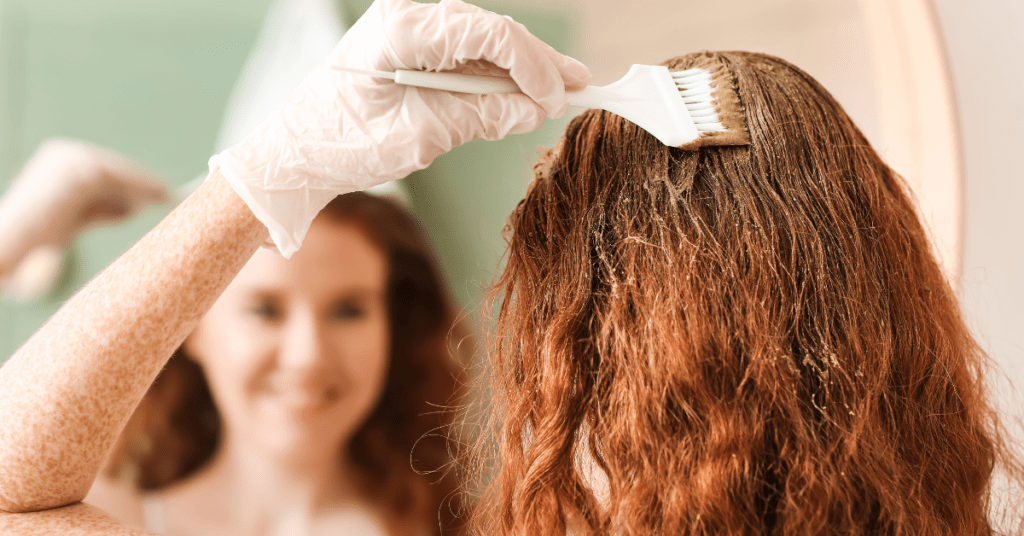
In this guide, you’ll discover the many uses of natural hair dye, its benefits, and practical tips for achieving the best results.
What Is Natural Hair Dye?
Natural hair dye uses pigments derived from plants rather than synthetic chemicals. Unlike conventional dyes that penetrate and alter the hair’s natural pigment, natural dyes typically coat the hair shaft or bond with hair proteins.
This creates softer, more dimensional color while reducing the risk of excessive damage.
Common natural hair coloring ingredients include:
- Henna
- Indigo
- Cassia
- Chamomile
- Walnut hulls
- Amla (Indian gooseberry)
- Hibiscus
- Beetroot
- Neem
Natural Hair Dye Uses for Color Enhancement
Create Rich Reds, Browns, and Blacks with Henna and Indigo
Henna is one of the oldest and most widely used natural dyes. It contains a pigment called lawsone, which binds to keratin in the hair and produces a lasting reddish-orange color.
For darker shades, henna is often combined with indigo.
Depending on the ratio used, you can achieve:
- Copper red
- Auburn
- Medium brown
- Dark brown
- Natural black
Because every hair type reacts differently, performing a strand test before a full application is highly recommended.
Add Depth to Dark Hair with Walnut Hulls
Black walnut hulls contain a natural pigment known as juglone, which can deepen brown hair and add rich chocolate tones.
This treatment works best for:
- Medium brown hair
- Dark brown hair
- Hair with faded color
Results are generally subtle but can enhance overall richness and dimension.
Brighten Blonde Hair Naturally with Chamomile
Chamomile has been used for centuries as a natural hair brightener.
Regular chamomile rinses may:
- Enhance golden tones
- Add shine
- Brighten dull blonde hair
- Refresh light brown shades
While chamomile won’t dramatically lighten hair, it can gradually create a sun-kissed appearance over time.
Can Natural Hair Dye Cover Gray Hair?
Yes—but the process differs from chemical dyes.
Gray hair often requires a two-step application:
Step 1: Apply Pure Henna
Henna creates a warm reddish base that adheres well to gray strands.
Step 2: Apply Indigo
Indigo is applied afterward to transform the orange tones into brown or black shades.
This method creates more natural-looking coverage compared to the flat appearance sometimes associated with conventional dyes.
Hair and Scalp Benefits of Natural Hair Dye
One of the biggest advantages of natural dyes is that they often provide conditioning benefits alongside color.
Strengthen Hair with Tannin-Rich Botanicals
Ingredients such as amla contain natural tannins that may help:
- Smooth the hair cuticle
- Improve shine
- Reduce breakage
- Enhance overall hair strength
Smoother cuticles also help hair retain moisture more effectively.
Soothe an Irritated Scalp
Certain plant-based ingredients are known for their scalp-supporting properties.
Neem
Neem contains natural antimicrobial compounds that may help manage dandruff and minor scalp irritation.
Cassia
Cassia is often referred to as “neutral henna” because it conditions hair without dramatically changing color.
Many people use cassia treatments to:
- Reduce scalp dryness
- Improve softness
- Add shine
While herbal ingredients like neem and cassia have long been used in traditional hair care, it is important to understand that scientific evidence varies. The National Center for Complementary and Integrative Health (NCCIH) provides research-based information about herbal products and their potential benefits.
Improve Moisture Retention and Gloss
Unlike chemical dyes that may leave hair porous, natural treatments can help seal the cuticle.
Benefits include:
- Increased shine
- Better moisture retention
- Reduced frizz
- Improved curl definition
This makes natural dyes particularly appealing for dry, curly, or damaged hair.
Using Natural Hair Dye for Hair Maintenance
Natural colorants aren’t only for major color transformations.
Refresh Faded Hair Color
A light henna gloss or cassia treatment can:
- Revive dull color
- Add shine
- Extend time between salon appointments
Many people use these treatments as a low-maintenance way to keep hair looking healthy.
Tone Brassy Hair Naturally
Plant-based rinses can help balance unwanted tones.
Examples include:
- Diluted indigo rinses for orange or red undertones
- Hibiscus rinses for enhancing red shades
- Beetroot rinses for temporary warm tones
These methods offer a gentle alternative to frequent chemical toners.
Why Some People Choose Natural Hair Dye
Avoid Harsh Chemical Ingredients
Many individuals switch to natural dyes because of concerns about sensitivity to ingredients such as PPD.
Plant-based alternatives may reduce exposure to:
- Ammonia
- Peroxide
- Synthetic fragrance
- PPD
However, natural products can still trigger allergic reactions. Always perform a patch test before use.
How to Choose High-Quality Natural Hair Dye
Not all products labeled “natural” are truly chemical-free.
When shopping, look for:
✔ Body Art Quality (BAQ) Henna
✔ Ingredient lists with only plant powders
✔ Third-party testing when available
✔ Reputable suppliers
Avoid products labeled “black henna,” as they may contain harmful additives.
Preparing Natural Hair Dye for Best Results
Henna Preparation
For optimal dye release:
- Mix henna powder with an acidic liquid.
- Use lemon juice, hibiscus tea, or apple cider vinegar.
- Allow the mixture to rest for several hours before application.
Indigo Preparation
Indigo should be:
- Mixed with warm water.
- Applied immediately after mixing.
- Used fresh for maximum effectiveness.
Proper preparation significantly improves color results and longevity.
How Long Does Natural Hair Dye Last?
Natural hair dye generally lasts longer than temporary color products.
Results vary based on:
- Hair porosity
- Hair texture
- Washing frequency
- Product quality
Unlike conventional dyes, natural color tends to fade gradually, creating less noticeable regrowth lines.
Natural hair dye offers a unique combination of beauty and hair care benefits. Whether you’re looking to cover grays, deepen your natural color, improve shine, or avoid harsh chemicals, plant-based colorants provide a gentler alternative to conventional dyes.
With proper preparation and quality ingredients, natural hair coloring can become more than a cosmetic routine—it can be part of a healthier approach to hair and scalp care.
By choosing natural options, you’re not only enhancing your appearance but also supporting stronger, healthier-looking hair over time.
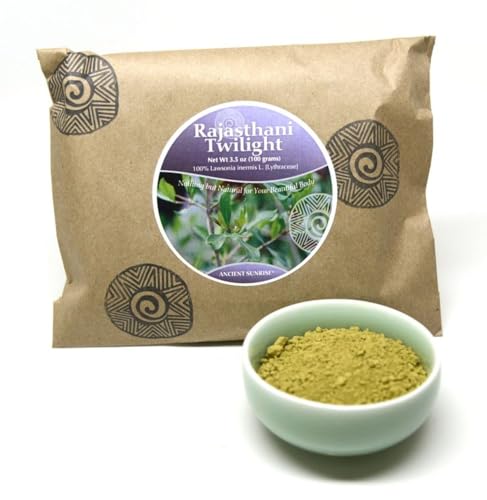
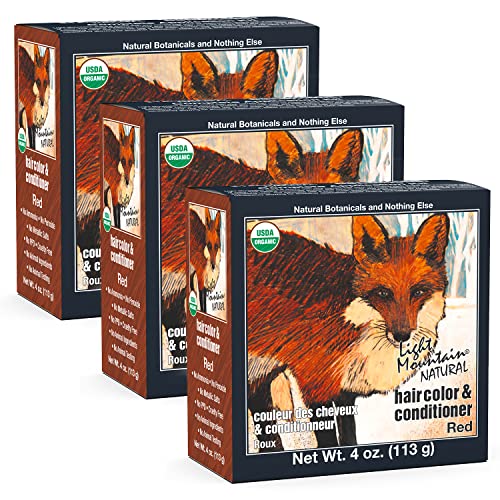
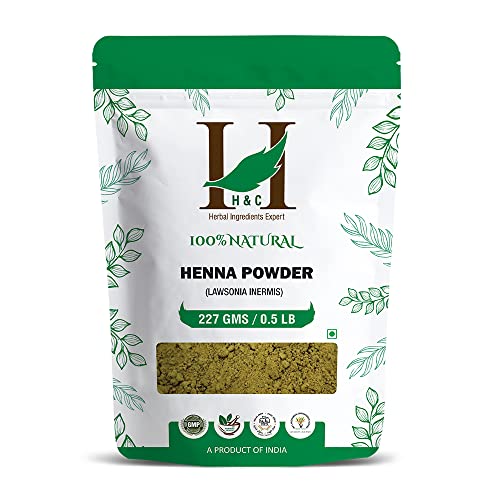
Recommended Products for Natural Hair Dye
Disclosure: As an Amazon Associate, I earn from qualifying purchases. We only recommend products that we believe offer value to our readers. Learn more.


Frequently Asked Questions About Natural Hair Dye
References
- U.S. Food and Drug Administration (FDA). Cosmetics Safety Q&A: Hair Dyes. FDA – Cosmetics Safety Q&A: Hair Dyes
- U.S. Food and Drug Administration (FDA). Allergens in Cosmetics. FDA – Allergens in Cosmetics
- Yusuf, M., et al.Recent Advancements in Natural Plant Colorants Used for Hair Dye Applications: A Review. PubMed Central – Review of Natural Plant Colorants for Hair Dye
- DermNet New Zealand. Paraphenylenediamine and Hair Dye Contact Allergy. DermNet – PPD and Hair Dye Allergy
- U.S. Food and Drug Administration (FDA).Cosmetic Ingredients. FDA – Cosmetic Ingredients
- Hair Dye Ingredients and Potential Health Risks from Exposure to Hair Dyeing. International Journal of Environmental Research and Public Health. PubMed Central – Hair Dye Ingredients and Potential Health Risks
- Effect of Neem Leaf Paste Application on Dandruff.PubMed. PubMed – Neem Leaf Paste and Dandruff Study