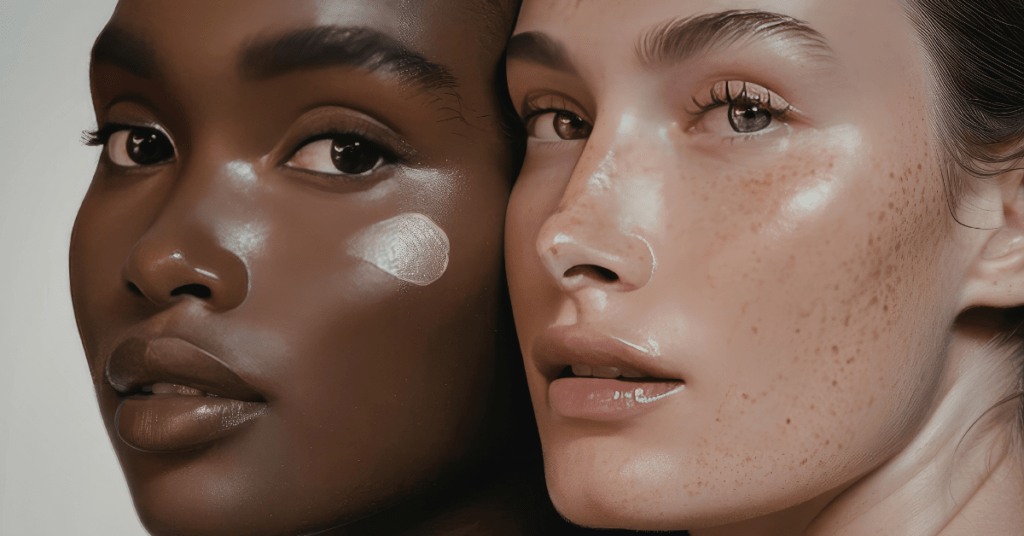
A flattering hair color can make your skin look brighter, smoother, and more rested. The wrong shade may draw attention to redness, dullness, or a yellow cast. The best hair color that matches your skin tone depends on more than whether your complexion is fair, medium, or deep. Your undertone, natural hair color, eye color, hair health, and upkeep routine all matter.
This guide covers warm, cool, neutral, and olive undertones. You’ll learn how to find your undertone, choose shades that enhance your glow, avoid common color mistakes, and pick salon or at-home options that fit your style.
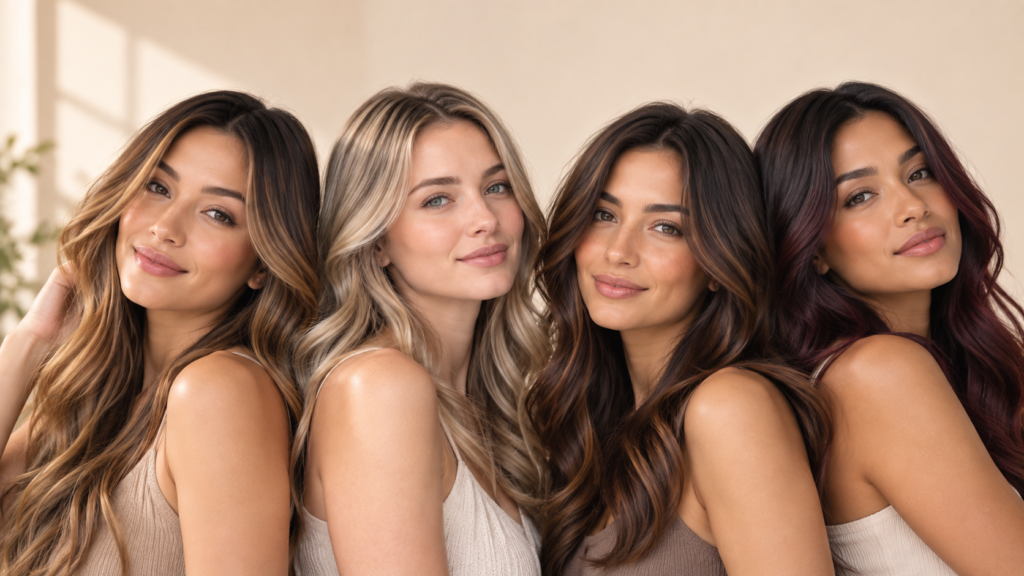
Identify Your Undertone Before Choosing Hair Color
Your skin tone describes how light or deep your complexion looks. Your undertone is the subtle color beneath the surface. Two people with medium skin can have warm, cool, neutral, or olive undertones, so the same hair color may look different on each person.
Use Veins, Jewelry, and Natural Light
Look at the veins on your wrist in natural daylight. Green-looking veins often suggest warm undertones, while blue or purple veins may suggest cool undertones. If you see both, you may have neutral undertones.
Gold jewelry often suits warm skin, while silver may look better on cool skin. If both metals look natural, your undertone may be neutral. These tests are useful clues, not fixed rules. Indoor lighting, makeup, tanning, and camera filters can change what you see.
Recognize Warm, Cool, Neutral, and Olive Skin
Warm undertones can look golden, peachy, yellow, or honey-toned. Cool undertones often show pink, rosy, red, or bluish qualities. Neutral skin has a balance of warm and cool tones.
Olive skin can have a green, muted, or slightly gray cast. It may lean warm or cool in different lighting. Olive complexions can react poorly to hair colors that are too yellow, orange, gray, or blue.
Match Temperature First, Then Depth
Choose the hair color’s temperature based on your undertone. Then choose its depth based on your skin tone and the amount of contrast you want. A light warm shade may flatter fair warm skin, while a rich caramel or chestnut may better suit a deeper warm complexion.
Find Hair Color That Matches Your Skin Tone
Warm skin usually looks brighter beside colors with golden, red, or orange qualities. The goal is to add warmth without creating too much brassiness. Dimensions often look more natural than one flat shade.
Choose Golden, Honey, and Caramel Shades
Golden blonde, honey blonde, caramel, golden brown, toffee brown, and warm chestnut can reflect light around the face. These shades create a soft, sun-kissed effect without requiring a dramatic change.
Balayage, face-framing highlights, and fine ribbons of color can add warmth in a controlled way. If your hair already pulls orange, ask for a balanced warm formula instead of adding more copper.
Try Copper, Auburn, and Warm Red
Copper, cinnamon, auburn, ginger brown, and terracotta-inspired brunette can bring rich color to warm complexions. Choose soft copper for low contrast or bright copper for a stronger look. Deep auburn gives warmth less intensity.
Red and copper shades often fade faster than brown shades. Use products made for color-treated hair and plan for regular glosses or color refreshes.
Use Ash with Care
Very ashy blonde, blue-black, or gray-based brown can make some warm skin look flat or washed out. A cool toner can still help control unwanted orange or yellow tones after lightning. A professional colorist can reduce brassiness without removing all the warmth that gives your complexion of life.
Choose Hair Colors for Cool Skin Tones
Cool skin often pairs well with shades that have beige, blue, violet, or neutral bases. These colors can balance rosy skin and create a clean, polished contrast. Your natural hair depth and comfort with upkeep will guide the final choice.
Try Ash, Beige, Pearl, or Platinum Blonde
Ash blonde, beige blonde, pearl blonde, icy blonde, and platinum can complement cool undertones. Beige blonde offers a softer look, while platinum creates high contrast and needs more upkeep.
Lightening dark hair to platinum may require several sessions. It can also weaken the hair, especially when the hair has previous color or chemical treatments. The American Academy of Dermatology recommends staying within three shades of your natural color when possible because greater lightening needs stronger peroxide and can cause more damage. See the American Academy of Dermatology’s hair-coloring tips for guidance.
Explore Espresso, Cool Brown, and Blue-Black
Espresso brown, cool mocha, mushroom brown, dark ash brown, and blue-black can create striking contrast. Espresso and cool mocha feel softer than blue-black, which gives a bold, high-impact result.
Blue-black can be difficult to remove or warm up later. Ask for a strand test before choosing it, especially if your hair has old color or lightened pieces.
Balance Cool Skin with Burgundy and Plum
Burgundy, merlot, plum, cranberry, and cool mahogany suit many cool complexions. Their blue or violet tones can complement rosy skin better than bright orange-red shades.
Vivid burgundy and plum may need pre-lightening to show clearly. Semi-permanent color or a tinted gloss offers a lower-commitment way to test these shades first.
Select Flexible Colors for Neutral and Olive Undertones
Neutral skin can often wear both warm and cool hair colors. Olive skin has more specific needs because its muted green or gray cast can make overly bright shades look uneven. Balanced color and soft dimension usually work best.
Use Bronde and Soft Brunette Shades
Bronde, neutral brown, soft chocolate brown, mushroom brown, beige brunette, and dimensional chestnut can suit neutral skin. These shades help prevent the complexion from looking too yellow, pink, or gray.
For olive skin, try neutral brown, muted caramel, soft mocha, or beige brunette. Blended highlights usually look more natural than a single solid color.
Add Face-Framing Highlights
Lighter pieces near the face can brighten your complexion without changing your whole head. Neutral skin may suit beige or honey ribbons. Olive skin can take soft caramel when you want warmth, or mushroom, taupe, and beige pieces for a cooler effect.
Ask your stylist to place the lightest pieces around the cheekbones and jawline. This creates a focused glow while keeping the roots lower maintenance.
Avoid Extreme Yellow, Orange, or Gray
Strong yellow, orange, or red tones may make olive skin look sallow. Very gray or blue-based shades can also drain a muted complexion. Test a strand or use a temporary color before making a major change.
Match Hair Color to Skin Depth, Eyes, and Contrast
Undertone guides the color family, but skin depth controls how light or dark that color should be. Eye color and personal style help decide whether the result should look soft, blended, or dramatic.
Choose Contrast for Fair and Light Skin
Fair and light skin can suit soft beige blonde, honey blonde, light ash brown, strawberry blonde, and light copper. Very dark brown or black can create bold contrast and may highlight facial redness or shadows.
A slightly darker root, soft lowlights, or a blended shadow can make light hair look more natural. Choose a high-contrast shade when you want a sharper, more dramatic appearance.
Add Rich Dimension to Medium and Tan Skin
Caramel brown, chestnut, warm mocha, copper brown, golden bronde, and deep auburn can complement medium and tan skin. Blended shades often look richer than one flat color.
Balayage and lived-in highlights add movement while reducing the need for frequent root appointments. Choose warm tones for glowing, or neutral mocha and beige for a softer finish.
Complement Deep and Rich Skin Tones
Espresso, dark chocolate, burgundy, plum, copper, golden brown, and blue-black can look rich against deep skin. Saturated shades create elegant harmony or clear contrast without appearing pale or chalky.
Brown eyes pair well with chocolate, caramel, chestnut, copper, and espresso. Blue eyes can stand out beside ash blonde, beige, cool brown, copper, or auburn. Green and hazel eyes often look brighter with bronze, warm brown, golden, auburn, and copper tones.
Choose a Technique That Protects Your Glow
Use Balayage for Soft Dimension
Balayage adds hand-painted-looking lightness and usually grows out more softly than all-over color. Warm skin may suit honey or caramel, while cool skin can try beige or mushroom tones. The result depends on your starting color and how much lift your hair needs.
Try Highlights, Lowlights, or a Gloss
Highlights brighten the face and add movement. Lowlights restore depth when hair looks too light or flat. Face-framing pieces can create visible brightness without coloring every strand.
A gloss can boost shine and refresh tone with less commitment than permanent color. Toners refine unwanted yellow, orange, or red tones after lightening. Temporary and semi-permanent color can help you test copper, burgundy, or darker brunette shades.
Plan for Hair Health and Maintenance
Use color-safe products, cooler water when practical, and less heat styling. Protect colored hair from chlorine, strong sun, and long periods outdoors. The AAD warns that sun exposure can leave colored hair dry, rough, faded, and brittle.
For at-home color, follow the package directions and perform the required patch test every time. The U.S. Food and Drug Administration’s hair-dye safety checklist advises patch testing before each use because sensitivities can develop even after earlier trouble-free applications.
Avoid Hair-Color Mistakes That Dull Your Complexion
Do Not Trust One Photo
Filters, makeup, indoor light, and editing can change how a shade appears. Review color photos in natural light and choose examples with a similar starting hair color and skin undertone. Bring several reference photos to a colorist.
Consider Your Starting Hair Color
The same formula can look different on blonde, light brown, dark brown, and previously colored hair. Artificial color usually cannot lighten previously colored hair reliably. Major lightning, bleach, or color correction needs professional guidance.
Correct Brassiness Without Over-Toning
Purple products help reduce yellow tones, while blue products can help counter orange tones. Green-based products may help with red tones, but the wrong choice can make hair muddy or overly cool. Follow the product directions and stop once the tone looks balanced.
Frequently Asked Questions
Recommended Products for Color-Treated Hair
The right products can help keep color-treated hair looking vibrant, shiny, and healthy. Here are a few options to help protect your color, maintain your chosen tone, and care for your hair between salon visits.
Disclosure: As an Amazon Associate, I earn from qualifying purchases. We only recommend products that we believe offer value to our readers. Learn more.

- Acidic Color Gloss Shampoo is a revolutionary sulfate-free shampoo that extends color, conditioning and salon-like shine…
- Sulfate-Free Shampoo: intense molecular-level shine for +76% shinier hair when using the Acidic Color Gloss Shampoo and …
- Sulfate-free Conditioner: Revolutionary color-care collection that helps to extend color and enhance conditioning and sa…

- Heat Protectant Serum: Moisturizes, reduces porosity, and protects color-treated hair from damage caused by external ele…
- Benefits: Moisturizes to reduce frizz from color damage and protects from heat up to 450ºF. Restores intense softness an…
- Additional Benefits: Formulated with Lactic Acid (an Alpha-Hydroxy-Acid, or AHA), Centella Asiatica, and Vitamin E, whic…
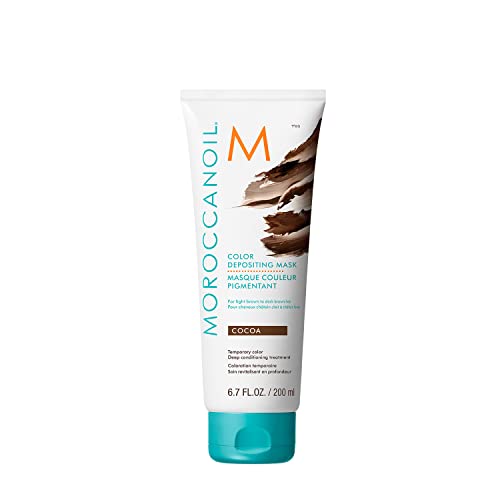
- Rich treatment benefits
- Instantly increases softness
- Adds rich, chocolatey tones to brunette hair
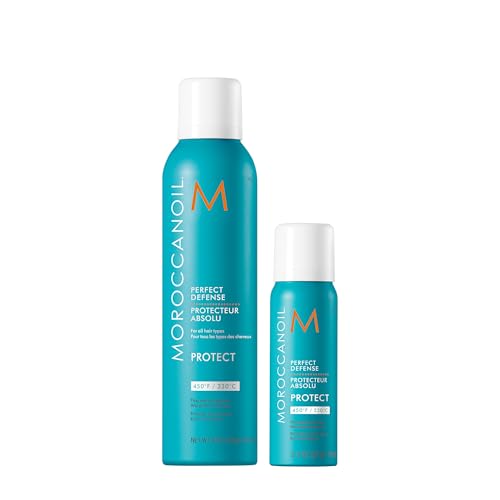
- A bundle featuring full and travel-sized versions of our weightless, dry aerosol heat protectant mist that protects agai…
- Suitable for use on both damp and dry hair.
- Weightless, no-hold spray blends seamlessly into any existing styling regimen to protect hair from hot tools.
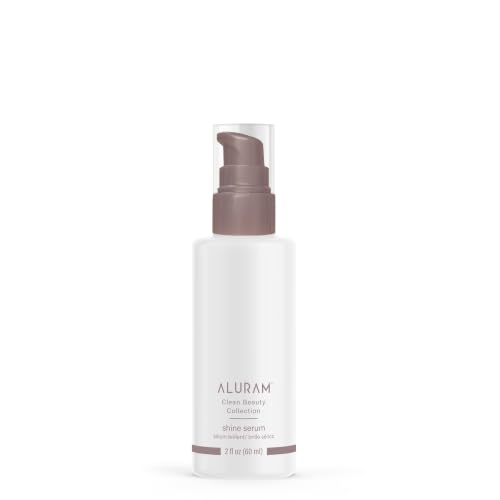
- Instant Shine & Frizz Control: Infuses each strand with a nourishing blend of coconut and jojoba oil for a healthy, vibr…
- Moisture Replenishment: Hydrates with essential oils, promoting soft, manageable hair
- Perfect Preparation: Reduces drying time and offers thermal protection, perfect for styling prep.
Conclusion: Choose Color That Reflects Your Undertone and Style
The best hair color that matches your skin tone starts with your undertone, then considers skin depth, contrast, eye color, and upkeep. Warm skin often suits honey, caramel, golden brown, copper, and warm auburn. Cool skin can shine with ash blonde, espresso, cool brown, burgundy, and plum. Neutral skin has room for bronde, beige, neutral brown, and balanced blends, while olive skin benefits from careful brunette, mushroom, caramel, beige, and muted copper tones.
Check your undertone in natural light, gather realistic reference photos, and test bold shades before committing. Choose balayage, highlights, glosses, or temporary color when you want a lower-maintenance trial. For major lightening or color correction, book a professional consultation first.
References
- American Academy of Dermatology Association.Coloring and perming tips for healthier-looking hair. The AAD recommends staying within three shades of your natural hair color when possible and provides guidance for reducing damage from coloring and lightening. American Academy of Dermatology – Hair Coloring and Perming Tips
- American Academy of Dermatology Association.How to stop damaging your hair. Dermatologist guidance covering coloring, heat styling, conditioning, swimming, and other practices that can contribute to hair damage. American Academy of Dermatology – How to Stop Damaging Your Hair
- U.S. Food and Drug Administration.Cosmetics Safety Q&A: Hair Dyes. Safety recommendations include following package directions, wearing gloves, rinsing the scalp thoroughly, and performing a patch test each time hair dye is used. FDA – Cosmetics Safety Q&A: Hair Dyes
- U.S. Food and Drug Administration.Hair Dyes. Consumer information covering hair-dye safety, allergic reactions, patch testing, and precautions. FDA – Hair Dyes
- NHS.Hair dye reactions. Information about possible reactions to hair dye, including PPD sensitivity and precautions for reducing the risk of a reaction. NHS – Hair Dye Reactions