Have you ever looked in the mirror and noticed fine lines that seemed to appear overnight? Wrinkles can feel frustrated, especially when they show up earlier than expected. While aging is a natural part of life, many everyday habits and environmental factors can speed up the process and make your skin look older before it is timed.
The good news is that wrinkles are not completely unavoidable. Understanding what causes them can help you protect your skin, slow down premature aging, and maintain a healthier, more youthful glow for years to come.
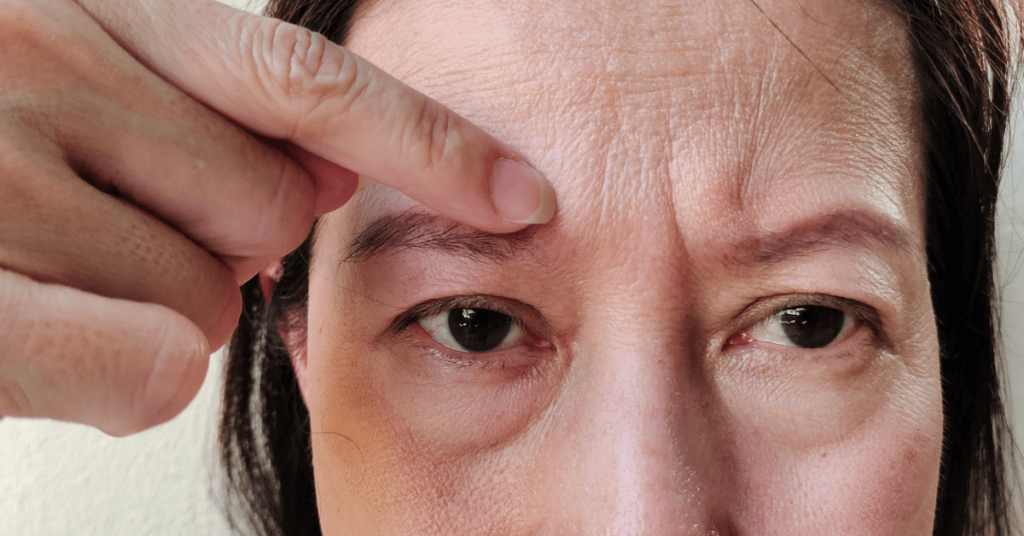
What Causes Wrinkles?
Wrinkles develop when the skin loses its ability to stay firm, smooth, and hydrated. Several factors contribute to this process, and many of them are connected to lifestyle choices and environmental exposure.
1. Loss of Collagen and Elastin
Collagen and elastin are proteins that keep your skin firm, plump, and flexible. When you are young, your body naturally produces enormous amounts of these proteins, which is why youthful skin appears smooth and tight.
As you age, collagen production slows down. The skin becomes thinner and less elastic, making fine lines and wrinkles more noticeable. This is also why skin may begin to sag around the cheeks, jawline, and eyes.
For example, someone in their early twenties may recover quickly from dry skin or sun exposure, while mature skin often takes longer to heal and retain moisture.
2. Free Radical Damage
Free radicals are unstable molecules caused by pollution, UV rays, cigarette smoke, stress, and unhealthy diets. These molecules damage healthy skin cells through a process called oxidative stress.
Over time, free radicals weaken collagen fibers and accelerate skin aging. This can lead to:
- Fine lines and wrinkles
- Dull-looking skin
- Dryness
- Dark spots
- Uneven skin texture
Spending too much time under the sun without sunscreen is one of the biggest causes of free radical damage. Even daily exposure while commuting or running errands can slowly affect your skin over the years.
3. Low Hyaluronic Acid Levels
Hyaluronic acid is a naturally occurring substance that helps your skin retain moisture. Think of it as your skin’s hydration reservoir.
As hyaluronic acid levels decrease with age, the skin loses moisture and volume. This makes wrinkles and fine lines appear deeper and more visible.
Dry skin can also make your complexion look tired and rough, even if you are getting enough sleep.
How to Prevent Wrinkles at an Early Age
While no one can stop aging completely, healthy habits can significantly slow down the appearance of wrinkles.
Protect Your Skin from Sun Damage
Sun exposure is one of the leading causes of premature aging. UV rays break down collagen and increase the production of free radicals.
To protect your skin:
- Apply sunscreen daily
- Wear sunglasses with UV protection
- Use hats or umbrellas outdoors
- Avoid direct sunlight during peak afternoon hours
A simple habit like using sunscreen every morning can eventually make an enormous difference.
Avoid Smoking and Secondhand Smoke
Smoking reduces blood circulation to the skin and damages collagen and elastin. It also increases dryness and causes deeper wrinkles around the mouth and eyes.
Even exposure to secondhand smoke can negatively affect your skin over time.
Use Gentle Skincare Products
Many people think harsh products will make their skin look younger faster, but over-exfoliating and using products with strong alcohol can irritate the skin and speed up aging.
Instead, choose:
- Gentle cleansers
- Hydrating moisturizers
- Products with natural ingredients
- Mild exfoliants used only occasionally
If a skincare product causes redness, burning, or irritation, your skin barrier may be under stress.
Best Natural Ingredients for Wrinkles
When choosing an anti-aging product, it is better to focus on ingredients with research supporting their potential benefits rather than expecting one cream to completely remove wrinkles. No skincare ingredient can guarantee permanently wrinkle-free skin, but certain ingredients may help improve hydration, protect against environmental damage, and reduce the appearance of fine lines over time.
Keratin-Derived Ingredients
Some anti-aging products contain keratin-derived proteins or peptides, including branded ingredients such as Cynergy TK. These ingredients are marketed as helping improve skin hydration, smoothness, and the appearance of wrinkles.
Keratin-derived cosmetic ingredients have been evaluated for safety, but evidence for specific anti-wrinkle benefits varies by formulation. Therefore, it is more accurate to describe them as potentially supportive skincare ingredients rather than claiming that they regenerate collagen or eliminate wrinkles.
CoQ10
CoQ10 is a naturally occurring antioxidant involved in cellular energy production. Levels in the skin can decline with age and environmental stress.
Research suggests that topical CoQ10 may increase CoQ10 levels in the skin and provide antioxidant effects that help protect against oxidative stress. Some research has also reported improvements in skin parameters associated with aging.
Instead of specifically claiming that Nano-Lipobelle H-EQ10 penetrates seven layers of skin, simply discuss CoQ10. Penetration depends heavily on the formulation, and research has specifically identified skin penetration as a challenge for topical CoQ10.
Hyaluronic Acid
Hyaluronic acid is a naturally occurring substance in the skin that helps attract and retain moisture. As skin ages, changes in its natural hyaluronic acid content can contribute to dryness and loss of plumpness. Topical products containing hyaluronic acid can improve hydration, helping the skin appear smoother, softer, and more plump. While it cannot permanently remove wrinkles, regular use may help reduce the appearance of fine lines caused or emphasized by dehydration.
Vitamin C
Vitamin C is an antioxidant that helps protect the skin against oxidative stress caused by environmental factors such as UV exposure and pollution. It also plays an important role in collagen production. When used consistently in a well-formulated topical product, vitamin C may help improve the appearance of photoaged skin, including uneven tone and fine lines. However, vitamin C should complement—not replace—daily sunscreen
Natural Seaweed and Kelp Extracts
Marine ingredients such as seaweed and kelp extracts are commonly included in skincare products because they contain compounds with moisturizing and antioxidant properties.
However, claims that a particular branded kelp extract such as Phytessence Wakame can block hyaluronidase enough to restore hyaluronic acid and create a “totally wrinkle-free” complexion should be avoided unless supported by strong human clinical trials.
Eat Your Way to Healthier Skin
Your diet also affects how your skin ages. Foods high in sugar and processed carbohydrates can contribute to inflammation and collagen damage.
For healthier skin:
- Eat more fruits and vegetables
- Drink enough water daily
- Include healthy fats like avocado and nuts
- Reduce sugary snacks and processed foods
For example, replacing sugary drinks with water or green tea can help support better hydration and skin health over time.
Wrinkles are a natural part of life, but your daily habits play a significant role in how quickly they appear. Sun protection, proper hydration, healthy eating, and gentle skincare can all help maintain smoother and healthier-looking skin.
Instead of searching for overnight miracles, focus on consistent self-care and ingredients that truly support your skin. Small daily choices often create the biggest long-term results.
Healthy, glowing skin is not about looking perfect. It is about taking care of yourself in a way that helps you feel confident at every age.
Recommended Products
Disclosure: As an Amazon Associate, I earn from qualifying purchases. We only recommend products that we believe offer value to our readers. Learn more.


Frequently Asked Questions
References
- American Academy of Dermatology Association (AAD). Wrinkle Remedies: How to Reduce the Signs of Aging.
Covers daily broad-spectrum SPF 30+ sunscreen, moisturizing, tanning avoidance, and other dermatologist-recommended approaches for reducing visible signs of aging.
American Academy of Dermatology – Wrinkle Remedies - National Institute on Aging (NIA). Skin Care and Aging.
Explains how collagen and elastin change with age and discusses UV exposure, wrinkles, dry skin, smoking, and healthy skin-care practices.
National Institute on Aging – Skin Care and Aging - National Institute on Aging (NIA). Tips for Healthier Skin as You Age.
Provides practical recommendations including sun protection, hydration, healthy eating, stress management, avoiding smoking, and regular moisturizing.
NIA – Tips for Healthier Skin as You Age - American Academy of Dermatology Association (AAD). Retinoid or Retinol?
Discusses how retinoids can improve skin-cell turnover, support collagen, and reduce the appearance of fine lines and wrinkles, as well as important precautions for their use.
American Academy of Dermatology – Retinoids and Retinol - Rinnerthaler, M., et al. Oxidative Stress in Aging Human Skin. Biomolecules. 2015;5(2):545–589.
Reviews oxidative stress, UV radiation, reactive oxygen species, collagen changes, hyaluronic acid, and other mechanisms involved in intrinsic and extrinsic skin aging.
PubMed – Oxidative Stress in Aging Human Skin - Chmielewski, R., & Lesiak, A. Mitigating Glycation and Oxidative Stress in Aesthetic Medicine: Hyaluronic Acid and Trehalose Synergy for Anti-AGEs Action in Skin Aging Treatment. Clinical, Cosmetic and Investigational Dermatology. 2024;17:2701–2712.
Reviews advanced glycation end-products (AGEs), oxidative stress, hyaluronic acid, inflammation, and their relationship with skin aging and wrinkles.
PubMed – Glycation, Oxidative Stress and Hyaluronic Acid - Shin, J.W., et al. Molecular Mechanisms of Dermal Aging and Antiaging Approaches. International Journal of Molecular Sciences. 2019;20(9):2126.
Reviews the molecular mechanisms of skin aging, including changes in collagen, elastic fibers, hyaluronic acid, and other components of the dermis.
PMC – Molecular Mechanisms of Dermal Aging - National Institutes of Health, Office of Dietary Supplements. Vitamin C – Health Professional Fact Sheet.
Explains vitamin C’s role in collagen biosynthesis and its function as an antioxidant.
NIH Office of Dietary Supplements – Vitamin C - American Academy of Dermatology Association (AAD). How to Select Anti-Aging Skin Care Products.
Offers dermatologist-backed guidance for choosing sunscreen, moisturizer, and anti-aging products while reducing the risk of irritation from using too many products at once.
AAD – How to Select Anti-Aging Skin Care Products