Most people deal with dry, frizzy, or broken hair at some point. Factors like harsh weather, daily heat styling, and chemical treatments strip your hair of its natural oils. This leaves your locks feeling brittle, dull, and hard to manage. Finding out how to repair dry and damaged hair naturally can seem like a daunting task, but it does not have to be.
You likely feel frustrated when your hair refuses to cooperate or looks lifeless. The good news is that you do not need expensive salon treatments or harsh synthetic chemicals to get your shine back. Mother Nature provides many powerful ingredients that can breathe new life into your strands. By understanding why your hair is damaged and using the right natural remedies, you can restore your hair’s health, bounce, and strength.
This article covers everything you need to know. We will look at the causes of damage, how to spot signs of dryness, and how to use simple ingredients from your kitchen to fix the problem. You will also learn how to change your habits to keep your hair healthy for the long term.
Environmental Aggressors and Lifestyle Factors
Your hair faces constant attacks from the world around you. Even if you do not dye your hair, external elements can still cause significant damage.
Sun, Wind, and Water Exposure
The sun emits UV rays that break down the protein structure of your hair. Over time, these rays bleach your natural color and dry out the hair shaft. Harsh winds also cause physical friction, leading to tangles and breakage. If you swim often, chlorine and saltwater act as sponges, soaking up moisture and leaving your hair parched. Protection is key here; wearing a hat or using a leave-in hair oil can create a barrier against these elements.
Diet and Hydration’s Role
Your hair reflects your overall health. If your body lacks essential nutrients, your hair will be the first place to show it. Deficiencies in iron, zinc, omega-3 fatty acids, and B vitamins often lead to weak, dry hair. Drinking enough water is also vital for your hair health. If you are dehydrated, your hair follicles will not receive the moisture they need to stay flexible and soft. Focus on eating whole foods like salmon, nuts, leafy greens, and berries to support hair growth from the inside out.
According to the Harvard T.H. Chan School of Public Health Healthy Eating Plate, a balanced diet rich in fruits, vegetables, healthy fats, and lean proteins supports overall wellness, including hair health.
Heat Styling and Mechanical Stress
Blow dryers, flat irons, and curling wands use high heat to reshape your hair. This process forces the moisture out of your hair strands, leaving them dry and prone to snapping. Mechanical stress is another silent killer. Brushing your hair too hard when it is wet or wearing tight ponytails pulls on the hair roots. Over time, this causes the hair cuticle to fray, leading to splits and frizz.
Chemical Treatments and Product Overload
Many people turn to chemical changes to refresh their look, but these processes often come at a cost.
The Impact of Coloring and Perming
Bleach, permanent dyes, and perms work by opening up the hair cuticle to change the internal structure. This leaves the hair porous and unable to hold onto moisture. If you color your hair often, the structure becomes weaker with each session. This is why chemically treated hair often feels like a straw. If you want to repair dry and damaged hair naturally, you might consider extending the time between these treatments.
Harsh Sulfates and Silicones
Look at your shampoo bottle. If it contains sodium lauryl sulfate, it is likely stripping your hair of its natural oils. Sulfates create a heavy lather, but they also clean too well. Conversely, some conditioners contain silicones. These ingredients coat your hair to make it feel smooth, but they build up over time. This buildup blocks moisture from getting into your hair, eventually causing it to dry out and look greasy at the same time.
Identifying Signs of Dry and Damaged Hair
It is helpful to know exactly what your hair is telling you. Understanding these signs helps you pick the right treatment.
If hair damage persists despite proper care, it may be worth consulting a dermatologist. The American Academy of Dermatology provides resources on recognizing common hair and scalp concerns.
Visual Cues and Texture Changes
Damaged hair often looks different than healthy hair. If you notice your hair snapping off in your brush, you are dealing with significant brittleness. Split ends are the most common indicator. These occur when the hair cuticle peels away, causing the strand to fray at the bottom. If you see tiny white dots at the end of your hair, that is a sure sign of damage.
Dullness and Lack of Shine
Healthy hair has a smooth cuticle layer that reflects light, giving it a natural shine. When your hair is damaged, the cuticle scales are raised and jagged. These scatters light instead of reflecting it, making your hair look dull and matte. If your hair lacks that glossy finish even after washing, it is a sign that your cuticle layer needs smoothing.
Frizz and Unruliness
Frizz is not just about humidity; it is often a sign of damage. When the hair cuticle is compromised, it becomes porous. It tries to soak up moisture from the air, which causes the hair shaft to swell and frizz. This makes your hair difficult to manage and style, as it loses its natural texture and becomes unpredictable.
The “Feel” of Damaged Hair
Sometimes, the way your hair feels is a better indicator than how it looks.
Rough and Tangled Texture
Run your fingers through your hair. If it feels rough, coarse, or like dry straw, it lacks the necessary oils. Damaged hair also knots easily. Because the cuticle scales are raised, they catch on each other like Velcro. This leads to constant tangling, which creates more damage when you try to comb it out.
Lack of Elasticity
Healthy hair is elastic. If you pull a wet strand, it should stretch and return to its shape without breaking. Damaged hair, however, has lost this structural integrity. If you stretch a strand and it snaps immediately, or if it stretches and does not bounce back, it is weak. This lack of elasticity is a sign that your hair needs protein to rebuild its strength.
Natural Ingredients for Hair Repair
You can often find the best solutions in your kitchen pantry. These ingredients offer deep nourishment without the side effects of synthetic products.
Nourishing Oils and Butters
Oils and butters are the foundation of deep conditioning. Coconut oil is a standout. It is one of the few oils that can actually penetrate the hair shaft instead of just sitting on top. This helps prevent protein loss and seals from moisture. Argan oil and jojoba oil are also fantastic. They are lightweight, mimic the scalp’s natural sebum, and add incredible shine without making hair look oily. For intense repair, shea butter and avocado butter provide high levels of fatty acids that soften and smooth rough cuticles.
Hydrating Fruits and Extracts
Plants hold natural moisture that your hair craves. Aloe vera gel is a miracle worker for dry hair. It contains enzymes that repair dead skin cells on the scalp and acts as a humectant to lock moisture into your strands. Avocado is another powerhouse. It is packed with vitamins A, D, and E, which nourish and strengthen the hair. Honey is a natural humectant as well, meaning it pulls moisture from the air into your hair, making it a perfect addition to any DIY mask.
Protein Powerhouses for Strength
If your hair is broken, it needs protein to fill the gaps in the cuticle. Egg yolks are rich in fats and proteins that condition and strengthen the hair. They provide a temporary patch for broken strands, making your hair feel firmer and more resilient. Yogurt is another great option. It contains lactic acid, which cleanses the scalp, and milk protein, which helps rebuild the hair structure.
DIY Natural Hair Treatments and Masks
You can create salon-quality treatments at home with just a few simple ingredients.
Ultimate Hydration Mask: Step-by-Step Guide
This mask is perfect for hair that feels like a straw.
What You’ll Need
- 2 tablespoons coconut oil
- 1 tablespoon raw honey
- ¼ cup plain yogurt
- Small mixing bowl
- Spoon for mixing
- Shower cap (optional)
Step 1: Gather the Ingredients
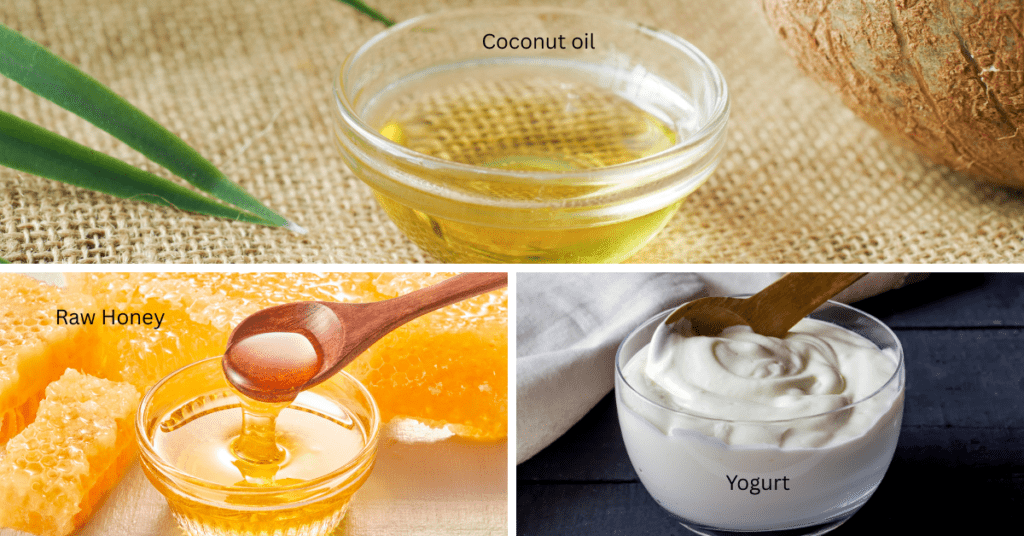
Place the coconut oil, raw honey, and plain yogurt into a clean bowl.
Why these ingredients work:
- Coconut oil helps reduce protein loss and deeply moisturizes hair.
- Honey is a natural humectant that attracts and retains moisture.
- Yogurt contains proteins and nutrients that help strengthen hair strands.
Step 2: Mix Until Smooth
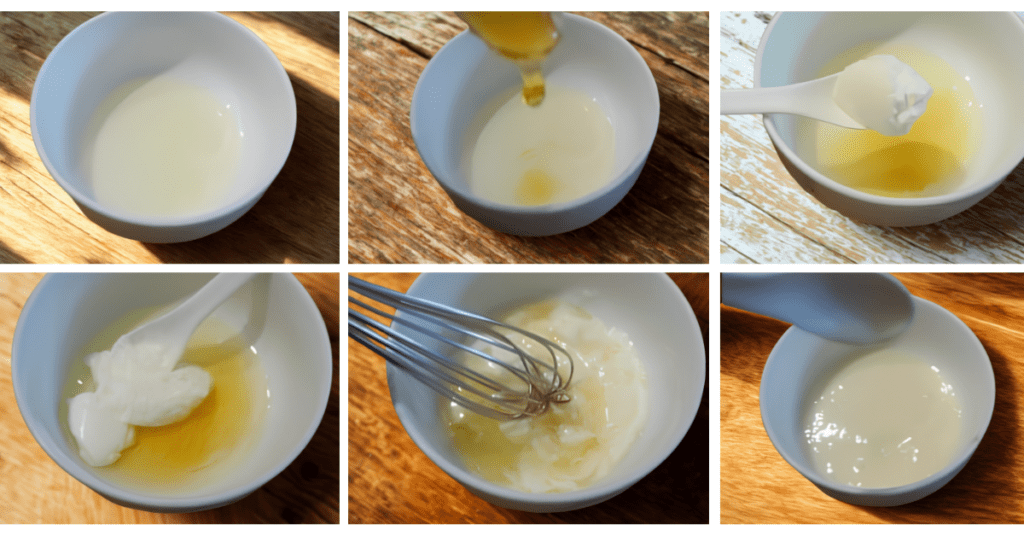
Stir all ingredients thoroughly until you create a smooth, creamy mixture.
Tip: If the coconut oil has solidified, warm it slightly before mixing.
Step 3: Apply to Damp Hair
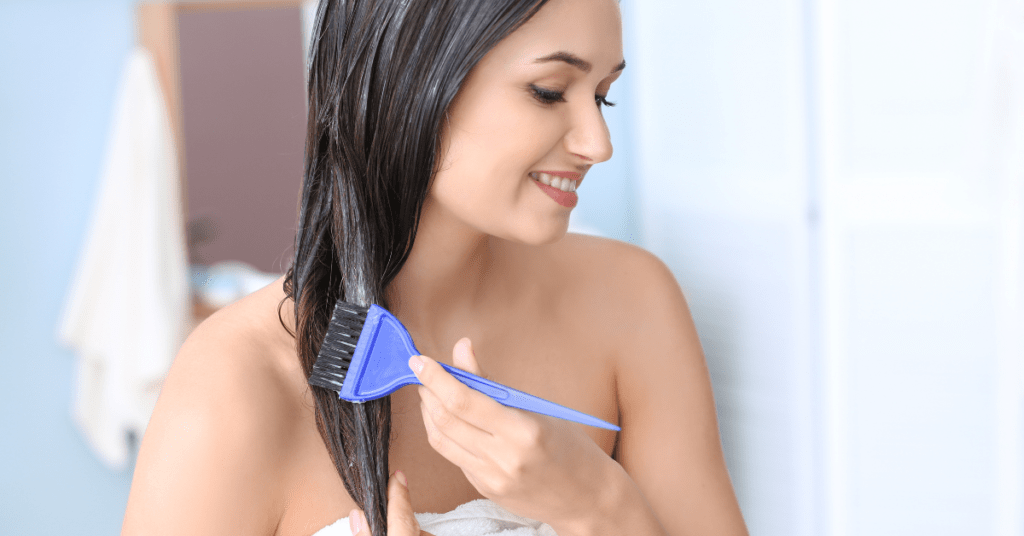
After lightly towel-drying your hair:
- Divide your hair into sections.
- Apply the mask from the mid-lengths to the ends.
- Focus on the driest and most damaged areas.
- Avoid applying too much to the roots if your scalp tends to get oily.
Step 4: Let the Mask Work
Cover your hair with a shower cap or wrap it in a warm towel.
⏱ Leave the mask on for 30 minutes.
This allows:
- Coconut oil to penetrate the hair shaft.
- Honey to draw in moisture.
- Yogurt proteins help strengthen damaged strands.
Step 5: Rinse and Wash
Rinse thoroughly with lukewarm water.
Then:
- Shampoo gently.
- Follow with conditioner if needed.
- Allow your hair to air dry whenever possible.
Expected Benefits
After regular use (1–2 times per week), you may notice:
✅ Softer hair texture
✅ Improved moisture retention
✅ Reduced frizz
✅ Increased shine
✅ Stronger, healthier-looking strands
Strengthening Protein Mask: Step-by-Step Guide
This mask works well if you have a dry, itchy scalp and dry ends.
What You’ll Need
- 1 egg yolk
- 1 tablespoon olive oil
- ½ ripe avocado, mashed
- Small mixing bowl
- Fork or whisk
- Shower cap
Step 1: Prepare the Ingredients
Place the egg yolk, olive oil, and mashed avocado into a bowl.
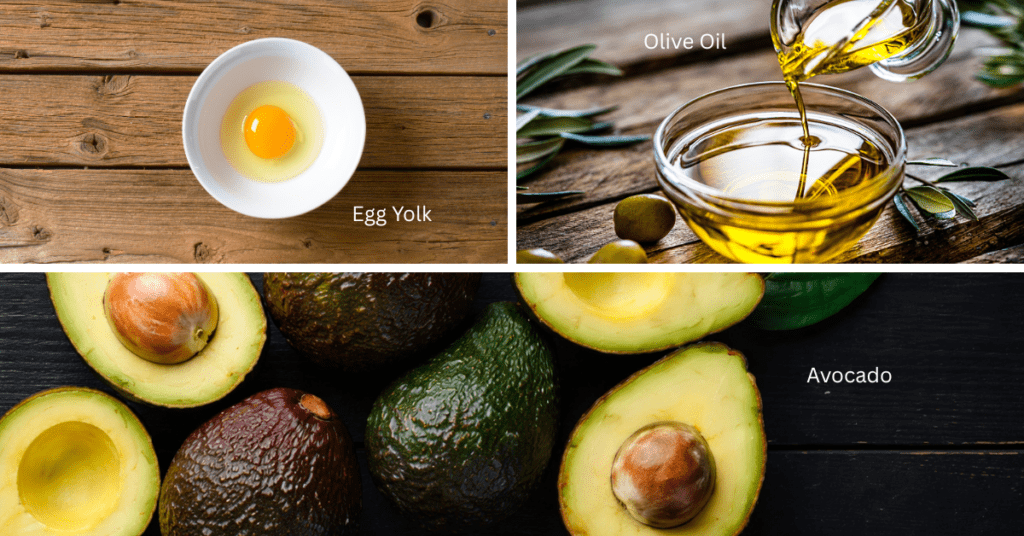
Why these ingredients work:
- Egg yolk provides protein that helps strengthen weak hair strands.
- Olive oil delivers moisture and smooths rough cuticles.
- Avocado contains healthy fats, vitamins, and antioxidants that nourish damaged hair.
Step 2: Mix Until Creamy
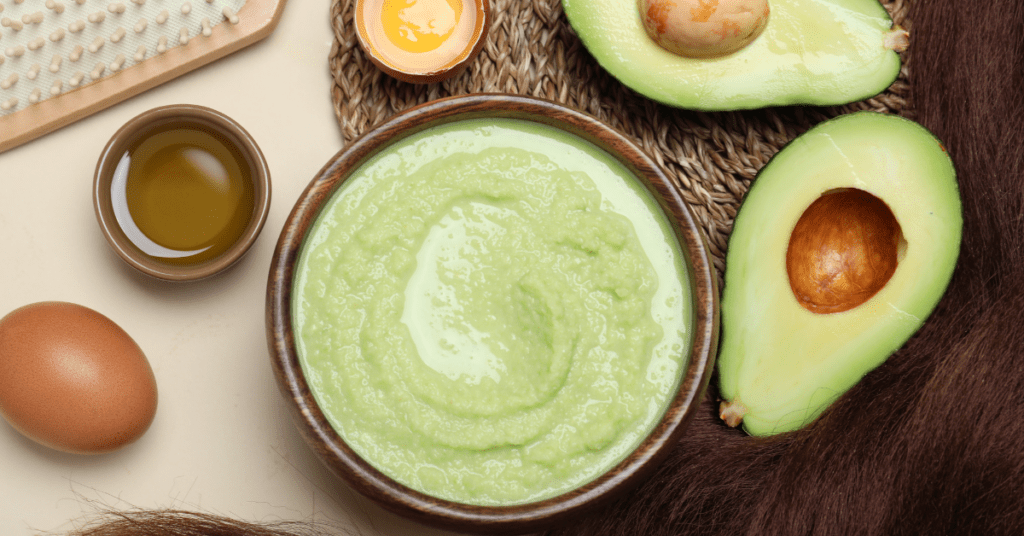
Whisk the ingredients together until the mixture becomes smooth and creamy.
Tip: Mash the avocado thoroughly to prevent chunks from sticking to your hair during rinsing.
Step 3: Apply to Hair
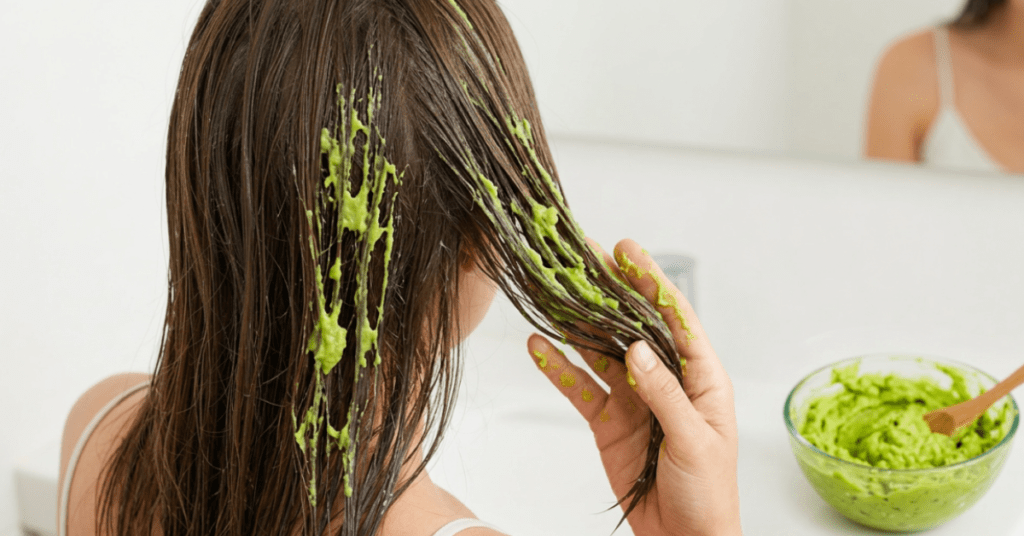
- Start with slightly damp hair.
- Divide hair into sections for easier application.
- Massage the mask through your hair.
- Focus especially on the mid-lengths and ends, where damage is often most noticeable.
Step 4: Cover and Wait
Place a shower cap over your hair to help trap warmth and improve absorption.
⏱ Leave the mask on for 20 minutes.
During this time:
- Protein from the egg helps reinforce weakened strands.
- Avocado nourishes and softens.
- Olive oil helps seal in moisture and reduce brittleness.
Step 5: Rinse Properly
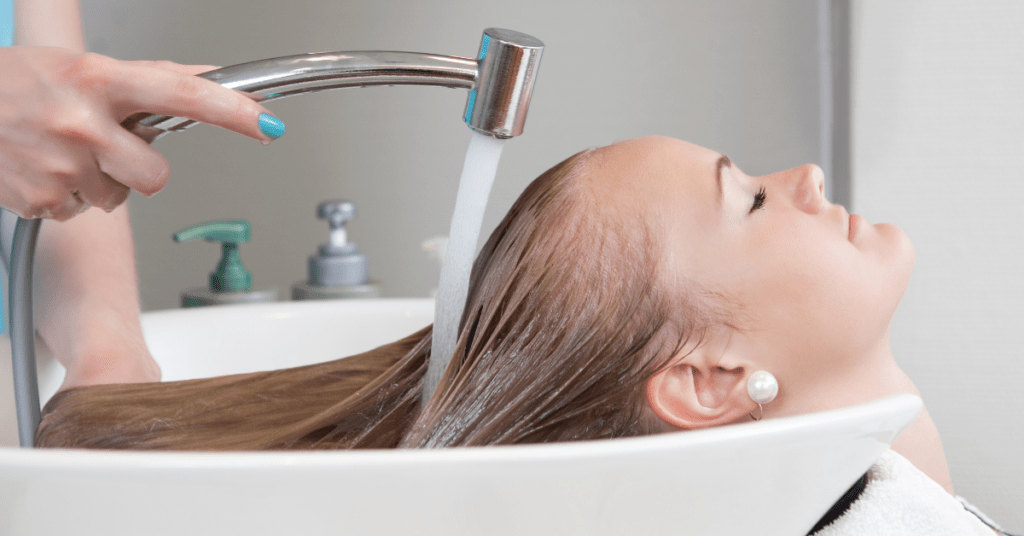
- Rinse thoroughly with cool water.
- Avoid hot water, which can cause the egg to cook and become difficult to remove.
- Follow with a gentle shampoo.
- Condition if needed and allow hair to air dry whenever possible.
Expected Benefits
With regular use (once every 1–2 weeks), this protein-rich mask may help:
✅ Reduce hair breakage
✅ Improve elasticity
✅ Strengthen weak strands
✅ Increase softness and shine
✅ Support healthier-looking hair
Protein treatments are most beneficial for hair that is weak, over-processed, or prone to breakage. If your hair already feels stiff or dry, alternate protein masks with moisturizing treatments to maintain a healthy balance.
Soothing Scalp & Strand Mask: Step-by-Step Guide
This mask works well if you have a dry, itchy scalp and dry ends.
What You’ll Need
- 2 tablespoons aloe vera gel
- 1 tablespoon jojoba oil
- 2 drops lavender essential oil
- Small mixing bowl
- Spoon for stirring
- Shower cap (optional)
Step 1: Gather Your Ingredients
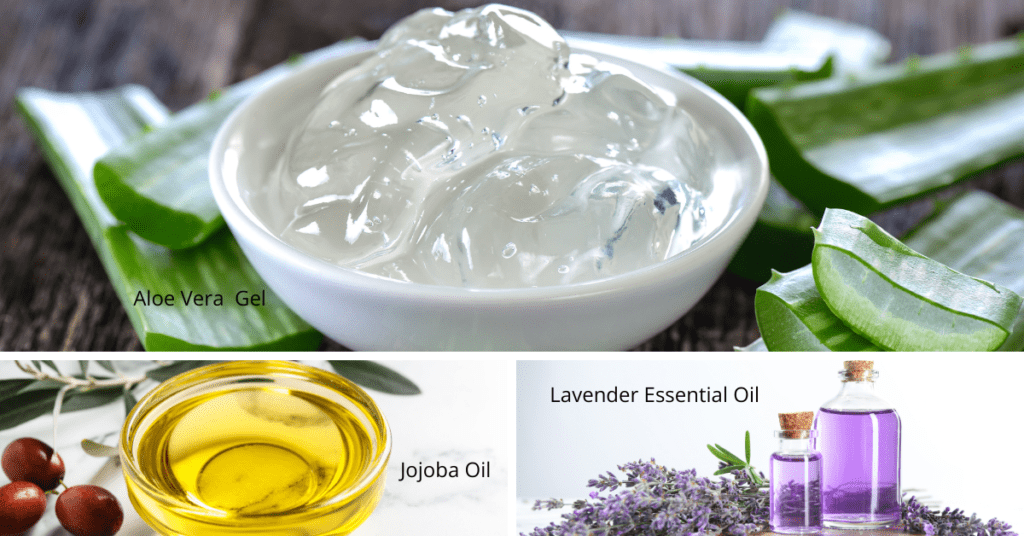
Add the aloe vera gel, jojoba oil, and lavender essential oil to a clean bowl.
Why these ingredients work:
- Aloe vera gel helps soothe scalp irritation and provides lightweight hydration.
- Jojoba oil closely resembles the scalp’s natural oils, helping balance moisture levels.
- Lavender essential oil may help calm the scalp while providing a relaxing aroma.
Step 2: Mix Thoroughly
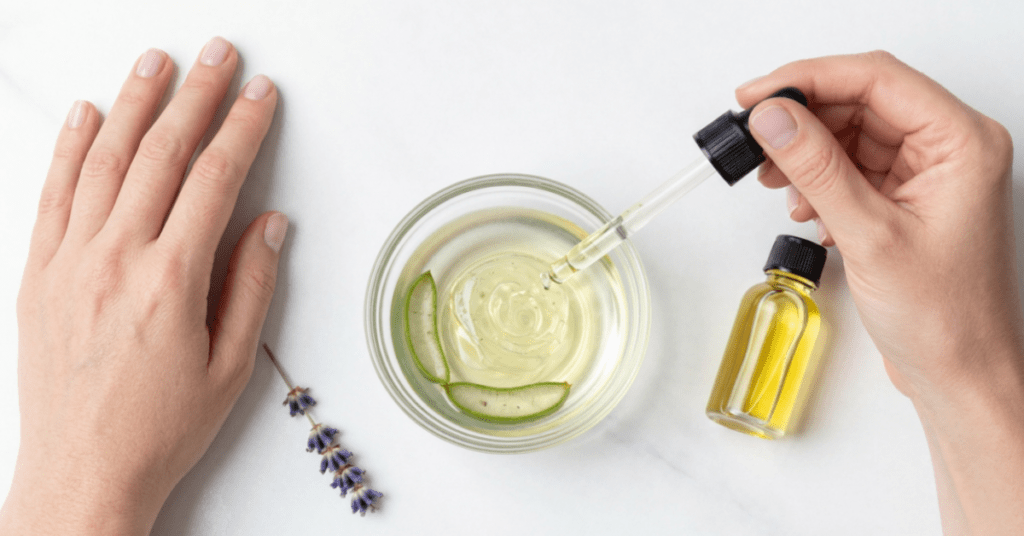
Stir the ingredients until they are well blended and smooth.
Tip: Use pure aloe vera gel without added alcohol or artificial fragrances for the best results.
Step 3: Apply to the Scalp
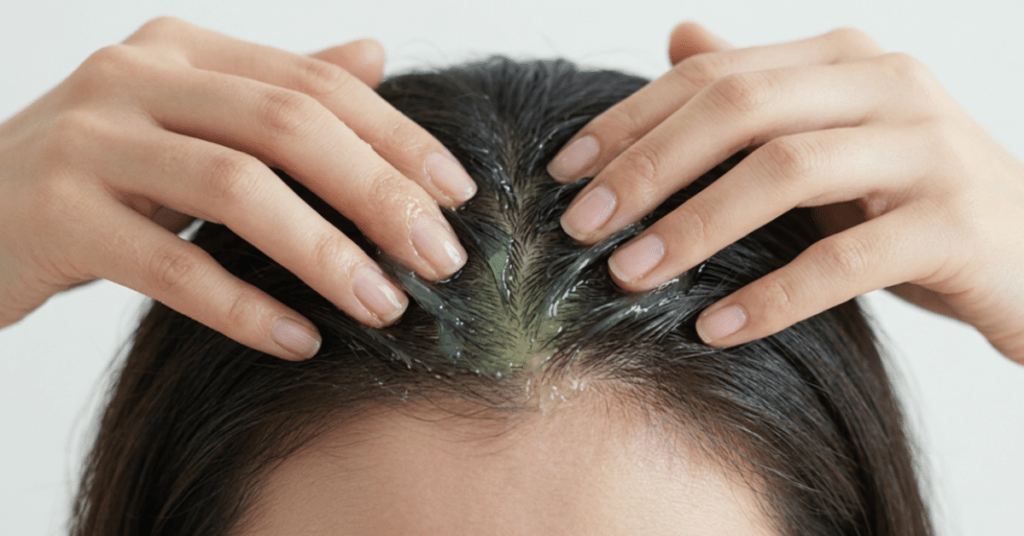
- Start with clean, slightly damp hair.
- Part your hair into sections.
- Gently massage the mixture directly onto your scalp using your fingertips.
- Use circular motions to distribute the mask evenly.
This massage can help improve circulation while ensuring the ingredients reach dry or irritated areas.
Step 4: Work Through the Hair Ends
After treating the scalp:
- Spread the remaining mixture through the mid-lengths and ends.
- Focus on dry, frizzy, or damaged areas.
- Comb gently with a wide-tooth comb for even distribution.
Step 5: Let It Absorb
Cover your hair with a shower cap if desired.
⏱ Leave the mask on for 15 minutes.
During this time:
- Aloe vera helps calm scalp discomfort.
- Jojoba oil moisturizes both the scalp and hair strands.
- Lavender oil provides a soothing, spa-like experience.
Step 6: Rinse and Cleanse
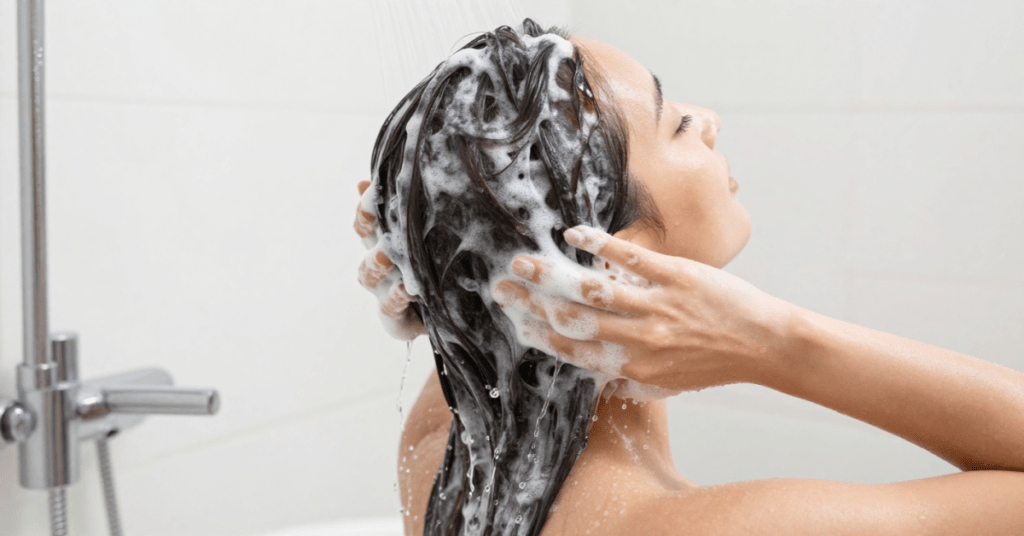
- Rinse thoroughly with lukewarm water.
- Shampoo gently if needed.
- Follow with a lightweight conditioner.
- Allow your hair to air dry whenever possible.
Expected Benefits
With regular use (1–2 times per week), this soothing mask may help:
✅ Relieve scalp dryness and itchiness
✅ Improve moisture balance
✅ Reduce frizz and dryness on hair ends
✅ Promote a healthier scalp environment
✅ Leave hair feeling softer and more manageable
For extra cooling relief, refrigerate the aloe vera gel for 10–15 minutes before mixing the mask. The chilled gel can provide a refreshing sensation for irritated scalps.
Natural Rinses and Tonics
Sometimes you need a lighter touch for frequent maintenance.
Apple Cider Vinegar Rinse for Shine
This rinse is excellent for closing the cuticle after washing. Mix 1 tablespoon of apple cider vinegar with 1 cup of water. After shampooing, pour this mixture over your hair and let it sit for a minute before rinsing with cool water. It balances your hair’s pH and removes product buildup, resulting in a natural, glossy shine.
Rice Water Rinse for Strength
Rice water is an ancient beauty secret. Soak 1/2 cup of uncooked rice in 2 cups of water for 30 minutes. Strain the rice and use the cloudy water as a rinse after shampooing. The amino acids and vitamins in the water help to strengthen the hair shaft and improve elasticity over time.
Preventing Future Dryness and Damage
Repairing your hair is only half the battle; the rest is keeping it healthy.
Gentle Cleansing Practices
Stop washing your hair every single day. Daily washing strips away the natural oils that your hair needs to stay soft. Aim for two or three times a week. When you do wash, use a sulfate-free shampoo and rinse with lukewarm or cool water. Hot water opens the hair cuticle, which causes moisture loss and frizz.
The Art of Detangling
Never rip through knots. Use a wide-tooth comb to gently detangle your hair, starting at the ends and working your way up to the roots. This prevents unnecessary breakage. If your hair is very tangled, apply a little jojoba oil or a leave-in conditioner before you begin brushing to give your comb some “slip.”
Protecting Hair from Heat and Environment
Heat protection is non-negotiable. If you must use a blow dryer, use the lowest heat setting. Better yet, let your hair air dry whenever possible. When you go outside, protect your hair from the sun and wind. Wearing a stylish hat or a headscarf goes a long way to prevent moisture loss.
Lifestyle and Diet for Healthy Hair
Internal health is the foundation of strong, vibrant hair.
Nutritional deficiencies can affect hair growth and strength. The National Institutes of Health Office of Dietary Supplements offers evidence-based information about vitamins and minerals that contribute to healthy hair and overall wellness.
Essential Nutrients for Hair Growth
Make sure your diet is rich in nutrients that support keratin production. Biotin is vital for hair strength. Zinc and iron help keep your hair follicles functioning properly. Omega-3 fatty acids, found in flaxseeds and walnuts, keep your scalp hydrated and your hair shafts lubricated.
The Power of Hydration
Your hair is made of about 25% water. If you are not drinking enough, your hair will look dry and dull. Make it a habit to drink plenty of water throughout the day. If plain water feels boring, add a slice of lemon or cucumber. Your hair will reward your efforts with more shine and less breakage.
Repairing your hair naturally takes patience, but it is worth the effort. By identifying the causes of your hair issues and using these simple, natural ingredients, you can restore your hair to its best state. Consistency is a secret ingredient. Stick to your new routine, protect your strands, and feed your body the nutrients it needs. With time, you will see a transformation that no store-bought chemical product can match. Embrace these natural steps and enjoy the journey to stronger, healthier hair.
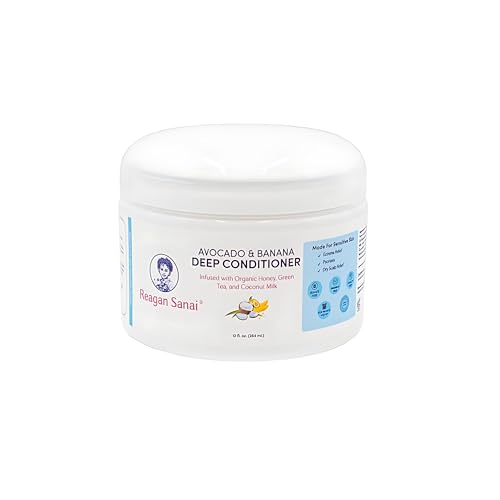
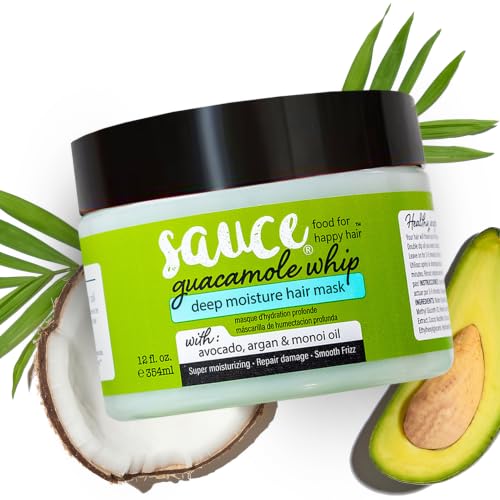
Recommended Products for Dry and Damage Hair
Disclosure: As an Amazon Associate, I earn from qualifying purchases. We only recommend products that we believe offer value to our readers. Learn more.
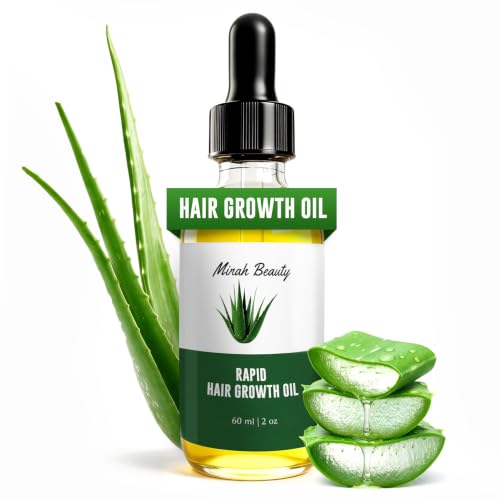
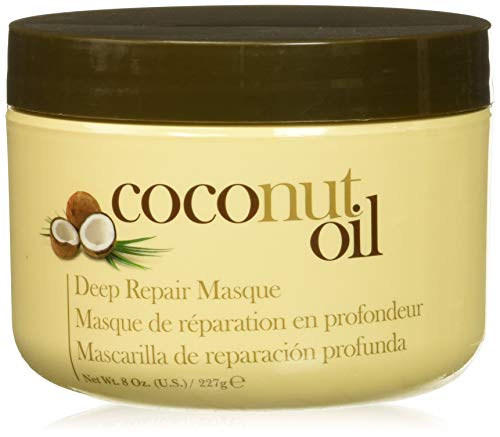
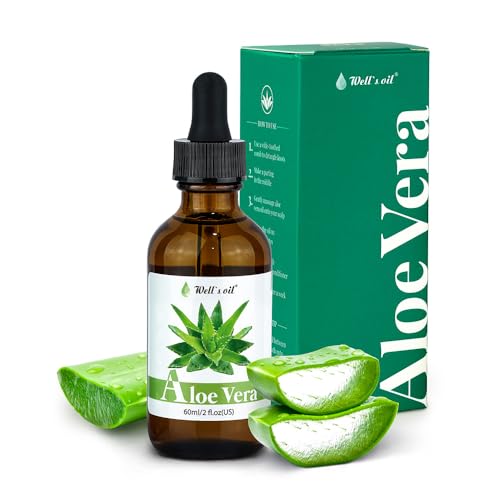
Frequently Asked Questions About Repairing Dry and Damaged Hair Naturally
References
- Gavazzoni Dias, M. F. R. (2015). Hair cosmetics: An overview. International Journal of Trichology, 7(1), 2–15.
Useful for supporting information about the hair shaft, cuticle, shampoos, conditioners, oils, chemical treatments, and mechanisms of hair damage.
Read the study – PubMed Central - reel, A. S., & Mohile, R. B. (2003). Effect of mineral oil, sunflower oil, and coconut oil on prevention of hair damage. Journal of Cosmetic Science, 54(2), 175–192.
This research is particularly relevant to your discussion of coconut oil. Research summarized in the scientific literature indicates that coconut oil can penetrate the hair shaft and reduce protein loss in damaged and undamaged hair. - Bolduc, C., & Shapiro, J. (2001). Hair care products: Waving, straightening, conditioning, and coloring. Clinics in Dermatology, 19(4), 431–436.
Helpful background for explaining how cosmetic and chemical processes can alter the hair shaft and contribute to damage. - American Academy of Dermatology Association. Hair care resources.
A reliable dermatology resource for information about healthy hair-care practices and recognizing hair and scalp problems. Your article also recommends consulting a dermatologist when persistent hair damage or scalp concerns occur.
American Academy of Dermatology - Harvard T.H. Chan School of Public Health. Healthy Eating Plate. The Nutrition Source.
Supports your article’s broader recommendation to consume a balanced diet containing vegetables, fruits, healthy protein sources, whole grains, and healthy fats.
Harvard Healthy Eating Plate - National Institutes of Health, Office of Dietary Supplements. Dietary Supplement Fact Sheets.
Useful for checking evidence-based information about nutrients discussed in your article, including iron, zinc, biotin, and other vitamins and minerals. Your nutrition section specifically discusses these nutrients in relation to hair health.
NIH Office of Dietary Supplements - Draelos, Z. D. (1991). Hair cosmetics. Dermatologic Clinics, 9(1), 19–27.
Provides scientific background on how hair-care and cosmetic products can affect the hair shaft, including cuticle damage, elasticity, breakage, manageability, and shine.
View on PubMed