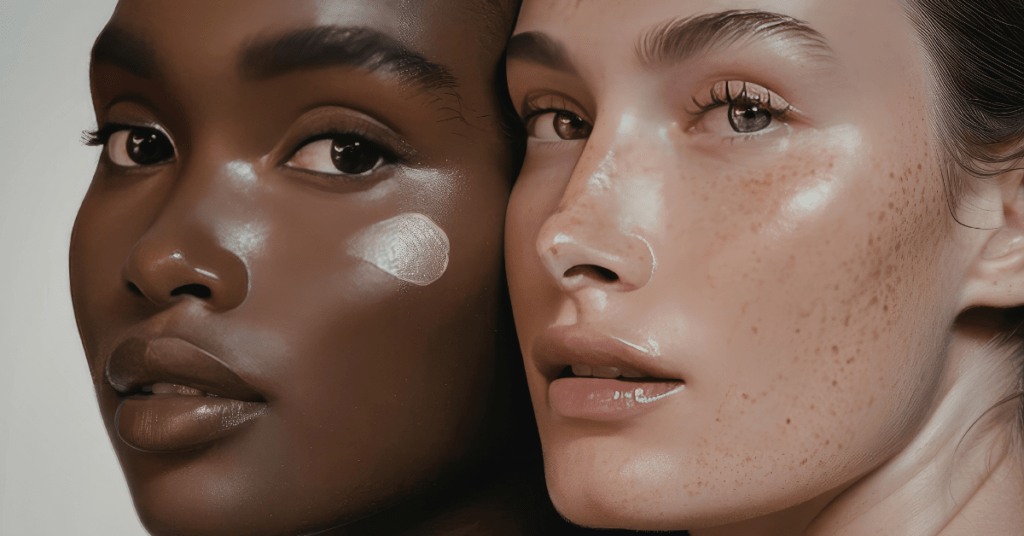
A natural glow begins before skincare, makeup, or perfect lighting. Confidence can change your posture, facial expression, voice, and social energy, helping you appear relaxed, open, and full of life.
When you feel comfortable in your own skin, your face often looks less tense. You may smile more freely, make better eye contact, and move with greater ease. These small signals can shape how others experience your presence.
Confidence doesn’t replace skincare, medical care, or mental-health support. It adds an inner layer of well-being that can make healthy habits, personal style, and self-expression feel more natural.

How Confidence Makes You Glow Before You Speak
Your body often communicates your mood before you say a word. Self-confidence can make those signals feel more open and steady.
Confident posture makes you look more energized
Standing upright, relaxing your shoulders, and lifting your head can help you appear to be alert and self-assured. An open stance may also help you feel less closed during social situations.
Before entering a meeting or gathering, practice comfortable posture for one minute. Breathe steadily, release your shoulders, and avoid forcing a stiff pose. Good posture should feel natural, not like a performance.
Facial expressions show comfort and self-acceptance
A genuine smile, relaxed jaw, and soft brows can create a brighter appearance. Eye contact also feels easier when you focus on listening instead of worrying about how you look.
You don’t need to appear cheerful all day. During stress, check whether you’re holding tension in your jaw or forehead. Let your face rest, then return your attention to the person speaking.
Presence matters more than perfection
Confidence can shift attention toward your warmth, humor, ideas, and personal style instead of small flaws. People often remember how comfortable and engaged someone felt, not whether every detail looked perfect.
A 2024 review of body image and psychological well-being links appearance-based comparison with lower self-esteem and emotional distress. Your worth, however, shouldn’t depend on compliments, attention, or constant approval.
Self-Trust Builds a Lasting Natural Glow
Confidence grows when your actions support your words. Each promise you keep to yourself can strengthen self-trust.
Small promises build self-confidence
Choose one daily promise that feels manageable. You might take a short walk, drink water with meals, prepare tomorrow’s clothes, or follow a basic skincare routine.
Track consistency without using missed days as proof of failure. Reliable progress builds more self-belief than dramatic changes that last one week. Psychology often calls this belief in your ability to act in self-efficacy.
Recognizing strengths broadens your self-image
Your identity includes far more than appearance. Resilience, kindness, creativity, discipline, problem-solving, and emotional awareness can all shape how you see yourself.
Write down five strengths, then add one real example for each. You can also ask someone you trust for behavior-based feedback, such as “You stay calm under pressure,” rather than a general compliment about being nice.
Boundaries protect your energy
Saying no can help you feel more secure and respected. People-pleasing often leads to emotional exhaustion, which can make it harder to express your real opinions and personality.
Identify one situation that lowers your confidence and sets a realistic boundary. Try saying, “I need time to think,” or “That doesn’t work for me.” If low self-worth, anxiety, or appearance concerns disrupt daily life, professional mental-health support may help.
Confidence Encourages Habits That Support Healthy-Looking Skin
Confidence can turn self-care into an act of respect. It also helps you avoid treating your body as a problem that must be fixed.
Self-care becomes an act of respect
A simple routine may include gentle cleansing, moisturizer when needed, daily sun protection, regular sleep, hydration, movement, and balanced meals. The American Academy of Dermatology’s basic skincare guidance supports keeping routines suited to your skin’s needs.
Choose products and steps you can maintain. Persistent acne, rashes, pain, or other concerns deserve advice from a qualified dermatologist. Caring for your skin can support confidence, but your skin never decides your value.
Rest and stress control affect how you feel
Poor sleep and ongoing stress can affect mood, energy, facial tension, and how tired you feel. A calmer evening may help you feel more present the next day.
Create a wind-down routine with steady sleep times, less screen exposure, and a calming activity. Slow breathing, stretching, journaling, or time outdoors can also ease everyday tension without demanding a perfect wellness routine.
Movement can lift mood and body awareness
Enjoyable movement can support mood, energy, posture, and a stronger sense of connection with your body. Walking, dancing, yoga, strength training, and recreational sports all count.
The Centers for Disease Control and Prevention’s physical-activity guidance says adults can gain health benefits from any amount of moderate- to vigorous-intensity activity, with 150 minutes a week as a common goal. Treat exercise as care, not punishment for eating or looking in a certain way.
A Healthier Inner Voice Makes Your Glow Authentic
Your inner voice can either support confidence or drain it. A kinder voice doesn’t ignore real problems; it helps you respond to them with clarity.
Replace harsh criticism with useful honesty
Instead of saying, “I look terrible,” try, “I look tired today, and I can rest and care for myself.” This statement stays honest while pointing toward an action you control.
Cognitive behavioral therapy, or CBT, often helps people question unhelpful thought patterns. You can practice by separating facts from insults and replacing broad judgments with precise observations.
Limit comparison triggers
Curated photos, filters, editing, and idealized beauty standards can make ordinary bodies seem abnormal. The 2024 body-image review cited above describes how repeated exposure to idealized images can feed social comparison and body dissatisfaction.
Mute or unfollow accounts that trigger negative self-judgment. Add creators who show body diversity or focus on health, learning, creativity, and interests beyond appearance.
Try body neutrality when positivity feels hard
You don’t have to admire your appearance every day. Body neutrality focuses on respect and function rather than demanding constant body love.
Write down three things your body lets you experience, accomplish, or enjoy. You can still groom, dress well, use skincare, or change habits while treating your body with basic care and respect.
Everyday Confidence Habits Help Your Glow Show
Small routines connect inner confidence with visible behavior. They also reduce the pressure to feel confident all the time.
Start the day with an intentional ritual
Wear clothes that feel comfortable and express your style. Spend a few minutes on grooming or skincare, then choose one behavior to practice, such as speaking clearly or listening fully.
Use a grounded phrase like, “I can handle today one step at a time.” This kind of statement supports action without pretending every part of the day will feel easy.
Use confident communication
Speak at a steady pace and pause before answering. Asking thoughtful questions, listening closely, and sharing your view can reinforce self-trust while keeping your communication warm.
Practice phrases such as, “I need time to think,” “I disagree,” and “That doesn’t work for me.” Confidence doesn’t require dominance. It allows you to be clear without abandoning kindness.
Notice progress at night
Before bed, record one moment of courage, self-respect, or honesty. Ask yourself where you trusted yourself, when you felt comfortable in your own skin, and which choice supported your well-being.
Review these notes once a week. Measure confidence through behavior and consistency, not compliments, likes, or photographs.
Confidence can influence posture, facial expression, communication, self-care, and the energy you bring into a room. That’s why confidence can help you glow naturally, even when your appearance hasn’t changed.
A lasting glow doesn’t demand flawless skin or constant happiness. It often appears through comfort, vitality, self-respect, and authentic expression. Build it through small promises, health care, realistic self-talk, supportive boundaries, and less comparison.
Choose one confidence-boosting habit today and repeat it tomorrow. The most lasting radiance grows when you know your worth before anyone else confirms it.
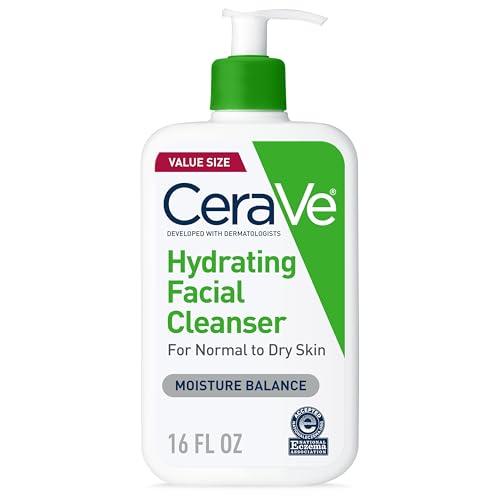
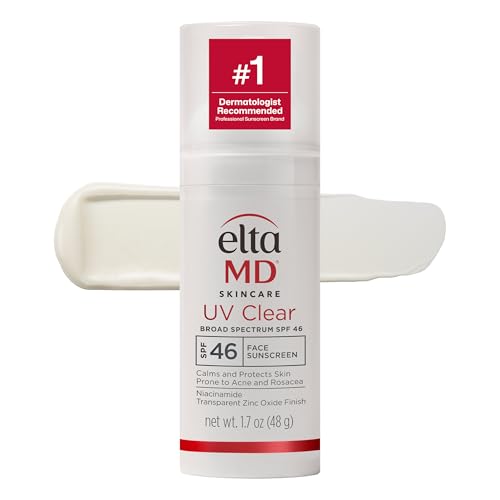
Recommended Products
Disclosure: As an Amazon Associate, I earn from qualifying purchases. We only recommend products that we believe offer value to our readers. Learn more.



Frequently Asked Questions
References
- American Academy of Dermatology Association.Skin care basics. Practical dermatologist-reviewed guidance on maintaining healthy skin. American Academy of Dermatology — Skin Care Basics
- Centers for Disease Control and Prevention.Benefits of Physical Activity. Information about the physical and mental-health benefits of regular movement and recommended activity levels. CDC — Benefits of Physical Activity
- National Institute of Mental Health.Psychotherapies. Overview of psychotherapy and approaches used to address thoughts, emotions, and behaviors. NIMH — Psychotherapies
- National Center for Biotechnology Information / PubMed Central.Body Image and Psychological Well-Being: A Systematic Review. Useful background on body image, social comparison, self-esteem, and psychological well-being. Read the 2024 body-image review on PubMed Central
- World Health Organization.Physical activity. Overview of the physical and psychological health benefits associated with regular physical activity. WHO — Physical Activity