Sharp, visible perfect collar bones often appear in beauty posts, fashion shoots, and fitness images. Yet the clavicles are normal bones, and their shape and visibility vary widely. A subtle collarbone can look just as balanced and attractive as a prominent one.
Collarbones draw attention because they create a clear line between the neck, shoulders, and chest. Off-shoulder clothing, portrait lighting, posture, and red-carpet styling can all make this area stand out. Beauty also depends on facial features, expression, grooming, clothing, comfort, and confidence.
A better goal is to understand your anatomy, improve how you present yourself, and care for your body. Styling can frame the collarbone area without forcing weight loss or chasing an unrealistic body ideal.

Why Perfect Collar Bones Stand Out in Beauty and Fashion
The anatomy behind visible collar bones
The clavicles, or collarbones, are long, slightly curved bones at the base of the neck. Each one connects the sternum, or breastbone, to the shoulder blade and helps keep the shoulder in position as the arm moves. The Cleveland Clinic guide to clavicle anatomy explains that the bones sit close beneath the skin.
Bone shape is only part of their appearance. Shoulder width, muscle around the upper chest and back, fat distribution, skin thickness, hydration, and posture also affect how much of the clavicle you see. Two healthy people can have very different collarbone outlines.
How fashion made the collarbone a beauty focus
V-necks, scoop necks, boat necks, and off-shoulder tops expose or frame the upper chest. Portrait photographers may use light and shadow to create a stronger line, while ballet-inspired styling often highlights a long neck and open shoulders. Red-carpet gowns use similar design choices.
These looks can be attractive, but they are style trends rather than medical or objective measures of beauty. Garment can make collarbones more visible without changing the body underneath.
Why “perfect” collar bones look different on every person
Collarbones may be narrow, broad, curved, prominent, or hard to see. These differences usually come from inherited bone structure and natural body composition. Each pattern can look healthy and well-proportioned.
Terms such as “defined collar bones” or “visible collar bones” are more accurate than “perfect collar bones.” They describe one feature without suggesting that everybody should match it.
What Really Determines How Visible Collar Bones Look
Genetics and natural skeletal structure
Your shoulder width, clavicle length, clavicle curve, rib-cage shape, and fat-storage pattern influence the neckline you naturally have. Genetics also affect muscle size, skin structure, and where your body stores or loses fat.
No exercise can safely redesign the clavicle itself. Targeted fat loss is also not possible, so repeated chest exercises cannot guarantee a sharper bone outline.
Posture, shoulder position, and upper-body alignment
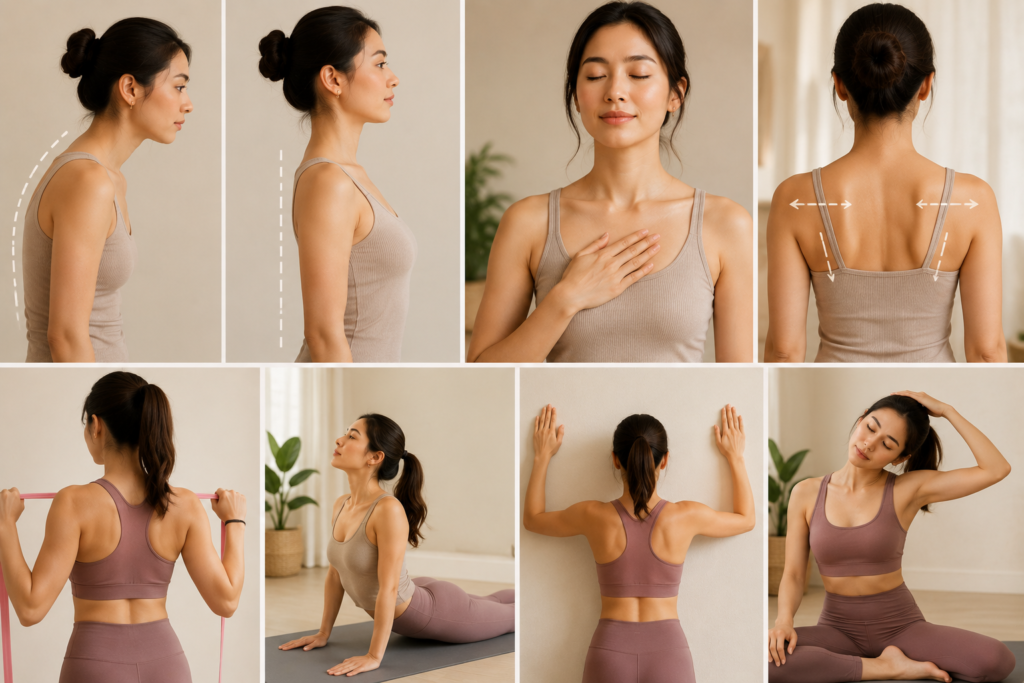
Rounded shoulders, a forward head, or a collapsed chest can make the collar area look less open. Relaxed alignment may reveal more of the upper chest and create a smoother neckline. This changes the way you carry your body, not the shape of your bones.
Try letting your shoulders rest down and back without squeezing them hard. Gentle upper-back movement, comfortable scapular control, and mild chest opening can improve presentation. Forced posing may cause neck or shoulder strain.
Body composition, age, and skin changes
Muscle, fat tissue, age, skin elasticity, and fluid balance can all change how collarbones look. Weight changes may make the bones more or less visible, but the result differs from person to person.
Reducing food intake only to expose your collarbones can lead to low energy, nutrient gaps, muscle loss, and poor health. It also cannot promise a certain shape. Your body needs enough food to support bones, skin, muscles, hormones, and daily activity.
How to Highlight Perfect Collar Bones Without Changing Your Body
Necklines that frame the collarbone area
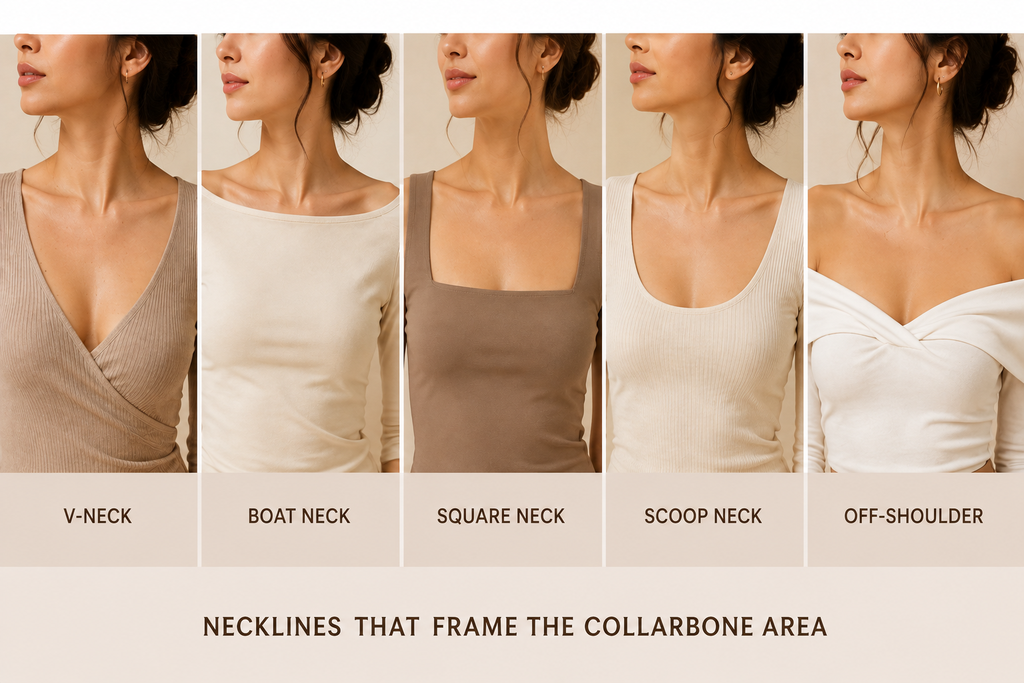
A V-neck can draw the eye toward the center of the chest and lengthen the neck visually. Boat necks create a wider horizontal line, while square and sweetheart necklines give the upper body a more structured frame. Scoop necks offer a softer, rounded effect.
Off-shoulder tops show more skin and can make the clavicles a central detail. Choose the cut that feels comfortable and suits your shoulder and neck proportions. Fit matters more than following a trend.
Jewelry and beauty details that draw attention upward
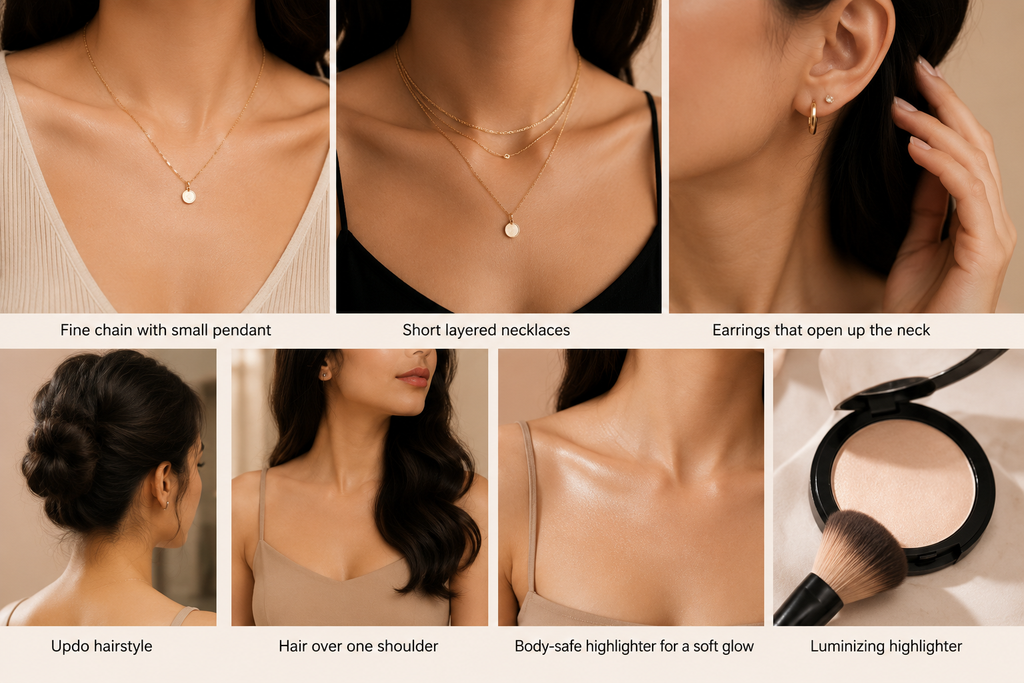
A fine chain, small pendant, or short layered necklace can guide attention toward the neckline. Earrings and an updo can also open the neck area, while hair worn over one shoulder creates an easy asymmetrical effect.
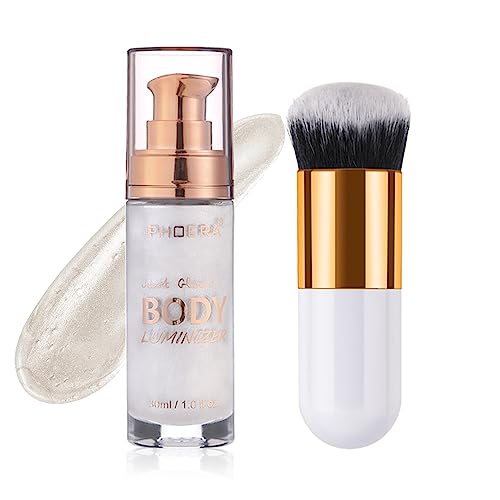
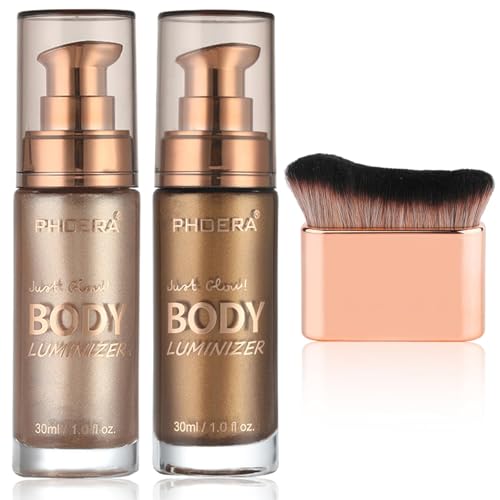
A body-safe highlighter can add a soft glow to the skin. Apply a small amount to healthy, unbroken skin and stop if irritation develops. Avoid tight necklaces, rough accessories, and glitter on sensitive or damaged skin.
Posture and movement habits that improve presentation
Before a photo, place both feet firmly, lengthen the spine, and let your shoulders drop naturally. Take a calm breath instead of pulling the chest forward or pinching the shoulder blades together. Small adjustments often look more natural than a dramatic pose.
Mobility and strength work can support comfortable movement and better alignment. The purpose is upper-body function and ease, not creating a “perfect” bone structure.
Healthy Ways to Improve Upper-Body Definition and Confidence
Strength training for balanced shoulders and posture
Rows, reverse-fly variations, wall slides, and controlled shoulder-mobility drills can build the muscles around your upper back and shoulders. These exercises may help you hold a more open posture and create balanced upper-body definition.
Start with light resistance and controlled movements. A trainer or physical therapist can help if you have pain, an old injury, or trouble with technique. Exercise changes muscle and movement, not clavicle length or curve.
Nutrition that supports skin, muscle, and bone health
Eat enough energy and include regular sources of protein, calcium, vitamin D, fruits, vegetables, whole grains, and healthy fats. MedlinePlus guidance on calcium and vitamin D notes that calcium supports bone strength, while vitamin D helps the body absorb calcium.
Food needs vary by age, health, activity, and medication use. Avoid taking large doses of supplements without medical advice. A varied diet and regular movement support your body better than restrictive eating for appearance.
Recognizing harmful beauty pressure
Body checking, extreme dieting, exercising through exhaustion, and fear of normal weight changes can signal that appearance pressure is affecting your health. Feeling that attractiveness depends on one bone structure can also make daily life harder.
A doctor, registered dietitian, or mental-health professional can help when body concerns interfere with eating, work, relationships, or social activities. Support is a health choice, not a sign of failure.
When Collarbone Changes Need Medical Attention
Signs of injury or structural problems
A new change after a fall, collision, or other impact deserves medical attention. The Mayo Clinic information on broken collarbones lists pain with shoulder movement, swelling, bruising, tenderness, stiffness, and a bump among common symptoms.
Seek prompt care for:
- Sudden swelling, bruising, severe pain, or deformity
- Limited ability to raise or move the shoulder
- Numbness, tingling, coldness, or weakness in the arm or hand
- A collarbone that looks newly displaced after an injury
Do not try to push a bone back into place or exercise through severe pain. A clinician may examine the area and use an X-ray to check for a fracture.
Unexplained changes in prominence
Rapid unintentional weight loss, lasting swelling, a new lump, or sudden asymmetry should not be treated as a beauty concern. These changes may have many causes and need an individual assessment.
For reliable information about collarbone anatomy, bone health, injuries, and treatment, consult trusted medical sources such as Cleveland Clinic, Mayo Clinic, MedlinePlus, and the American Academy of Orthopaedic Surgeons (AAOS). For symptoms, injuries, or unexplained changes in the collarbone area, seek advice from a qualified healthcare professional.
Beauty Is More Than Visible Collar Bones
The key takeaways about “perfect” collar bones
Collarbone visibility depends mainly on anatomy, genetics, posture, body composition, skin, age, and styling. There is no single perfect appearance, and prominent bones do not prove better health or greater beauty.
Changing your food intake to expose the clavicles is an unsafe strategy. Clothing, jewelry, relaxed posture, and balanced strength work can highlight the neckline without changing your body.
A more realistic definition of looking beautiful
Beauty can include health, self-expression, comfort, confident posture, and personal style. Someone with subtle collarbones can look polished, strong, elegant, or striking. Individual features give a face and body their character.
Choose necklines and accessories that make you feel at ease. Practice movement that supports your shoulders, eat enough to care for your body, and release the need to match edited images.
Perfect collar bones are not a requirement for looking beautiful. They are ordinary anatomical features with natural differences in shape and visibility.
Frame your neckline with clothing, jewelry, and relaxed posture if you enjoy that look. Seek medical care for pain or sudden changes and seek personal support when body concerns begin to control your life. Your beauty does not depend on how sharply your collarbones show.
Recommended Products
Disclosure: As an Amazon Associate, I earn from qualifying purchases. We only recommend products that we believe offer value to our readers. Learn more.


Frequently Asked Questions About Perfect Collar Bones
References
- Cleveland Clinic.Clavicle (Collarbone): Location & Anatomy. Useful for your explanation of clavicle anatomy, location, function, and its position close to the skin. Cleveland Clinic — Clavicle Anatomy
- Mayo Clinic.Broken Collarbone — Symptoms and Causes. Updated June 23, 2026. Supports the section discussing pain, swelling, bruising, limited shoulder movement, deformity, numbness, and when an injury needs medical attention. Mayo Clinic — Broken Collarbone Symptoms and Causes
- Mayo Clinic.Broken Collarbone — Diagnosis and Treatment. Updated June 23, 2026. Supports your statement that healthcare professionals may examine the collarbone and use X-rays or other imaging to evaluate a suspected fracture. Mayo Clinic — Broken Collarbone Diagnosis and Treatment
- MedlinePlus, U.S. National Library of Medicine.Calcium, Vitamin D, and Your Bones. Supports the nutrition section explaining that calcium contributes to strong bones and vitamin D helps the body absorb calcium. MedlinePlus — Calcium, Vitamin D, and Your Bones
- MedlinePlus, U.S. National Library of Medicine.Vitamin D. Additional authoritative information about vitamin D, calcium absorption, bone formation, food sources, and vitamin D deficiency. MedlinePlus — Vitamin D
- Centers for Disease Control and Prevention (CDC).Adult Activity: An Overview. Supports your discussion of balanced strength training and regular physical activity. CDC recommends that adults include muscle-strengthening activities involving the major muscle groups on at least two days per week. CDC — Physical Activity Guidelines for Adults