Coffee is cheap, easy to find, and already part of many morning routines. But does coffee for skin care work, or is it only another beauty trend? The answer sits between the two. Caffeine and coffee antioxidant compounds may give skin a fresher look for a short time when applied topically.
Coffee isn’t a cure for acne, cellulite, wrinkles, dark circles, or uneven skin tone. Results also depend on the form you use. A tested caffeine serum, cooled brewed coffee, and coarse coffee grounds behave very differently on the skin.
The safest approach is to focus on modest, temporary benefits. The recipes below avoid harsh rubbing, explain which skin types should be careful, and show how to use coffee without placing too much stress on your skin barrier.
Coffee’s Potential Skin Benefits Are Limited but Practical
Caffeine May Temporarily Reduce Puffiness
Caffeine can narrow small blood vessels near the skin’s surface. This effect may reduce mild swelling and make under-eye puffiness look less noticeable for a short time. A Cleveland Clinic review of coffee in skin care describes this effect as temporary and modest.
A cooled coffee compress or formulated caffeine eye product may create a refreshed, slightly tighter appearance. It won’t remove genetic eye bags, change facial structure, or erase dark circles caused by pigmentation, thin skin, allergies, or shadows.
Keep coffee out of your eyes. Persistent swelling, swelling on one side, pain, vision changes, or sudden puffiness needs medical care rather than a DIY treatment.
Coffee Compounds May Offer Antioxidant Support
Coffee contains polyphenols such as chlorogenic acid, caffeic acid, and ferulic acid. These compounds show antioxidant activity, which means they may help limit damage from unstable molecules called free radicals.
Lab tests and small studies don’t prove that homemade coffee masks will create visible, lasting changes in human skin. A peer-reviewed review of topical caffeine research note that much of the evidence comes from lab work, animal studies, or small clinical trials.
Coffee cannot replace sunscreen or a basic routine. Daily broad-spectrum sunscreen, a gentle cleanser, moisturizer, and well-tested ingredients such as vitamin C or niacinamide offer more reliable skin support.
Coffee May Temporarily Smooth the Skin’s Surface
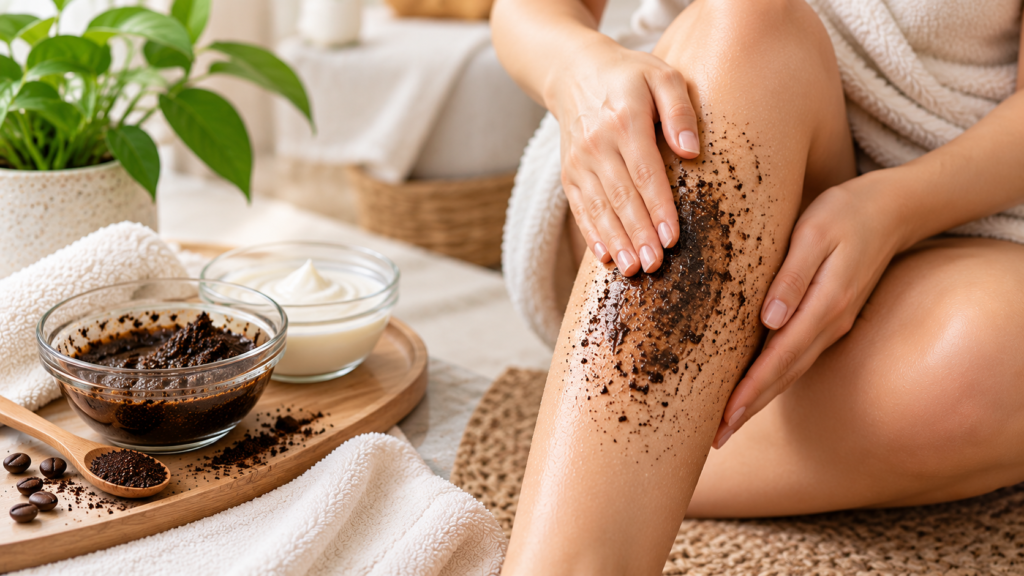
Finely ground coffee can act as a physical exfoliant. It may lift some loose surface flakes, leaving the skin feeling softer and looking brighter for a short time.
This is different from chemical exfoliation, which uses acids or other ingredients to loosen dead skin cells. A smoother feeling after a scrub doesn’t mean the skin barrier has improved.
The body usually handles gentle exfoliation better than the face. If you try coffee, reserve it for limited areas such as legs, elbows, or knees rather than using coarse grounds on your cheeks.
Coffee Grounds Can Irritate Skin When Used Incorrectly
Coarse Scrubs May Cause Tiny Skin Injuries
Coffee grounds have uneven edges and can create a lot of friction. Vigorous rubbing may cause tiny surface injuries, redness, dryness, burning, or more inflammation. This risk is higher on delicate facial skin and around the eyes and lips.
Never scrub active breakouts, cuts, recently shaved skin, sunburn, or irritated patches. People with rosacea, eczema, psoriasis, or a damaged skin barrier may be better off skipping physical coffee scrubs altogether.
If you use one on the body, apply light pressure for a few seconds and rinse well. Stop if your skin feels hot, tight, sore, or unusually red.
Coffee Is Not a Proven Treatment for Cellulite or Acne
Caffeine creams may make cellulite look smoother or firmer for a short time. This can happen through temporary changes in blood flow, fluid levels, and skin appearance. Small studies exist, but a review in the Journal of Cosmetic Dermatology noted that topical caffeine is among the ingredients used for cellulite, while treatment evidence and approaches remain varied.
Coffee grounds don’t remove cellulite or change the fat and connective tissue beneath the skin. Friction can also worsen inflamed acne and may leave post-inflammatory marks, especially if you press hard.
A coffee mask cannot permanently treat acne scars, wrinkles, hyperpigmentation, or loose skin. Those concerns often need proven ingredients or care from a dermatologist.
Patch Testing and Clean Preparation Lower Risk
Before applying a coffee mixture widely, place a small amount on the inner arm or behind the ear. Wait at least 24 hours and watch for burning, swelling, hives, itching, or lasting redness.
Make homemade mixtures fresh with clean utensils. Water-based recipes, including cooled coffee and yogurt masks, can grow bacteria and have no proper preservative system. Use them immediately and discard leftovers instead of storing them for later.
Safer DIY Coffee Skin Care Recipes for Different Uses
Cooled Coffee Compress for Temporary Under-Eye Puffiness
What You’ll Need
- Freshly brewed plain coffee
- Clean cotton pads or a soft, clean cloth
- A small clean bowl
- Refrigerator
Step-by-Step Procedure

Step 1: Brew the Coffee
Prepare a small amount of plain coffee without sugar, milk, cream, or flavoring.
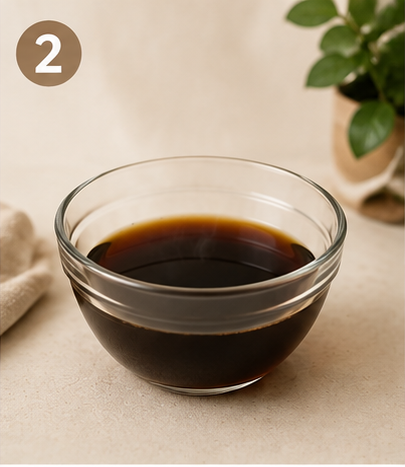
Step 2: Let It Cool Completely
Allow the coffee to cool to room temperature. Never apply hot or warm coffee around the delicate eye area.
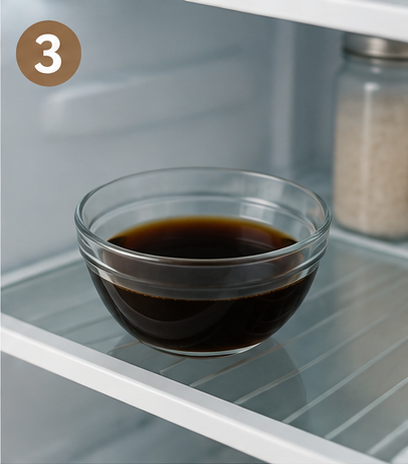
Step 3: Chill the Coffee
Pour the cooled coffee into a clean bowl and place it in the refrigerator until comfortably cold.
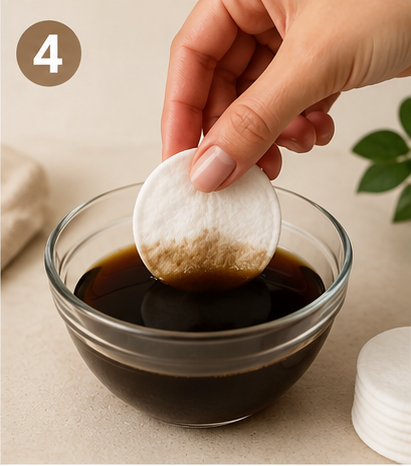
Step 4: Soak the Cotton Pads
Dip two clean cotton pads or a soft cloth into the chilled coffee. Gently squeeze out excess liquid, so the pads are damp rather than dripping.
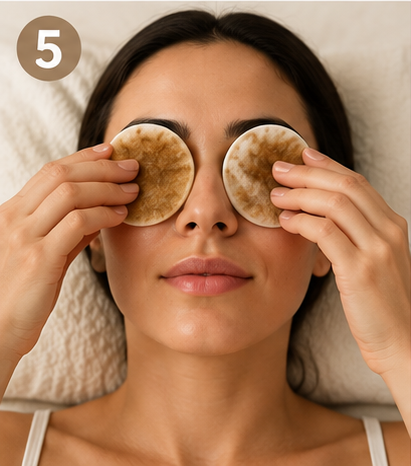
Step 5: Apply Over Closed Eyes
Lie back comfortably, close your eyes, and place one damp cotton pad over each under-eye area. Keep the coffee from running directly into your eyes.
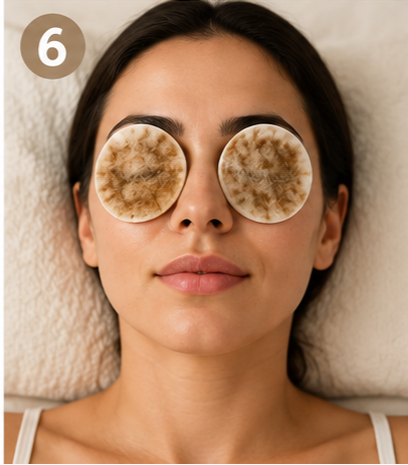
Step 6: Leave On Briefly
Allow the compress to sit for about 5–10 minutes. Remove it sooner if you notice burning, itching, stinging, or irritation.
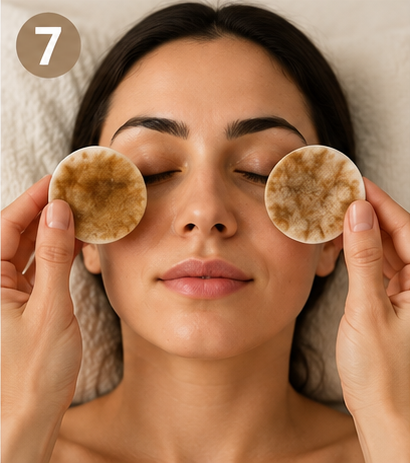
Step 7: Remove and Rinse if Needed
Take off the cotton pads and gently rinse the under-eye area with cool or lukewarm water if the skin feels sticky or uncomfortable. Pat dry with a clean towel.
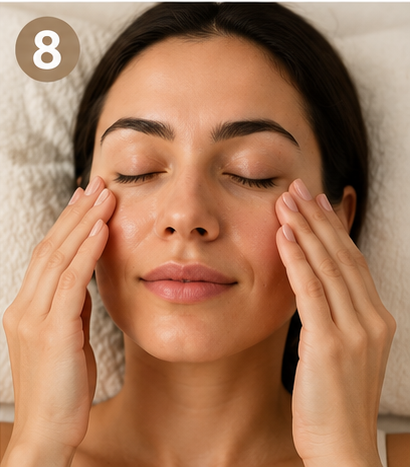
Step 8: Apply Moisturizer
Finish with a gentle, fragrance-free moisturizer or eye cream if desired.
Safety Tips
Use freshly prepared, unsweetened coffee and discard leftovers rather than storing the mixture for repeated use. Avoid using the compress on irritated, broken, or recently treated skin, and never place coffee directly inside the eyes.
Expected Result
The cooling effect and caffeine may temporarily make mild under-eye puffiness look less noticeable and leave the area feeling refreshed. It will not permanently remove dark circles, genetic eye bags, or under-eye swelling caused by an underlying condition.
Gentle Coffee Body Polish for Rough Skin
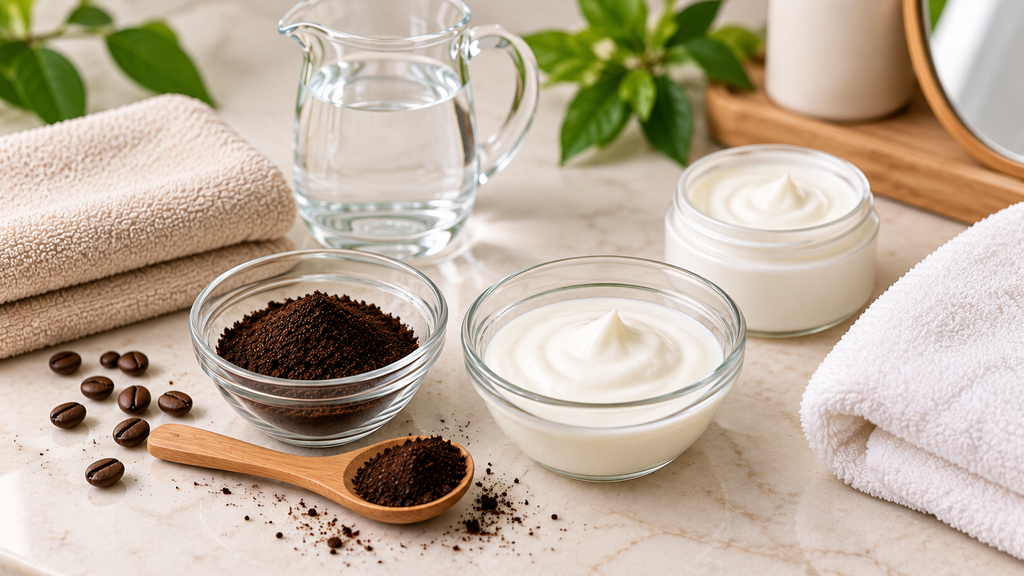
What You’ll Need
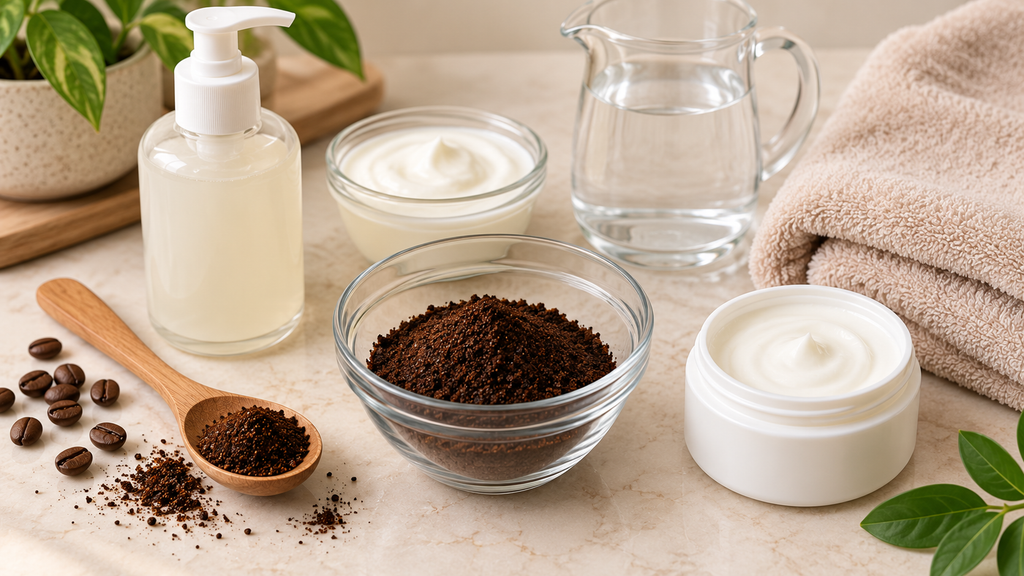
- Finely ground coffee
- A bland, fragrance-free body cleanser or plain, unscented body moisturizer
- A small clean bowl
- Clean spoon
- Lukewarm water
- Soft towel
- Fragrance-free moisturizer
Step-by-Step Procedure
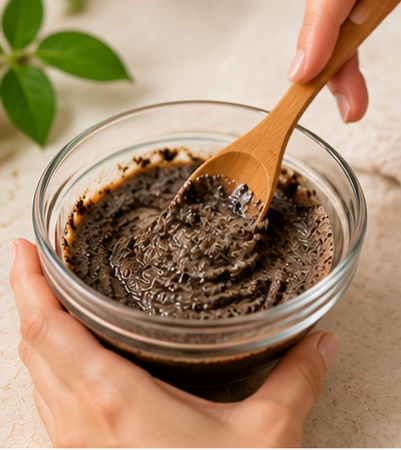
Step 1: Prepare the Coffee Mixture
Place a small amount of finely ground coffee in a clean bowl. Add enough fragrance-free cleanser or unscented body moisturizer to create a soft, spreadable mixture.
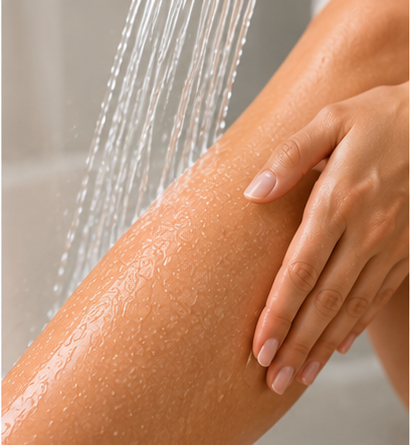
Step 2: Wet the Skin
Rinse the area you want to exfoliate with lukewarm water. This works best on rough areas such as the elbows, knees, hands, or legs.
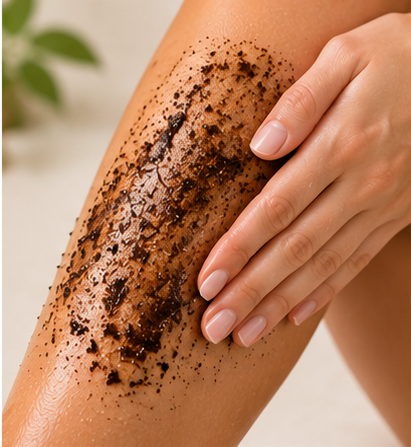
Step 3: Apply a Small Amount
Using clean fingertips, spread a thin layer of the coffee mixture over the damp skin.
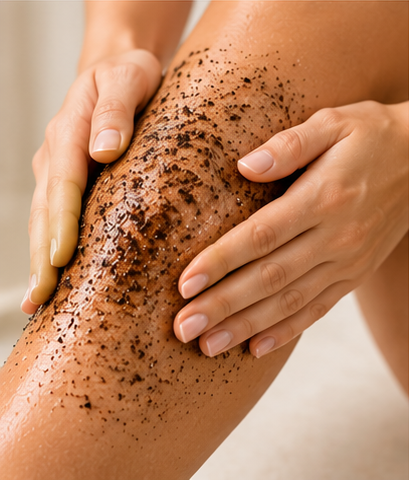
Step 4: Massage Very Gently
Massage the mixture using light circular motions for about 20–30 seconds. Avoid pressing hard or scrubbing aggressively.
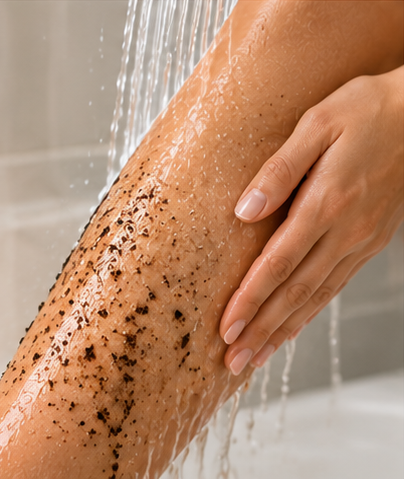
Step 5: Rinse Thoroughly
Wash the mixture away completely with lukewarm water. Make sure no coffee particles remain on the skin.
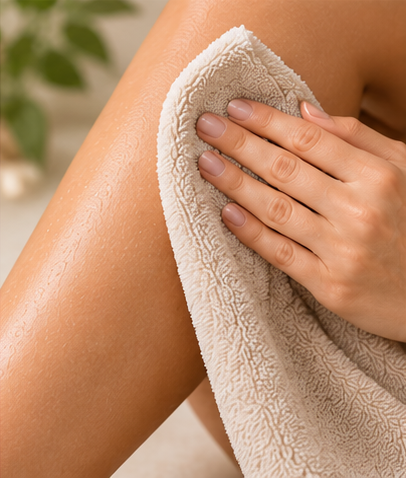
Step 6: Pat the Skin Dry
Use a soft, clean towel to gently pat the area to dry. Avoid rubbing the skin with the towel.
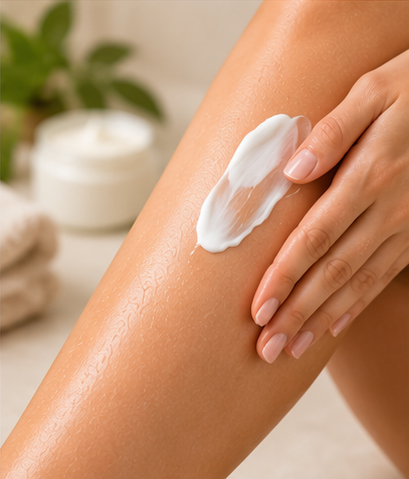
Step 7: Apply Moisturizer
While the skin is still slightly damp, apply a gentle, fragrance-free moisturizer to help reduce dryness and support the skin barrier.
Safety Tips
Do not use this polish on broken skin, active rashes, sunburn, inflamed areas, itchy patches, or freshly shaved skin. Avoid using it on the face or other delicate areas. Stop immediately if you notice burning, stinging, persistent redness, or irritation.
Use this treatment only occasionally rather than every day, since too much physical exfoliation can irritate the skin.
Expected Result
A gentle coffee body polish may temporarily remove some loose surface flakes and leave rough areas feeling softer and smoother. It will not permanently change skin texture or treat medical skin conditions.
Coffee and Plain Yogurt Mask with a Barrier Warning
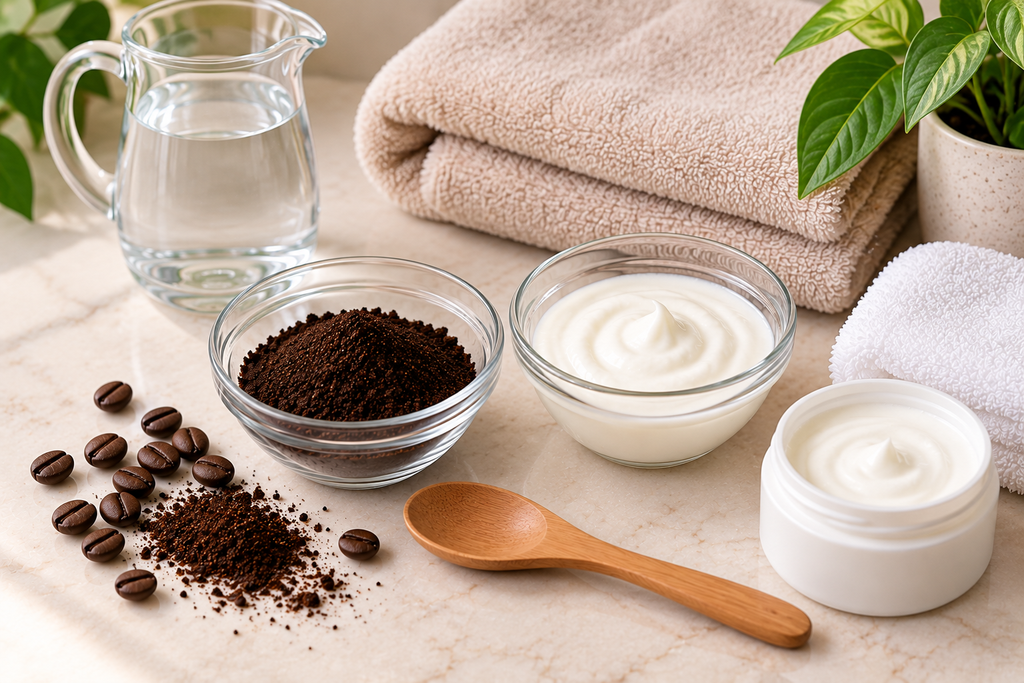
What You’ll Need
- 1 teaspoon finely ground coffee
- 1 tablespoon plain, unsweetened yogurt
- Small clean bowl
- Clean spoon
- Lukewarm water
- Soft, clean towel
- Gentle, fragrance-free moisturizer
Step-by-Step Procedure
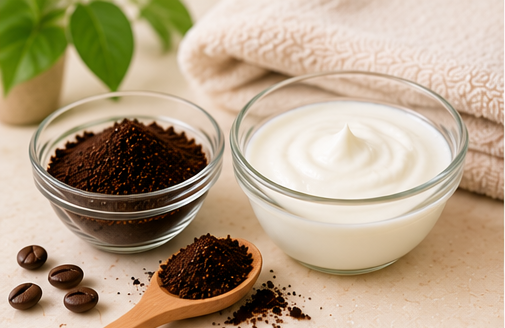
Step 1: Prepare the Ingredients
Place 1 teaspoon of finely ground coffee and 1 tablespoon of plain, unsweetened yogurt in a clean bowl. Avoid flavored or sweetened yogurt.
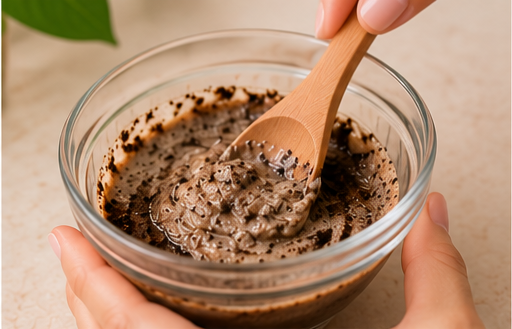
Step 2: Mix Well
Stir the coffee and yogurt together until they form an even, spreadable mixture. Prepare only enough for one application and use it immediately.
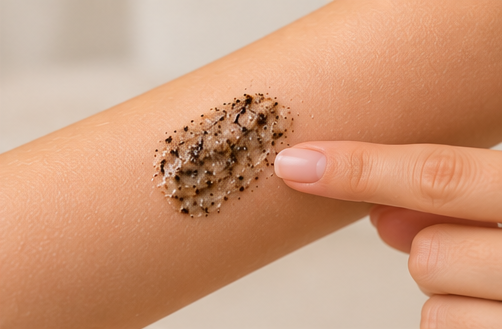
Step 3: Patch Test First
Before using the mask more widely, apply a small amount to the inner arm or behind the ear. Leave it on briefly, rinse it off, and monitor the area for at least 24 hours for redness, itching, burning, swelling, or other irritation.
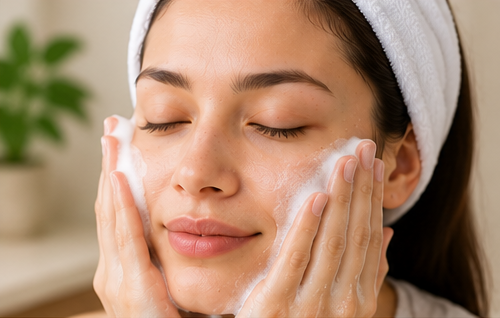
Step 4: Cleanse Your Skin
If the patch test causes no reaction, gently wash your face with a mild cleanser and lukewarm water. Pat your skin dry with a clean towel.
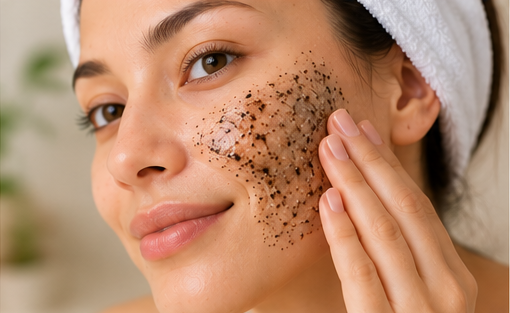
Step 5: Apply a Thin Layer
Using clean fingertips, spread a thin layer of mixture over a small area of the face. Avoid the eyes, lips, active breakouts, cuts, and irritated areas. Do not scrub the coffee grounds into your skin.
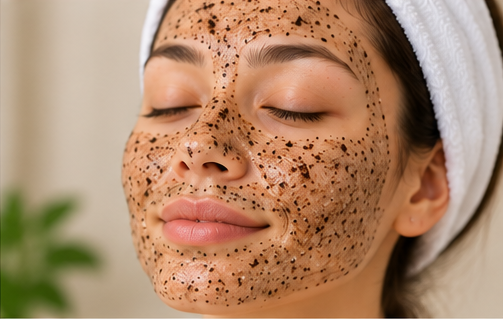
Step 6: Leave It on Briefly
Allow the mask to sit for about 5 minutes. Do not wait for it to become completely dry. Remove it immediately if you experience burning, itching, significant stinging, or discomfort.
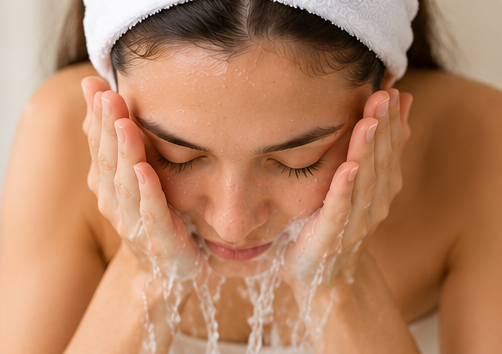
Step 7: Rinse Gently
Rinse the mask thoroughly with lukewarm water. Use gentle movements and avoid rubbing or scrubbing while removing it.
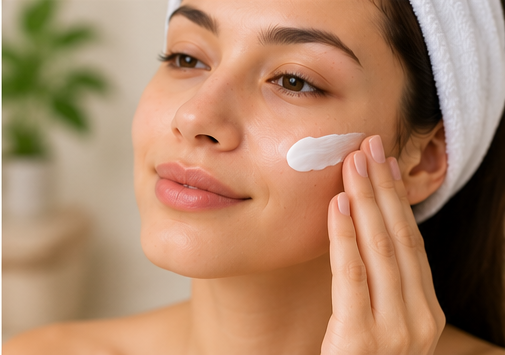
Step 8: Moisturize
Pat your face dry with a soft towel and apply a plain, fragrance-free moisturizer to help support the skin barrier.
Important Safety Warning
Avoid this DIY mask if you have sensitive or damaged skin, active acne, rosacea, eczema, a dairy allergy, or known sensitivity to any of the ingredients. Yogurt contains naturally occurring acids that may sting or irritate some skin, while coffee particles can cause irritation if rubbed aggressively.
Because homemade mixtures do not contain a proper preservative system, make the mask fresh for each use and discard any leftovers.
Expected Result
The mask may temporarily leave the skin feeling softer or smoother. However, there is no strong evidence that a homemade coffee-and-yogurt mask can reliably treat acne, wrinkles, dark spots, hyperpigmentation, or other skin conditions.
How to Use Coffee Skin Care Without Damaging the Skin Barrier
Limit Exfoliation and Follow with Moisturizer
Coffee exfoliation should be occasional, never a daily habit. Overuse can cause dryness, tightness, peeling, redness, and greater sensitivity.
Rinse with lukewarm water and apply a gentle, fragrance-free moisturizer. Avoid using a coffee scrub on the same day as retinoids, strong acids, benzoyl peroxide, or another exfoliant.
Protect Skin from Sun Exposure
Exfoliating can leave skin feeling more sensitive. Apply broad-spectrum sunscreen with SPF 30 or higher each morning, following guidance from the American Academy of Dermatology. This matters far more for preventing premature aging and dark marks than homemade coffee treatment.
If you have rosacea, the AAD recommends gentle, fragrance-free sunscreen and notes that zinc oxide or titanium dioxide may be less irritating for sensitive skin. Take extra care outdoors after exfoliating.
Choose Formulated Caffeine Products for Consistency
A caffeine eye serum or moisturizer usually offers a more predictable amount of caffeine than brewed coffee. Commercial products also use preservatives and are tested for stability, texture, and skin contact.
Homemade coffee varies by bean, brew strength, temperature, and contact time. If you have ongoing acne, eczema, rosacea, swelling, or pigmentation, a dermatologist can help you choose treatment with better evidence.
Conclusion
Coffee can provide limited, short-term skin benefits. Caffeine may make under-eye puffiness look reduced; coffee antioxidants may offer support in topical formulas, and finely ground coffee may smooth rough body skin.
The main risks come from coarse grounds, hard scrubbing, poor hygiene, and using coffee on sensitive or damaged skin. A cooled coffee compress and a gentle body polish are safer choices than a harsh facial scrub, but both should be patch tested and used fresh.
Keep sunscreen, moisturizer, gentle cleansing, and proven treatments at the center of your routine. Coffee can be an occasional skin-smoothing ingredient, but it isn’t a substitute for well-formulated skin care or professional treatment.
Recommended Products
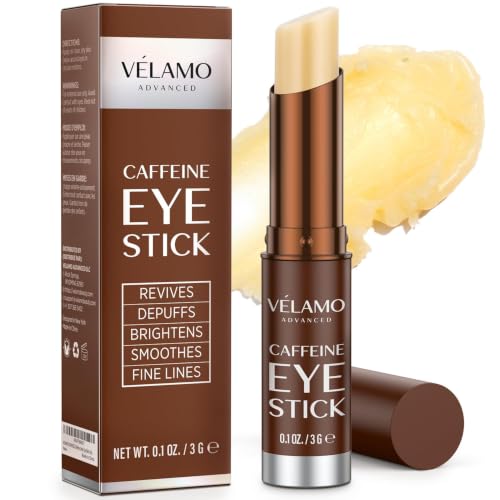
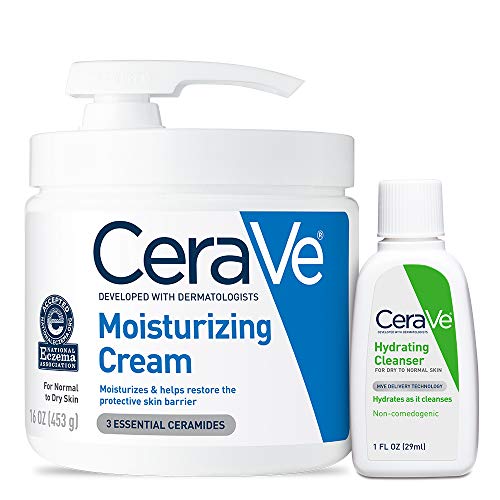
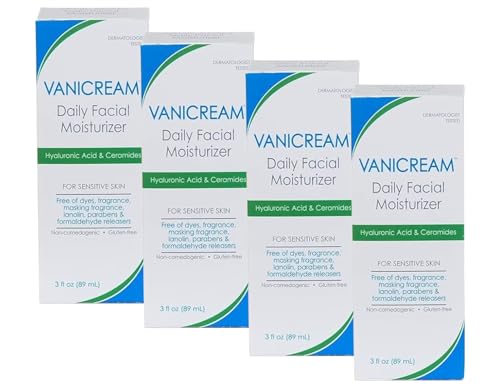
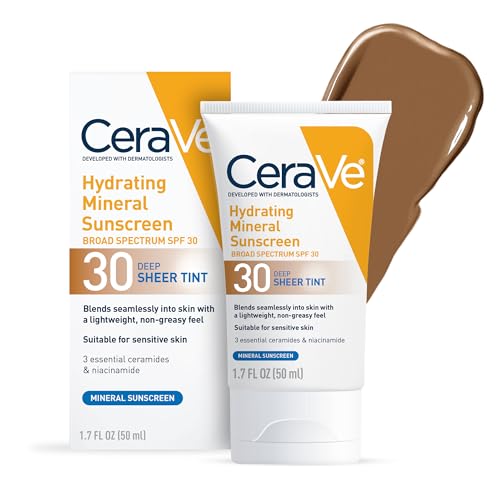
Prefer ready-made skin care? These products complement the gentle approach discussed in this guide, including formulated caffeine for the eye area, barrier-supporting moisturizers, and daily sun protection.
Disclosure: As an Amazon Associate, I earn from qualifying purchases. We only recommend products that we believe offer value to our readers. Learn more.

Frequently Asked Questions
References
- Cleveland Clinic.Is Coffee Good for Your Skin? Discusses caffeine’s potential temporary effects on puffiness, antioxidants, cellulite appearance and physical exfoliation, as well as irritation risks from coffee scrubs. Read the Cleveland Clinic article
- Elias ML, Israeli AF, Madan R.Caffeine in Skincare: Its Role in Skin Cancer, Sun Protection, and Cosmetics. Indian Journal of Dermatology. 2023;68(5):546–550. doi:10.4103/ijd.ijd_166_22. Reviews available research on topical caffeine, including antioxidant activity, under-eye applications, cellulite and limitations of the existing evidence. Read the full review on PubMed Central
- Arora G, Patil A, Hooshanginezhad Z, et al.Cellulite: Presentation and Management. Journal of Cosmetic Dermatology. Reviews cellulite causes and treatment approaches, including topical preparations containing caffeine. View the Journal of Cosmetic Dermatology article
- American Academy of Dermatology Association.7 Rosacea Skin Care Tips Dermatologists Recommend. Advises people with rosacea to avoid rubbing, scrubbing and other potentially irritating exfoliation methods. Read the AAD rosacea skin-care recommendations
- American Academy of Dermatology Association.How Do I Know If I’m Using the Right Sunscreen? Provides guidance on broad-spectrum SPF 30+ sunscreen and options for sensitive and rosacea-prone skin. Read the AAD sunscreen guidance