Dark patches on the skin often show up on elbows, knees, underarms, or even intimate areas. Many people feel self-conscious when these spots appear. You might reach for store-bought creams to fix the issue. However, these products often contain harsh chemicals. These ingredients can cause red, itchy skin, or allergic reactions. If you want to know how to whiten skin dark areas naturally, you have come to the right place.
We will look at how these dark spots form and how you can treat them with simple items from your pantry. This guide shows you how to lighten your skin safely and gently. By using the right ingredients and changing a few daily habits, you can reach your goal of a more even skin tone.

Understanding Hyperpigmentation in Darker Skin Areas
Hyperpigmentation happens when your skin makes too much melanin. Melanin is the pigment that gives your skin its color. When your body produces an excess of this pigment in a small patch, that area becomes darker than the skin around it.
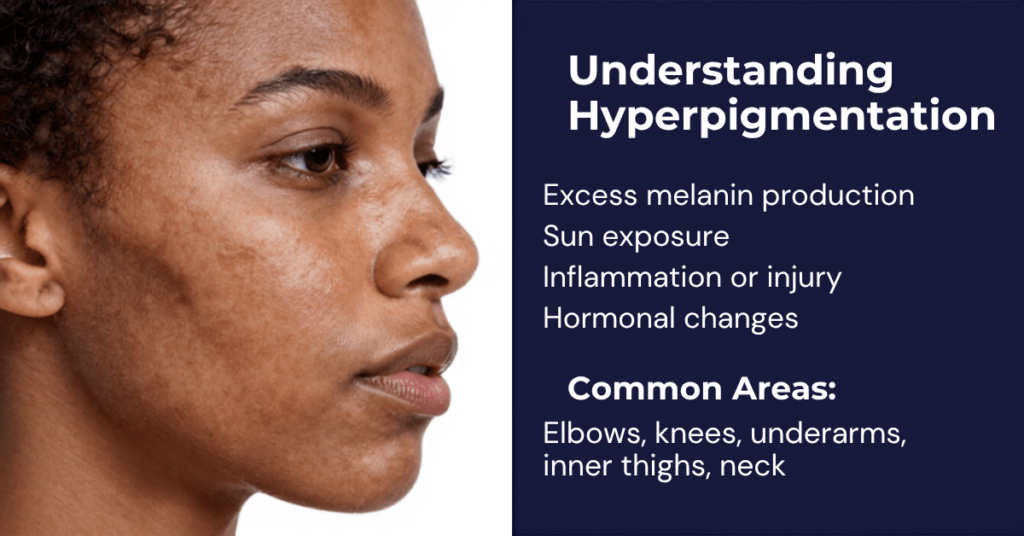
There are many reasons why this occurs. Friction is a major cause. If your clothes rub against your skin all day, it creates irritation. Your skin tries to protect itself, and it often does this by producing more pigment. Hormonal shifts from pregnancy or conditions like PCOS also trigger dark spots.
You should also watch for post-inflammatory hyperpigmentation. This often follows a skin injury, such as a bad acne breakout, ingrown hair, or insect bite. Sun exposure is another factor. Even if you do not think those areas see the sun, small amounts of UV light can darken existing patches. Some medical issues, such as insulin resistance, can also cause thick, dark skin known as acanthosis nigricans. Genetics also play a role in how your skin reacts to these triggers.
Natural Ingredients for Skin Whitening
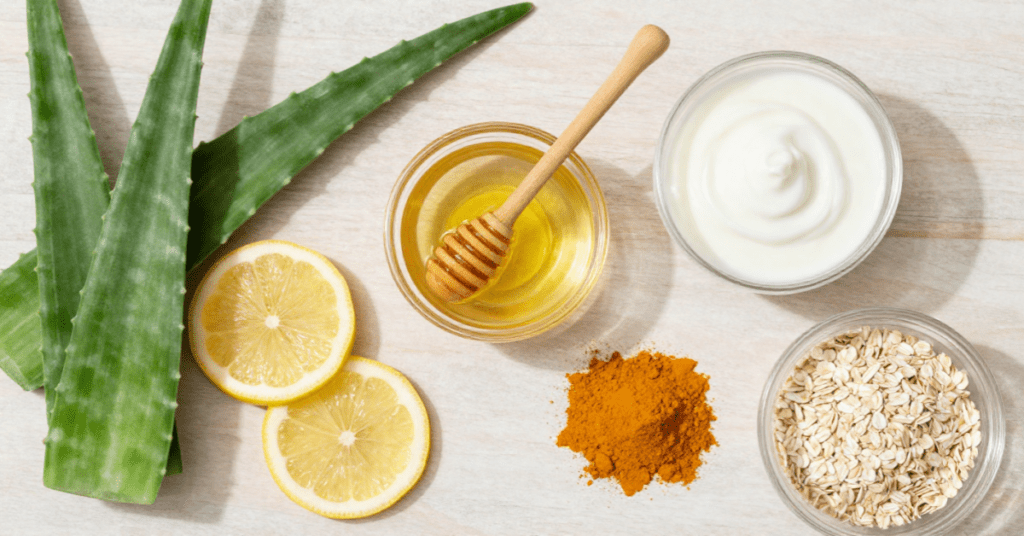
You likely already have powerful skin-brightening agents in your home. These natural options work with your skin rather than against it.
- Lemon Juice: This is a classic choice because it contains citric acid. The acid acts as a natural bleach that removes dead skin cells. Always dilute lemon juice with water before applying it, as the acid can be very strong.
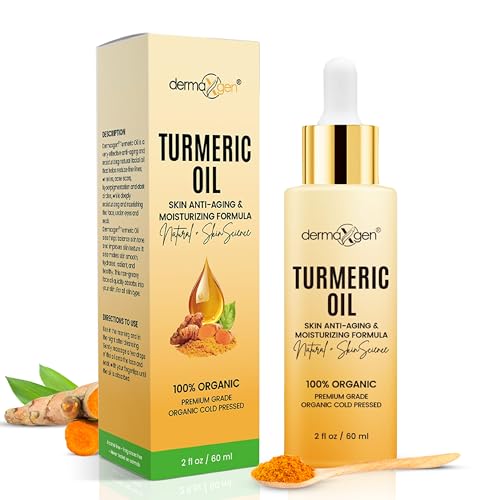
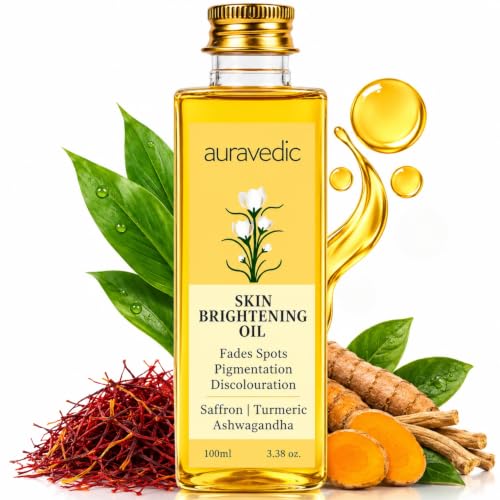
- Turmeric: This golden spice is famous for its anti-inflammatory effects. It contains a compound called curcumin, which helps stop melanin production. Be careful, as turmeric can stain your skin and clothes temporarily.
- Yogurt: Yogurt contains lactic acid. This acid gently peels dead skin cells to reveal fresh, brighter skin underneath. It is much milder than lemon juice and works well for sensitive areas.
- Honey: Honey is a humectant, meaning it holds moisture in the skin. It also has mild bleaching properties and heals skin damage. It works best when you mix it with other ingredients to create a mask.
- Oatmeal: Oatmeal is excellent for soothing and exfoliating. It gently scrubs away rough, dark skin without causing scratches or irritation. You can mix it with milk to form a soothing paste.
- Potato: Potatoes are a popular traditional remedy for dark spots and uneven skin tone. Some people apply raw potato slices or potato juice to the skin because potatoes contain natural antioxidants and vitamin C. While scientific evidence supporting their effectiveness for hyperpigmentation is limited, they are generally considered a gentle home remedy.
Effective Home Remedies and DIY Recipes
Try these simple recipes to target dark patches naturally. Consistency is key, so use your chosen remedy regularly for several weeks to see noticeable improvements.
1. Lemon-Honey Brightening Mask
Ingredients
- 1 teaspoon fresh lemon juice
- 1 tablespoon raw honey
Step-by-Step Procedure
Step 1: Add one teaspoon of fresh lemon juice to a small bowl.
Step 2: Mix in one tablespoon of raw honey until well combined.
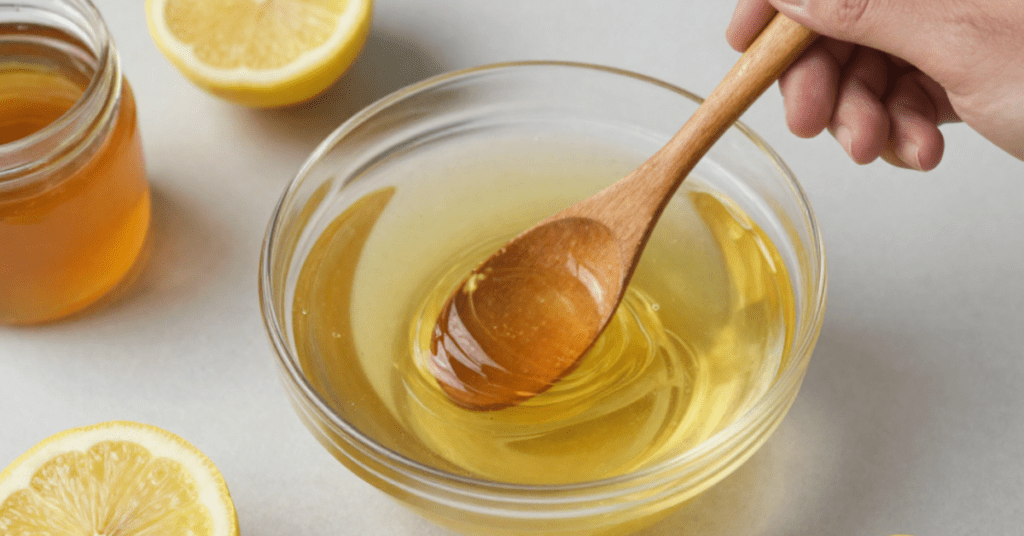
Step 3: Clean the affected skin area and pat dry.
Step 4: Using a cotton ball, apply the mixture evenly to the dark patch.
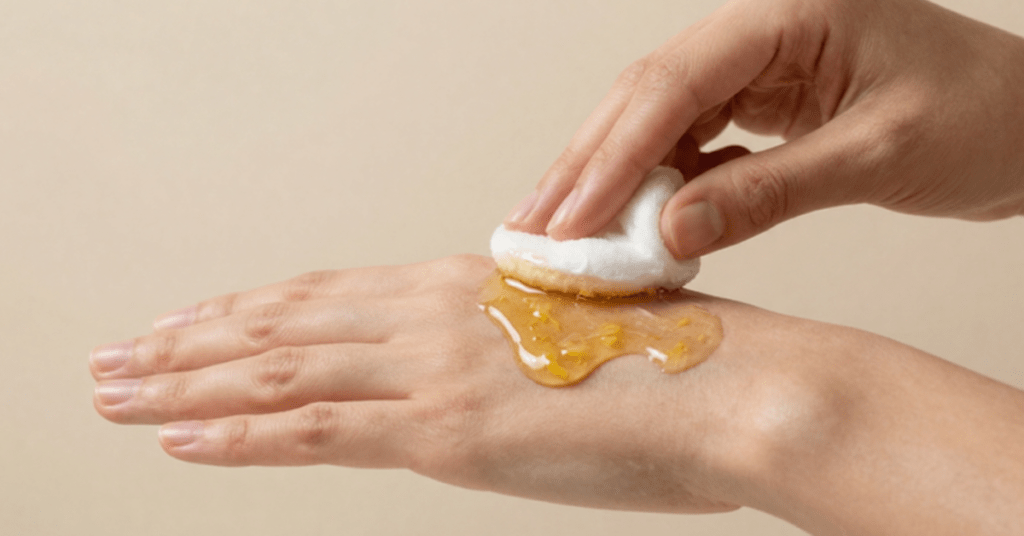
Step 5: Leave the mask on for 15 minutes.
Step 6: Rinse thoroughly with cool water.
Step 7: Apply a gentle moisturizer to keep the skin hydrated.
Recommended Use: 2–3 times per week.
Note: Avoid using this remedy on broken, irritated, or freshly shaved skin.
2. Yogurt-Turmeric Glow Paste
Ingredients
- 1 tablespoon plain yogurt
- A pinch of turmeric powder
- Optional: 1 teaspoon gram flour
Step-by-Step Procedure
Step 1: Place one tablespoon of plain yogurt in a clean bowl.
Step 2: Add a pinch of turmeric powder.
Step 3: Add gram flour if you prefer a thicker paste.
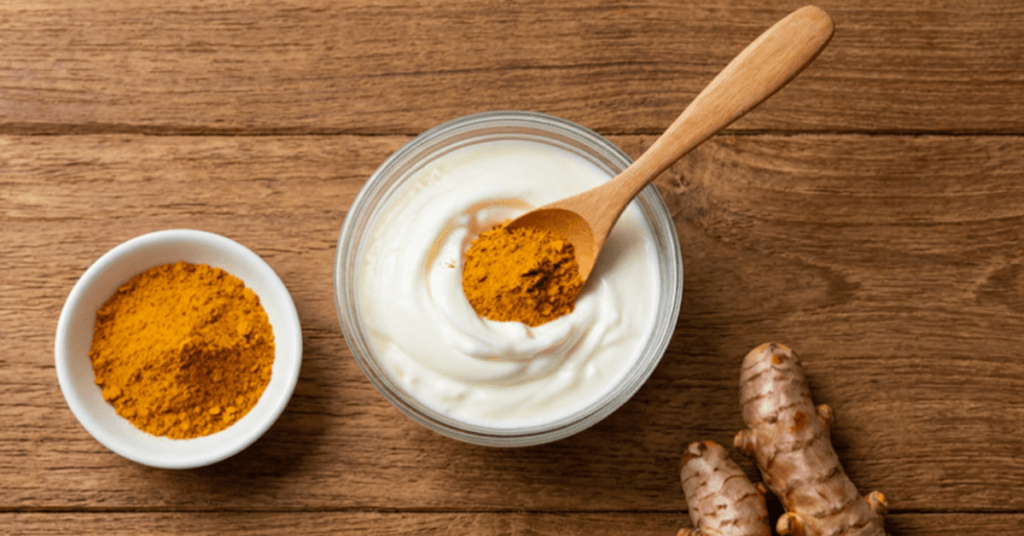
Step 4: Mix until smooth and creamy.

Step 5: Apply the paste to the dark skin areas.
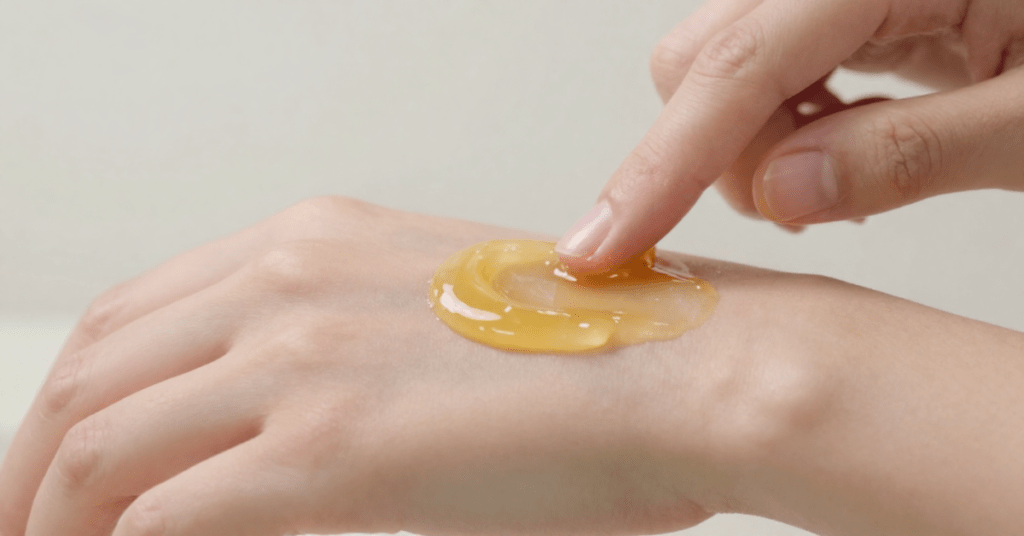
Step 6: Allow it to dry for 10–15 minutes.
Step 7: Wash thoroughly with lukewarm water.
Recommended Use: Every other day.
Note: Turmeric may temporarily stain light-colored clothing and towels.
3. Oatmeal-Milk Exfoliating Scrub
Ingredients
- 2 tablespoons ground oatmeal
- 1 tablespoon milk
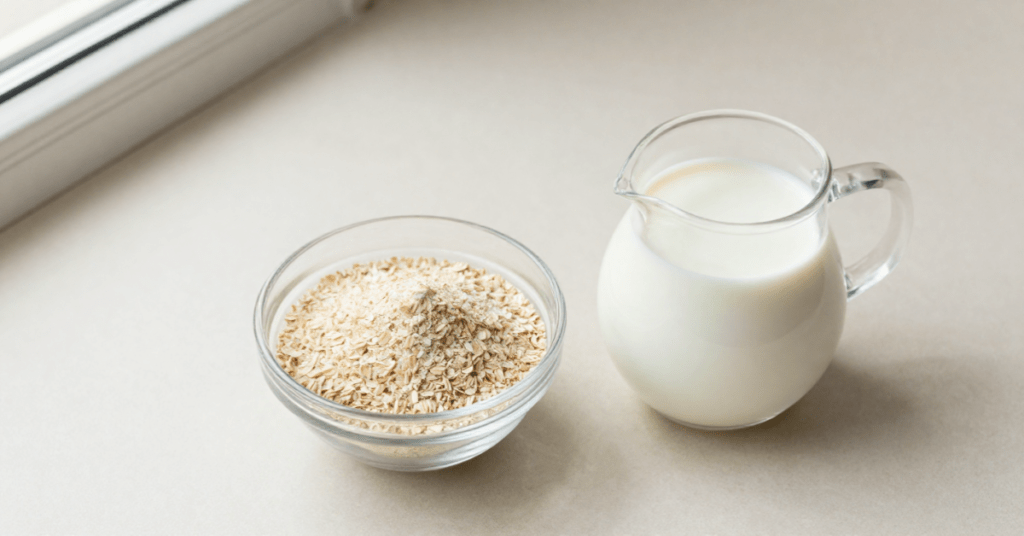
Step-by-Step Procedure
Step 1: Add ground oatmeal to a small bowl.
Step 2: Pour in the milk and stir well.
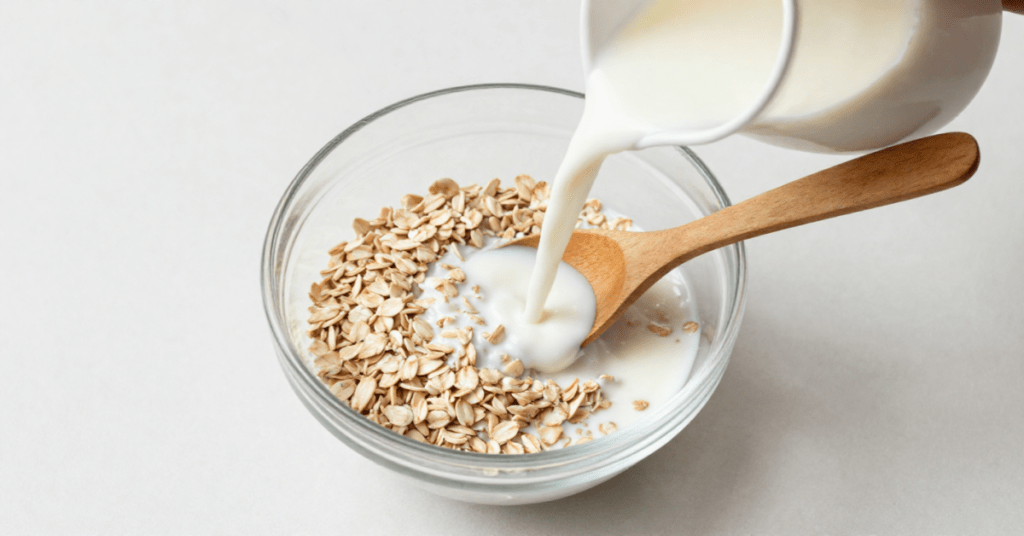
Step 3: Let the mixture sit for 3–5 minutes until softened.
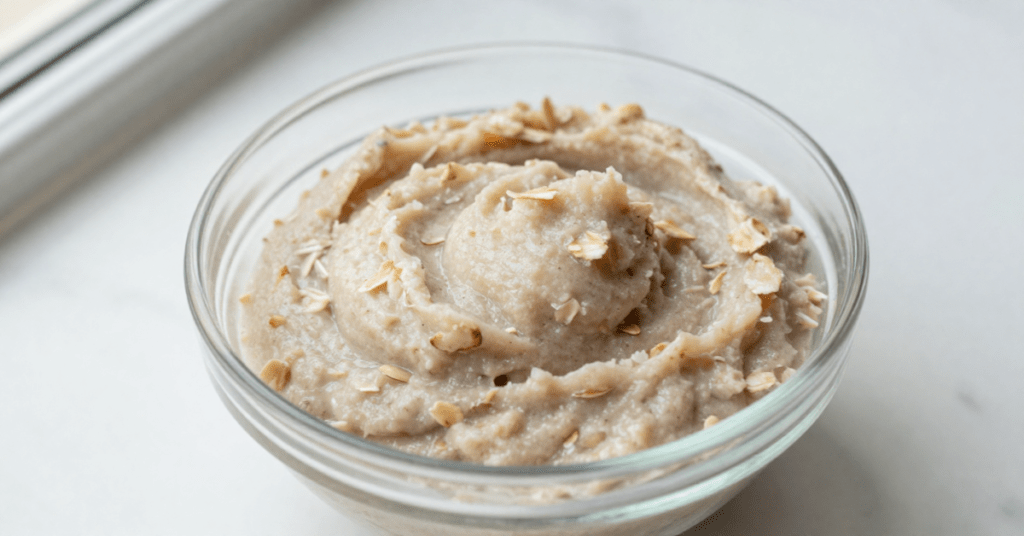
Step 4: Apply the scrub to the dark area.
Step 5: Massage gently in circular motions for 2 minutes.
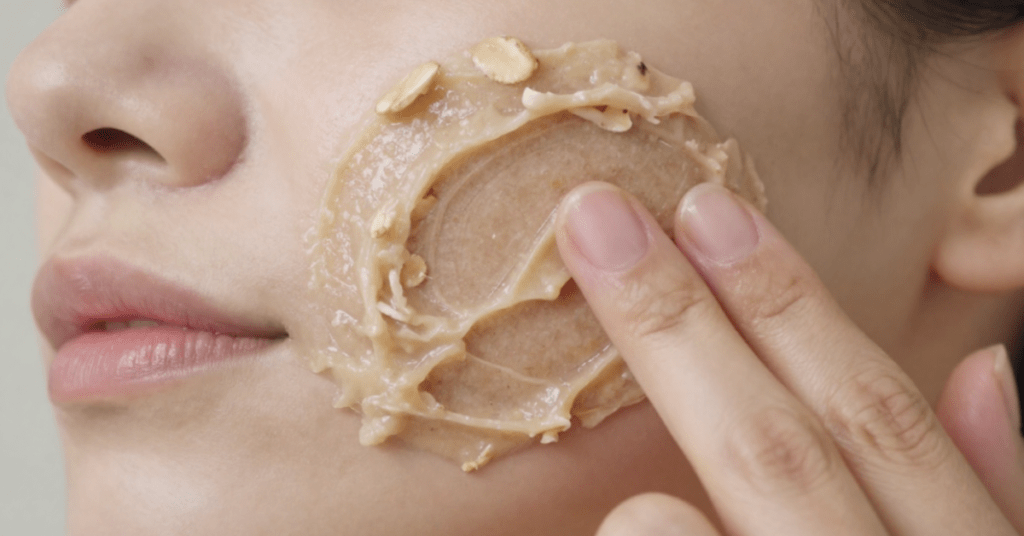
Step 6: Rinse with warm water and pat dry.
Step 7: Apply moisturizer afterward.
Recommended Use: Once or twice weekly.
Note: Avoid aggressive scrubbing, which can worsen hyperpigmentation.
4. Aloe Vera and Cucumber Soothing Gel
Ingredients
- Fresh aloe vera gel
- Half a peeled cucumber
Step-by-Step Procedure
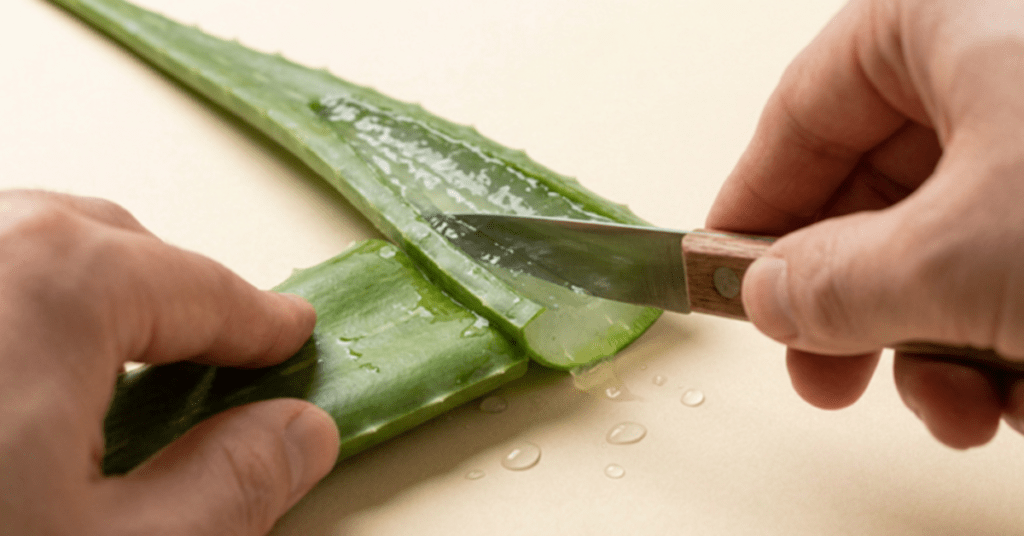
Step 1: Extract fresh gel from an aloe vera leaf.
Step 2: Peel and chop half a cucumber.
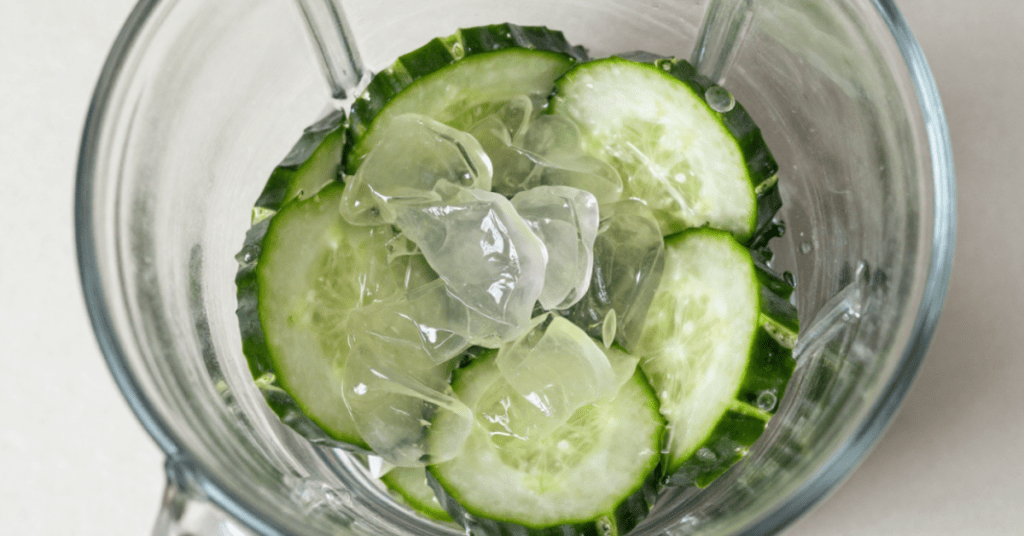
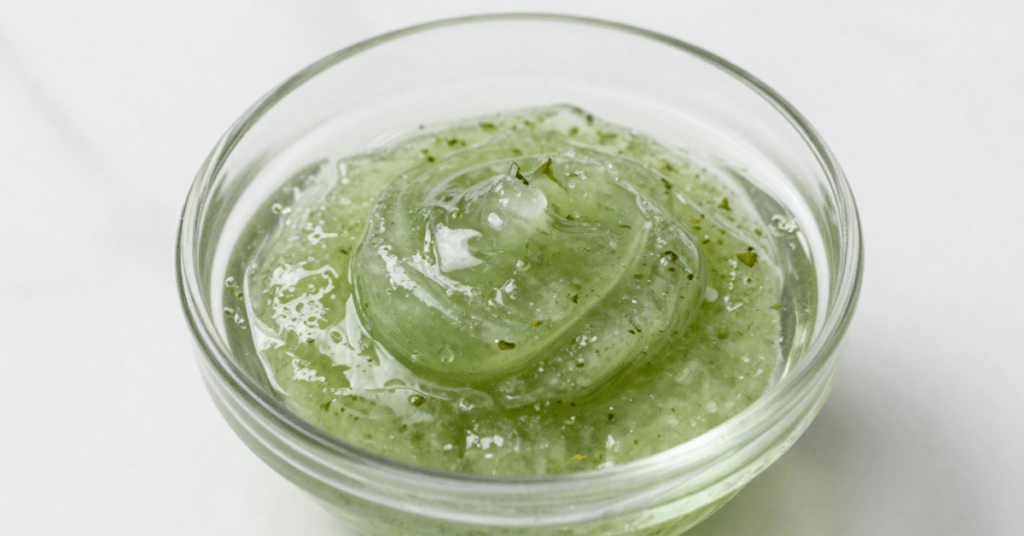
Step 3: Blend the cucumber and aloe vera until smooth.
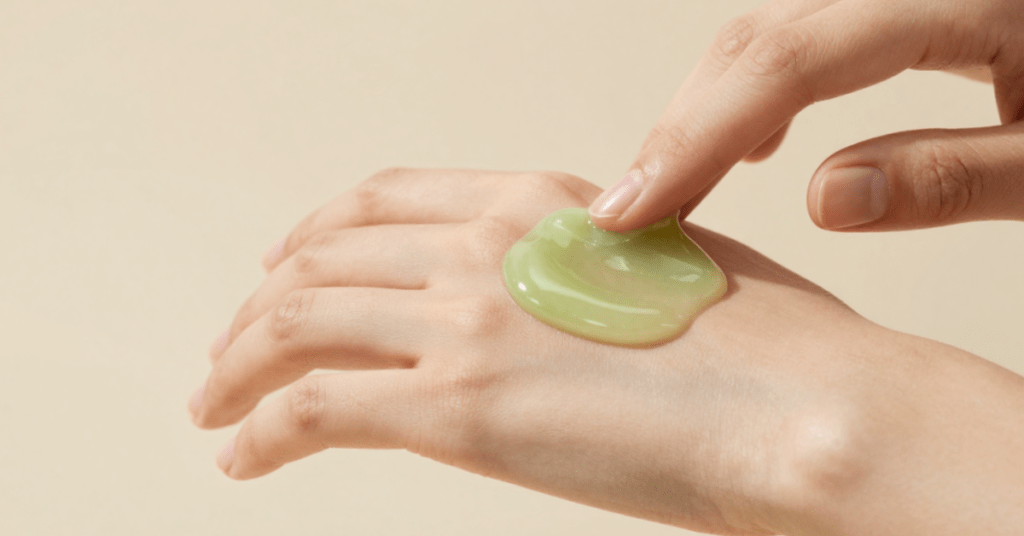
Step 4: Apply the cooling gel to the affected area.
Step 5: Leave it on for 20 minutes.
Step 6: Rinse with cool water.
Step 7: Repeat daily for best results.
Recommended Use: Daily.
Note: This remedy is ideal for irritated, sensitive, or inflamed skin.
Lifestyle and Preventative Measures
Applying natural masks is only half of the battle. Your daily habits have a huge impact on your skin tone.
Sun Protection You must use sunscreen every day, even if it is cloudy. Apply a broad-spectrum SPF 30 or higher to any exposed area. If your dark spots are in areas usually covered by clothing, you might think you do not need sunscreen there. However, the sun can still reach these spots, so keeping your skin covered is smart.
Gentle Exfoliation Practices Do not scrub your skin too hard. Aggressive scrubbing can damage your skin barrier and make inflammation worse. Use gentle exfoliants like lactic acid or natural scrubs only when necessary. Over-exfoliation often backfires and leads to more dark spots.
Addressing Friction and Irritation If your clothes are too tight, they will cause friction. This leads to dark knees, elbows, and underarms. Switch to loose-fitting, breathable fabrics like cotton. Keeping your skin well-moisturized also reduces friction by allowing fabric to glide over your skin instead of rubbing against it.
Hydration and Diet Drinking enough water helps your skin look its best. Eat a diet rich in fruits and vegetables. Foods high in Vitamin C and E help repair skin cells and boost your natural glow. Antioxidants found in these foods fight skin damage from the inside out.
Managing Underlying Medical Conditions Sometimes, skin darkening is a sign of a health issue. If you have tried these home remedies for weeks with no change, talk to a doctor. Conditions like diabetes or thyroid issues can cause skin changes. Treating the root cause is the only way to clear up the symptoms.
When to Seek Professional Help
Natural remedies work well for minor hyperpigmentation. However, some cases need medical care. If your dark patches start to spread, change color, or bleed, see a dermatologist right away.
Dermatologists can diagnose skin conditions like acanthosis nigricans. This condition looks like dark, velvety skin in folds and creases. It is often linked to insulin resistance. A doctor can run tests to see if you have an underlying issue. They might also suggest stronger options. These can include:
- Chemical Peels: A professional uses a stronger acid solution to remove top layers of skin.
- Laser Therapy: Lasers target specific pigment cells to lighten them.
- Prescription Creams: Doctors can write a prescription for creams that contain ingredients like hydroquinone or retinoids, which are much stronger than any natural remedy.
Getting an even skin tone is a process that requires patience and care. You do not need expensive, harsh chemicals to see a difference. By using natural ingredients like lemon, yogurt, and turmeric, you can safely lighten dark areas at home. Focus on being gentle with your skin. Harsh scrubbing or strong chemicals will only make the problem worse in the long run.
Remember to protect your skin from the sun, wear loose clothing to prevent friction, and eat a healthy diet. These small changes keep your skin healthy and prevent new dark spots from forming. If you feel like your skin is not responding to these methods, or if darkening happens suddenly, visit a doctor to rule out medical issues. Stay consistent with your routine, and you will see the results you want.
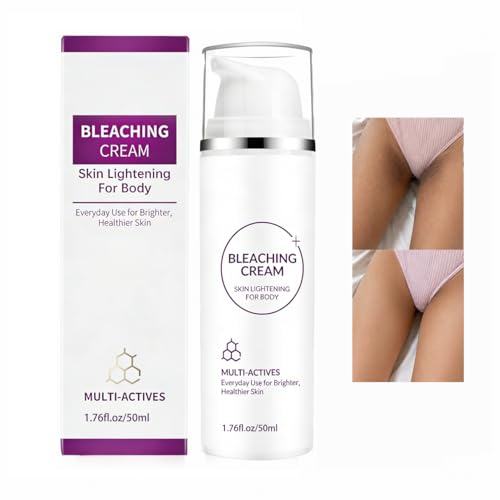
Recommended Products to Lighten Dark Underarms, Knees, and Elbows
Disclosure: As an Amazon Associate, I earn from qualifying purchases. We only recommend products that we believe offer value to our readers. Learn more.
Frequently Asked Questions (FAQ)
References
- American Academy of Dermatology Association. (n.d.). Dark spots: Causes and treatment.https://www.aad.org/public/diseases/a-z/dark-spots-causes
- American Academy of Dermatology Association. (n.d.). Sunscreen FAQs.https://www.aad.org/public/everyday-care/sun-protection/shade-clothing-sunscreen/sunscreen-faqs
- Cleveland Clinic. (2023). Hyperpigmentation: What It Is, Causes, Symptoms & Treatment.https://my.clevelandclinic.org/health/diseases/21885-hyperpigmentation
- DermNet NZ. (n.d.). Post-inflammatory hyperpigmentation.https://dermnetnz.org/topics/postinflammatory-hyperpigmentation
- Mayo Clinic. (n.d.). Acanthosis nigricans: Symptoms and causes.https://www.mayoclinic.org/diseases-conditions/acanthosis-nigricans/symptoms-causes/syc-20368983
- National Center for Complementary and Integrative Health. (n.d.). Aloe Vera.https://www.nccih.nih.gov/health/aloe-vera
- National Center for Complementary and Integrative Health. (n.d.). Turmeric.https://www.nccih.nih.gov/health/turmeric
- National Institutes of Health Office of Dietary Supplements. (n.d.). Vitamin C Fact Sheet for Consumers.https://ods.od.nih.gov/factsheets/VitaminC-Consumer/
- National Institutes of Health Office of Dietary Supplements. (n.d.). Vitamin E Fact Sheet for Consumers.https://ods.od.nih.gov/factsheets/VitaminE-Consumer/
- DermNet NZ. (n.d.). Chemical peels.https://dermnetnz.org/topics/chemical-peels
- American Society for Dermatologic Surgery. (n.d.). Laser & Light Treatments.https://www.asds.net/skin-experts/skin-treatments/laser-and-light-treatments
- Cleveland Clinic. (2022). Hyperpigmentation Treatments.https://my.clevelandclinic.org/health/diseases/21885-hyperpigmentation
- Encyclopaedia Britannica. (n.d.). Catechol oxidase.https://www.britannica.com/science/catechol-oxidase
- DermNet NZ. (n.d.). Topical retinoids.https://dermnetnz.org/topics/topical-retinoids
- American Academy of Dermatology Association. (n.d.). Skin care tips for treating hyperpigmentation.https://www.aad.org/public/everyday-care/skin-care-secrets/routine/fade-dark-spots