A pimple patch can turn a tempting whitehead into a protected spot overnight, but only when you use the right type. How to use an acne patch correctly depends on the blemish, the patch ingredients, and how well the patch seals to clean skin. These stickers can absorb fluid, shield a sore spot, and help stop picking, but they cannot treat every kind of acne.
Start With the Right Acne Patch for the Blemish
Acne patches work best when they match the breakout stage. The American Academy of Dermatology says pimple patches can draw out fluid and help stop picking, but they won’t work well on deep acne. Choosing the wrong patch may lead to irritation without improving the blemish.
Choose Hydrocolloid Patches for Whiteheads and Surface Pimples
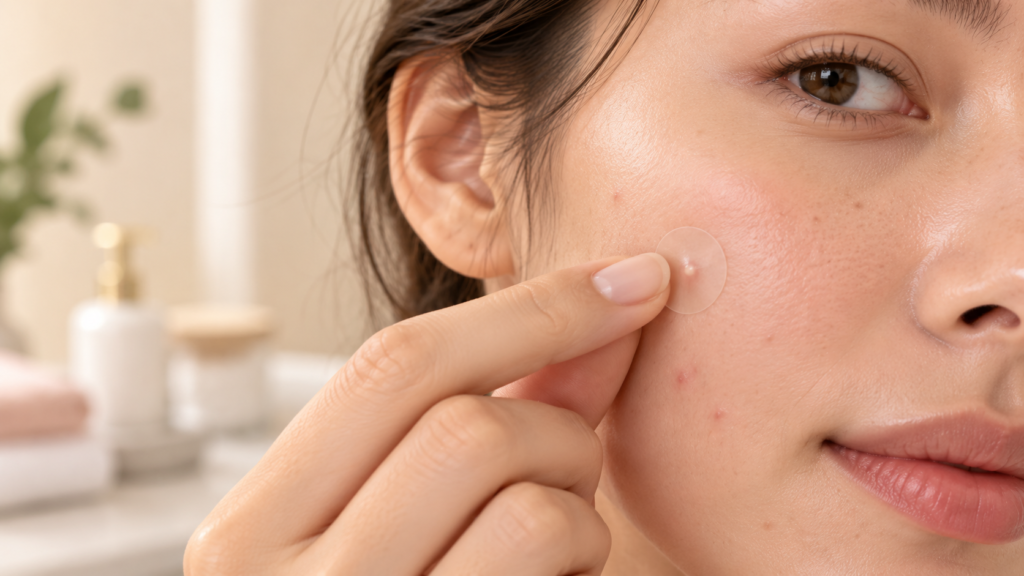
Hydrocolloid patches contain a gel that absorbs fluid from a moist, surface-level pimple. As the patch takes in drainage, it may become cloudy or swollen. It also creates a barrier against dirt, rubbing, and your fingers.
These patches are most useful for whiteheads, pustules, and pimples that have opened and are draining. If a pimple has been picked, clean it gently before applying the patch. Avoid forcing a blemish to open, since squeezing can increase inflammation and raise the chance of dark marks or scars.
Use Medicated Patches Carefully for Inflamed Breakouts
Some acne patches contain salicylic acid, tea tree oil, or benzoyl peroxide. These ingredients may help certain inflamed pimples, but they can also cause dryness, stinging, peeling, or redness. The risk is higher if you place them over skin already irritated by acne products.
Read the label before applying a medicated patch. Don’t assume it works like a plain hydrocolloid patch. Cleveland Clinic notes that salicylic acid and tea tree oil may irritate sensitive skin, especially around an already sore blemish.
Know Which Breakouts Acne Patches Cannot Treat Well
A standard patch usually won’t make much difference to blackheads, deep whiteheads, cysts, nodules, or unopened bumps under the skin. It also cannot prevent new acne across a larger area. The patch sits on the surface, while deep lesions form farther below it.
Painful, recurring, or large lesions may need medical treatment. The AAD explains that deep cysts and nodules can cause scarring if left untreated. A patch can protect one spot, but it cannot replace an acne treatment plan.
Prepare the Skin So the Patch Sticks and Works Properly
Clean, dry skin gives the adhesive a better chance to seal. Oil, makeup, water, and thick creams can leave gaps around the patch. Those gaps may let the patch lift before it has time to work.
Wash the Area with a Gentle Cleanser
Wash your face with lukewarm water and a mild, non-abrasive cleanser. Use clean fingertips instead of a scrub, brush, or rough cloth. This removes oil and surface residue without adding friction to an inflamed spot.
Skip rubbing alcohol and harsh exfoliants before applying the patch. They can dry or weaken the skin barrier and make burning more likely. Cleveland Clinic also recommends washing the affected area before placing a pimple patch.
Dry the Skin Completely Before Application
Pat the area dry with a clean towel, then wait until the skin feels fully dry. Water can weaken the adhesive and cause the edges to peel. Facial oil, sunscreen, and moisturizer can have the same effect.
Give the spot a short time to air-dry if needed. Drying matters even more when the patch stays overnight. A secure seal helps the hydrocolloid material contact the blemish.
Avoid Applying Skincare Under the Patch
Keep serums, creams, oils, sunscreen, and other spot treatments off the target area. These products can prevent the patch from sticking or increase irritation under an occlusive layer. Apply skincare around the blemish instead.
If you use a medicated patch, don’t add another active treatment beneath it. This includes retinoids, exfoliating acids, and benzoyl peroxide unless the product label or a clinician says to combine them.
Apply an Acne Patch Correctly for Maximum Coverage
The best patch application takes less than a minute. Handle the patch with its edges and place it once. Repositioning it can transfer oil and reduce the adhesive’s strength.
Select a Patch Slightly Larger Than the Pimple
Choose a patch that covers the whole blemish with a small margin of healthy skin. The patch should sit flat without folding over the pimple. A patch that’s too small may fail to seal, while an oversized one may lift or feel uncomfortable.
For a cluster of nearby pimples, use a larger patch made for several spots if the product allows it. Don’t cover a wide area with many layers of small patches. More adhesive can mean more irritation.
Press the Patch Firmly onto the Skin
Peel the patch from its backing without touching the center or sticky surface. Position it directly over the blemish, then press the middle and edges against the skin. Hold it in place for several seconds so the border can form a seal.
Check that no part of the pimple sticks out from under the patch. Smooth down any lifted edge before leaving it alone. Once applied, avoid rubbing, tapping, or repeatedly checking the spot.
Leave the Patch on for the Recommended Time
Follow the wear time on the package because products differ. Many patches are designed for several hours or overnight use. Cleveland Clinic advises leaving the patch on for the manufacturer’s recommended period.
Replace it when it becomes cloudy, swollen with fluid, loose, or dirty. Remove it when the stated wear limit ends, even if it still looks clear. Wearing a patch longer than directed may irritate the surrounding skin.
Remove and Replace the Patch Without Irritating the Skin
Removal should be gentle, especially if the pimple has opened. Pulling quickly can strip surface skin or reopen a healing spot. Take your time and keep your hands clean.
Peel the Patch Off Slowly from One Edge
Loosen one corner with a clean fingertip. Pull the patch back slowly, keeping it close to the skin instead of ripping it upward. If it feels stuck, soften the area only as the product instructions advise.
Don’t scrape the patch off with a tool or fingernail. A small amount of residue can be washed away. Forceful removal may cause redness and soreness.
Clean the Area After Removal
Wash your hands, then gently cleanse away any fluid or adhesive residue. Use lukewarm water and a mild cleanser. Don’t squeeze, scrape, or press the blemish after removing the patch.
Pat the area dry with a clean towel. Repeated touching can add irritation and may spread dirt to the healing skin. If the spot looks calm and closed, you can leave it uncovered or apply a fresh patch.
Apply a Fresh Patch Only to Clean, Dry Skin
Never wash and reuse a patch. Apply a new one only after cleaning and drying the area again. Continued use may help a surface pimple that still has drainage, but it won’t speed heal if the skin is already dry and closed.
Stop using the product if you develop redness, itching, burning, swelling, or a rash. These signs may point to irritation from the adhesive or an active ingredient. Remove the patch and avoid applying another until the skin settles.
Avoid Common Acne Patch Mistakes That Delay Healing
Small mistakes can reduce adhesion and leave the skin more irritated than before. A patch works best as targeted protection, not as permission to pile products. Keep the rest of your routine gentle while the spot heals.
Do Not Put a Patch Over Heavy Skincare or Makeup
Makeup and thick creams can block contact between the patch and skin. They may also trap residue beneath the sticker. Apply the patch to clean, bare skin before makeup.
If the patch becomes dirty, wet, or detached, replace it after cleansing the area. Don’t press a loose patch back into place. It may no longer be clean or sealed.
Do Not Pick, Pop, or Repeatedly Check the Pimple
A patch can block your fingers, but touching around its edges can still irritate the blemish. Picking may cause bleeding, swelling, discoloration, or scarring. Leave the patch alone for the recommended wear time.
If a pimple opens on its own, clean it gently before covering it. Don’t squeeze it to create more drainage. The goal is to protect the spot while the skin repairs itself.
Do Not Stack Multiple Irritating Acne Treatments
Avoid placing a medicated patch over strong exfoliating acids, retinoids, benzoyl peroxide, or drying spot treatments. Combining several active ingredients can increase burning and peeling. Check the label before using any other acne product in the same area.
The NHS lists benzoyl peroxide and salicylic acid among common acne treatments, but both can irritate skin when overused. If redness or stinging starts, pause overlapping products and return to gentle cleansing and moisturizing.
Know When an Acne Patch Is Not Enough
A patch may help one surface pimple, but acne that spreads or returns needs a broader plan. The NHS advises seeing a clinician when acne is moderate or severe, or pharmacy treatments have not worked. Treatment can take several weeks, so persistent problems deserve proper review.
Seek Professional Care for Painful or Deep Acne
Contact a healthcare professional for deep painful lumps, recurring cysts, spreading redness, major swelling, or widespread breakouts. Also seek care if lesions leave scars or fail to improve routine treatment. These signs may need prescription medicine rather than a sticker.
The NHS recommends medical care for painful nodules, scarring, and extensive papules or pustules on the face, chest, or back. Don’t keep covering a worsening lesion and hope the patch will resolve it.
Stop Using the Patch if the Skin Reacts
Remove the patch if you notice persistent burning, intense itching, blistering, worsening redness, or swelling. Adhesives and active ingredients can trigger irritation or sensitivity. Seek medical guidance if the reaction continues or becomes severe.
Do not apply another patch over broken, blistered, or highly inflamed skin. Let the area recover and use only products that do not sting. A clinician can help identify whether the adhesive or medication caused the reaction.
Use Patches as One Part of a Consistent Routine
Patches mainly protect individual blemishes and discourage picking. They do not clear clogged pores across the face or stop acne from forming. A steady routine should include gentle cleansing, non-comedogenic products, and daily sun protection.
For ongoing acne, choose treatments based on your skin type and the kind of breakouts you have. A pharmacist, doctor, or dermatologist can help you select suitable ingredients. Give treatment time to work instead of changing products every few days.
Conclusion
To use an acne patch correctly, choose the right type for the blemish, cleanse the area, and dry it fully. Place the patch directly over the pimple, press around the edges, and follow the product’s wear-time instructions. Remove it slowly, clean the skin, and use a fresh patch only when needed.
Hydrocolloid patches work best for surface pimples and clean, draining spots. They are not a substitute for care when acne is deep, painful, widespread, persistent, or causing scars. Use a patch as targeted protection and stop at the first sign of a skin reaction.
Recommended Products
Using the right acne patch starts with choosing one that matches your blemish. Here are a few acne patches and gentle skincare products that can help you follow the steps in this guide while keeping irritated skin protected and comfortable.
Disclosure: As an Amazon Associate, I earn from qualifying purchases. We only recommend products that we believe offer value to our readers. Learn more.
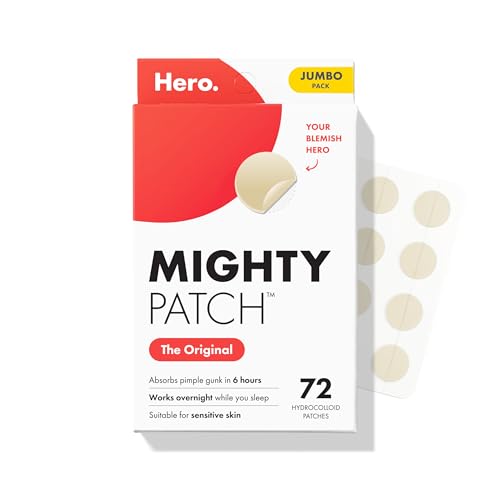
- The Original Award-Winning Acne Patch: Mighty Patch is a hydrocolloid patch that visibly improves the look of pimples ov…
- Results in 6-8 Hours: These overnight pimple patches absorb pimple gunk thanks to our medical-grade hydrocolloid. Clinic…
- All-Night Adhesion: These Mighty Patch acne stickers for face use are meant for use at night. These invisible pimple pat…
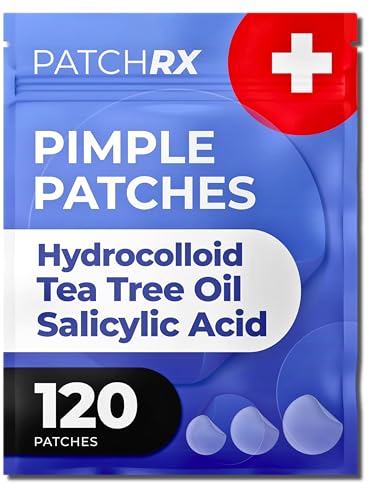
- NON-MEDICATED HYDROCOLLOID PATCHES: Cover blemishes and absorb excess fluid/oil to help keep the area clean and protecte…
- DAY OR NIGHT WEAR: Apply to clean, dry skin; wear 6–8 hours (or until the patch turns white), then replace as needed.
- HELPS PREVENT TOUCHING & PICKING: Forms a breathable, moist barrier that supports the skin’s natural recovery environmen…
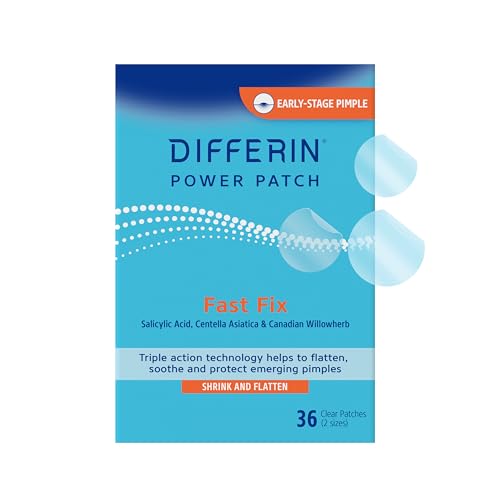
- CONTAINS SALICYLIC ACID: Helps shrink the appearance of acne
- STARTS WORKING FAST: Visible results in 6 hours these triple-action patches flatten, soothe, and protect acne blemishes
- INVISIBLE ULTRA-THIN: Easy to peel, large and small patches for early-stage pimples

- [ EFFECTIVE BLEMISH CONTROL ] CeraVe blemish patches, developed with dermatologists, absorb oil in 3 hours, soothe skin,…
- [ PROVEN RESULTS ] Suitable for sensitive skin, these allergy-tested, fragrance-free, hydrocolloid blemish patches preve…
- [ DISCREET & SECURE ] These ultra-thin clear blemish patches blend into all skin tones and offer discreet, secure spot t…
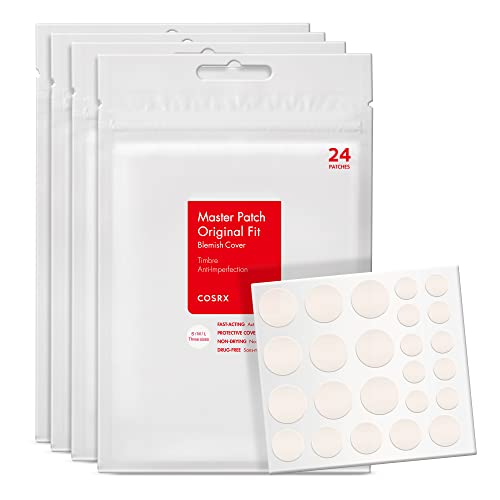
- The Original Pimple Patch: This 1st generation patch is loved by many over the years, due to its effectiveness. Highly r…
- Quick & Easy Treatment: This A.D.F dressing hydrocolloid patch protects the concerned area effectively and creates a moi…
- 24 Patches in Three Sizes: The patch is designed in three different sizes to cover multiple pimples all at once. Every p…
Frequently Asked Questions About Acne Patches
References
- American Academy of Dermatology Association (AAD). Think that DIY acne trick is helping? Here’s what dermatologists want you to know. The AAD notes that pimple patches can help draw fluid from pimples and discourage picking but are not effective for deep acne.
American Academy of Dermatology — DIY Acne Advice - American Academy of Dermatology Association (AAD). Tips to Treat a Deep, Painful Pimple. Covers nodular and cystic acne, avoiding squeezing, hydrocolloid patches, topical acne ingredients, sun protection, and when to consult a dermatologist.
AAD — Treating a Deep, Painful Pimple - American Academy of Dermatology Association (AAD). Adult Acne Treatment: Dermatologists Recommend. Explains when mild acne may be treated with over-the-counter products and when deep, painful or scarring acne warrants dermatologic care.
AAD — Adult Acne Treatment - Cleveland Clinic. How Do Pimple Patches Work? Discusses hydrocolloid patches, their usefulness for open or draining pimples, limitations for blackheads and deeper blemishes, and possible irritation from adhesives, salicylic acid, and tea tree oil.
Cleveland Clinic — How Pimple Patches Work - NHS. Acne — Treatment. Provides guidance on acne treatments including benzoyl peroxide and when medical treatment may be appropriate, particularly for more severe or scarring acne.
NHS — Acne Treatment - NHS. Acne — Complications. Explains the risk of acne scarring, particularly with cysts and nodules, and why picking or squeezing spots should be avoided.
NHS — Acne Complications