
Your skincare routine probably starts and ends with your face. You cleanse, moisturize, apply sunscreen, and maybe even use serums every day. But what about the rest of your body?
Your body skin works hard every single day. It faces friction from clothes, sun exposure, sweat, pollution, dry air, and constant movement. Over time, these factors can leave your skin feeling rough, dry, dull, or uneven. The truth is that glowing skin is not just about your face — it’s about caring for your entire body.
The good news? You don’t need an expensive spa routine to achieve soft, healthy, radiant skin from head-to-toe. With the right body care habits and products tailored to your skin needs, you can completely transform the way your skin looks and feels.
This personalized body care guide will help you understand your skin better, build an effective routine, and treat common body skin concerns naturally and effectively.

healthy skin from head to toe.
Why Body Care Matters
Body care is more than just applying lotion after a shower. Your skin is your body’s largest organ, and it acts as a protective barrier against environmental stress, bacteria, and dehydration.
When body skin is neglected, it can become:
- Dry and flaky
- Rough or bumpy
- Acne-prone
- Itchy and irritated
- Uneven in tone
- Prematurely aged
A consistent body care routine helps strengthen your skin barrier, keep hydrated, improve texture, and keep your skin healthy over time.
Think of body care as self-care. When your skin feels smooth and nourished, you naturally feel more confident and comfortable too.
Understanding Your Body Skin
Body Skin Is Different from Facial Skin
Many people use facial skincare knowledge for their body, but body skin behaves differently.
The skin on your arms, legs, and back is generally thicker than facial skin. It also produces less oil because there are fewer sebaceous glands. That’s why body skin tends to dry much faster, especially during freezing weather or after long hot showers.
At the same time, certain body areas can tolerate stronger ingredients like exfoliating acids better than the face.
For example:
- Your chest and back may receive help from acne-fighting ingredients
- Your legs may need richer moisturizers
- Your elbows and knees often require heavier hydration
Understanding these differences allows you to personalize your routine instead of using the same products everywhere.
Common Body Skin Concerns and How to Treat Them
1. Dry and Flaky Skin
Dry skin is one of the most common body care struggles. You may notice tightness after showering, flaky legs, or rough patches on elbows and knees.
What Causes It?
- Hot showers
- Harsh soaps
- Freezing weather
- Lack of moisturizing
- Dehydration
How to Fix Dry Skin
Choose gentle, hydrating body washes instead of harsh cleansers that strip away natural oils. After showering, apply moisturizer while your skin is still slightly damp to lock in hydration.
Look for ingredients like:
- Shea butter
- Ceramides
- Glycerin
- Hyaluronic acid
Practical Example
If your legs feel itchy and dry every winter, switch to a cream-based bodywash and apply a thick body lotion at once after bathing. Within a few weeks, your skin can feel noticeably softer.
2. Keratosis Pilaris (Tiny Bumps on Arms and Legs)
Those small rough bumps, often called “chicken skin”, are known as keratosis pilaris. They commonly appear on the upper arms, thighs, or buttocks.
This happens when keratin builds up and blocks hair follicles.
Best Ways to Improve It
- Use chemical exfoliants like lactic acid or salicylic acid
- Moisturize consistently
- Avoid aggressive scrubbing
Practical Example
Using a lotion with lactic acid every night after showering can gradually smooth rough bumps over several weeks.
3. Body Acne (Bacne)
Back and chest acne can feel frustrated and embarrassed, especially during warm weather.
Sweat, tight clothing, excess oil, and bacteria often contribute to breakouts.
How to Prevent Body Acne
- Shower after workouts
- Wear breathable cotton clothing
- Use salicylic acid body wash
- Avoid leaving sweaty clothes on too long
Practical Example
If you regularly exercise, keeping a clean shirt and showering at once afterward can dramatically reduce body breakouts.
4. Uneven Skin Tone and Dark Spots
Dark marks can appear after acne, shaving irritation, or too much sun exposure.
Ingredients That Help Brighten Skin
- Vitamin C
- Niacinamide
- Retinol
- Alpha hydroxy acids (AHAs)
Daily sunscreen is also essential because UV exposure can worsen pigmentation.
Building the Perfect Personalized Body Care Routine
Step 1: Cleanse Gently
Your cleanser should remove sweat, dirt, and oil without leaving your skintight or dry.
Choose:
- Hydrating cleansers for dry skin
- Acne-fighting body washes for breakouts
- Fragrance-free formulas for sensitive skin
Avoid over-washing your body multiple times a day unless necessary.
Step 2: Exfoliate Weekly
Exfoliation removes dead skin cells and reveals smoother skin underneath.
There are two main types:
Physical Exfoliation
- Body scrubs
- Dry brushing
- Exfoliating gloves
Chemical Exfoliation
- Glycolic acid
- Salicylic acid
- Lactic acid
Exfoliating 1–2 times weekly is enough for most people.
Over-exfoliating can damage your skin barrier and increase irritation.
Step 3: Moisturize Daily
Hydration is the secret to healthy-looking skin.
Body lotions and creams help:
- Prevent dryness
- Improve softness
- Support skin repair
- Strengthen the skin barrier
Apply moisturizer daily, especially after bathing.
For extremely dry areas like feet or elbows, use thicker creams or body balms overnight.
Step 4: Never Skip Sunscreen
One of the biggest body care mistakes people make is only applying sunscreen to their face.
Your neck, chest, arms, and legs also need protection from UV damage.
Daily sunscreen use helps:
- Prevent premature aging
- Reduce dark spots
- Protect collagen
- Lower skin cancer risks
Use broad-spectrum SPF 30 or higher whenever your skin is exposed to sunlight.
Lifestyle Habits That Improve Your Skin
Healthy skin also starts from within.
Simple lifestyle habits can make an enormous difference:
- Drink plenty of water
- Eat fruits and vegetables rich in antioxidants
- Get enough sleep
- Manage stress
- Exercise regularly
When your body is healthy, your skin often reflects it naturally.
Achieving radiant skin from head to toe doesn’t require perfection. It requires consistency.
When you understand your body’s unique skin needs and create a routine that supports hydration, exfoliation, and protection, your skin gradually becomes smoother, healthier, and more confident looking over time.
Start small. Even a simple routine with gentle cleansing, regular moisturizing, and sunscreen can make a noticeable difference.
Your body deserves the same care and attention as your face — maybe even more.
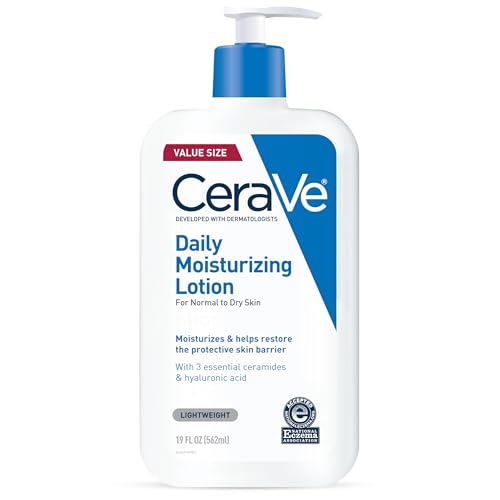
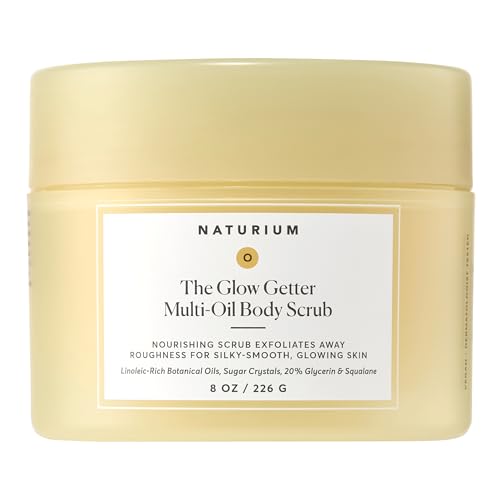
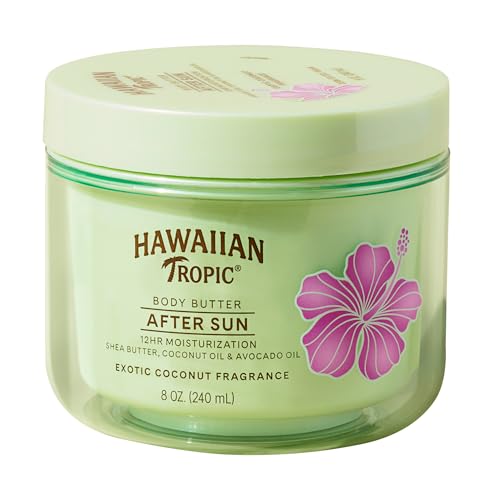
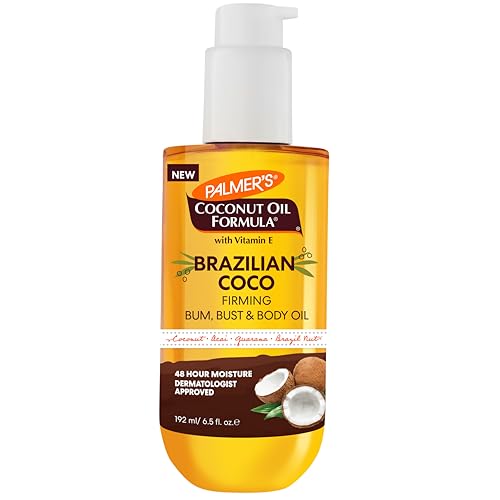
Recommended Products
Disclosure: As an Amazon Associate, I earn from qualifying purchases. We only recommend products that we believe offer value to our readers. Learn more.

Frequently Asked Questions (FAQ)
References
- American Academy of Dermatology Association (AAD).Skin care tips dermatologists use. Helpful for general dermatologist-recommended skincare practices, including gentle cleansing, moisturizing, and sun protection. American Academy of Dermatology Association
- Mayo Clinic.Keratosis pilaris — Symptoms and causes. Explains how keratosis pilaris develops when keratin builds up and blocks hair follicles, producing small, rough bumps commonly found on the arms, thighs, cheeks, and buttocks. Mayo Clinic — Keratosis Pilaris Symptoms and Causes
- Mayo Clinic.Keratosis pilaris — Diagnosis and treatment. Discusses moisturizers and topical exfoliating ingredients such as lactic acid, alpha hydroxy acids, salicylic acid, and urea for improving rough skin associated with keratosis pilaris. It also recommends warm rather than hot water and avoiding aggressive scrubbing. Mayo Clinic — Keratosis Pilaris Treatment
- U.S. Food and Drug Administration (FDA).Sunscreen: How to Help Protect Your Skin from the Sun. Provides guidance on broad-spectrum sunscreen, SPF, application, reapplication, and protecting exposed areas of the body from ultraviolet radiation. FDA — Sunscreen and Skin Protection
- U.S. Food and Drug Administration (FDA).Tips to Stay Safe in the Sun: From Sunscreen to Sunglasses. Explains the relationship between UV exposure, premature skin aging, and skin cancer and provides recommendations for sunscreen, protective clothing, and other sun-protection measures. FDA — Tips to Stay Safe in the Sun
- DermNet New Zealand.Stretch marks (striae). Provides dermatologist-reviewed information about stretch marks, their skin changes, and treatment approaches. It notes that treatments such as moisturizers, topical retinoids, chemical peels, lasers, and skin needling may be tried, but treatment results are variable and some approaches have not been proven effective. DermNet — Stretch Marks
- DermNet New Zealand.Topical retinoids (vitamin A creams). Provides medical information about topical retinoids, including their uses, benefits, precautions, and potential adverse effects. DermNet — Topical Retinoids
- U.S. Food and Drug Administration (FDA).Sun Protection Factor (SPF). Explains what SPF measures and clarifies that SPF indicates protection from UV exposure rather than the amount of time a person can safely remain in the sun. FDA — Sun Protection Factor (SPF)