Your face is not the only part of your body exposed to daily damage. Every time you step outside, the skin on your arms, legs, shoulders, chest, and neck faces harsh UV rays, pollution, heat, and environmental stress. Over time, these invisible aggressors can lead to sunburn, dark spots, dryness, premature aging, and uneven skin tone.
Yet many people spend time caring for their face while forgetting the rest of their skin.
The truth is that healthy and glowing skin requires full-body care. A personalized body care routine can help protect your skin, prevent long-term damage, and keep your body looking smooth, hydrated, and youthful.
In this guide, you’ll learn how to choose the right sunscreen, defend your skin against environmental damage, and treat common signs of sun exposure naturally and effectively.

Why Sun Protection for the Body Is So Important
Most people only think about sunscreen during beach trips or summer vacations. But UV rays affect your skin every single day — even when it’s cloudy.
There are two main types of UV rays that damage the skin:
- UVA rays cause premature aging, wrinkles, and sagging skin.
- UVB rays cause sunburn and direct skin damage.
Without proper protection, daily exposure slowly weakens the skin barrier. You may notice rough patches, uneven tone, dryness, or stubborn dark spots on your shoulders, arms, or legs.
Think about how often your skin is exposed:
- Walking outdoors
- Driving
- Exercising outside
- Sitting near windows
- Running errands during the day
Even tiny amounts of sun exposure add up over time.
That’s why dermatologists recommend making sunscreen part of your everyday body care routine — not just something you use occasionally.
Choosing the Right Body Sunscreen for Your Skin
Not all sunscreen feels or performs the same. The best sunscreen is the one you’ll enjoy using every day.
Spray Sunscreens for Fast Application
Spray sunscreens are perfect for busy mornings and quick coverage. They work especially well for large areas like legs, arms, and back.
For proper application:
- Shake the bottle well
- Hold it about six inches away
- Spray evenly across the skin
- Rub it in for full coverage
Sprays are great for people who dislike heavy lotions or sticky textures.
Practical Example:
If you’re heading out for a morning walk or commuting to work, a lightweight spray sunscreen makes reapplication easy and convenient.
Mineral Sunscreens for Sensitive Skin
If your skin becomes irritated easily, mineral sunscreen may be a better choice. These formulas have ingredients like zinc oxide or titanium dioxide that sit on top of the skin and physically block UV rays.
Unlike some chemical sunscreens, mineral formulas are gentler and less likely to cause redness or breakouts.
Modern formulas are also much better at blending into the skin without leaving a thick white cast.
Best For:
- Sensitive skin
- Redness-prone skin
- Dry or reactive skin types
Moisturizing Sunscreens for Dry Skin
Dry skin needs hydration and protection at the same time. Body lotions with SPF help simplify your routine while keeping your skin soft and smooth.
Look for ingredients such as:
- Hyaluronic acid
- Glycerin
- Ceramides
- Shea butter
These ingredients lock in moisture while sunscreen shields the skin from UV damage.
Practical Example:
Applying an SPF body lotion after your morning shower helps prevent both dryness and sun damage throughout the day.
Water-Resistant Sunscreens for Active Lifestyles
If you sweat often, swim, or spend long hours outdoors, choose a water-resistant sunscreen.
However, remember that no sunscreen lasts forever. Reapply every two hours, especially after sweating or swimming.
Always choose a broad-spectrum SPF 30 or higher to protect against both UVA and UVB rays.
How Pollution and Environmental Stress Affect Your Skin
The sun is not the only thing that damaging your skin. Pollution, smoke, dust, and harsh weather conditions can also weaken your skin barrier.
Environmental stress creates free radicals that damage healthy skin cells and speed up aging.
Signs of environmental skin damage include:
- Dullness
- Dryness
- Rough texture
- Fine lines
- Uneven skin tone
- Increased sensitivity
Living in busy cities or spending lots of time outdoors can make these issues worse.
Simple Ways to Protect Your Skin Daily
Healthy body skin is not about perfection. It’s about consistency.
Here are simple habits that make an enormous difference:
1. Shower After Outdoor Exposure
Wash away sweat, dirt, and pollutants after spending time outside.
2. Use Gentle Body Cleansers
Harsh soaps can strip natural oils and weaken the skin barrier.
3. Moisturize Every Day
Hydrated skin looks healthier, smoother, and more resilient.
4. Wear Protective Clothing
Lightweight long sleeves, hats, and sunglasses help reduce direct UV exposure.
5. Stay Hydrated
Drinking enough water supports healthy skin from the inside out.
Treating Sun Damage and Uneven Skin Tone
If your skin already shows signs of sun damage, don’t worry. The right skincare ingredients can help improve texture, brightness, and overall appearance over time.
Vitamin C for Brightening Dark Spots
Vitamin C is one of the best ingredients for fading pigmentation caused by sun exposure.
It helps:
- Brighten dull skin
- Fade dark spots
- Support collagen production
- Protect against environmental damage
Apply Vitamin C products in the morning underneath sunscreen for better protection and brighter-looking skin.
Practical Example:
If you notice darker patches on your shoulders or chest after vacations or outdoor activities, Vitamin C can gradually help even out the skin tone.
Niacinamide for Redness and Skin Repair
Niacinamide is a gentle but powerful ingredient that helps calm redness and strengthens the skin barrier.
Benefits include:
- Reducing inflammation
- Improving uneven skin tone
- Minimizing dryness
- Supporting healthier skin texture
It works especially well for people dealing with irritation from past sunburns.
Gentle Exfoliation for Smooth Skin
Exfoliating once or twice a week removes dead skin cells and helps skincare products absorb better.
You can use:
- Mild body scrubs
- Lactic acid lotions
- Gentle exfoliating body washes
Avoid over-exfoliating, especially after sun exposure, because it can irritate the skin.
Building a Personalized Body Care Routine
The best body care routine is one that fits your lifestyle and feels easy to keep.
A simple daily routine may include:
Morning
- Gentle cleanser
- Vitamin C serum or lotion
- SPF moisturizer or sunscreen
Evening
- Shower or cleanse
- Hydrating body lotion
- Niacinamide or repair treatment
Weekly
- Gentle exfoliation
- Deep moisturizing treatment
Consistency matters more than having dozens of products.
Your body’s skin deserves the same care and attention as your face. Daily sun protection and environmental defense are not just beauty habits — they are long-term investments in your skin health.
Small daily actions like applying sunscreen, moisturizing regularly, and using antioxidant-rich products can help prevent damage before it starts.
Healthy skin is not about achieving perfection. It’s about feeling comfortable, confident, and protected in your own skin every day.
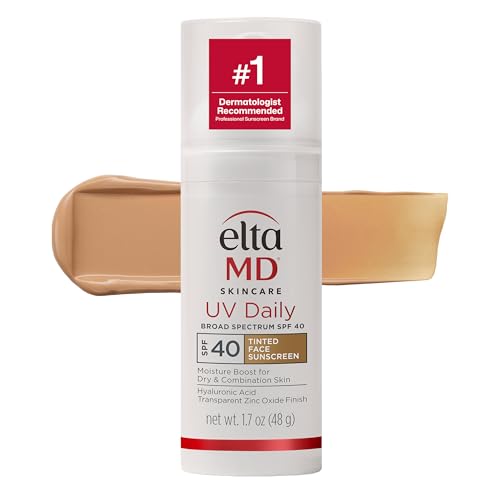
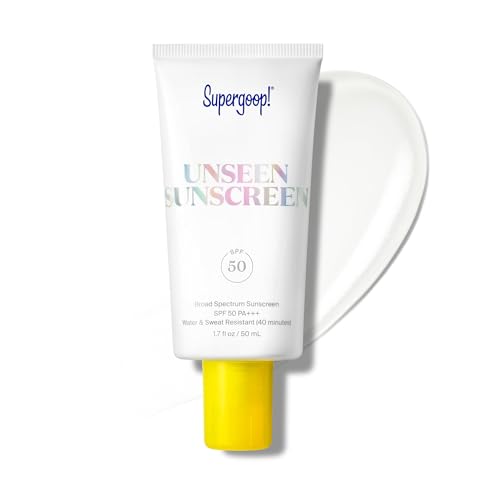
Recommended Products
Disclosure: As an Amazon Associate, I earn from qualifying purchases. We only recommend products that we believe offer value to our readers. Learn more.



Frequently Asked Questions (FAQ)
References
- American Academy of Dermatology Association (AAD).How to Apply Sunscreen. Updated August 15, 2025. The AAD recommends broad-spectrum, water-resistant sunscreen with SPF 30 or higher and advises reapplying approximately every two hours while outdoors, as well as after swimming or sweating. American Academy of Dermatology – How to Apply Sunscreen
- U.S. Food and Drug Administration (FDA).Tips to Stay Safe in the Sun: From Sunscreen to Sunglasses. Provides guidance on sunscreen labels, broad-spectrum protection, protective clothing, sunglasses, shade, and water resistance. FDA – Tips to Stay Safe in the Sun
- U.S. Food and Drug Administration (FDA).Questions and Answers: FDA Announces New Requirements for Over-the-Counter Sunscreen Products. Explains UVA and UVB protection, broad-spectrum labeling, SPF, water resistance, and sunscreen reapplication requirements. FDA – Sunscreen Questions and Answers
- Farris, P. K. (2005).Topical vitamin C: A useful agent for treating photoaging and other dermatologic conditions. Dermatologic Surgery, 31(7 Pt 2), 814–817. Reviews evidence concerning topical vitamin C, including its antioxidant activity, effects on collagen, pigmentation, and photodamaged skin. PubMed – Topical Vitamin C and Photoaging
- Humbert, P. G., et al. (2003).Topical ascorbic acid on photoaged skin: Clinical, topographical and ultrastructural evaluation—double-blind study vs. placebo. Experimental Dermatology, 12(3), 237–244. A clinical study examining topical vitamin C on photoaged skin, including the neck and arms. PubMed – Topical Ascorbic Acid on Photoaged Skin
- Al-Niaimi, F., & Chiang, N. Y. Z. (2017).Topical Vitamin C and the Skin: Mechanisms of Action and Clinical Applications. The Journal of Clinical and Aesthetic Dermatology, 10(7), 14–17. Discusses the antioxidant, photoprotective, anti-aging, collagen-supporting, and antipigmentation properties of topical vitamin C. NIH/PMC – Topical Vitamin C and the Skin
- Boo, Y. C. (2021).Mechanistic Basis and Clinical Evidence for the Applications of Nicotinamide (Niacinamide) to Control Skin Aging and Pigmentation. Antioxidants, 10(8), 1315. Reviews evidence suggesting topical niacinamide can support the skin barrier and help with pigmentation, oxidative stress, inflammation, and signs of skin aging. NIH/PMC – Niacinamide, Skin Aging and Pigmentation
- Akinboro, A. O., et al. (2022).Topical treatment for postinflammatory hyperpigmentation: A systematic review. Journal of Dermatological Treatment. The review found evidence supporting several topical approaches for hyperpigmentation and noted that SPF 30+ sunscreen was recommended in nearly all included studies. PubMed – Postinflammatory Hyperpigmentation Systematic Review