
Dealing with razor bumps, redness, and ingrown hairs after shaving is a common and frustrating experience. Many people struggle to achieve a consistently smooth shave without accompanying discomfort. The good news is that achieving a shave that leaves your skin feeling calm is not a matter of luck, but rather of adopting the right techniques and using the appropriate tools. This guide will walk you through the proven methods to transform your shaving routine from a source of irritation into a path to smooth, comfortable skin.
Understanding the root causes of razor burn, and irritation is the first step towards prevention. It often stems from a combination of blunt razors, improper technique, dry skin, and insufficient preparation. By addressing these factors, you can significantly reduce or even eliminate post-shave discomfort, leaving your skin feeling calm and looking for its best.
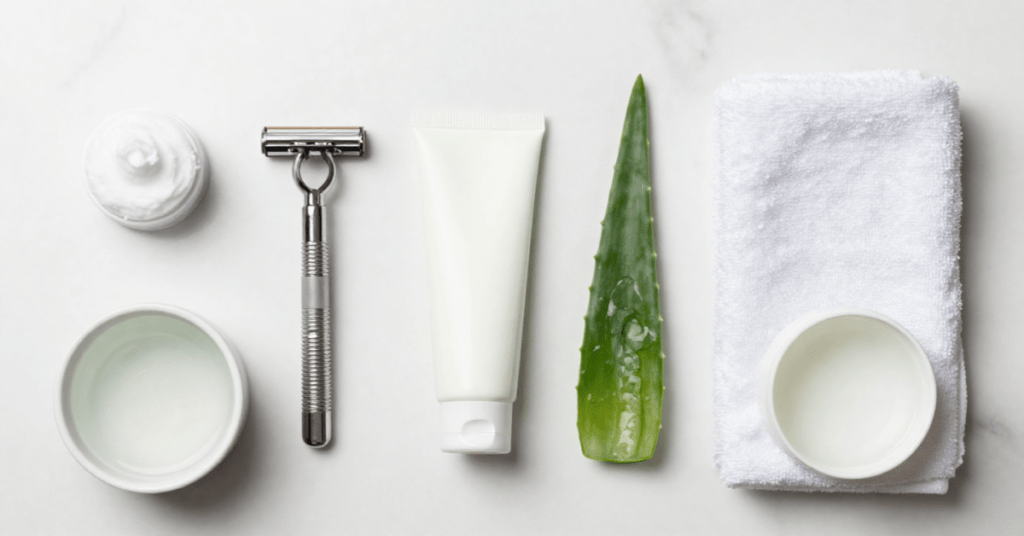
Prepare Your Skin for a Gentle Shave
The secret to a great shave starts long before you pick up the razor. If you try to shave dry or unprepared skin, you are likely to experience discomfort. Proper preparation softens the hair and readies the skin surface for the blade.
Soften Hair with Warm Water and Cleansing
Warm water is one of the most effective tools for a smooth shave. It acts by hydrating the hair shaft, making it easier for the blade to cut through the hair without tugging. For the best results, shave towards the end of a warm shower. The steam and heat work together to soften both the skin and the hair, which helps you shave skin without getting skin irritation. If you do not have time for a full shower, holding a warm, wet washcloth against the area for a few minutes works well, too. You should also use a gentle cleanser to remove excess oils, dirt, and dead skin cells before you begin. A clean surface allows the razor to glide more smoothly, reducing the chances of nicks and cuts.
Exfoliate to Prevent Ingrown Hairs
Exfoliation is essential for keeping pores clear and preventing hair from becoming trapped beneath the skin. When dead skin cells pile up, they act as a barrier that can cause hair to grow back into the skin, leading to painful, unsightly ingrown hair. You can choose between physical or chemical exfoliation methods. A soft washcloth or a gentle scrub works for physical exfoliation. Chemical exfoliants, such as those containing salicylic acid or glycolic acid, help dissolve dead cells without scrubbing. Choose a method that works for your skin type and do not overdo it, as aggressive scrubbing can itself cause irritation.
Choose the Right Tools for a Superior Shave
The tools you use are just as important as your technique. Quality matters when it comes to preventing razor burns and irritation. Using a dull blade or the wrong type of shaving product will almost always lead to poor results, regardless of how careful you are.
Select a Sharp, Clean Razor
The razor is the engine of your shaving routine. A dull blade is a primary cause of razor burn because it drags across the skin rather than slicing through hair cleanly. You should change your razor blade every five to seven shaves, or sooner if you notice it tugging or pulling at your hair. Many people find that a single-blade safety razor provides more control and creates less irritation than multi-blade razors, which can pull the hair before cutting it. Regardless of the type you use, always keep the razor clean to prevent bacteria from building up.
Opt for Quality Shaving Cream or Gel
Never shave without a barrier between the blade and your skin. Shaving cream or gel is vital because it creates a slick surface that helps the razor glide without friction. Look for products labeled fragrance-free or hypoallergenic if you have sensitive skin, as artificial scents can cause redness. A high-quality shaving of gel or cream will also help hydrate the skin during the shave, further lowering the risk of irritation.
Master the Art of the Shave Stroke
Once you have prepared your skin and chosen your tools, the way you actually shave determines the final outcome. Many people make the mistake of using too much pressure or going against the grain, both of which are common triggers for discomfort.
Shave with the Grain, Not Against It
Shaving with the grain means moving the razor in the same direction as your hair grows. While many people think shaving against the grain is necessary for a “baby smooth” shave, it is a fast way to get razor bumps and ingrown hair. Going against the grain pulls the hair out of its follicle before cutting it, which can cause the hair to retract and grow back into the skin. Take a moment to map out the growth pattern of your hair on different parts of your body. Once you understand the direction of growth, always shave in that direction to keep your skin healthy and irritation-free.
Employ Light Pressure and Short Strokes
The weight of the razor should do most of the work for you. Many people press down far too hard, thinking it will give them a closer shave. Instead, pressing hard causes the blade to dig into the skin, causing the razor to burn. Use light, gentle pressure and make short, controlled strokes. Rinse the razor frequently—ideally every one or two strokes—to keep it free of hair and shaving cream buildup.
Post-Shave Care for Soothed, Healthy Skin
What you do immediately after you shave is crucial for skin recovery. Your skin is more sensitive after the blade has passed over it, so treating it with care is important.
Rinse with Cool Water
After you finish shaving, rinse the area with cool water. While warm water opens pores and softens hair for the shave, cool water helps to calm the skin and constrict the pores. This step helps reduce the chance of bacteria entering your pores and minimizes any immediate redness or inflammation.
Apply a Calming Moisturizer
Moisturizing after shaving helps restore the skin barrier and reduce dryness.
The final step is to replenish the moisture that the shaving process may have removed. Apply an alcohol-free aftershave balm or a gentle moisturizer immediately after rinsing. Ingredients like aloe vera, chamomile, or shea butter are excellent for soothing and hydrating the skin. Avoid products with high alcohol content, as these can sting and dry out your skin, which is the opposite of what you want.
Dealing with Persistent Irritation and Bumps
Sometimes, even when you follow all the rules, irritation can still happen. Understanding how to manage it helps you get back to healthy skin quickly.
Recognize and Treat Minor Irritation
Dermatologists recommend taking a break from shaving to allow trapped hairs to grow out naturally, which helps reduce inflammation and promotes healing. You can use a cool compress to calm the skin and apply a fragrance-free, soothing cream to help it recover. Stay away from harsh products containing fragrance or heavy perfumes, as these can make the irritation worse. Simple, gentle care is often all that is needed to clear up minor issues.
When to Seek Professional Advice
If you experience deep, painful bumps, signs of infection, or irritation that simply will not go away after several days, you should speak with a dermatologist. Sometimes, what looks like regular razor burn is an underlying skin condition that needs specialized treatment. Do not wait too long if you see signs of swelling or pus, as these may indicate a need for professional medical care.
Achieving a close, comfortable shave without the sting of razor burn is entirely within reach by incorporating these best practices into your routine. The journey begins with thorough preparation, moves through the selection of appropriate tools and the skillful execution of shaving techniques, and culminates in diligent post-shave care. By prioritizing skin health with every stroke, you can consistently enjoy smooth, irritation-free skin. Take the time to care for your skin during this process, and you will find that shaving becomes a much more satisfying and comfortable part of your day.
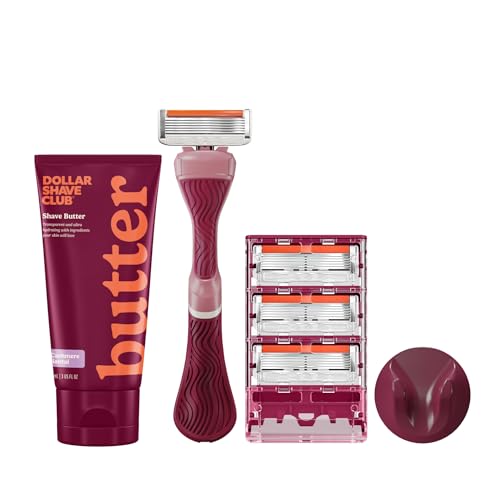
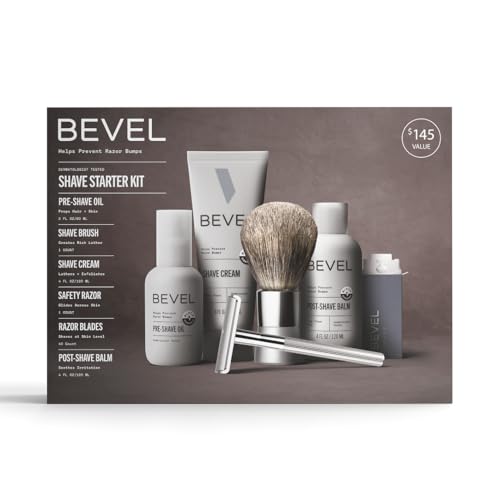
Best Products for a Smooth, Razor Burn-Free Shave
Disclosure: As an Amazon Associate, I earn from qualifying purchases. We only recommend products that we believe offer value to our readers. Learn more.





Frequently Asked Questions (FAQ)
References
- American Academy of Dermatology Association. (n.d.). Tips for men: How to shave. Retrieved August 7, 2026, from https://www.aad.org/media/news-releases/tips-for-men-how-to-shave
- American Academy of Dermatology Association. (n.d.). 6 razor bump prevention tips from dermatologists. Retrieved August 7, 2026, from https://www.aad.org/public/everyday-care/skin-care-basics/hair/razor-bump-prevention
- American Academy of Dermatology Association. (n.d.). Razor bumps: Diagnosis and treatment. Retrieved August 7, 2026, from https://www.aad.org/public/diseases/a-z/razor-bumps-treatment
- Mayo Clinic. (n.d.). Ingrown hair: Symptoms and causes. Retrieved August 7, 2026, from https://www.mayoclinic.org/diseases-conditions/ingrown-hair/symptoms-causes/syc-20373893
- Cleveland Clinic. (2023). Ingrown Hair: Causes, Symptoms, Treatment & Prevention. Retrieved August 7, 2026, from https://my.clevelandclinic.org/health/diseases/17687-ingrown-hair
- Merck Manual Professional Edition. (n.d.). Pseudofolliculitis barbae. Retrieved August 7, 2026, from https://www.merckmanuals.com/professional/dermatologic-disorders/hair-disorders/pseudofolliculitis-barbae
- MedlinePlus. (n.d.). Skin conditions. U.S. National Library of Medicine. Retrieved August 7, 2026, from https://medlineplus.gov/skinconditions.html
- National Institute of Arthritis and Musculoskeletal and Skin Diseases. (NIAMS). (n.d.). Skin diseases. Retrieved August 7, 2026, from https://www.niams.nih.gov/health-topics/skin-diseases
- American Academy of Dermatology Association. (n.d.). Skin care basics. Retrieved August 7, 2026, from https://www.aad.org/public/everyday-care
- Mayo Clinic. (n.d.). Dry skin: Self-care. Retrieved August 7, 2026, from https://www.mayoclinic.org/diseases-conditions/dry-skin/diagnosis-treatment/drc-20353891


An enjoyable read, thanks