
Are coffee, tea, or everyday habits leaving your teeth looking stained or dull? If you’re interested in gentle ways to brighten your smile, it helps to understand which natural approaches are supported by evidence—and which may harm your enamel. Many people look for safe, accessible products that can whiten your teeth naturally. Some surface stains can be improved with appropriate at-home oral-care products, although deeper or unusual discoloration may require evaluation by a dentist. Good oral-hygiene habits and certain properly formulated products can help reduce surface staining and keep teeth looking cleaner and brighter. This guide breaks down effective methods to help you achieve a cleaner, whiter look right at home. We will cover the science, the risks, and the practical steps to make these methods work for you.
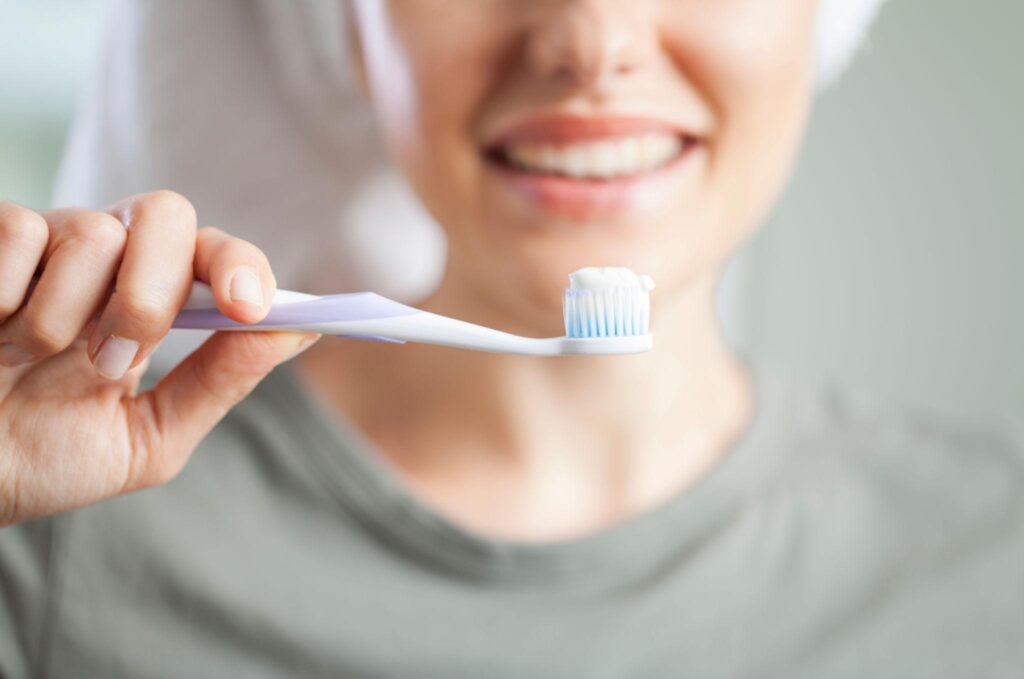
Understanding Natural Teeth Whitening
To whiten your teeth, you must first know why they change color. It is not just about what you eat. It is also about your enamel and how your teeth are built.
Common Causes of Tooth Discoloration
Extrinsic stains happen on the outside of the tooth. These come from dark foods and drinks like coffee, tea, red wine, and berries. Tobacco use is another major cause of these surface stains.
Intrinsic stains are different. They occur inside the teeth. Factors like aging, genetics, certain medications, and past trauma cause these changes. As we age, our enamel thins out. This reveals the dentin underneath, which has a yellowish color.
How Natural Whitening Agents Work?
Some whitening toothpastes contain controlled abrasives that help remove extrinsic surface stains through gentle polishing. At-home whitening approaches generally fall into two categories. Whitening toothpastes remove extrinsic stains primarily through controlled abrasives, while peroxide-based whitening products chemically lighten tooth color. Regular brushing and interdental cleaning also remove plaque and help teeth look cleaner, although they do not change the natural color of dentin.
Top Natural Teeth Whitening Products and Ingredients
Many items in your kitchen have potential for oral care. You must use them correctly to ensure safety.
Baking Soda (Sodium Bicarbonate)
Baking soda is a mild abrasive. Baking soda is used in some toothpastes as a mild abrasive, and research indicates that properly formulated baking-soda dentifrices can help remove extrinsic stains. Acids contribute to enamel demineralization, but the statement makes baking soda sound like a proven decay-prevention treatment. NIDCR recommends fluoride toothpaste for preventing cavities. This neutralizes acids in your mouth that lead to decay.
For a safer evidence-based option, choose a fluoride toothpaste containing baking soda and use it according to the manufacturer’s directions. Products with the ADA Seal of Acceptance have been evaluated for safety and effectiveness for their stated use.
Activated Charcoal
Activated charcoal is a fine black powder. Its porous structure supposedly attracts and traps toxins and surface stains from your teeth. It is very popular in natural toothpaste and powder form.
You use it by dipping a wet toothbrush into the powder. Brush gently for two minutes and rinse until your mouth is clear of the black residue. Be careful. Some dentists worry that charcoal is too abrasive. If you have sensitive gum, be cautious. It can leave micro-scratches on enamel if used too often.
Oil Pulling (Coconut Oil, Sesame Oil)
Oil pulling is an ancient practice from India. You swish a tablespoon of oil, usually coconut or sesame, in your mouth for 15 to 20 minutes. The theory is that the oil traps bacteria and removes plaque.
While it is not a direct bleaching agent, it promotes oral hygiene. Removing bacteria leads to cleaner teeth. A cleaner mouth often looks brighter and healthier. Some people notice a shift in tooth color after a few weeks of consistent use.
Fruits and Vegetable Acids (Strawberries, Lemon)
Some people claim fruits like strawberries and lemon whiten teeth. They contain acids like malic acids. The theory is that these acids break down stains.
Do not apply lemon juice or acidic fruit directly to your teeth for long periods of time. Acid causes enamel erosion. Once the enamel is gone, it does not grow back. If you want to try this, mash the strawberry into a puree and apply it briefly. Rinse your mouth thoroughly with water right after. Never leave acidic residue on your teeth.
DIY Natural Teeth Whitening Recipes
You can make your own whitening mix at home with simple ingredients. Follow these steps for the best results.
Gentle Baking Soda & Hydrogen Peroxide Paste
This mix acts as a mild scrub to lift surface stains.
- Ingredients: Mix one teaspoon of baking soda with enough hydrogen peroxide (3% food grade) to form a paste.
- Preparation: Combine the two in a small bowl until it reaches a toothpaste consistency.
- Usage: Brush your teeth gently with this mixture for about one to two minutes.
- Precautions: Rinse your mouth completely with water after brushing. Use this only once a week to prevent irritation or enamel damage. If your teeth become sensitive, stop using them immediately.
Coconut Oil Pulling with Peppermint
Add peppermint oil gives you a fresh taste and adds antimicrobial benefits.
- Benefits: Peppermint helps mask the taste of the oil and freshens your breath.
- Guide: Put one tablespoon of coconut oil in your mouth. Add one drop of food-grade peppermint oil. Swish the oil around your mouth for 10 to 20 minutes. Spit the oil into the trash, not the sink, as it can clog drains.
- Results: Consistency is key here. You might not see a change right away. Most people report a brighter smile after a few weeks of daily practice.
Important Considerations and Precautions
Natural does not always mean harmlessness. You must protect your teeth while trying to brighten them.
Enamel Safety and Sensitivity
Enamel is the hard, protective layer of your teeth. Once it is damaged, it stays that way. Avoid scrubbing your teeth too hard with abrasive products. If you feel sharp pain or notice increased sensitivity when drinking cold water, stop using your whitening product. Your enamel may be thinning.
Integrating Natural Methods with Oral Hygiene
These products are not a replacement for brushing and flossing. You still need to remove plaque every day. Natural whitening is a supplement to your regular dental care. Always talk to your dentist before starting a new routine. They know your dental history and can tell you if a method is safe for your specific smile.
The Centers for Disease Control and Prevention Oral Health Resources (CDC) recommends brushing twice daily with fluoride toothpaste and flossing daily as part of a healthy oral care routine.
The Role of Diet and Lifestyle
What you eat has a massive impact on the tooth color. Dark drinks like black coffee, tea, and soda leave pigments on your teeth. Drink water after consuming these to rinse your mouth. Quitting smoking is the best thing you can do for both your health and the whiteness of your teeth.
Expert Insights and Scientific Backing
It helps to know what dental professionals think about home whitening trends.
Dentist Perspectives on Natural Whitening
Most dentists agree that natural methods have limits. They are good for removing surface stains, but they cannot change the internal color of your teeth. If you have deep, genetic discoloration, natural products will not give you the results you want. Professional treatment is often the only option for deep stains.
Scientific Studies on Key Ingredients
Research published in PubMed has shown that toothpastes containing baking soda can be more effective at removing surface stains and plaque than some non-baking soda formulations. Its mild abrasive action helps polish teeth while supporting overall oral hygiene. It is a standard ingredient in many commercial whitening toothpastes. However, research on activated charcoal is mixed. Many studies show it lacks strong evidence for superior whitening and warns about the potential for enamel wear. Always prioritize methods backed by evidence rather than social media trends.
Natural methods provide a simple way to maintain your smile. By choosing mild abrasives like baking soda and practicing good hygiene, you can reduce surface stains. Remember that consistency and patience are vital. If you experience pain or sensitivity, listen to your teeth and pause your routine. With careful, informed choices, you can feel confident about your bright, natural smile.
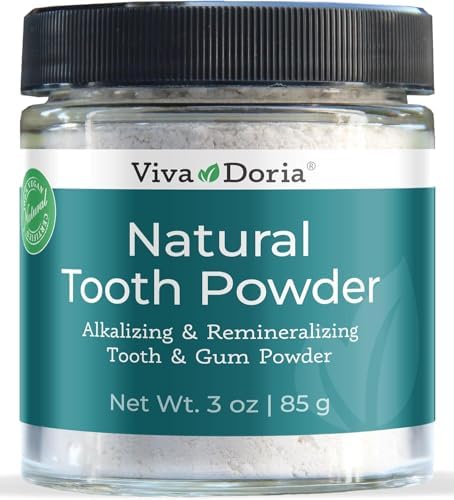
Recommended Products for Natural Teeth Whitening
Disclosure: As an Amazon Associate, I earn from qualifying purchases. We only recommend products that we believe offer value to our readers. Learn more.



Frequently Asked Questions (FAQ)
References
- Li, Y. (2017). Stain removal and whitening by baking soda dentifrice: A review of literature. Journal of the American Dental Association, 148(11S), S20–S26. https://doi.org/10.1016/j.adaj.2017.09.006
- Hara, A. T., & Turssi, C. P. (2017). Baking soda as an abrasive in toothpastes: Mechanism of action and safety and effectiveness considerations. Journal of the American Dental Association, 148(11S), S27–S33. https://doi.org/10.1016/j.adaj.2017.09.007
- Brooks, J. K., Bashirelahi, N., & Reynolds, M. A. (2017). Charcoal and charcoal-based dentifrices: A literature review. Journal of the American Dental Association, 148(9), 661–670. https://doi.org/10.1016/j.adaj.2017.05.001
- Woolley, J., Gibbons, T., Patel, K., & Sacco, R. (2020). The effect of oil pulling with coconut oil to improve dental hygiene and oral health: A systematic review. Heliyon, 6(8), e04789. https://doi.org/10.1016/j.heliyon.2020.e04789
- Peng, T.-R., Cheng, H.-Y., Wu, T.-W., & Ng, B.-K. (2022). Effectiveness of oil pulling for improving oral health: A meta-analysis. Healthcare, 10(10), 1991. https://doi.org/10.3390/healthcare10101991
- American Dental Association. (n.d.). Oral health topics. American Dental Association.
- National Institute of Dental and Craniofacial Research. (n.d.). Oral health information. National Institutes of Health.

Es interesante conocer opciones naturales para blanquear los dientes sin químicos agresivos. Adoptar hábitos simples puede marcar una gran diferencia en nuestra sonrisa.
Hello very nice website!! Guy .. Excellent .. Amazing ..
I will bookmark your website and take the feeds additionally?
I’m satisfied to search out numerous useful information here within the submit,
we want develop more techniques in this regard, thank you for sharing.
. . . . .
Es interesante cómo existen métodos naturales para blanquear los dientes sin dañar el esmalte. Siempre es bueno informarse antes de probar nuevos tratamientos.