
Have you ever felt tired even after a full night’s sleep? Or noticed that you get sick more often than usual? Sometimes, the issue isn’t a lack of sleep or exercise—it could be that your body isn’t getting enough essential vitamins.
Vitamins play a critical role in helping your body produce energy, support immunity, maintain muscle strength, and keep your bones healthy. While many people focus on calories and protein, vitamins are just as important for overall wellness and physical strength.
The good news? Getting enough vitamins doesn’t have to be complicated. With a few simple habits, you can support your body’s nutritional needs and feel stronger every day.
Learn more about vitamins: National Institutes of Health Office of Dietary Supplements (ODS)
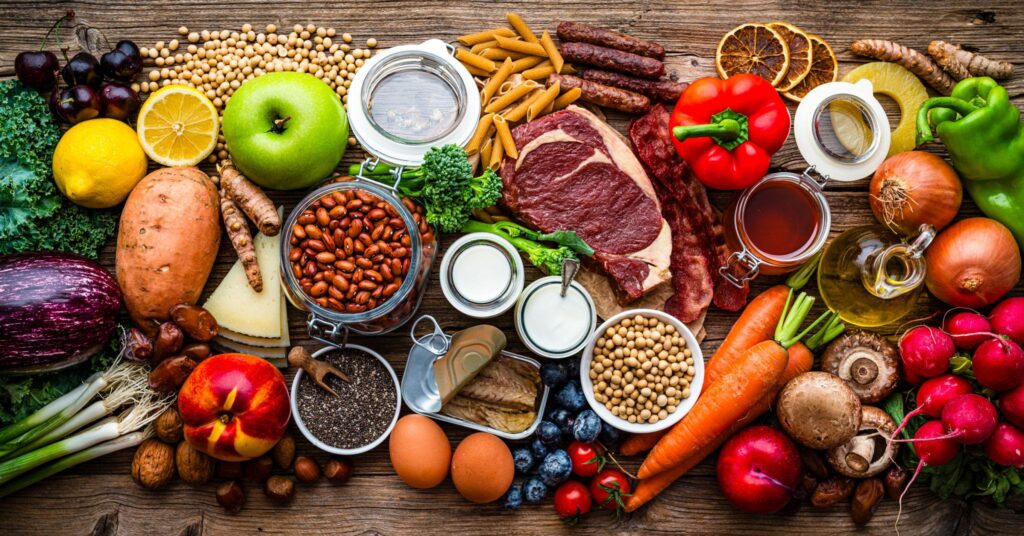
Why Vitamins Matter for Body Strength
Your body relies on vitamins to perform hundreds of important functions. They help convert food into energy, repair tissues, strengthen bones, support muscle function, and protect against illness.
Without adequate vitamins, you may experience:
- Fatigue and low energy
- Muscle weakness
- Frequent colds or infections
- Slow recovery from exercise
- Poor concentration
- Weak bones and joints

A balanced diet rich in vitamins helps your body perform at its best and supports long-term health.
The Most Important Vitamins for Strength and Energy
Vitamin D: The Bone and Muscle Builder
Vitamin D helps your body absorb calcium, which is essential for strong bones and healthy muscles. Low levels can lead to weakness, fatigue, and increased risk of injury.
Sources of Vitamin D:
- Sunlight exposure
- Fatty fish like salmon and tuna
- Egg yolks
- Fortified milk and cereals

Practical Tip: Vitamin D can come from certain foods, fortified foods, supplements when appropriate, and sunlight exposure. Individual vitamin D needs and safe sun exposure vary, so speak with a healthcare professional if you are concerned about vitamin D deficiency.
Reference source: NIH Vitamin D Fact Sheet for Consumers
Vitamin C: The Immunity Booster
Vitamin C supports your immune system and helps your body produce collagen, which is important for healthy muscles, skin, and connective tissues.
Sources of Vitamin C:
- Oranges
- Lemons
- Strawberries
- Bell peppers
- Broccoli
- Kiwi
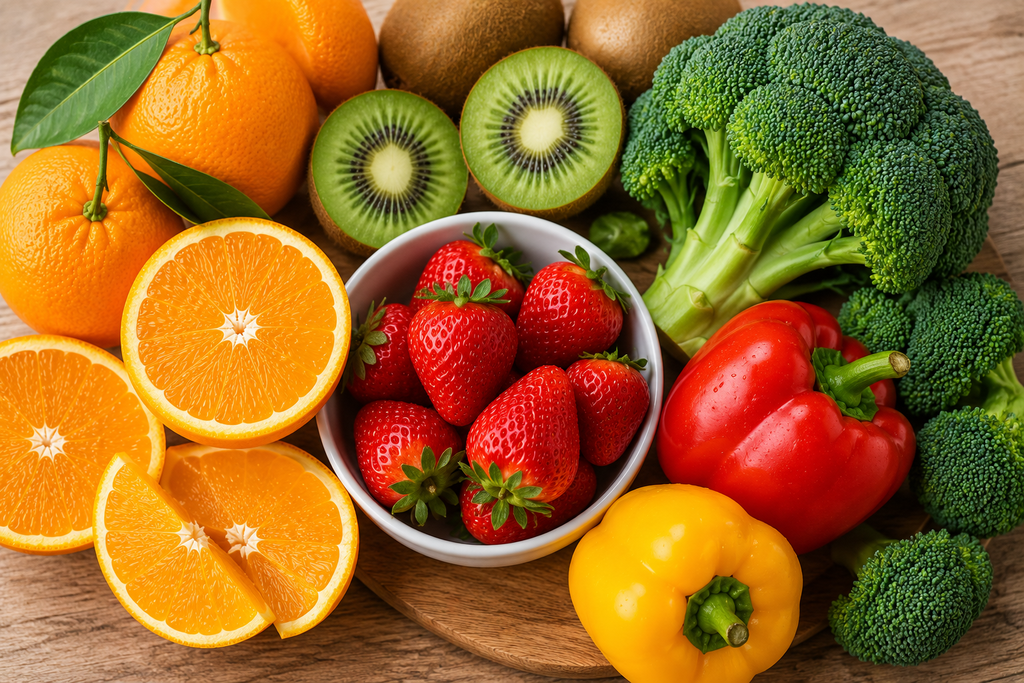
Practical Tip: Add a serving of fruits or vegetables to every meal.
Reference source: NIH Vitamin C Fact Sheet for Consumers
B Vitamins: Your Body’s Energy Team
The B-vitamin family helps convert food into usable energy. They also support brain function and red blood cell production.
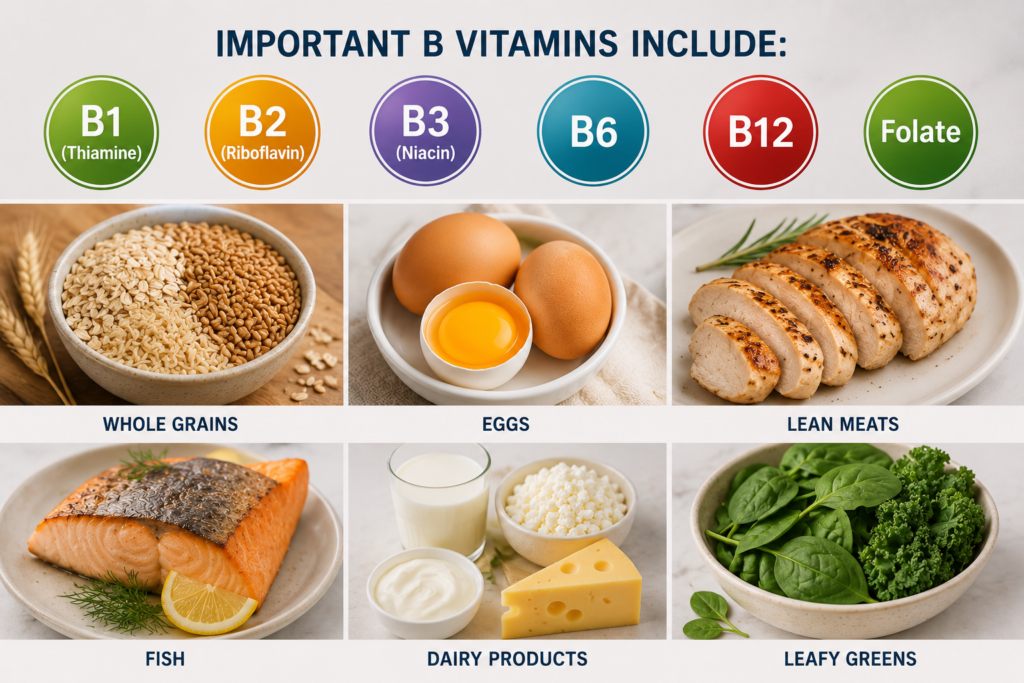
Important B Vitamins Include:
- B1 (Thiamine)
- B2 (Riboflavin)
- B3 (Niacin)
- B6
- B12
- Folate
Sources:
- Whole grains
- Eggs
- Lean meats
- Fish
- Dairy products
- Leafy greens
Practical Tip: Choose whole-grain bread, brown rice, and nutrient-rich proteins whenever possible.
Reference source: MedlinePlus Vitamins Overview
Vitamin A: Supporting Recovery and Immunity
Vitamin A helps maintain healthy vision, skin, and immune function. It also assists with cell growth and tissue repair.
Sources:
- Carrots
- Sweet potatoes
- Spinach
- Kale
- Mangoes
- Liver
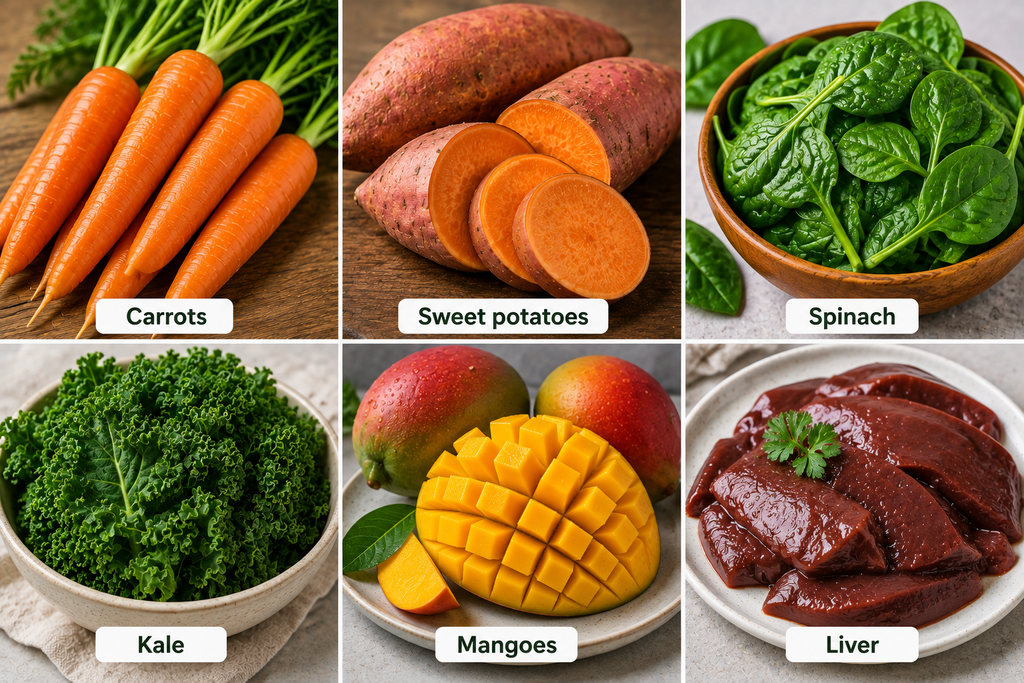
Practical Tip: Include colorful vegetables in your meals to increase vitamin A intake naturally.
Vitamin E: Protecting Your Cells
Vitamin E acts as an antioxidant, helping protect cells from damage caused by free radicals. This can support recovery after physical activity.
Sources:
- Almonds
- Sunflower seeds
- Avocados
- Spinach
- Vegetable oils
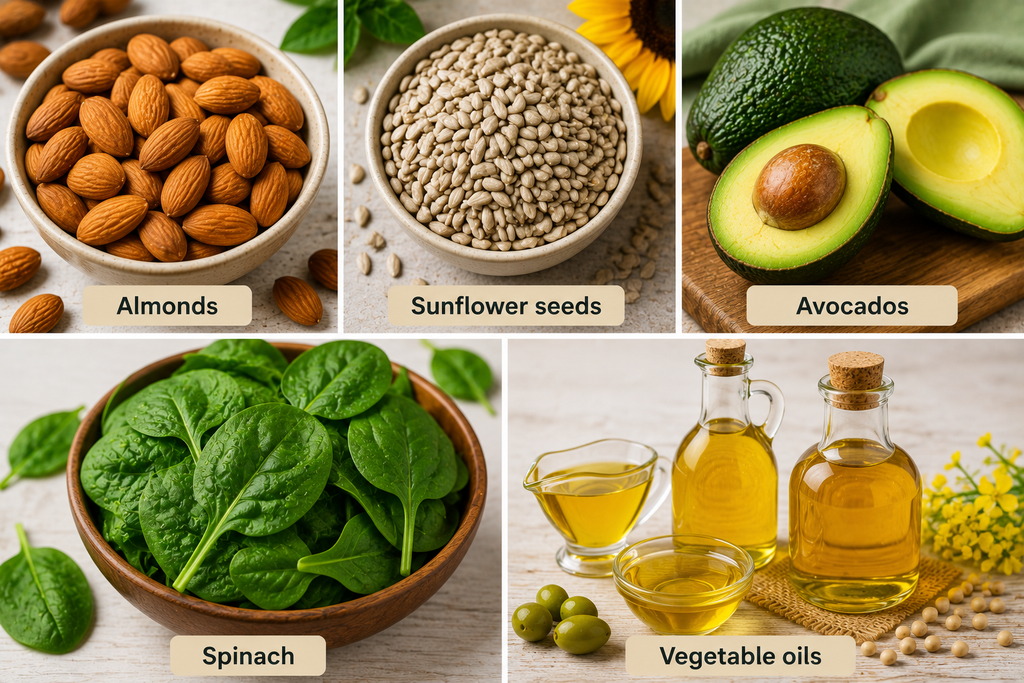
Practical Tip: Snack on nuts and seeds instead of processed foods.
Easy Daily Habits to Get More Vitamins
Eat a Rainbow of Foods
Different colors often indicate different nutrients. Aim to fill your plate with colorful fruits and vegetables throughout the day.
Examples include:
- Red tomatoes
- Orange carrots
- Yellow peppers
- Green spinach
- Blueberries
- Purple cabbage
The more variety you eat, the more vitamins you’ll naturally consume.
Prioritize Whole Foods
Whole foods contain a wide range of nutrients that work together to support health.
Focus on:
- Fruits
- Vegetables
- Whole grains
- Lean proteins
- Nuts and seeds
Try to limit highly processed foods, which often contain fewer vitamins.
Don’t Skip Breakfast
A nutritious breakfast can help provide important vitamins and minerals to start your day.
Healthy breakfast ideas include:
- Oatmeal with berries
- Whole-grain toast with eggs
- Greek yogurt with fruit
- Smoothies packed with leafy greens
Stay Hydrated
Water helps transport nutrients throughout your body and supports overall health.
Aim to drink water consistently throughout the day, especially if you’re physically active.
Consider Supplements Carefully
While food should be your primary source of vitamins, supplements may help if you have specific deficiencies or dietary restrictions.
Before starting supplements, consider consulting a healthcare professional for personalized advice.
Reference source: World Health Organization (WHO) Healthy Diet Guidelines
Sample Vitamin-Rich Daily Meal Plan
| Meal | Foods | Key Vitamins & Nutrients | Benefits |
| Breakfast | Oatmeal topped with strawberries and almonds, plus a glass of fortified milk | Vitamin C, Vitamin D, Vitamin E, B Vitamins, Calcium | Provides lasting energy, supports bone health, and helps kick-start your metabolism. |
| Morning Snack | Banana and a handful of mixed nuts | Vitamin B6, Vitamin E, Magnesium, Potassium | Supports muscle function, maintains energy levels, and promotes heart health. |
| Lunch | Grilled chicken salad with spinach, tomatoes, and bell peppers, served with whole-grain bread | Vitamins A, C, K, B Vitamins, Iron | Helps support muscle repair, immune function, and sustained energy throughout the day. |
| Afternoon Snack | Greek yogurt with blueberries | Vitamin B12, Vitamin C, Calcium, Antioxidants | Supports gut health, strengthens bones, and helps protect cells from oxidative stress. |
| Dinner | Baked salmon, sweet potato, and steamed broccoli | Vitamins D, A, C, B12, Omega-3 Fatty Acids | Promotes muscle recovery, supports bone strength, and contributes to overall wellness and immune health. |
Tip: This balanced meal plan includes a variety of vitamin-rich foods that help support energy production, muscle strength, immune function, and overall health. Pair these meals with plenty of water and regular physical activity for the best results.
Common Mistakes That Lead to Vitamin Deficiencies
Many people unknowingly reduce their vitamin intake by:
- Skipping meals
- Eating too few fruits and vegetables
- Relying heavily on processed foods
- Following restrictive diets without proper planning
- Avoiding outdoor activities entirely
Making small improvements to daily habits can significantly improve nutrient intake over time.
Building a strong and healthy body isn’t just about exercise—it’s also about providing your body with the nutrients it needs to function properly. Essential vitamins help support energy production, muscle performance, immune health, and recovery.
By eating a colorful, balanced diet, staying active, getting enough sunlight, and making smart food choices, you can naturally increase your vitamin intake and support long-term body strength.
Remember, consistency matters more than perfection. Small healthy choices each day can lead to lasting improvements in your overall wellness.
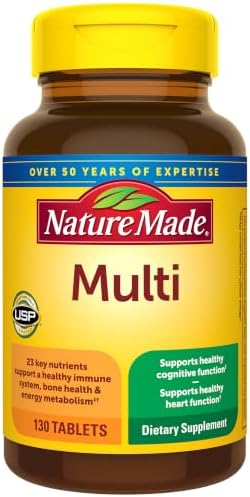
Recommended Products for Vitamins
Disclosure: As an Amazon Associate, I earn from qualifying purchases. We only recommend products that we believe offer value to our readers. Learn more.



Frequently Asked Questions (FAQ)
References
- National Institutes of Health, Office of Dietary Supplements.Vitamin D – Fact Sheet for Health Professionals. Updated June 27, 2025. Information on vitamin D, calcium absorption, bone health, muscle function, food sources, deficiency, and supplementation.
- NIH Vitamin D Fact SheetNational Institutes of Health, Office of Dietary Supplements.Vitamin C – Fact Sheet for Consumers. Information on vitamin C’s role in collagen production, antioxidant activity, immune function, recommended intake, and dietary sources.
- NIH Vitamin C Fact SheetNational Institutes of Health, Office of Dietary Supplements.Vitamin A and Carotenoids – Fact Sheet for Consumers. Updated March 10, 2025. Covers vitamin A’s roles in normal vision, immune function, growth and development, as well as dietary sources and deficiency.
- NIH Vitamin A Fact SheetNational Institutes of Health, Office of Dietary Supplements.Vitamin E – Fact Sheet for Consumers. Provides information about vitamin E’s antioxidant functions, recommended intake, dietary sources, deficiency, and supplementation.
- NIH Vitamin E Fact SheetNational Institutes of Health, Office of Dietary Supplements.Dietary Supplement Fact Sheets. A comprehensive collection of evidence-based resources covering vitamins, minerals, dietary supplements, recommended intakes, food sources, and safety considerations.
- NIH Dietary Supplement Fact SheetsWorld Health Organization.Healthy Diet. Updated January 26, 2026. WHO recommends dietary patterns based on adequacy, balance, moderation, and diversity, emphasizing a variety of minimally processed foods.
- WHO Healthy Diet Fact SheetWorld Health Organization & Food and Agriculture Organization of the United Nations.What Are Healthy Diets? 2024. Provides evidence-based principles for healthy diets that support active lifestyles and help prevent nutrient deficiencies and excesses.
- WHO & FAO – What Are Healthy Diets?