
Are you overwhelmed by the tiny print on your face wash? The skincare aisle can feel like a minefield of scientific jargon and marketing buzzwords. Among the most debated terms are “organic” and “non-organic.” Many shoppers struggle to understand what these terms really mean for their skin health. Beyond marketing, understanding the fundamental differences between these two approaches to skincare is key for making choices that align with your skin needs. This article helps you choose the right path for your specific needs without confusion.
What Organic and Non-Organic Skincare Labels Actually Mean
Labels often carry more weight than they should. Knowing exactly what each term implies helps you cut through the noise when shopping.
Defining Organic Skincare
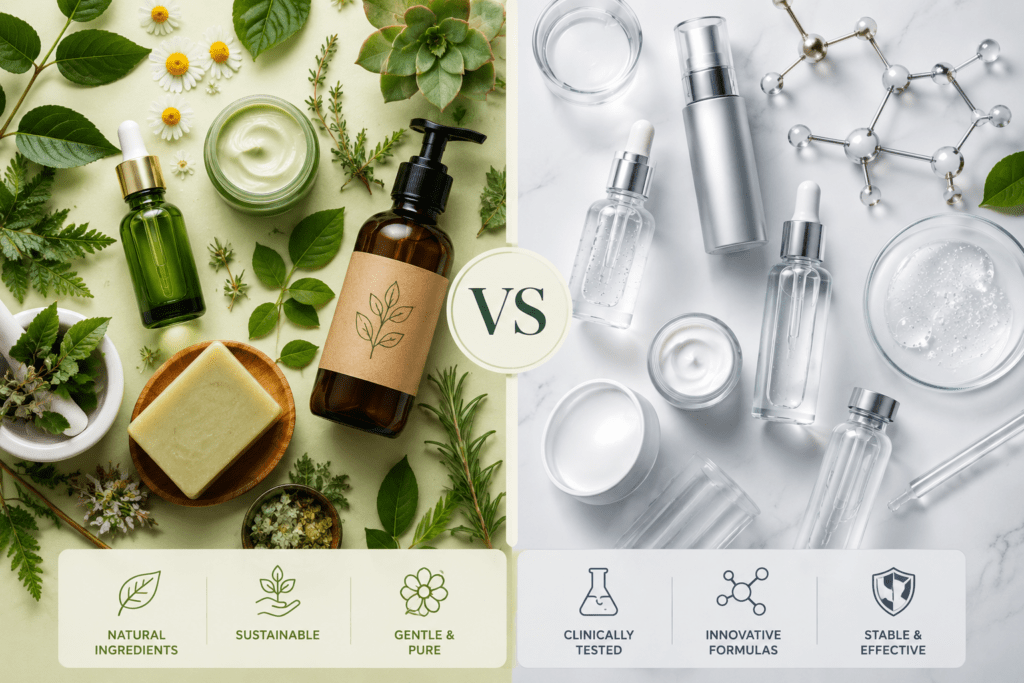
The term “organic” in skincare refers to farming practices used to grow plant ingredients. A product can claim to be organic if its ingredients are grown without synthetic pesticides, synthetic fertilizers, or GMOs.
For a product to be truly certified, it must follow strict rules set by agencies like the USDA or ECOCERT. This certification process ensures that a large percentage of the ingredients meet these farming standards. Do not confuse “organic” with “natural.” A product can claim to be natural without meeting any specific agricultural standards. Natural is an unregulated term in many places, meaning companies can use it with little to no proof of how their ingredients were sourced or grown.
Defining Non-Organic Skincare
Non-organic skincare, often called conventional skincare, uses ingredients that do not need to follow organic farming rules. These products rely on scientific and industrial processes to create formulations. Many conventional brands use synthetics, preservatives, and fragrances to achieve specific results. The U.S. Food & Drug Administration (FDA) explains that cosmetic formulations may contain a wide range of ingredients—including synthetic and naturally derived substances—to improve product performance, stability, and safety.
These formulations allow for textures, scents, and active concentrations that nature cannot provide on its own. Conventional products often focus on stability and shelf life, which is why they might include ingredients that keep a cream from separating or growing bacteria over time.
The Truth About Ingredients in Organic vs. Non-Organic Skincare
The ingredient list is the only way to know what you are putting on your face. Understanding these lists helps you see past marketing claims.
Identifying Common Synthetic Ingredients
Many conventional skincare products include ingredients that some consumers choose to avoid. You might see terms like parabens, sulfates, and phthalates on the back of your bottle.
- Parabens are often used as preservatives to stop mold and bacteria from growth.
- Sulfates, such as sodium lauryl sulfate, act as cleansing agents that create foam.
- Phthalates are sometimes used to help fragrances last longer or to make textures feel smoother.
Some studies suggest these ingredients might cause irritation for sensitive skin types, or they may have other health concerns. Always look for reputable sources like the Environmental Working Group (EWG) if you want to research specific ingredients for your own peace of mind.
The Role of Natural and Plant-Based Actives
Organic and natural-leaning brands often emphasize ingredients sourced directly from plants. These can be very effective for the skin.
- Vitamin C, often derived from fruits, is a powerhouse for brightening the complexion.
- Hyaluronic acid can be produced through fermentation, making it a common choice even in cleaner product lines.
- Botanical extracts like green tea or chamomile can offer soothing benefits for inflamed skin.
These ingredients often work well because their molecular structures are similar to what the skin naturally recognizes. However, even natural ingredients can be potent, so they are not automatically safer or less likely to cause a reaction.
Weighing the Benefits for Your Skin
Both paths offer distinct advantages. Your choice depends on what your skin needs and what you value most.
Why Some Prefer Organic Products
People often turn to organic products because they seek purity and gentleness. If you have highly sensitive skin, organic formulations might be a better fit. These products typically avoid harsh chemicals that could disrupt your skin barrier.
Many consumers also choose organic for environmental reasons. Organic farming practices tend to support healthier soil and fewer toxic runoffs into the water supply. If your goal is to reduce your personal chemical exposure or to support sustainable agriculture, this approach aligns with those values.
Why Others Choose Conventional Products
Conventional skincare shines when you need targeted, powerful solutions. These formulations often contain high concentrations of active ingredients, such as prescription-strength retinoids or advanced peptides.
Science allows these companies to create products that are stable and effective for long periods of time. Synthetic preservatives prevent the product from spoiling in your bathroom, while lab-created compounds can penetrate the skin more efficiently than raw plant extracts might. If you want to address specific, stubborn concerns like deep wrinkles, heavy acne, or significant sun damage, conventional products often have the edge in terms of clinical effectiveness.
Considering the Downsides
No category of skincare is perfect. Understanding the limitations of each approach helps you set realistic expectations.
Challenges with Organic Formulations
The lack of strong, synthetic preservatives means organic products often have a much shorter shelf life. Once you open a bottle, it might go bad within a few months, unlike conventional creams that can last for a year or more.
These products are also often more expensive. Sourcing organic, high-quality ingredients costs more than buying synthetic alternatives in bulk. Additionally, you might find it harder to get the same level of performance from organic products when you need intense cosmetic effects, like aggressive anti-aging.
Potential Issues with Conventional Skincare
The primary concern with conventional products is the potential for irritation. Strong synthetic ingredients can be harsh, especially on dry or compromised skin.
Another issue is “green-washing.” This happens when a brand uses natural or organic-sounding language on their packaging to make you think a product is safer than it is. They might feature one small organic ingredient while the rest of the formula is heavily synthetic. Always turn the bottle around and read the full ingredient list rather than relying on the front label.
Which Skincare Approach is Better for You?
There is no single “better” choice. The best skincare approach is the one that works for your skin type, your budget, and your values.
Start by assessing your skin. Does your skin react to fragrances or preservatives? If yes, look for cleaner or organic options. Do you have stubborn concerns like acne or signs of aging that require proven active ingredients? You might find more success with conventional products.
Regardless of which path you choose, always perform a patch test before applying for a new product all over your face. Apply a small amount to your inner arm and wait 24 hours to check for any redness or itching.
If you are unsure, you can look for middle-ground brands. Many companies now create products that are free from common irritants like parabens and phthalates but still use effective, lab-tested actives. Do not get too hung up on labels. As many dermatologists point out, the efficacy of the final formula is more important than whether every single ingredient was organically farmed.
The debate between organic and non-organic skincare does not have a simple winner. Organic products provide a gentle, environmentally conscious option, while conventional products often offer higher stability and potent, targeted results. Your skin is unique, and it deserves products that address your concerns without causing irritation or unnecessary stress. Focus on the ingredient list rather than the buzzwords on the front of the bottle. By understanding what you are buying, you can build a routine that supports your skin’s health and aligns with your personal values. Take your time to test products, monitor your skin reaction, and make informed choices for a healthier, happier complexion.
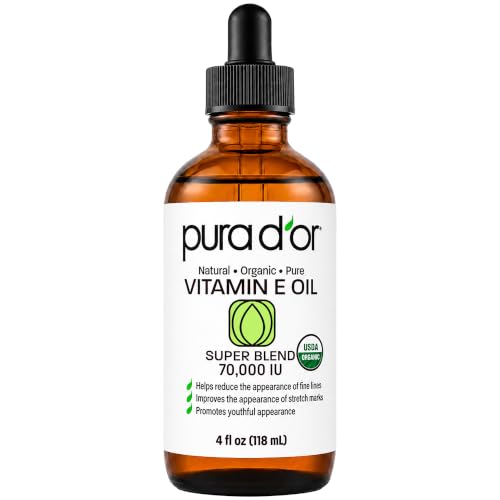
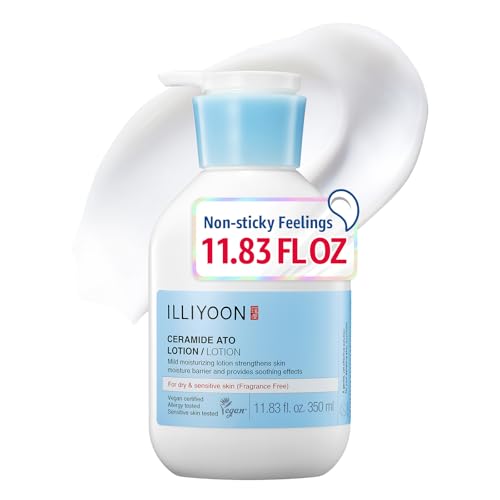
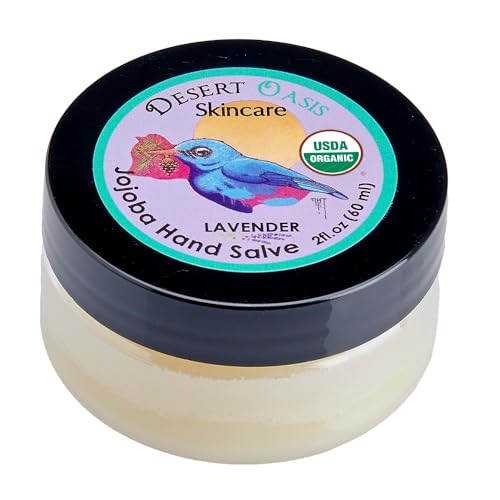
Recommended Products for Organic and Conventional Skincare
Disclosure: As an Amazon Associate, I earn from qualifying purchases. We only recommend products that we believe offer value to our readers. Learn more.


Frequently Asked Questions (FAQ)
References
- U.S. Department of Agriculture. (n.d.). National Organic Program. https://www.ams.usda.gov/about-ams/programs-offices/national-organic-program
- U.S. Department of Agriculture. (n.d.). Organic: What Does Organic Mean?https://www.usda.gov/topics/organic
- COSMOS-standard AISBL. (n.d.). COSMOS-standard for Organic and Natural Cosmetics. https://www.cosmos-standard.org/
- U.S. Food & Drug Administration. (2025). Cosmetics. https://www.fda.gov/cosmetics American Academy of Dermatology Association. (n.d.). Skin Care Basics. https://www.aad.org/public/everyday-care/skin-care-basics
- American Academy of Dermatology Association. (n.d.). How to Safely Test a Skin Care Product. https://www.aad.org/public/everyday-care/skin-care-secrets/routine/patch-test
- National Center for Complementary and Integrative Health. (2022). Using Herbs and Other Dietary Supplements Wisely. https://www.nccih.nih.gov/health/using-dietary-supplements-wisely
- Environmental Working Group. (n.d.). Skin Deep® Cosmetics Database. https://www.ewg.org/skindeep/
- Personal Care Products Council. (n.d.). Cosmetic Ingredients. https://www.personalcarecouncil.org/science-safety/ingredients/
- International Organization for Standardization. (2016). ISO 16128-1: Guidelines on Technical Definitions and Criteria for Natural and Organic Cosmetic Ingredients. https://www.iso.org/standard/62503.html