We all dream of having soft, shiny, healthy hair that feels easy to manage every day. But reality often looks different. One day your hair feels dry and frizzy, the next it becomes oily, flat, or impossible to style. Split ends, dandruff, breakage, and hair fall can quickly turn a good hair day into a frustrating experience.
The good news is that healthy hair does not happen because of expensive salon treatments alone. Most of the time, it comes down to understanding your hair and giving it the right care consistently. Once you learn what your hair truly needs, building an effective routine becomes much easier.
This ultimate haircare guide will help you understand your hair type, improve scalp health, choose the right products, and develop healthy habits that support stronger, shinier hair naturally.
Why Understanding Your Hair Matters
One of the biggest mistakes people make is following random hair trends without knowing their actual hair needs. What works perfectly for someone else may not work for you at all.
Your hair texture, porosity, and scalp condition all play a significant role in how your hair reacts to products and treatments. Understanding these basics is the first step toward healthier hair.
Know Your Hair Texture
Hair texture refers to the thickness of each strand of hair. It affects how your hair behaves, absorbs products, and holds styles.
Fine Hair
Fine hair strands are thin and lightweight. This hair type often looks soft and silky but can become oily very quickly. Heavy products may make it appear flat and lifeless.
Best Tips for Fine Hair:
- Use lightweight shampoos and conditioners
- Avoid applying oils directly to the roots
- Choose volumizing products
- Limit heavy creams and thick hair masks
Practical Example:
If your hair becomes greasy just one day after washing, you have fine hair that needs lightweight formulas instead of rich moisturizing products.
Medium Hair
Medium-textured hair is considered the easiest to manage because it holds styles well and maintains a balanced texture.
Best Tips for Medium Hair:
- Maintain regular trimming
- Use balanced moisturizing products
- Protect hair from heat styling damage
- Deep condition once weekly
Coarse Hair
Coarse hair has thicker strands and often appears fuller. While strong, it tends to become dry and frizzy more easily because natural oils struggle to travel down the strands.
Best Tips for Coarse Hair:
- Use moisturizing shampoos
- Apply nourishing oils like argan or coconut oil
- Avoid excessive heat styling
- Use leave-in conditioners for added hydration
Practical Example:
If your hair feels rough, puffy, or dry even after washing, your hair may need richer moisture-focused products.
Understanding Hair Porosity
Hair porosity determines how well your hair absorbs and retains moisture. This affects how effective your hair products are.
Low Porosity Hair
Low porosity hair resists moisture absorption because the hair cuticles are tightly closed.
Signs of Low Porosity:
- Products sit on top of the hair
- Hair takes a long time to dry
- Oils can feel greasy instead of nourishing
Best Care Tips:
- Use lightweight oils
- Apply products on damp hair
- Use warm water or steam to help absorption
Medium Porosity Hair
This is the ideal porosity level because moisture enters and stays balanced.
Best Care Tips:
- Maintain consistent routines
- Avoid excessive chemical treatments
- Use balanced hydration products
High Porosity Hair
High porosity hair absorbs moisture quickly but loses it just as fast. It is often caused by heat damage, coloring, or chemical treatments.
Signs of High Porosity:
- Hair dries out quickly
- Frizz appears easily
- Split ends and breakage are common
Best Care Tips:
- Use deep conditioning treatments regularly
- Seal moisture with oils
- Avoid over washing
Practical Example:
If your hair feels dry only hours after conditioning, high porosity may be the reason.
Healthy Scalp, Healthy Hair
Your scalp is the foundation of hair growth. Ignoring scalp care can lead to dandruff, itchiness, excess oil, and weak hair roots.
Oily Scalp
An oily scalp produces excess sebum, making hair appear greasy quickly.
Helpful Tips:
- Wash regularly with gentle clarifying shampoos
- Avoid touching your hair too often
- Do not overload roots with styling products
Dry Scalp
A dry scalp may feel itchy, tight, or flaky.
Helpful Tips:
- Use sulfate-free shampoos
- Avoid extremely hot water
- Apply hydrating scalp treatments
Balanced Scalp
A balanced scalp feels comfortable without excessive oil or dryness.
Maintain It By:
- Washing hair properly
- Eating nutrient-rich foods
- Avoiding harsh products
Building the Perfect Haircare Routine
A healthy haircare routine does not need to be complicated. Consistency matters more than using dozens of products.
Step 1: Use the Right Shampoo
Choose a shampoo based on your scalp and hair needs.
- Oily scalp → clarifying shampoo
- Dry hair → moisturizing shampoo
- Damaged hair → repairing formulas
Avoid shampoos with harsh sulfates if your hair feels dry or color treated.
Step 2: Never Skip Conditioner
The conditioner helps smooth the hair cuticle, reduce frizz, and restore moisture.
Pro Tip:
Focus conditioner on the mid-lengths and ends rather than the scalp.
Step 3: Protect Hair from Heat Damage
Frequent heat styling weakens hair over time.
Heat Protection Tips:
- Always use a heat protectant spray
- Lower the temperature of styling tools
- Allow hair to air dry when possible
Practical Example:
Straightening your hair daily without protection can slowly lead to brittle strands and split ends.
Step 4: Deep Condition Weekly
Hair masks and deep conditioners restore hydration and improve softness.
Natural ingredients like:
- Coconut oil
- Aloe vera
- Argan oil
- Shea butter
can help nourish damaged hair naturally.
Step 5: Trim Split Ends Regularly
Split ends travel upward if ignored. Regular trims keep hair looking healthier and prevent breakage.
Most people benefit from trimming every 8–12 weeks (about 3 months).
Lifestyle Habits That Improve Hair Health
Healthy hair also depends on your daily lifestyle.
Eat Hair-Friendly Foods
Hair needs nutrients to grow strong.
Include foods rich in:
- Protein
- Iron
- Biotin
- Omega-3 fatty acids
- Vitamins A, C, D, and E
Great Examples:
Eggs, salmon, spinach, nuts, avocados, and sweet potatoes support healthy hair growth.
Drink More Water
Dehydration can make hair appear dry and lifeless. Drinking enough water supports scalp hydration and overall hair health.
Reduce Stress
Stress can contribute to hair thinning and excessive shedding.
Simple habits like:
- meditation
- exercise
- quality sleep
- journaling
can positively affect your hair over time.
Common Haircare Mistakes to Avoid
Many people unknowingly damage their hair with everyday habits.
Avoid These Common Mistakes:
- Washing hair too often
- Using excessive heat
- Brushing wet hair aggressively
- Sleeping on rough pillowcases
- Using products that do not suit your hair type
- Ignoring scalp health
Minor changes in your routine can make an enormous difference over time.
Healthy hair is not about perfection. It is about understanding your hair’s unique needs and caring for it consistently. Once you build the right routine, your hair becomes easier to manage, softer to touch, and naturally shinier.
Remember that real hair transformation takes time. Be patient with your journey and focus on healthy habits instead of quick fixes. With proper care, your hair can become stronger, healthier, and more beautiful naturally.
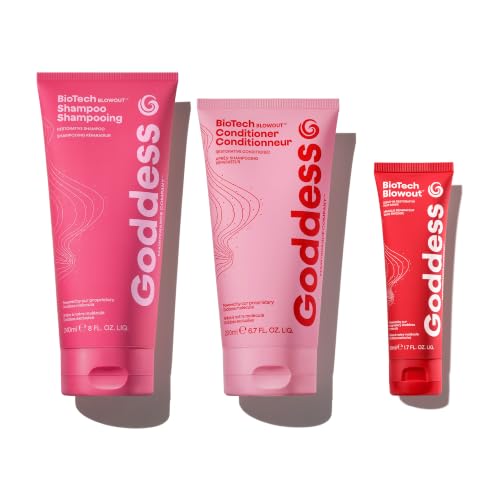
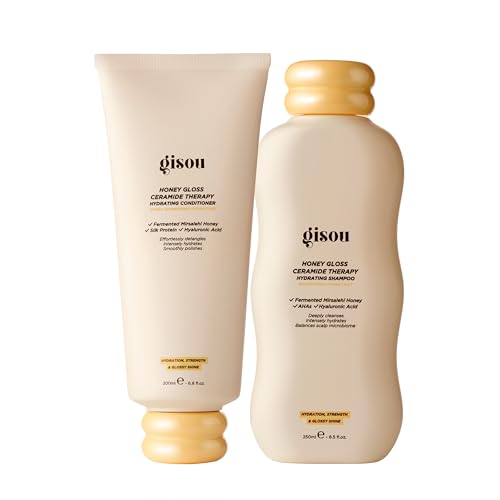
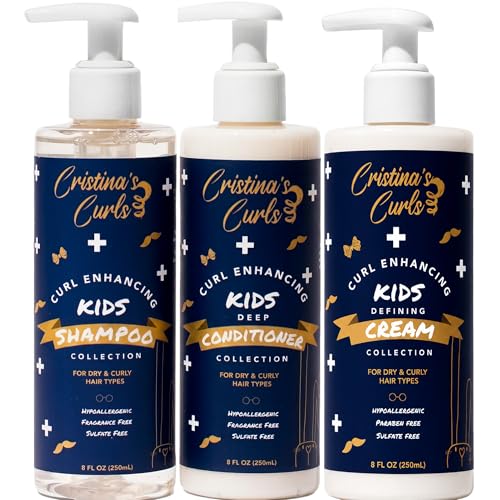
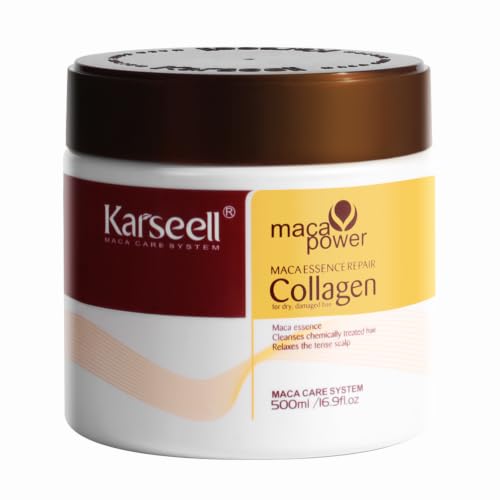
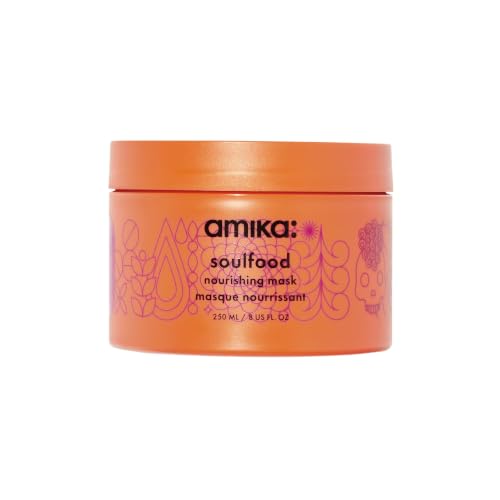
Recommended Products for Haircare
Disclosure: As an Amazon Associate, I earn from qualifying purchases. We only recommend products that we believe offer value to our readers. Learn more.
Frequently Asked Questions (FAQ)
References
- American Academy of Dermatology Association (AAD).How to Stop Damaging Your Hair. Provides dermatologist-recommended guidance on shampooing, conditioning, wet-hair handling, heat styling, tight hairstyles, and preventing hair breakage. American Academy of Dermatology – How to Stop Damaging Your Hair
- American Academy of Dermatology Association (AAD).Hair and Scalp Care Resources. Offers dermatologist-reviewed information about healthy haircare, scalp care, hair types, styling practices, and reducing hair damage. American Academy of Dermatology – Hair Care Resources
- NHS.Dandruff. Explains common causes of dandruff and flaky or itchy scalps, including seborrheic dermatitis, eczema, psoriasis, fungal infection, and reactions to hair products. NHS – Dandruff
- Harvard Health Publishing.Vitamins, Minerals, and Hair Loss: Is There a Connection? Reviews the relationship between nutritional deficiencies and hair loss, including iron, vitamin D, zinc, biotin, and other nutrients. It also cautions against unnecessary supplementation. Harvard Health – Vitamins, Minerals, and Hair Loss
- Harvard Health Publishing.Can Insufficient Protein Intake Cause Hair Loss? Discusses protein intake and hair health and explains that severe protein deficiency can contribute to hair loss, while most hair loss has other causes. Harvard Health – Protein and Hair Loss
- Harvard Health Publishing.Hair Loss (Alopecia). Provides an overview of common causes of hair loss and discusses nutrition, medical conditions, chemical treatments, heat exposure, and other factors that may affect hair health. Harvard Health – Hair Loss
- Harvard Health Publishing.Telogen Effluvium. Explains temporary excessive hair shedding, possible triggers, the role of nutrition, and when noticeable hair loss should be evaluated by a healthcare professional. Harvard Health – Telogen Effluvium
- Harvard Health Publishing.What Can Cause Hair Loss in Small Patches? Reviews several possible causes of patchy hair loss, including alopecia areata, fungal infections, hereditary hair loss, scalp disorders, hormonal changes, medications, and stress. Harvard Health – Causes of Patchy Hair Loss