Our eyes are among the most important organs in the body, allowing us to experience the beauty of the world every single day. From reading and working to driving and spending time with loved ones, healthy vision plays a major role in our daily lives. However, modern lifestyles filled with long screen hours, pollution, stress, and unhealthy habits can slowly damage our eyesight over time.
Many people only think about eye care when they begin experiencing blurry vision, headaches, dryness, or irritation. The truth is that caring for your eyes should start long before problems appear. By adopting healthy habits and making small lifestyle changes, you can protect your vision and maintain strong, healthy eyes for years to come.
Why Eye Care Matters
Eye health is closely connected to overall wellness. Poor habits such as excessive screen time, lack of sleep, smoking, dehydration, and unhealthy eating can negatively affect your vision. Eye problems like digital eye strain, dry eyes, cataracts, glaucoma, and age-related macular degeneration are becoming increasingly common worldwide.
The good news is that many eye issues can be prevented or managed with proper care. Understanding how to protect your eyes is the first step toward preserving clear and comfortable vision.
Reduce Digital Eye Strain
Today, most people spend several hours each day using computers, smartphones, tablets, and televisions. Prolonged screen exposure can lead to digital eye strain, causing symptoms such as:
- Dry or watery eyes
- Blurred vision
- Headaches
- Eye fatigue
- Neck and shoulder pain
One of the best ways to reduce eye strain is by following the 20-20-20 rule. Every 20 minutes, look away from your screen and focus on something about 20 feet away for at least 20 seconds. This simple habit helps your eye muscles relax.
Adjusting your screen brightness and maintaining proper lighting in your workspace can also help reduce glare and discomfort. If you spend long hours working on digital devices, consider using blue-light filtering glasses or screen protectors to lessen eye fatigue.
Protect Your Eyes from UV Rays
Just like your skin, your eyes can also be damaged by the sun’s ultraviolet (UV) rays. Excessive UV exposure may increase the risk of cataracts and other eye diseases.
Whenever you go outdoors during the daytime, wear sunglasses that provide 100% UV protection. A wide-brimmed hat can offer additional protection against sunlight, dust, and wind.
Protective eyewear is also important during sports, construction work, or activities involving chemicals and debris. Safety glasses can prevent serious eye injuries and help preserve your vision.
Eat Foods That Support Eye Health
A healthy diet plays a major role in maintaining good eyesight. Certain nutrients are especially beneficial for the eyes and may help reduce the risk of age-related vision problems.
Foods that support healthy eyes include:
- Leafy green vegetables like spinach and kale
- Fish rich in omega-3 fatty acids such as salmon and tuna
- Eggs
- Nuts and seeds
- Citrus fruits rich in vitamin C
- Carrots and sweet potatoes containing beta-carotene
These foods provide important nutrients such as lutein, zinc, vitamins C and E, and omega-3 fatty acids, all of which help support healthy vision.
Staying hydrated is equally important. Drinking enough water throughout the day helps maintain proper tear production and prevents dry eyes.
Get Enough Sleep
Sleep allows your eyes to rest and recover from daily stress. Lack of sleep can cause redness, twitching, dryness, and eye fatigue. Adults should aim for at least 7 to 8 hours of quality sleep every night to support both eye health and overall wellness.
If your eyes feel tired after a long day, applying a cool compress and limiting screen exposure before bedtime may help reduce discomfort.
Practice Good Eye Hygiene
Good hygiene habits can help prevent infections and irritation. Always wash your hands before touching your eyes or handling contact lenses.
If you wear contact lenses:
- Clean and store them properly
- Never sleep with lenses unless approved by your doctor
- Replace them according to schedule
- Avoid sharing contact lens solutions or eye makeup
It is also important to avoid rubbing your eyes excessively, especially when your hands are dirty, as this can spread bacteria and irritate sensitive tissues.
Schedule Regular Eye Exams
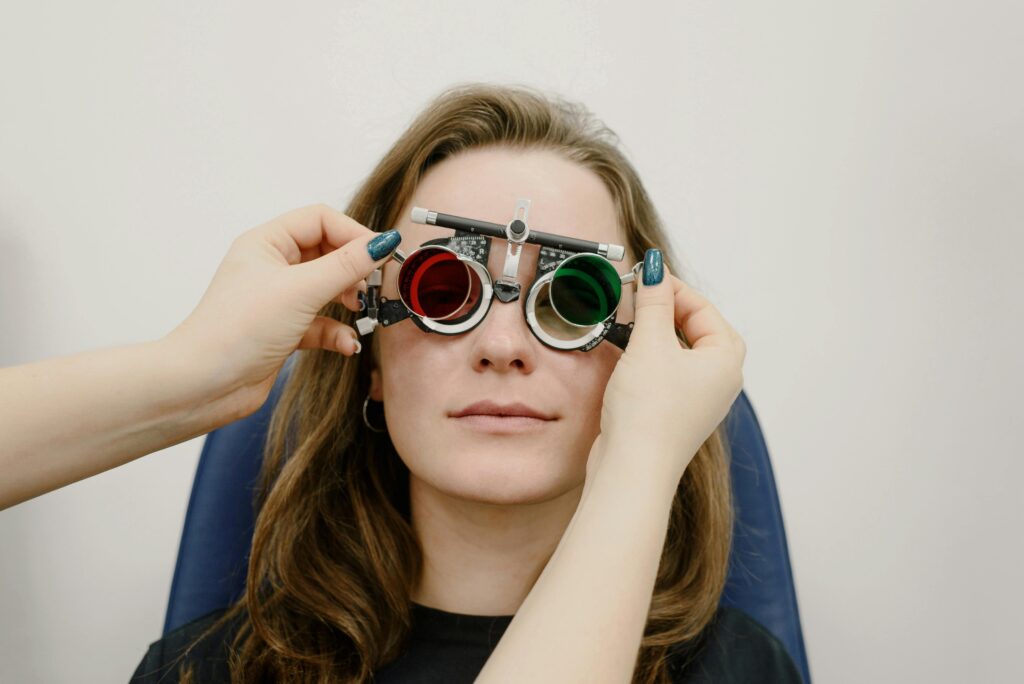
Routine eye examinations are essential, even if your vision seems fine. Many eye diseases develop gradually and may not show symptoms in the early stages.
Eye doctors can detect issues early and provide treatments before problems become severe. Adults should generally have a comprehensive eye exam every one to two years, while people with diabetes, high blood pressure, or a family history of eye disease may need more frequent check-ups.
Regular exams not only protect your eyesight but can also help identify other health conditions affecting the body.
Avoid Smoking
Smoking increases the risk of serious eye conditions, including cataracts, optic nerve damage, and macular degeneration. Quitting smoking improves blood circulation and reduces harmful toxins that can damage the eyes over time.
Even reducing exposure to secondhand smoke can benefit your overall eye health.
Healthy vision is something many people take for granted until problems begin to appear. Fortunately, caring for your eyes does not have to be complicated. Small daily habits such as limiting screen strain, eating nutritious foods, staying hydrated, wearing sunglasses, practicing proper hygiene, and scheduling regular eye exams can make a huge difference in protecting your eyesight.
Your eyes work hard for you every day. Taking care of them now can help ensure clear, comfortable vision for many years to come.
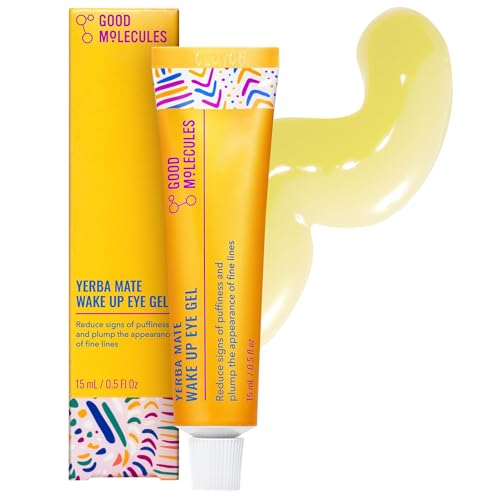
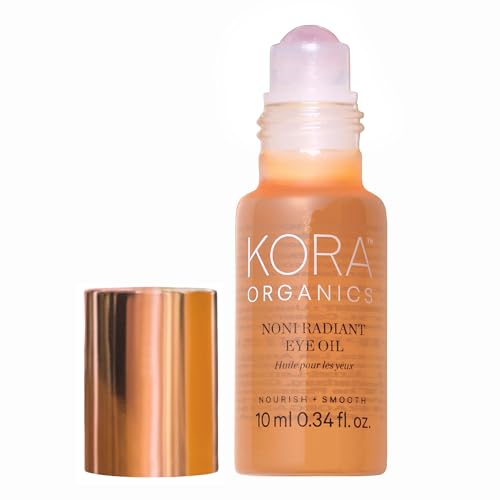
Recommended Products for Eye Care
Disclosure: As an Amazon Associate, I earn from qualifying purchases. We only recommend products that we believe offer value to our readers. Learn more.



Frequently Asked Questions About Eye Care
References
- National Eye Institute. (2025). Keep Your Eyes Healthy. U.S. Department of Health and Human Services, National Institutes of Health. https://www.nei.nih.gov/eye-health-information/healthy-vision/how-eyes-work/keep-your-eyes-healthy
- National Eye Institute. (2024). 8 Things You Can Do Right Now to Protect Your Vision. U.S. Department of Health and Human Services, National Institutes of Health. https://www.nei.nih.gov/eye-health-information/healthy-vision/8-things-you-can-do-right-now-protect-your-vision
- National Eye Institute. (2025). Healthy Vision Tips. U.S. Department of Health and Human Services, National Institutes of Health. https://www.nei.nih.gov/eye-health-information/healthy-vision/nei-for-kids/healthy-vision-tips
- Centers for Disease Control and Prevention. (2025). Preventing Eye Infections When Wearing Contacts. https://www.cdc.gov/contact-lenses/prevention/index.html
- Centers for Disease Control and Prevention. (2025). About Cleaning, Disinfecting, and Storing Contact Lenses. https://www.cdc.gov/contact-lenses/about/about-cleaning-disinfecting-and-storing-contact-lenses.html
- National Eye Institute. (2026). Healthy Vision Month: Healthy Lives, Healthy Eyes. U.S. Department of Health and Human Services, National Institutes of Health. https://www.nei.nih.gov/about/education-and-outreach/healthy-vision-resources/healthy-vision-month