There is nothing more frustrating than running your fingers through your hair and feeling rough, dry strands instead of soft, healthy locks. Dry hair can make you feel less confident, harder to style, and constantly stuck battling frizz, split ends, and dullness.
One day your hair feels manageable, and the next it suddenly looks lifeless and damaged. The truth is that dry hair does not happen overnight. It usually develops slowly from daily habits, environmental stress, heat styling, harsh products, and lack of moisture.
The good news? Dry hair can improve with the right care routine and a little consistency.
In this complete guide, you will learn what causes dry hair, how to repair damaged strands naturally, and the best hair care habits to restore softness, shine, and strength.
What Causes Dry Hair?
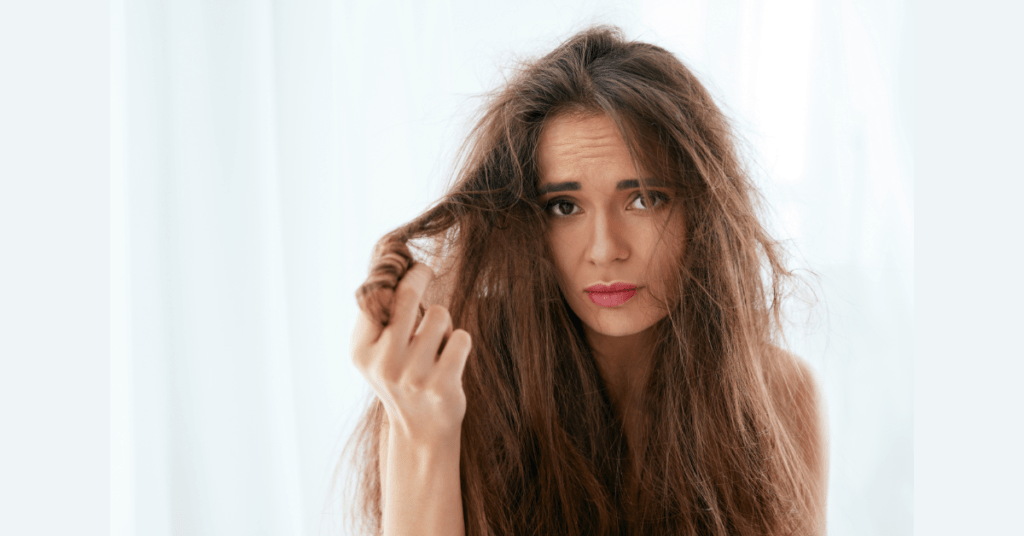
Dry hair happens when your strands lose too much moisture or when your scalp does not produce enough natural oils to protect your hair.
Many people think weather is the only cause, but there are several hidden reasons behind dry, brittle hair.
1. Too Much Heat Styling
Using flat irons, curling wands, and blow dryers too often can weaken your hair cuticle. Over time, heat strips away moisture and leaves hair fragile.
For example, if you straighten your hair daily without heat protection, your strands slowly become rough, stiff, and more prone to breakage.
Simple Fix:
- Lower your heat settings
- Use a heat protectant spray
- Air dry whenever possible
- Give your hair “heat-free days”
2. Washing Hair Too Often
Shampoo removes dirt and oil, but over washing strips away the natural oils your hair needs to stay healthy.
Many people wash their hair every day without realizing it is making dryness worse.
Better Habit:
Try washing your hair only 2–3 times a week using a sulfate-free shampoo designed for dry hair.
3. Harsh Hair Products
Some shampoos contain sulfates and alcohol-based ingredients that dry out the scalp and hair shaft.
If your hair feels squeaky clean after washing, your shampoo may be too harsh.
Look for Ingredients Like:
- Argan oil
- Coconut oil
- Aloe vera
- Shea butter
- Glycerin
Avoid products with:
- Sulfates (SLS/SLES)
- Drying alcohols
- Strong artificial fragrances
4. Weather and Environmental Damage
Sun exposure, pollution, wind, and dry indoor air all affect hair health.
Hot weather can dehydrate strands, while freezing weather removes moisture from the scalp.
Even swimming pools can damage hair because chlorine strips away natural oils.
Practical Example:
If your hair feels extremely dry after beach trips or swimming, rinse your hair immediately afterward and apply a leave-in conditioner.
5. Poor Nutrition and Dehydration
Healthy hair starts inside your body. Lack of vitamins, healthy fats, and water can leave your hair weak and dehydrated.
Hair-Friendly Foods:
- Salmon
- Eggs
- Avocados
- Nuts
- Leafy vegetables
- Berries
And do not forget water. Dehydrated bodies often lead to dehydrated hair.
Signs Your Hair Needs Moisture
Not sure if your hair is dry or damaged? Here are common signs:
- Rough texture
- Dull appearance
- Frizz
- Tangles easily
- Split ends
- Hair feels stiff
- Breakage during brushing
Dry hair usually feels thirsty, while damaged hair snaps easily and struggles to hold shape.
The Best Hair Care Routine for Dry Hair
A healthy hair routine does not need to be complicated. Small daily habits make the biggest difference over time.
Step 1: Use a Gentle Shampoo
Choose a moisturizing shampoo without sulfates.
A gentle cleanser keeps your scalp clean without removing all the natural oils your hair needs.
Tip:
Focus shampoo on your scalp, not the end of your hair.
Step 2: Deep Condition Weekly
Deep conditioning helps repair moisture loss and soften rough strands.
Apply a deep conditioner once a week and leave it on for 20–30 minutes.
Ingredients That Work Well:
- Honey
- Aloe vera
- Keratin
- Argan oil
- Shea butter
Practical Example:
If your hair feels especially dry after coloring or bleaching, use a deep conditioning mask twice weekly for the first month.
Step 3: Use Leave-In Conditioner
Leave-in conditioners provide lasting hydration throughout the day.
They also reduce frizz, improve softness, and protect against environmental stress.
Best Time to Apply:
Right after showering while your hair is still damp.
Step 4: Seal in Moisture with Hair Oils
Hair oils lock moisture into the strands and add shine.
Popular oils for dry hair include:
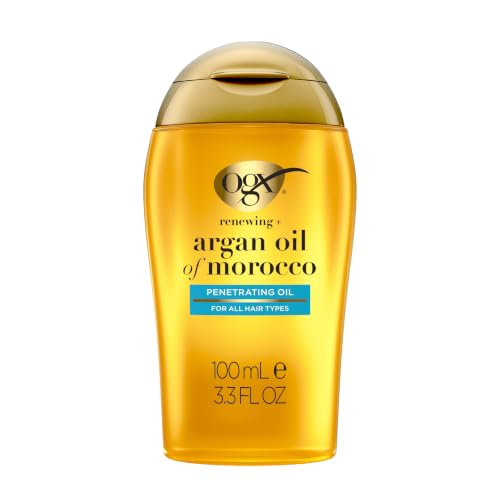
- Argan oil
- Coconut oil
- Jojoba oil
- Olive oil
How to Use:
Apply a few drops to the mid-lengths and ends of your hair after styling.
Avoid using too much near the scalp if your hair gets oily easily.
Nighttime Hair Care Matters Too
Many people damage their hair while sleeping without realizing it.
Cotton pillowcases create friction that leads to dryness and breakage.
Better Option:
Switch to a satin or silk pillowcase to help your hair retain moisture overnight.
You can also loosely braid your hair before sleeping to reduce tangles.
Natural Remedies for Dry Hair
Natural treatments can help improve softness and hydration when used consistently.
Coconut Oil Treatment
Coconut oil penetrates deeply into the hair shaft and helps reduce protein loss.
How to Use:
- Warm a small amount of coconut oil
- Apply before shampooing
- Leave on for 30 minutes
- Wash thoroughly
Aloe Vera Hair Mask
Aloe vera soothes the scalp and adds lightweight moisture.
Mix aloe vera gel with a little coconut oil and apply it as a mask for 20 minutes.
Honey and Yogurt Mask
Honey attracts moisture while yogurt softens dry strands.
This simple combination works well for brittle or frizzy hair.
When Should You See a Hair Specialist?
Sometimes dry hair may signal a deeper issue.
See a dermatologist or hair specialist if you experience:
- Severe breakage
- Hair thinning
- Bald patches
- Itchy scalp
- Excessive shedding
Hormonal imbalances, thyroid problems, or scalp conditions may require professional treatment.
Dry hair can feel discouraging, especially when nothing seems to work. But healthy hair is usually the result of small, consistent habits rather than quick fixes.
Focus on protecting your hair, restoring moisture, and simplifying your routine. Over time, your strands can become softer, shinier, and easier to manage again.
Healthy hair does not happen overnight — but every good habit brings you one step closer.
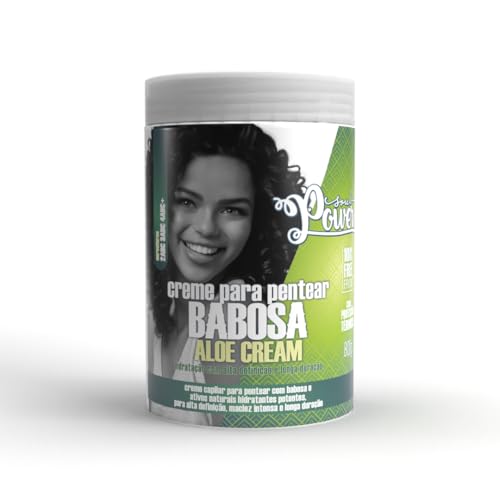
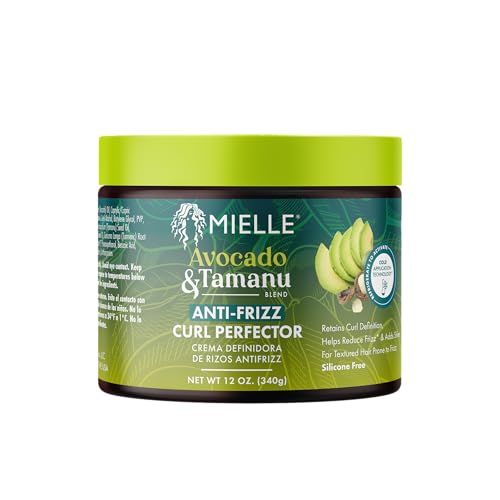
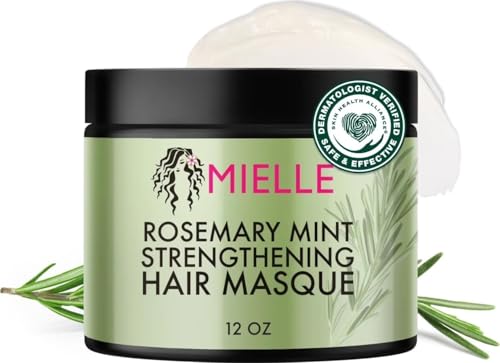
Recommended Products for Dry Hair
Disclosure: As an Amazon Associate, I earn from qualifying purchases. We only recommend products that we believe offer value to our readers. Learn more.

Frequently Asked Questions About Dry Hair
References
- American Academy of Dermatology Association.Tips for Healthy Hair. Provides dermatologist-recommended guidance on shampooing according to hair type, applying shampoo primarily to the scalp, conditioning after washing, and gently detangling wet hair. American Academy of Dermatology – Tips for Healthy Hair
- American Academy of Dermatology Association.Dermatologists’ Top Tips for Using Leave-In Conditioner. Discusses the benefits of leave-in conditioners for dry, brittle, frizzy, color-treated, and heat-styled hair and their role in improving manageability and reducing frizz. American Academy of Dermatology – Leave-In Conditioner Tips
- Gavazzoni Dias, M. F. R. (2015). Hair cosmetics: An overview. International Journal of Trichology, 7(1), 2–15. Reviews hair-shaft structure, chemical and environmental damage, shampoos, conditioners, oils, silicones, friction, and approaches for reducing hair breakage. PubMed Central – Hair Cosmetics: An Overview
- D’Souza, P., & Rathi, S. K. (2015). Shampoo and conditioners: What a dermatologist should know? Indian Journal of Dermatology, 60(3), 248–254. Reviews shampoo ingredients and the role of conditioners in improving manageability, reducing static, and adding luster to dry or damaged hair. PubMed Central – Shampoo and Conditioners
- Rele, A. S., & Mohile, R. B. (2003). Effect of mineral oil, sunflower oil, and coconut oil on prevention of hair damage. Journal of Cosmetic Science, 54(2), 175–192. The study found that coconut oil reduced protein loss from both damaged and undamaged hair when used as a pre- or post-wash treatment. PubMed – Coconut Oil and Hair Damage Study
- Ruetsch, S. B., Kamath, Y. K., Rele, A. S., & Mohile, R. B. (2001). Secondary ion mass spectrometric investigation of penetration of coconut and mineral oils into human hair fibers: Relevance to hair damage. Journal of Cosmetic Science, 52(3), 169–184. Examines the ability of coconut oil and mineral oil to penetrate human hair fibers. PubMed – Coconut and Mineral Oil Hair Study
- Almohanna, H. M., Ahmed, A. A., Tsatalis, J. P., & Tosti, A. (2019). The role of vitamins and minerals in hair loss: A review. Dermatology and Therapy, 9(1), 51–70. Reviews evidence concerning vitamins, minerals, nutritional deficiencies, and hair health while noting that supplementation is not automatically beneficial without a deficiency. PubMed Central – Vitamins, Minerals and Hair Loss Review
- Guo, E. L., & Katta, R. (2017). Diet and hair loss: Effects of nutrient deficiency and supplement use. Dermatology Practical & Conceptual, 7(1), 1–10. Reviews relationships between nutritional deficiencies and hair loss and cautions against unnecessary supplementation when no deficiency has been identified. PubMed Central – Diet and Hair Loss Review