Dry skin is one of the most common skincare concerns affecting people of all ages. It can make your skin feel rough, itchy, tight, flaky, and uncomfortable. In more severe cases, dry skin may crack, peel, or become inflamed, leading to irritation and even infection if left untreated.
Your skin acts as a protective barrier against environmental damage, pollutants, and bacteria. When the skin loses moisture, this barrier becomes weakened, making it more vulnerable to irritation and premature aging. Understanding the causes of dry skin and learning how to properly care for it can help restore softness, hydration, and overall skin health.
What Causes Dry Skin?
Dry skin develops when the outer layer of the skin loses too much water and natural oil. Several everyday factors can contribute to this condition.
1. Weather Changes
Cold winter air and low humidity are major causes of dry skin. During colder months, moisture levels in the air decrease, causing skin to lose hydration more quickly. On the other hand, hot desert climates with dry heat can also strip moisture from the skin.
2. Heating and Air Conditioning
Indoor heating systems, fireplaces, space heaters, and air conditioners reduce humidity levels inside the home. This dry indoor air can pull moisture away from the skin, leaving it rough and irritated.
3. Hot Showers and Baths
While hot showers may feel relaxing, frequent exposure to hot water removes the skin’s natural oils. Long showers and baths can damage the skin barrier and increase moisture loss.
4. Harsh Soaps and Skincare Products
Many soaps, shampoos, deodorants, and cosmetic products contain strong detergents, alcohols, and artificial fragrances that can irritate the skin and cause dryness. Using gentle, moisturizing products is essential for maintaining healthy skin.
5. Aging
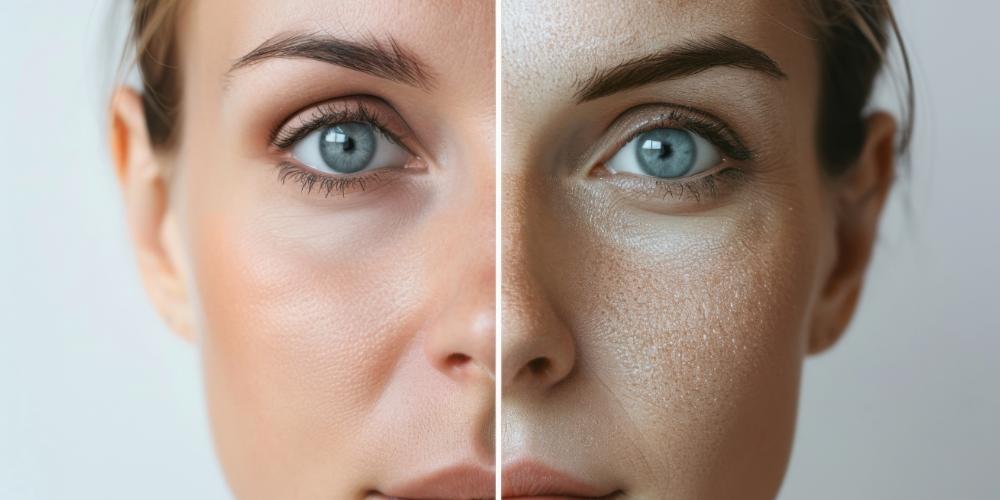
As people age, the skin naturally produces less oil and becomes thinner. Reduced collagen production and slower cell renewal also contribute to dryness, wrinkles, and loss of elasticity.
6. Poor Diet and Dehydration
A diet lacking essential nutrients, healthy fats, and antioxidants can negatively affect skin health. Excessive caffeine, alcohol, and processed foods may also contribute to dehydration and dryness.
7. Medical Conditions
Certain medical conditions such as eczema, psoriasis, hypothyroidism, and dermatitis can cause chronic dry skin. Some medications, including antihistamines and acne treatments, may also lead to skin dryness.
Common Symptoms of Dry Skin
Dry skin symptoms can vary from mild to severe and may include:
- Itching and irritation
- Flaky or peeling skin
- Rough texture
- Tightness after washing
- Redness and inflammation
- Cracks or fine lines
- Burning or stinging sensations
If symptoms become severe or persistent, consulting a dermatologist is recommended.
Effective Treatments for Dry Skin
Use Moisturizers Daily
Applying moisturizer regularly is one of the best ways to restore hydration. Moisturizers help seal water into the skin and strengthen the skin barrier. For best results, apply moisturizer immediately after bathing while the skin is still slightly damp.
Look for ingredients such as:
- Hyaluronic acid
- Shea butter
- Glycerin
- Ceramides
- Vitamin E
- Natural plant oils
Choose Gentle Cleansers
Avoid harsh soaps and products containing strong detergents or synthetic fragrances. Mild cleansers and moisturizing body washes are much gentler on dry skin.
Limit Shower Time
Keep showers short, around 5 to 10 minutes, and use warm rather than hot water to prevent stripping natural oils from the skin.
Use a Humidifier
Adding moisture back into indoor air with a humidifier can help prevent skin dehydration, especially during winter or in air-conditioned environments.
Stay Hydrated
Drinking enough water supports healthy skin from within. Proper hydration helps maintain skin elasticity and moisture balance.
Improve Your Diet
A healthy diet rich in omega-3 fatty acids, antioxidants, fruits, vegetables, and healthy oils can improve skin health naturally.
Foods beneficial for dry skin include:
- Salmon and fatty fish
- Avocados
- Olive oil
- Nuts and seeds
- Berries
- Leafy green vegetables
Olive Oil for Dry Skin
Olive oil has been used for centuries as a natural skincare remedy. Rich in antioxidants and healthy fatty acids, olive oil helps nourish and soften dry skin. It can be used directly on the skin as a moisturizer or included in skincare products such as soaps, creams, and body lotions.
Many people prefer olive oil-based skincare products because they combine olive oil with other beneficial ingredients that improve absorption without leaving the skin overly greasy.
Do Dry Skin Relief Lotions Really Work?
Not all dry skin lotions are created equal. Some mainstream skincare products contain artificial chemicals, synthetic fragrances, and preservatives that may irritate sensitive skin even further.
High-quality dry skin lotions often contain natural ingredients that help repair and hydrate the skin, including:
- Vitamin E
- Coenzyme Q10 (CoQ10)
- Avocado oil
- Macadamia oil
- Keratin proteins
- Natural antioxidants
Organic and naturally formulated skincare products are often gentler and more effective for long-term skin health.
When to See a Doctor
You should consult a dermatologist if:
- Dryness becomes painful or severe
- Skin cracks or bleeds
- Large patches of skin peel or scale
- Itching interferes with sleep
- Signs of infection appear
Persistent dry skin may indicate an underlying medical condition requiring professional treatment.
Dry skin can affect both comfort and confidence, but proper skincare habits can make a significant difference. Using gentle cleansers, moisturizing regularly, staying hydrated, and protecting your skin from harsh environmental conditions are essential steps toward healthier skin.
Natural ingredients such as olive oil, vitamin E, and plant-based moisturizers can help restore softness and hydration while supporting the skin’s protective barrier. With consistent care and the right products, dry skin can be effectively managed and prevented.
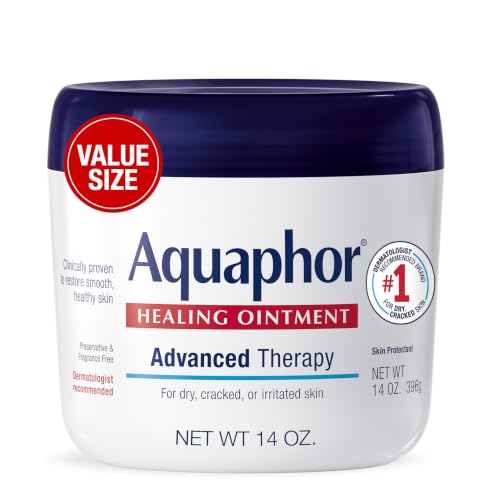
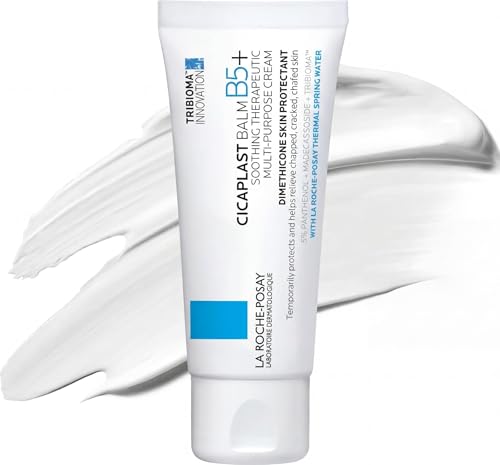
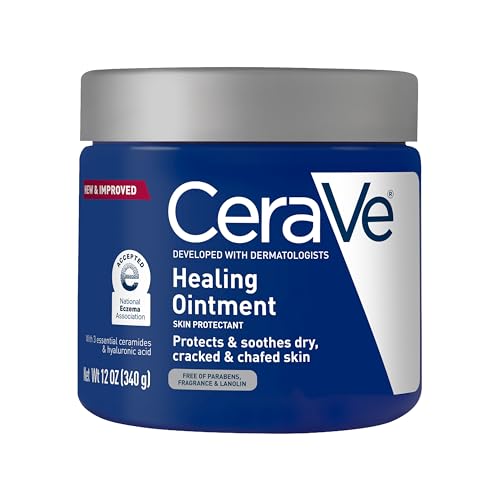
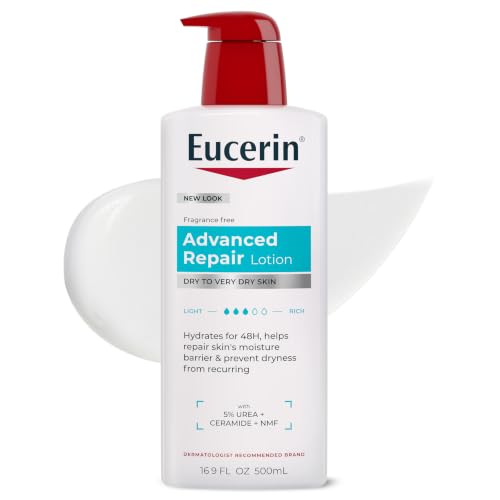
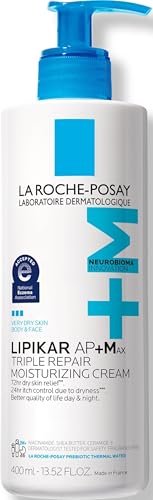
Recommended Products for Dry Skin
Disclosure: As an Amazon Associate, I earn from qualifying purchases. We only recommend products that we believe offer value to our readers. Learn more.
Frequently Asked Questions About Dry Skin
References
- American Academy of Dermatology Association (AAD).Dry Skin: Diagnosis and Treatment. Covers the diagnosis and treatment of excessively dry skin, including moisturizers, skin-barrier care, and underlying conditions. American Academy of Dermatology – Dry Skin Treatment
- American Academy of Dermatology Association (AAD).Dermatologists’ Top Tips for Relieving Dry Skin. Provides dermatologist-recommended advice on short, warm showers, gentle cleansers, fragrance-free products, moisturizers, humidifiers, and ingredients such as glycerin, hyaluronic acid, petrolatum, and shea butter. AAD – Tips for Relieving Dry Skin
- American Academy of Dermatology Association (AAD).Dry Skin: Signs and Symptoms. Describes common signs of excessive dryness, including itching, flaking, rough texture, peeling, cracking, bleeding, and possible infection. AAD – Dry Skin Signs and Symptoms
- Mayo Clinic.Dry Skin: Symptoms and Causes. Reviews xerosis, common causes of dry skin, including low humidity, aging, hot bathing, harsh soaps and certain medical conditions, as well as potential complications. Mayo Clinic – Dry Skin Symptoms and Causes
- Mayo Clinic.Dry Skin: Diagnosis and Treatment. Discusses self-care measures, moisturizers, avoiding long hot showers and when professional medical treatment may be necessary. Mayo Clinic – Dry Skin Diagnosis and Treatment
- National Eczema Association.Basics of Atopic Dermatitis Care. Explains the importance of lukewarm bathing, gentle fragrance-free cleansers, frequent moisturizing and applying moisturizer while the skin is still moist.