
Natural skin care has become increasingly popular as people pay closer attention to what they put on their skin. Plant oils, botanical extracts, aloe vera, shea butter, and other naturally derived ingredients now appear in everything from cleansers to moisturizers.
But there is an important question behind the trend: What does natural skin care actually mean?
A product labeled “natural” isn’t automatically safer, gentler, or more effective than a conventional skincare product. At the same time, many naturally derived ingredients can be excellent additions to a healthy routine.
The key is learning to look beyond marketing claims.
Instead of trying to eliminate every synthetic ingredient, a better approach is to choose well-formulated products that suit your skin type, use proven sun protection, maintain healthy lifestyle habits, and treat your skin gently.
This natural skin care guide explains how to do exactly that.
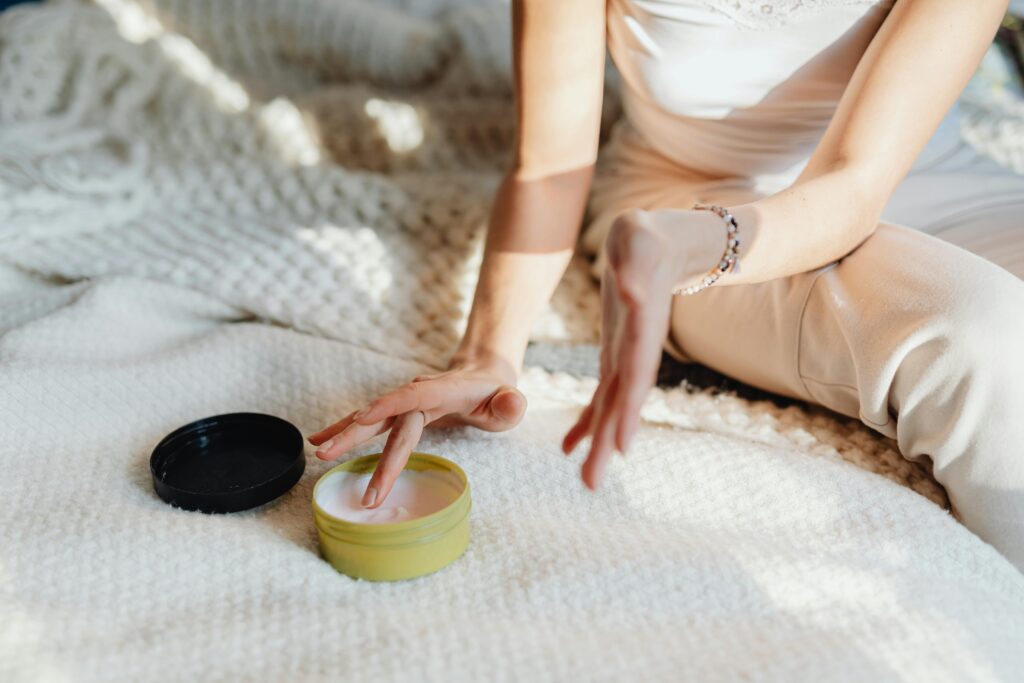
What Is Natural Skin Care?
Natural skin care generally refers to products and routines that emphasize ingredients derived from plants, minerals, or other naturally occurring sources.
Common examples include:
- Aloe vera
- Shea butter
- Jojoba oil
- Argan oil
- Avocado oil
- Oatmeal
- Coconut oil
- Sunflower seed oil
- Botanical extracts
However, there is no simple rule that separates every skincare ingredient into “natural” or “synthetic.”
Some ingredients begin with plant-based materials but undergo processing before they become part of a finished skincare formula. That processing doesn’t automatically make an ingredient harmful.
In fact, both naturally derived and synthetic ingredients can play valuable roles in skincare.
Natural Doesn’t Mean Chemical-Free
One of the biggest misconceptions surrounding natural beauty is the phrase “chemical-free skincare.”
Everything around us is made of chemicals, including water, oxygen, plant oils, and the ingredients found in fruits and vegetables.
Therefore, “chemical-free” isn’t a scientifically useful way to describe skincare.
A more helpful question is:
Is this ingredient safe and appropriate for my skin when used as intended?
A synthetic ingredient isn’t automatically harmful, just as a natural ingredient isn’t automatically safe.
For example, some essential oils and botanical extracts can cause irritation or allergic reactions in sensitive individuals. Meanwhile, carefully formulated synthetic ingredients can help moisturize the skin, preserve a product, improve stability, or deliver specific skincare benefits.
Rather than fearing unfamiliar ingredient names, focus on the quality of the overall formulation and how your skin responds to it.
Natural vs. Organic Skin Care: What’s the Difference?
“Natural” and “organic” are often used interchangeably, but they don’t mean exactly the same thing.
Natural generally describes the origin of an ingredient, while organic usually relates to how certain agricultural ingredients were grown, handled, and processed according to certification standards.
If buying organic products is important to you, look beyond the front label.
Depending on where the product is sold, recognized certification programs may establish requirements for organic claims. In the United States, for example, qualifying products containing agricultural ingredients may be eligible for certification under USDA organic standards.
Certification can provide more meaningful information than marketing phrases such as “pure,” “green,” or “all natural.”
Are Natural Skincare Products Better for Your Skin?
Not necessarily.
There are excellent natural products and excellent conventional products. There are also poorly formulated products in both categories.
What matters most is whether a product:
- Is suitable for your skin type
- Has been formulated appropriately
- Provides the benefit you need
- Doesn’t repeatedly irritate your skin
- Is stored and used according to its directions
A beautiful ingredient list means little if the product makes your skin itchy, dry, or inflamed.
Your skin doesn’t care about skincare trends. It responds to the actual formulation you apply.
Why Are Preservatives and Emulsifiers Used in Skincare?
Ingredients that don’t sound “natural” are sometimes treated as unnecessary fillers. However, many perform important functions.
For example, emulsifiers help oil and water remain evenly combined in creams and lotions.
Preservatives can help protect water-containing cosmetics from contamination and microbial growth.
Surfactants help cleansers lift oil, dirt, sunscreen, and other materials from the skin so they can be washed away.
These ingredients aren’t simply added to make a product look attractive in its packaging. They can contribute to its stability, usability, cleanliness, and shelf life.
The better approach is to understand what an ingredient does rather than judging it solely by whether its name sounds natural.
8 Natural Skin Care Tips for Healthier-Looking Skin
Natural skin care isn’t only about the products sitting on your bathroom shelf. Your everyday habits also matter.
Here are eight practical ways to build a simple, skin-friendly lifestyle.
1. Keep Your Skin Hydrated
Hydration supports normal body functions and contributes to overall health.
However, drinking large amounts of water doesn’t “detox” your skin, and there isn’t a universal eight-glasses-a-day rule specifically for glowing skin.
Your fluid needs depend on factors such as your activity level, environment, diet, and individual health needs.
For your skin itself, hydration also comes from the outside.
Using a suitable moisturizer—particularly after cleansing or bathing—can help reduce water loss from the skin and support its protective barrier.
2. Eat a Balanced, Nutrient-Rich Diet
Healthy-looking skin starts with more than skincare products.
A balanced diet provides protein, healthy fats, vitamins, minerals, antioxidants, and other nutrients that your body uses to maintain normal tissues, including the skin.
Try including foods such as:
- Colorful fruits and vegetables
- Beans and lentils
- Whole grains
- Nuts and seeds
- Fish
- Eggs
- Other appropriate sources of protein
Fiber-rich foods such as oats, beans, apples, vegetables, nuts, and seeds can also support healthy digestion.
No single “superfood” will transform your complexion overnight. A balanced eating pattern is more meaningful than chasing individual miracle ingredients.
3. Exercise Regularly
Exercise benefits your entire body, and your skin is part of that body.
Physical activity increases blood flow and can support cardiovascular health, sleep, stress management, and general well-being.
Sweating, however, shouldn’t be viewed as a way to “detox” the skin. The primary purpose of sweating is to help regulate body temperature.
After a sweaty workout, gently cleansing your face or showering can help remove sweat, oil, and debris—particularly if you’re prone to clogged pores.
4. Protect Your Skin From the Sun
If you want to keep your skin looking healthy over the long term, sun protection deserves a permanent place in your routine.
Ultraviolet radiation contributes to premature skin aging, including wrinkles and uneven pigmentation, and is an important risk factor for skin cancer.
Use a broad-spectrum sunscreen with SPF 30 or higher on exposed skin and follow the product’s directions for application and reapplication.
You can strengthen your protection by combining sunscreen with:
- Shade
- Protective clothing
- Wide-brimmed hats
- Sunglasses
- Limiting unnecessary exposure to intense sunlight
Sun protection isn’t just an anti-aging step. It’s an important part of protecting your skin’s health.
5. Exfoliate Carefully—Not Aggressively
Exfoliation can help remove dead cells from the surface of your skin and temporarily make it feel smoother.
But more exfoliation doesn’t mean better skin.
Daily exfoliation can be too aggressive for many people, especially if you’re using strong acids, scrubs, retinoids, or several exfoliating products at the same time.
Over-exfoliation may cause:
- Redness
- Burning
- Increased sensitivity
- Dryness
- Flaking
- A weakened skin barrier
How frequently you should exfoliate depends on your skin type and the product you’re using.
If your skin feels sore, tight, or unusually sensitive after exfoliating, give it time to recover and simplify your routine.
6. Moisturize Every Day
Moisturizer is one of the simplest tools for supporting your skin barrier.
It can help reduce water loss and keep the skin feeling softer and more comfortable.
Naturally derived moisturizing ingredients may include:
- Shea butter
- Jojoba oil
- Argan oil
- Sunflower seed oil
- Avocado oil
- Vegetable glycerin
But natural oils aren’t automatically appropriate for everyone.
For example, someone with very dry skin may enjoy a richer cream, while someone with oily or acne-prone skin may prefer a lightweight, non-comedogenic moisturizer.
Apply moisturizer after cleansing, ideally while your skin is still slightly damp.
7. Be Careful With Essential Oils and DIY Skin Care
Homemade skincare can sound appealing because the ingredients feel familiar.
Unfortunately, familiar doesn’t always mean harmless.
Lemon juice, concentrated essential oils, harsh scrubs, undiluted vinegar, and other popular DIY treatments can irritate the skin. Some plant-derived substances may also trigger allergic reactions.
Even ingredients commonly used in commercial skincare products must be formulated at appropriate concentrations.
If you’re trying a new product or botanical ingredient, consider patch-testing it first and stop using it if you develop persistent burning, swelling, itching, or irritation.
When dealing with an ongoing skin condition, professional advice is often safer than repeatedly experimenting with home remedies.
8. Prioritize Sleep and Stress Management
Skin health doesn’t exist separately from the rest of your well-being.
Poor sleep and ongoing stress can affect how you feel and may influence certain skin concerns in some individuals.
Try creating healthy habits that make rest and stress management easier.
That could mean:
- Maintaining a consistent sleep schedule
- Walking outdoors
- Exercising
- Practicing meditation
- Reading
- Listening to music
- Taking time away from screens
- Spending time on relaxing hobbies
None of these activities is a miracle treatment for wrinkles or acne, but caring for your overall health can complement a sensible skincare routine.
How to Build a Simple Natural Skin Care Routine
You don’t need ten products to take good care of your skin.
For many people, a basic routine can begin with just three essential steps.
Step 1: Cleanse Gently
Wash your face with a gentle cleanser suitable for your skin type.
Cleansing helps remove oil, dirt, makeup, sunscreen, and environmental debris.
Avoid excessively hot water and aggressive scrubbing. Lukewarm water and gentle cleansing are usually enough.
If your skin consistently feels extremely tight or uncomfortable after washing, your cleanser may be too harsh for you.
Step 2: Moisturize
After cleansing, apply a moisturizer that matches your skin’s needs.
Dry skin may benefit from richer creams containing emollient or occlusive ingredients, while oily skin may feel more comfortable with lightweight lotions or gels.
And yes—oily skin still needs appropriate moisturization.
Step 3: Protect With Sunscreen
During the daytime, finish with broad-spectrum SPF 30 or higher.
If you spend extended periods outdoors, remember that sunscreen isn’t a one-and-done product. Follow the label’s reapplication directions and use additional protective measures when appropriate.
Once you’ve established these basics, you can consider adding products targeting specific concerns.
Choosing Natural Ingredients Based on Your Skin Type
Your skin type should influence the products you choose.
Dry Skin
Look for gentle cleansers and richer moisturizers. Ingredients such as shea butter, glycerin, jojoba oil, and certain plant oils may help support softness and comfort.
Oily Skin
Choose lightweight moisturizers and gentle cleansers. Avoid stripping your skin with excessive washing or harsh scrubs.
Sensitive Skin
Keep your routine simple and pay attention to fragrance, essential oils, and botanical ingredients that may cause irritation. “Natural” products aren’t automatically hypoallergenic.
Combination Skin
You may need to treat different areas differently. For example, a lightweight moisturizer may work across the entire face while particularly dry areas benefit from an additional moisturizing product.
Acne-Prone Skin
Choose non-comedogenic products when possible and be careful with heavy oils and aggressive DIY remedies. Persistent or severe acne deserves professional evaluation because effective medical treatments are available.
Natural Ingredients Worth Knowing
You don’t need dozens of botanical extracts to create an effective routine.
A few commonly used naturally derived ingredients include:
Aloe vera: Often included in products designed to provide lightweight hydration and soothing effects.
Jojoba oil: Commonly used as an emollient to soften and condition the skin.
Shea butter: A rich moisturizing ingredient frequently used in products for dry skin and body care.
Colloidal oatmeal: Often used in products designed for dry, itchy, or sensitive skin.
Sunflower seed oil: Used as an emollient in many moisturizing formulations.
Argan oil: Commonly found in skin and hair products because of its emollient properties.
Remember that the presence of one appealing natural ingredient doesn’t automatically make an entire product effective. The complete formulation matters.
Natural Skin Care Mistakes to Avoid
One of the easiest skincare mistakes is assuming that if something comes from nature, you can put it directly on your face.
That’s not always a good idea.
Be particularly careful about:
- Applying undiluted essential oils
- Using lemon juice to lighten skin
- Scrubbing aggressively with salt or sugar
- Exfoliating every day without a specific reason
- Switching products constantly
- Believing that burning or tingling means a product is “working”
- Avoiding every ingredient with a complicated chemical name
- Skipping sunscreen because your other products are natural
Gentle consistency usually serves your skin better than extreme routines.
Final Thoughts: Natural Skin Care Doesn’t Have to Be Complicated
Building a natural skin care routine doesn’t mean throwing away every product containing a synthetic ingredient.
It means becoming a more informed skincare consumer.
Look beyond attractive packaging and words such as “clean,” “pure,” and “natural.” Pay attention to what a product is designed to do, whether it suits your skin, and how your skin responds over time.
Start with the fundamentals: cleanse gently, moisturize appropriately, protect your skin from UV radiation, eat a balanced diet, stay adequately hydrated, exercise, sleep well, and avoid aggressive DIY treatments.
Your skin doesn’t need perfection.
It needs consistent, sensible care.
And sometimes the simplest routine is the one your skin will appreciate most.
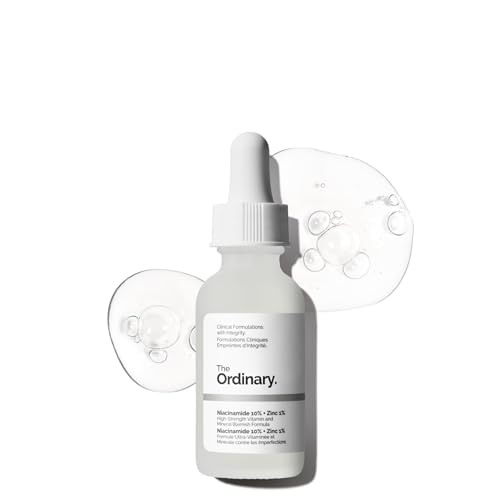
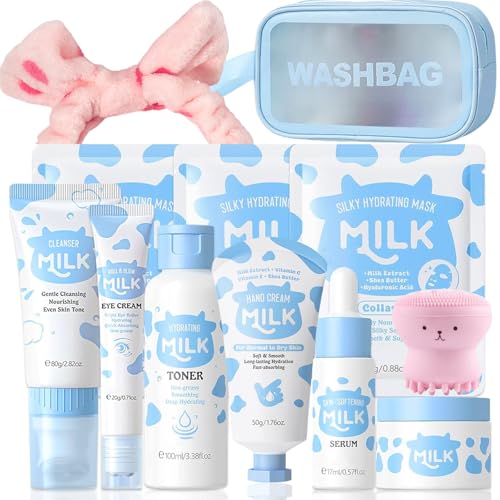
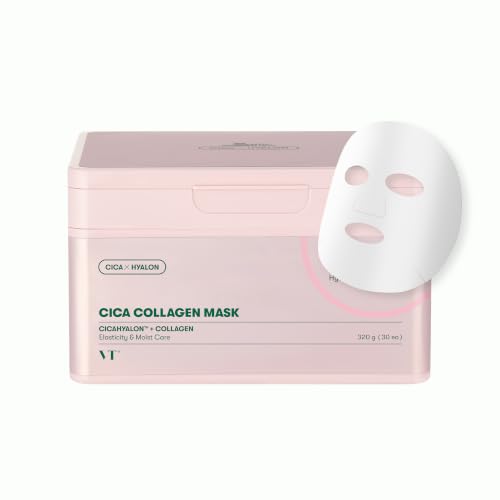
Recommended Products
Disclosure: As an Amazon Associate, I earn from qualifying purchases. We only recommend products that we believe offer value to our readers. Learn more.


Frequently Asked Questions About Natural Skin Care
References
- U.S. Food and Drug Administration (FDA).“Organic” Cosmetics. Explains how organic claims apply to cosmetics and emphasizes that an ingredient’s natural or organic origin does not automatically make it safer. FDA – “Organic” Cosmetics
- U.S. Food and Drug Administration (FDA).Cosmetics Labeling Claims. Provides guidance on cosmetic labeling and common marketing claims used for skincare and beauty products. FDA – Cosmetics Labeling Claims
- U.S. Food and Drug Administration (FDA).Small Businesses & Homemade Cosmetics: Fact Sheet. Explains that the FDA has not established a regulatory definition for “natural” in cosmetic labeling and that cosmetics must meet safety and labeling requirements regardless of ingredient source. FDA – Homemade Cosmetics Fact Sheet
- U.S. Department of Agriculture (USDA), Agricultural Marketing Service.Cosmetics, Body Care, and Personal Care Products. Explains when cosmetics and personal-care products containing agricultural ingredients may qualify for USDA organic certification. USDA – Cosmetics, Body Care, and Personal Care Products
- U.S. Department of Agriculture (USDA), Agricultural Marketing Service.Labeling Organic Products. Provides information about USDA organic certification and the requirements for “100 Percent Organic,” “Organic,” and “Made with Organic” labeling. USDA – Labeling Organic Products
- Akdeniz, M., Tomova-Simitchieva, T., Dobos, G., Blume-Peytavi, U., & Kottner, J. (2018).Does dietary fluid intake affect skin hydration in healthy humans? A systematic literature review. Skin Research and Technology, 24(3), 459–465. Reviews available evidence concerning water consumption and skin hydration and notes that evidence for additional water producing dermatological benefits remains limited. PubMed – Dietary Fluid Intake and Skin Hydration
- Palma, L., Marques, L. T., Bujan, J., & Rodrigues, L. M. (2015).Dietary water affects human skin hydration and biomechanics. Clinical, Cosmetic and Investigational Dermatology, 8, 413–421. Investigates the relationship between dietary water consumption and measurements of skin hydration and physiology. PubMed – Dietary Water and Skin Hydration
- Ortega, R. M., et al. (2026).The importance of nutrition in skin health. Nutrición Hospitalaria, 43(Special Issue 4), 58–62. Reviews the relationship between nutritional status, hydration, fruits, vegetables, micronutrients, and healthy skin. PubMed – The Importance of Nutrition in Skin Health