
Melanoma is the most serious type of skin cancer, but early detection can save lives. Every year, thousands of people are diagnosed with melanoma, yet many do not recognize the warning signs until the disease has advanced.
The good news? When melanoma is found early, treatment is often successful.
In this guide, you’ll learn:
- What melanoma is
- What causes melanoma
- Common risk factors
- Early warning signs
- How doctors diagnose it
- Modern treatment options
- Ways to reduce your risk
What Is Melanoma?
Melanoma is a type of skin cancer that develops in melanocytes, the cells responsible for producing melanin—the pigment that gives skin, hair, and eyes their color.
Unlike many other skin cancers, melanoma has a greater ability to spread to other parts of the body. Because of this, it is considered the most dangerous form of skin cancer.
Although melanoma most often appears on the skin, it can also develop in the eyes, under the nails, and in rare cases, inside the body.
How Does Melanoma Develop?
Healthy melanocytes grow and divide in a controlled way. However, when these cells experience DNA damage—often from ultraviolet (UV) radiation—they can begin growing uncontrollably.
Over time, these abnormal cells may form a tumor and invade nearby tissues.
If left untreated, melanoma can spread through:
- The lymphatic system
- Blood vessels
- Nearby organs
- Distant organs such as the lungs, liver, or brain
This process is known as metastasis.
Types of Melanoma
There are several forms of melanoma, each with unique characteristics.
1. Superficial Spreading Melanoma
This is the most common type.
It usually begins as a flat or slightly raised discolored patch that spreads across the skin’s surface before growing deeper.
2. Nodular Melanoma
Nodular melanoma is more aggressive and tends to grow downward quickly.
It often appears as a dark, raised bump but may also be pink, red, or skin-colored.
3. Lentigo Maligna Melanoma
This type usually affects older adults and develops on areas that receive years of sun exposure, such as:
- Face
- Neck
- Arms
4. Acral Lentiginous Melanoma
Although rare, this type is the most common melanoma among people with darker skin tones.
It appears on:
- Palms of the hands
- Soles of the feet
- Under fingernails or toenails
Melanoma Stages Explained
Doctors use staging to determine how far melanoma has progressed.
Stage 0 (In Situ)
Cancer cells are confined to the outer layer of skin.
Stage I–II
The melanoma is localized but has grown deeper into the skin.
Stage III
Cancer has spread to nearby lymph nodes.
Stage IV
Melanoma has spread to distant organs or tissues.
The stage helps determine treatment options and overall prognosis.
What Causes Melanoma?
UV Radiation Exposure
The leading cause of melanoma is exposure to ultraviolet (UV) radiation from:
- Sunlight
- Tanning beds
- Sunlamps
Both UVA and UVB rays can damage skin-cell DNA and increase cancer risk.
Research shows that even a single blistering sunburn during childhood or adolescence can significantly raise the likelihood of developing melanoma later in life.
Learn more: Skin Cancer Foundation UV Safety Guide
Melanoma Risk Factors
Certain factors increase the likelihood of developing melanoma.
Fair Skin
People with:
- Light skin
- Blonde or red hair
- Blue or green eyes
have less natural UV protection.
Family History
Approximately 10% of melanoma cases occur in individuals with a family history of the disease.
Numerous or Atypical Moles
Having many moles or unusual-looking moles can increase risk.
Weakened Immune System
People with suppressed immune systems may have a harder time eliminating abnormal cells.
Indoor Tanning
Using tanning beds significantly increases melanoma risk, especially before age 35.
Reference: American Academy of Dermatology Melanoma Information
Early Signs of Melanoma: The ABCDE Rule
One of the best ways to detect melanoma early is by performing monthly skin self-examinations.
Use the ABCDE rule:
A – Asymmetry
One half of the mole looks different from the other.
B – Border
Edges appear irregular, ragged, or blurred.
C – Color
The spot contains multiple shades, including:
- Brown
- Black
- Red
- White
- Blue
D – Diameter
The lesion is larger than 6 millimeters (about the size of a pencil eraser).
E – Evolving
The mole changes in size, shape, color, or texture over time.
The “Ugly Duckling” Sign
Pay attention to any mole that looks noticeably different from your other moles.
This simple observation often helps identify suspicious lesions early.
How to Perform a Skin Self-Exam
Once a month:
- Stand in front of a full-length mirror.
- Examine your face, neck, chest, and abdomen.
- Check your arms and hands.
- Inspect your legs and feet.
- Use a hand mirror to view your back.
- Examine your scalp using a comb or hair dryer.
If you notice anything unusual, schedule a dermatology appointment promptly.
When Should You See a Dermatologist?
Seek medical attention if you notice a mole or skin lesion that:
- Changes rapidly
- Bleeds
- Itches persistently
- Becomes painful
- Develops crusting or ulceration
Individuals with a family history of melanoma should consider routine professional skin screenings.
How Doctors Diagnose Melanoma
Dermoscopy
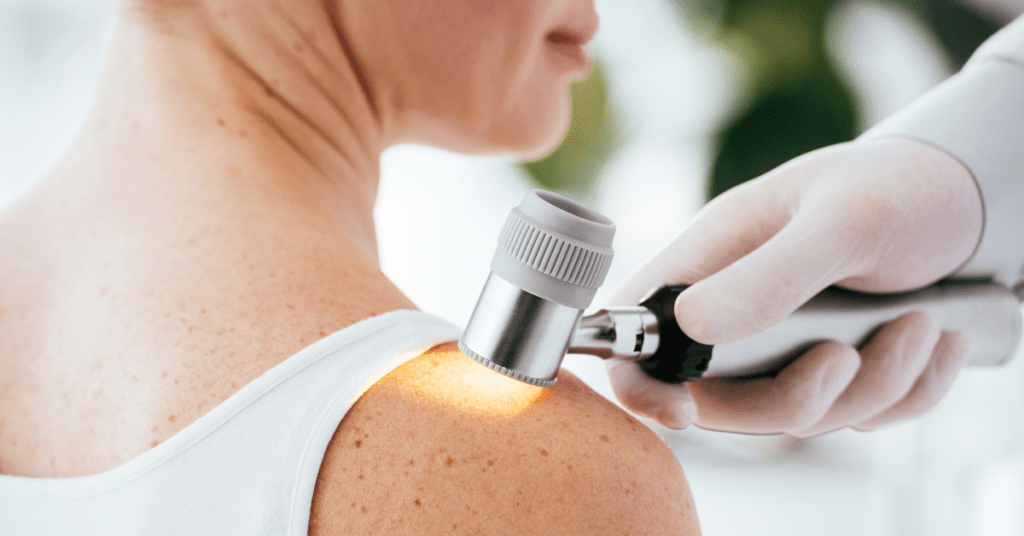
Dermatologists use a specialized magnifying device called a dermoscope to examine suspicious spots.
Skin Biopsy
If melanoma is suspected, a biopsy is performed.
The tissue sample is sent to a laboratory where experts determine:
- Whether cancer is present
- Tumor depth
- Cancer stage
Breslow Thickness
One of the most important measurements is the Breslow thickness, which shows how deeply the melanoma has penetrated the skin.
The deeper the tumor, the higher the risk of spreading.
Melanoma Treatment Options
Treatment depends on the stage of the disease.
Surgery
Surgical removal remains the primary treatment for early-stage melanoma.
A procedure known as Wide Local Excision (WLE) removes the tumor along with a margin of healthy tissue.
Sentinel Lymph Node Biopsy
For deeper melanomas, doctors may check nearby lymph nodes to determine whether cancer has spread.
Immunotherapy
Immunotherapy helps the immune system recognize and attack cancer cells.
These treatments have dramatically improved survival rates for advanced melanoma.
Targeted Therapy
Some melanomas have specific genetic mutations, such as BRAF mutations.
Targeted therapies block cancer-growth signals and can slow disease progression.
Radiation Therapy
Radiation may be used:
- After surgery
- To treat metastases
- To relieve symptoms
Chemotherapy
Chemotherapy is now less commonly used because newer treatments often produce better outcomes.
How to Reduce Your Risk of Melanoma
Protecting your skin is one of the most effective ways to prevent melanoma.
Smart Sun Safety Habits
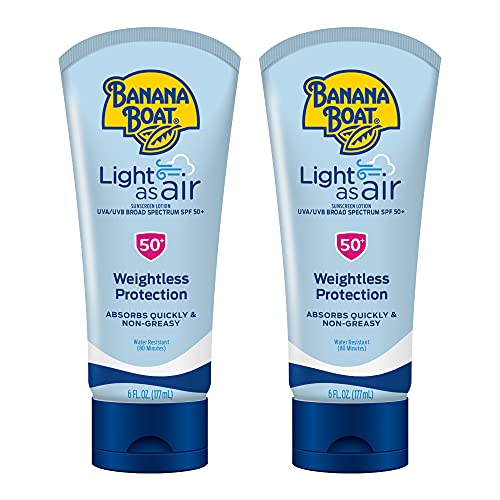
✔ Wear broad-spectrum sunscreen (SPF 30 or higher)
✔ Reapply sunscreen every two hours
✔ Wear protective clothing and hats
✔ Seek shade during peak sunlight hours
✔ Avoid tanning beds completely
✔ Perform monthly skin checks
Melanoma is a serious form of skin cancer, but awareness and early detection can make a life-saving difference. Understanding the warning signs, practicing regular skin checks, and protecting your skin from UV damage are the most effective ways to reduce your risk.
If you notice a changing mole or unusual skin spot, don’t ignore it. A simple dermatology visit today could prevent a more serious health problem tomorrow.
Recommended Products for Sun Protection
Disclosure: As an Amazon Associate, I earn from qualifying purchases. We only recommend products that we believe offer value to our readers. Learn more.



Frequently Asked Questions About Melanoma
References
- American Academy of Dermatology Association (AAD).Melanoma: Overview. Provides information about melanoma, its ability to spread, early detection, and the importance of skin self-examinations. American Academy of Dermatology – Melanoma Overview
- American Academy of Dermatology Association (AAD).Melanoma: Signs and Symptoms. Explains the ABCDE warning signs of melanoma and other changes that should be evaluated by a dermatologist. American Academy of Dermatology – Melanoma Signs and Symptoms
- American Academy of Dermatology Association (AAD).Melanoma: Diagnosis and Treatment. Covers dermoscopy, diagnosis, surgery, immunotherapy, targeted therapy, chemotherapy, and other approaches to melanoma treatment. American Academy of Dermatology – Melanoma Diagnosis and Treatment
- American Academy of Dermatology Association (AAD).Melanoma Treatment. Discusses surgical treatment and management of early and advanced melanoma. American Academy of Dermatology – Melanoma Treatment
- National Cancer Institute (NCI).Drugs Approved for Melanoma. Lists FDA-approved medications used to treat melanoma, including immunotherapies and targeted treatments. National Cancer Institute – Drugs Approved for Melanoma
- National Cancer Institute, SEER Training Modules.American Joint Committee on Cancer (AJCC). Provides information about the AJCC cancer staging system, including the role of the primary tumor, lymph nodes, and distant metastasis in cancer staging. NCI SEER – AJCC Staging System
- American Academy of Dermatology Association (AAD).Moles: Signs and Symptoms. Explains how ordinary moles can differ from melanoma and describes the ABCDE method for recognizing suspicious changes. American Academy of Dermatology – Moles and Melanoma