Finding hair on your pillow, in the shower drain, or tangled in your brush can feel alarming. You may start wondering if your hair is thinning permanently or if it is just temporary shedding. The good news is that hair fall is often manageable when you understand the root cause and build healthy habits that support long-term scalp and hair health.
Hair fall prevention is not about chasing miracle products. It is about improving your nutrition, reducing stress, caring for your scalp, and protecting your hair from damage. With consistency and the right approach, you can strengthen your hair naturally and support healthier growth over time.
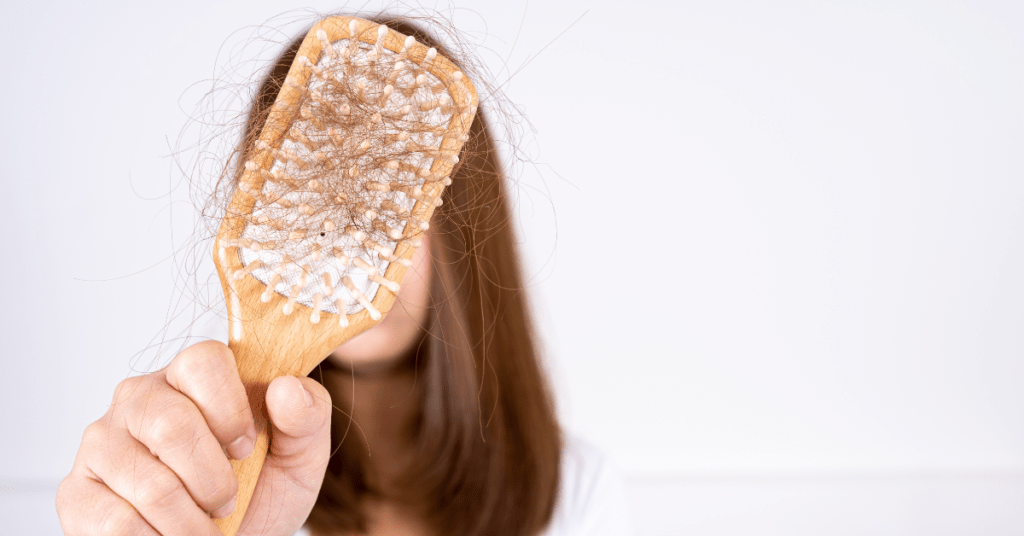
Understanding Normal Hair Shedding vs. Excessive Hair Loss
Before panicking, it helps to know that some hair loss is completely normal.
Hair naturally follows a growth cycle made up of four stages:
- Anagen Phase – active hair growth
- Catagen Phase – transition stage
- Telogen Phase – resting stage
- Exogen Phase – shedding stage
According to the American Academy of Dermatology, losing around 50 to 100 hairs daily is considered normal. However, excessive shedding, thinning areas, or widening hair parts may show an underlying issue that requires attention.
Common Causes of Hair Fall
Hair loss can happen for many reasons, and finding the cause is the first step toward prevention.
Genetics and Hormonal Changes
One of the most common causes is androgenetic alopecia, also known as pattern hair loss. This condition is hereditary and can affect both men and women.
Hormonal changes from pregnancy, menopause, thyroid disorders, or hormonal imbalances can also contribute to thinning hair.
Stress and Lifestyle Factors
High stress levels are a major trigger for temporary hair loss called Telogen Effluvium. Emotional stress, illness, surgery, crash dieting, or sudden weight loss can push hair follicles into the shedding phase.
The frustrating part is that hair loss often appears two to three months after the stressful event.
Nutritional Deficiencies
Your hair needs proper nutrition to grow strong and healthy. Deficiencies in iron, zinc, protein, and Vitamin D can weaken hair follicles and increase shedding.
Research published through the National Institutes of Health highlights the significant role nutrition plays in keeping healthy hair growth.
When Should You See a Dermatologist?
Sometimes hair fall requires professional evaluation. Schedule a consultation if you notice:
- Sudden bald patches
- Severe scalp itching or pain
- Redness or inflammation
- Rapid thinning
- Excessive shedding lasting several months
- Noticeable widening of your hair part
A dermatologist may recommend blood tests or scalp examinations to show deficiencies, hormonal imbalances, or scalp conditions.
Best Nutrients for Healthy Hair Growth
Healthy hair starts from within. If your body lacks essential nutrients, your hair follicles may become weak and fragile.
Protein: The Building Block of Hair
Hair is primarily made of keratin, a type of protein. Without enough protein, your body prioritizes vital organs over hair growth.
Include protein-rich foods such as:
- Eggs
- Fish
- Chicken
- Beans
- Greek yogurt
- Nuts and seeds
Biotin for Stronger Hair
Biotin is a popular vitamin for hair support because it helps keep healthy hair structure. While severe deficiency is rare, balanced nutrition supports stronger strands and reduced breakage.
Iron, Zinc, and Vitamin D
Low iron levels are especially common among women experiencing hair thinning. Zinc supports scalp repair and oil gland function, while Vitamin D helps stimulate healthy follicles.
If you suspect deficiencies, consult your doctor before taking supplements.
Hydration and Scalp Circulation Matter
Dehydrated hair becomes brittle and more prone to breakage. Drinking enough water helps keep moisture within the hair shaft and supports overall scalp health.
Good circulation is equally important because your scalp relies on blood flow to deliver nutrients to hair follicles.
Daily Scalp Massage Benefits
A gentle scalp massage may improve circulation and relaxation.
Try this simple technique:
- Use your fingertips, not fingernails
- Apply light circular pressure
- Massage for 5 minutes daily
You can also use a scalp massager tool for added stimulation.
How Stress Affects Hair Loss
Chronic stress raises cortisol levels, which can interrupt the hair growth cycle and increase shedding.
Managing stress does not require drastic lifestyle changes. Small daily habits can make a significant difference.
Simple Stress-Reduction Habits
- Practice deep breathing exercises
- Try short meditation sessions
- Exercise regularly
- Spend time outdoors
- Prioritize hobbies you enjoy
Even 10 to 15 minutes of relaxation daily can help reduce stress-related hair fall.
Why Sleep Is Essential for Hair Growth
Sleep is when your body repairs and regenerates cells, including hair follicles. Poor sleep can disrupt hormone balance and weaken healthy hair growth.
Tips for Better Sleep
- Maintain a consistent sleep schedule
- Avoid screens before bedtime
- Keep your bedroom cool and dark
- Limit caffeine late in the day
Quality sleep supports healthier skin, scalp, and hair.
Gentle Hair Care Practices That Prevent Breakage
Many people unknowingly damage their hair through aggressive styling and harsh products.
Choose Mild Hair Products
Look for shampoos that are:
- Sulfate-free
- Gentle on the scalp
- Hydrating and lightweight
Harsh shampoos can strip away natural oils, leaving hair dry and vulnerable to breakage.
Avoid Excessive Heat Styling
Frequent use of blow dryers, flat irons, and curling wands weakens the hair shaft over time.
To reduce damage:
- Use lower heat settings
- Apply heat protectant sprays
- Air dry whenever possible
Avoid Tight Hairstyles and Traction Alopecia
Constant pulling from tight ponytails, braids, buns, and extensions can lead to traction alopecia, a form of hair loss caused by repeated tension on the follicles.
Healthier Styling Alternatives
- Wear loose hairstyles
- Use soft fabric hair ties
- Sleep on silk or satin pillowcases
- Limit chemical treatments during heavy shedding periods
These simple changes can reduce friction and protect fragile strands.
Effective Hair Loss Treatments Backed by Science
If lifestyle changes are not enough, certain treatments may help support hair regrowth.
Minoxidil for Hair Growth
Minoxidil is an FDA-approved treatment commonly used for hair loss. It works by extending the hair growth phase and improving follicle activity.
Important things to know:
- Results usually take 3 to 6 months
- Temporary increased shedding may occur initially
- Consistency is essential
Always follow product instructions carefully.
Natural Oils for Scalp Support
Some natural oils may help improve scalp circulation and reduce dryness.
Popular options include:
- Rosemary oil
- Peppermint oil
- Coconut oil
- Jojoba oil
Essential oils should always be diluted before applying to the scalp.
Advanced Hair Loss Treatments
For persistent hair thinning, professional treatments may offer added support.
PRP Therapy
Platelet-Rich Plasma (PRP) therapy uses your own blood platelets to stimulate dormant follicles. A specialist separates platelet-rich plasma and injects it into the scalp to encourage hair growth.
PRP therapy may help people with thinning hair, though results vary by individual.
Long-Term Hair Fall Prevention Tips
Healthy hair growth takes patience and consistency. Instead of searching for quick fixes, focus on building sustainable habits that strengthen your hair over time.
Daily Hair Health Checklist
- Eat balanced, nutrient-rich meals
- Stay hydrated
- Manage stress levels
- Sleep at least 7–8 hours
- Avoid excessive heat styling
- Use gentle hair products
- Massage your scalp regularly
Small improvements practiced consistently often produce the best long-term results.
Hair fall prevention is not about perfection or expensive products. It is about understanding your body, supporting your scalp health, and creating habits that protect your hair every day.
Whether your hair loss is caused by stress, nutrition, hormones, or styling damage, prompt action can make a major difference. Stay consistent, treat your hair gently, and seek professional help if shedding becomes persistent or severe.
Healthier, stronger hair starts with daily care — from the inside out.
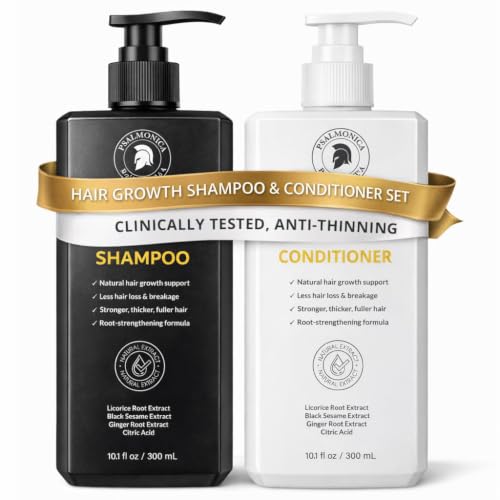
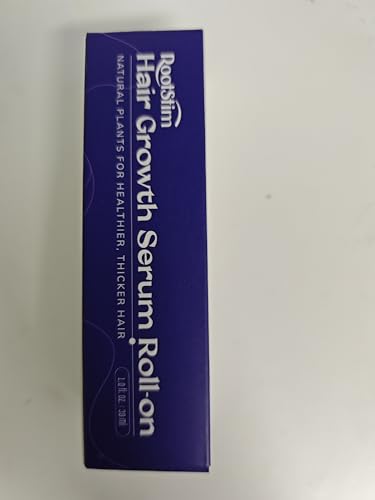
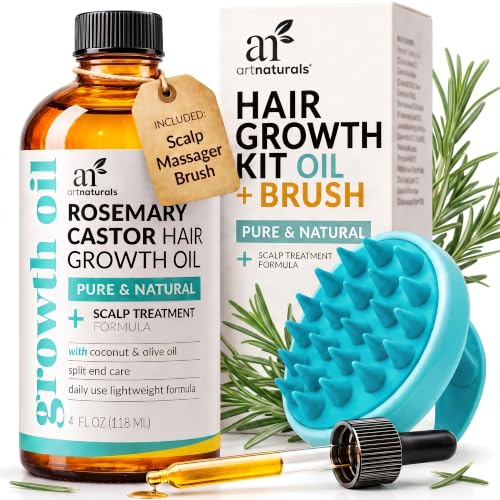
Recommended Products for Thinning Hair
Disclosure: As an Amazon Associate, I earn from qualifying purchases. We only recommend products that we believe offer value to our readers.. Learn more.


Frequently Asked Questions About Hair Loss
References
- American Academy of Dermatology Association (AAD).Hair Loss: Overview. American Academy of Dermatology. AAD – Hair Loss Overview Useful for: normal daily shedding, causes of hair loss, hereditary hair loss, and minoxidil.
- American Academy of Dermatology Association (AAD).Do You Have Hair Loss or Hair Shedding? AAD – Hair Loss vs. Hair Shedding Useful for: the 50–100 hairs-per-day range, telogen effluvium, stress-related shedding, illness, childbirth, and weight-loss-related shedding.
- Panahi, Y., Taghizadeh, M., Marzony, E. T., & Sahebkar, A. (2015). Rosemary oil vs minoxidil 2% for the treatment of androgenetic alopecia: A randomized comparative trial. Skinmed, 13(1), 15–21. PubMed – Rosemary Oil vs. Minoxidil Study Useful for: the section discussing rosemary oil. The study compared rosemary oil with 2% minoxidil over six months.
- Donnelly, C., et al. (2024). The role of platelet-rich plasma in androgenetic alopecia: A systematic review. Journal of Cosmetic Dermatology, 23(5), 1551–1559. PubMed – PRP Systematic Review Useful for: the PRP therapy section. The review found promising results for hair density and count but emphasized limitations in the quality and consistency of the available evidence.
- Evans, A. G., et al. (2020). Platelet-rich plasma as a therapy for androgenic alopecia: A systematic review and meta-analysis. PubMed – PRP for Androgenetic Alopecia Useful for: additional scientific support when discussing PRP and improvements in hair density and thickness.
- National Institutes of Health – Office of Dietary Supplements. Dietary Supplement Fact Sheets. NIH Office of Dietary Supplements Useful for: evidence-based information about iron, zinc, vitamin D, biotin, and other nutrients discussed in the article.
- U.S. Food and Drug Administration (FDA). U.S. Food and Drug Administration Useful for: regulatory and safety information related to medications and hair-loss treatments.