An itchy scalp, greasy roots, stubborn flakes, and flat hair can make even the best hair day feel impossible. Many people spend money on shampoos, serums, and styling products without realizing the real problem often starts at the scalp.
Healthy hair begins with healthy skin. Your scalp is the foundation of hair growth, and when it is irritated, dry, oily, or clogged, your hair can become weak, dull, and difficult to manage.
The good news is that learning how to achieve a healthy scalp does not need to be complicated. With the right routine and a few lifestyle changes, you can create the perfect environment for stronger, shinier, and healthier hair.
Why Scalp Health Matters
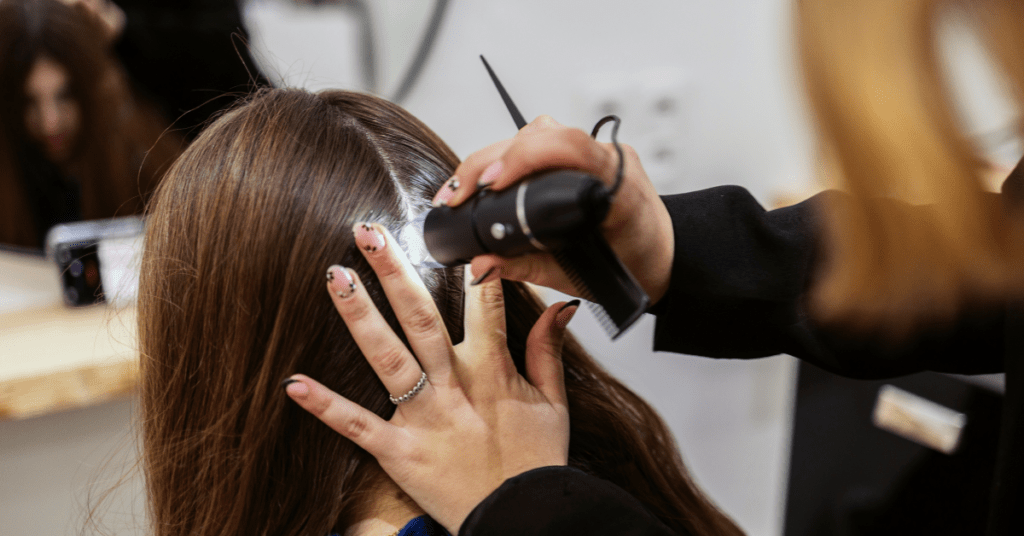
Your scalp is living skin filled with hair follicles, oil glands, and blood vessels. It protects your hair roots while supporting healthy hair growth.
When your scalp is balanced, your hair is more likely to grow thicker, softer, and healthier. But when the scalp barrier becomes damaged, common issues can appear, including:
- Dandruff
- Excess oiliness
- Dryness and irritation
- Itching and redness
- Hair thinning
- Product buildup
- Slow hair growth
Think of your scalp like soil in a garden. Healthy soil grows healthy plants. In the same way, a healthy scalp supports healthy hair.
Common Scalp Problems and Their Causes
Understanding your scalp concerns is the first step toward fixing them.
Dry Scalp
A dry scalp often feels tight, itchy, or flaky. This can happen because of:
- Harsh shampoos
- Over washing
- Freezing weather
- Dehydration
- Excess heat styling
The flakes from dry scalp are generally small, white, and powdery.
Oily Scalp
An oily scalp happens when the sebaceous glands produce too much sebum.
Common triggers include:
- Hormonal changes
- Genetics
- Stress
- Heavy hair products
- Washing too often
Excess oil can make hair appear greasy within a day after washing.
Dandruff
Dandruff is commonly linked to an overgrowth of a yeast called Malassezia, which naturally lives on the skin. It can cause:
- Larger flakes
- Itching
- Scalp irritation
Product buildup and stress can make dandruff worse.
Sensitive Scalp
A sensitive scalp may react to fragrances, sulfates, or harsh ingredients. Symptoms include:
- Burning
- Redness
- Stinging
- Tenderness
If your scalp reacts easily, choosing gentle products is essential.
How to Identify Your Scalp Type
Before building a scalp care routine, you need to understand your scalp type.
Try this simple test:
- Wash your hair with a gentle shampoo.
- Avoid styling products afterward.
- Let your hair dry naturally.
- Wait 24 hours and see your scalp.
Oily Scalp
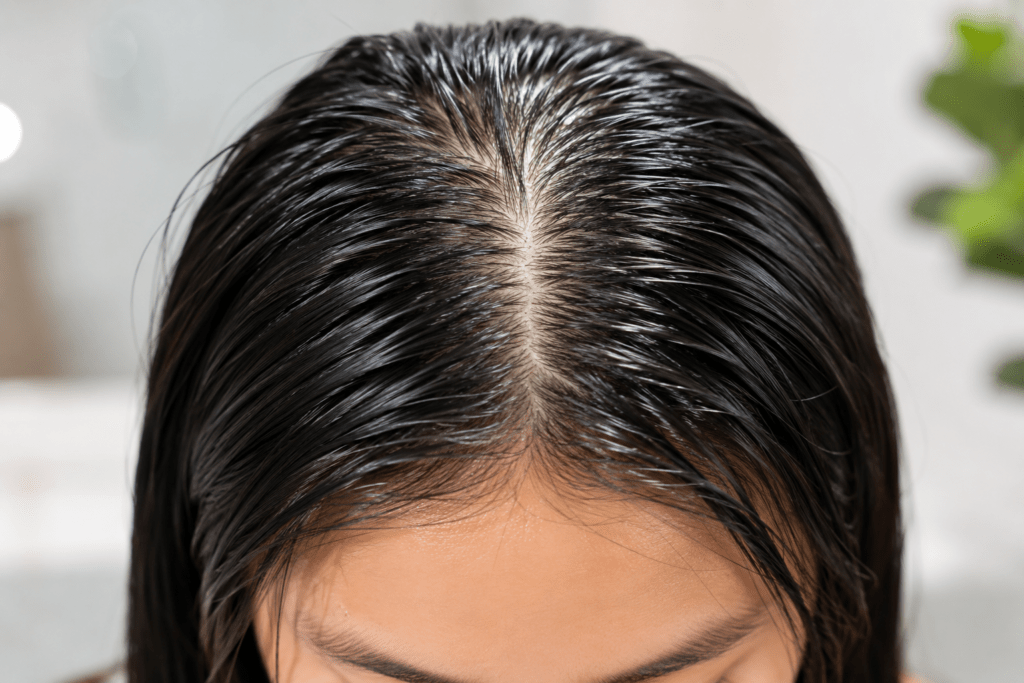
Your roots feel greasy or slick quickly after washing.
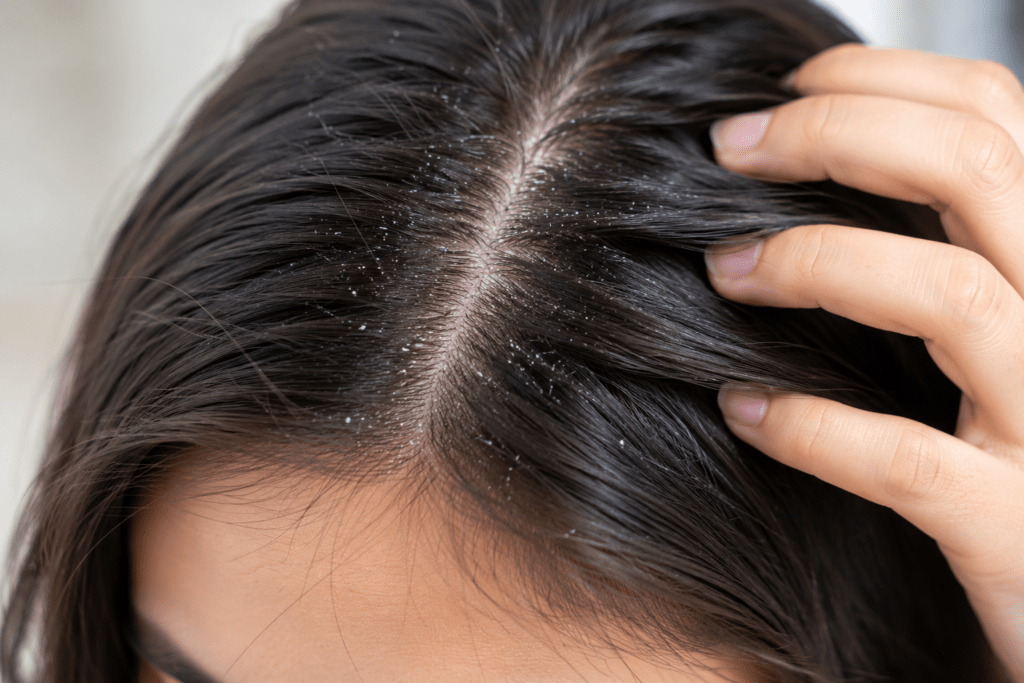
Dry Scalp
Your scalp feels tight or itchy and may show small flakes.
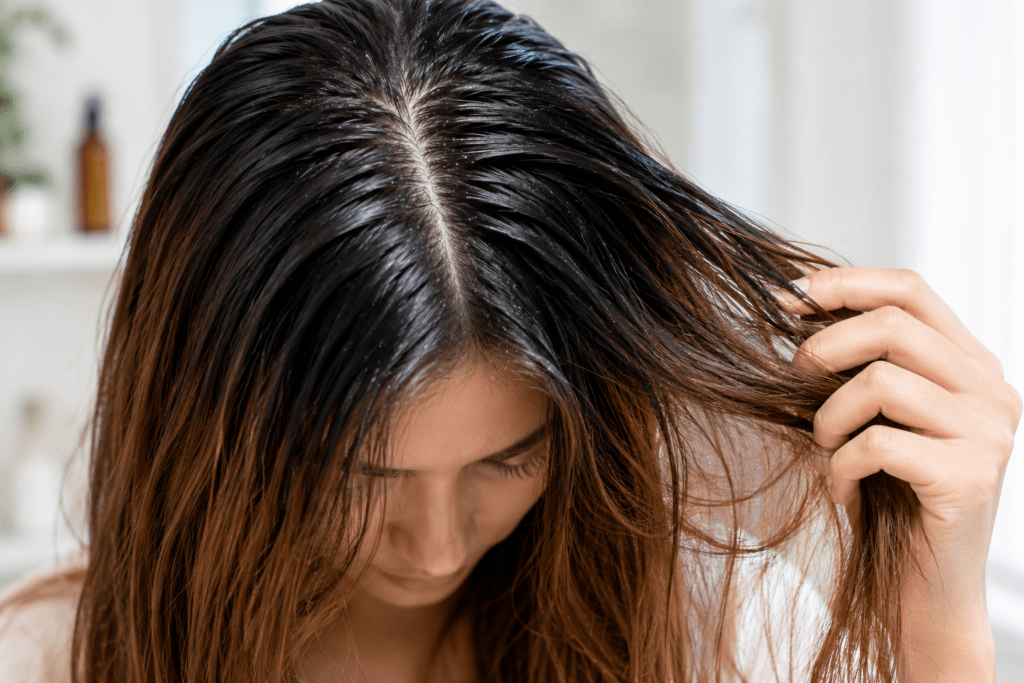
Combination Scalp
Your roots become oily while your ends stay dry or brittle.
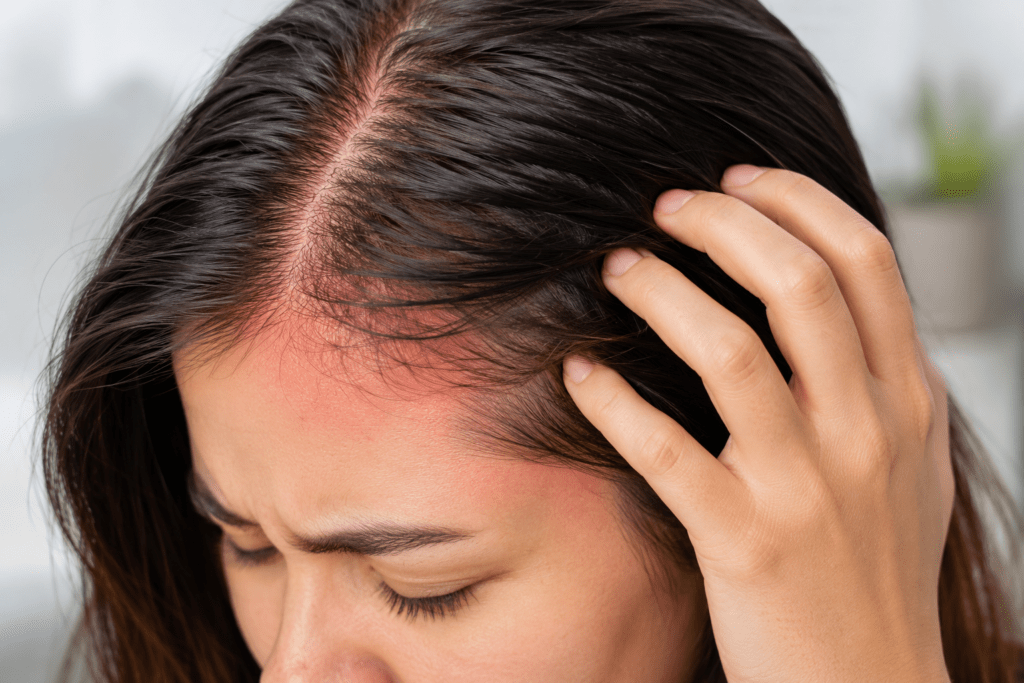
Sensitive Scalp
Your skin becomes irritated, red, or uncomfortable when using products.
Knowing your scalp type helps you choose the right products and avoid unnecessary irritation.
The Best Hair Washing Routine for a Healthy Scalp
Choose the Right Shampoo
Using the wrong shampoo can worsen scalp issues.
For Oily Scalps
Look for lightweight or clarifying shampoos with ingredients like:
- Salicylic acid
- Tea tree oil
- Niacinamide
These help reduce excess oil and buildup.
For Dry Scalps
Choose hydrating ingredients such as:
- Hyaluronic acid
- Ceramides
- Aloe vera
- Oat extract
For Sensitive Scalps
Avoid harsh sulfates, alcohol, and strong fragrances.
Always patch test new products before applying them to your entire scalp.
Wash Your Scalp Properly
Many people focus only on their hair strands while washing them. Your scalp deserves most of your attention.
Proper Washing Technique
- Use lukewarm water instead of hot water
- Massage with your fingertips, not your nails
- Work in gentle circular motions
- Spend at least 2 to 3 minutes cleansing the scalp
Scalp massage helps improve blood circulation and removes dirt, oil, and product residue more effectively.
Apply Conditioner Correctly
The conditioner should mainly go on the mid-lengths and ends of your hair.
Applying heavy conditioner directly to the scalp can:
- Weigh hair down
- Cause buildup
- Clog follicles
Rinse thoroughly to prevent leftover residue from trapping dirt and oil.
Weekly Scalp Care Treatments
Exfoliate Your Scalp
Your scalp collects dead skin cells, oil, sweat, and styling product residue.
Regular exfoliation helps:
- Remove buildup
- Reduce flakes
- Improve scalp freshness
- Support healthy follicles
Physical Exfoliants
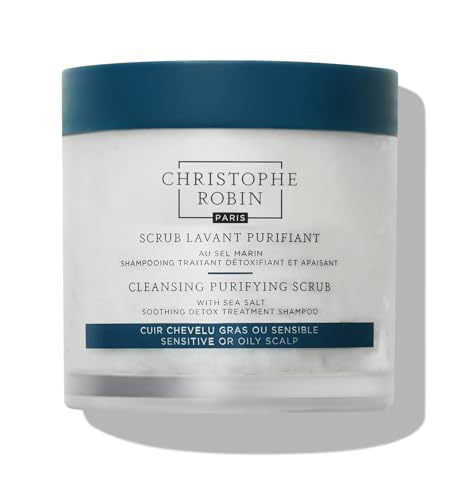
Scalp scrubs physically lift debris from the skin.
Chemical Exfoliants
Ingredients like glycolic acid and salicylic acid dissolve buildup more gently.
If you have sensitive skin, chemical exfoliants are usually the better choice.
Aim to exfoliate once a week.
Use Scalp Serums and Treatments
Scalp serums target specific concerns directly at the root.
Helpful Ingredients for Common Problems
- Tea tree oil for dandruff
- Aloe vera for soothing irritation
- Peppermint oil for scalp refreshment
- Caffeine for thinning hair support
- Niacinamide for oil balance
Apply serums to a clean, damp scalp for better absorption.
Try a Hydrating Scalp Mask
A lightweight scalp mask can deeply hydrate dry or irritated skin.
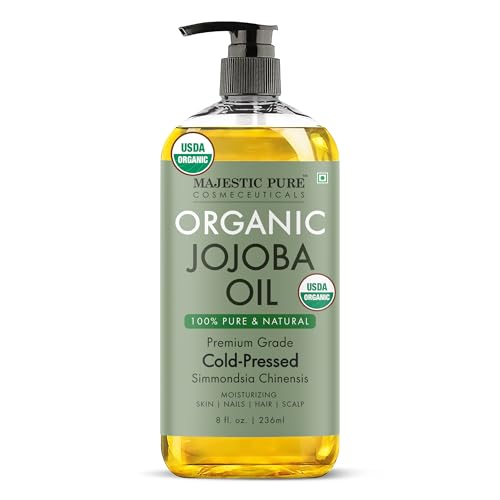
For very dry scalps, a pre-wash treatment with jojoba oil can help soften flakes and calm irritation before shampooing.
Avoid heavy masks that can clog pores or cause breakouts near the hairline.
Lifestyle Habits That Improve Scalp Health
Eat Nutrient-Rich Foods
Your diet directly affects your scalp and hair health.
Important Nutrients for Healthy Hair
- Omega-3 fatty acids
- Zinc
- Biotin
- Vitamin D
- B vitamins
- Protein
Foods like salmon, walnuts, eggs, spinach, and avocados can support stronger hair growth.
Stay Hydrated
Dehydration can leave your scalp dry and irritated.
Drinking enough water daily helps keep skin balance and elasticity.
Manage Stress Levels
Stress can trigger excessive oil production and worsen scalp conditions like dandruff and psoriasis.
Simple stress management habits can help, including:
- Better sleep
- Regular exercise
- Meditation
- Relaxation techniques
Even minor changes in daily stress levels can improve scalp health over time.
Avoid Tight Hairstyles
Constant tension from tight ponytails, buns, or braids can damage hair follicles and lead to traction alopecia.
Give your scalp regular breaks from tight styles whenever possible.
Keep Your Environment Clean
Dirty pillowcases, brushes, and hats can transfer oil, sweat, and bacteria back onto your scalp.
For better scalp hygiene:
- Wash pillowcases weekly
- Clean hairbrushes regularly
- Avoid sharing combs or hats
Small hygiene habits can make an enormous difference.
When to See a Dermatologist
While most scalp problems improve proper care, some symptoms should not be ignored.
See a professional if you notice:
- Persistent itching or pain
- Bleeding or open sores
- Sudden hair loss
- Severe redness
- Scalp infections
- Unusual odors
A dermatologist or trichologist can diagnose underlying scalp conditions and recommend targeted treatments.
Achieving a healthy scalp is not about using expensive products or following complicated trends. It is about consistency, balance, and understanding what your scalp truly needs.
When you care for your scalp properly, your hair becomes stronger, shinier, and easier to manage naturally.
Start with the basics:
- Find your scalp type
- Use gentle cleansing techniques
- Exfoliate regularly
- Stay hydrated
- Reduce stress
- Protect your scalp daily
Healthy hair always starts at the root.
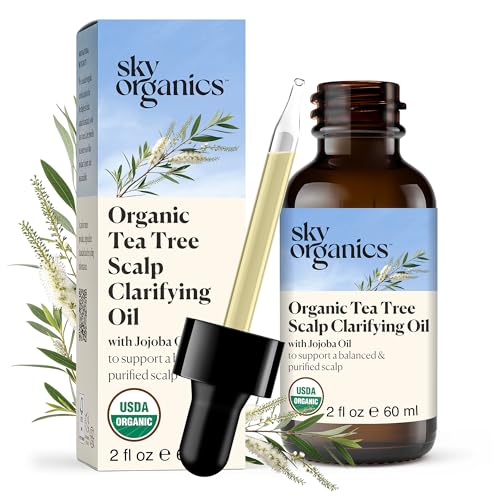
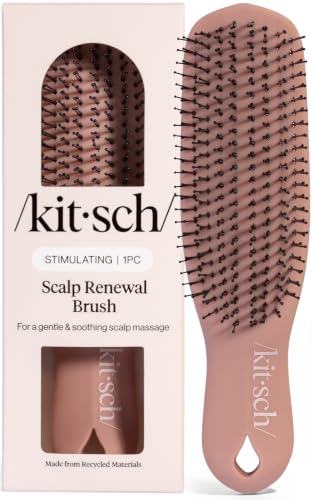
Recommended Products for Scalp Care
Disclosure: As an Amazon Associate, I earn from qualifying purchases. We only recommend products that we believe offer value to our readers. Learn more.

Frequently Ask Question About Healthy Scalp Care
References
- American Academy of Dermatology Association (AAD).How to Treat Dandruff. Covers dandruff causes, proper shampooing, and active ingredients such as salicylic acid, selenium sulfide, ketoconazole, and zinc pyrithione. American Academy of Dermatology – How to Treat Dandruff
- American Academy of Dermatology Association (AAD).Seborrheic Dermatitis: Diagnosis and Treatment. Explains scalp seborrheic dermatitis, dandruff shampoos, yeast overgrowth, itching, scaling, and appropriate treatment frequency. AAD – Seborrheic Dermatitis Treatment
- Mayo Clinic.Dandruff: Symptoms and Causes. Discusses dry skin, oily skin, Malassezia, contact dermatitis, itching, flaking, and factors that can worsen dandruff. Mayo Clinic – Dandruff Symptoms and Causes
- Mayo Clinic.Seborrheic Dermatitis: Symptoms and Causes. Provides medical information about scalp inflammation, stubborn dandruff, excess oil, Malassezia, and possible triggers such as stress. Mayo Clinic – Dandruff Symptoms and Causes
- American Academy of Dermatology Association (AAD).Hair Loss: Tips for Managing. Supports gentle hair-care practices and explains why frequently wearing tight ponytails, braids, buns, or similar hairstyles can contribute to traction alopecia. AAD – Hair Loss Management Tips
- Almohanna, H. M., Ahmed, A. A., Tsatalis, J. P., & Tosti, A. (2019).The Role of Vitamins and Minerals in Hair Loss: A Review.Dermatology and Therapy, 9, 51–70. Reviews evidence concerning micronutrients including vitamins B and D, iron, selenium, and zinc in hair health and hair loss. PubMed Central – The Role of Vitamins and Minerals in Hair Loss
- Cousins, R. et al. (2024).Micronutrients and Androgenetic Alopecia: A Systematic Review. Reviews research on vitamins and minerals—including vitamin D, B vitamins, iron, and zinc—and their possible relationships with hair growth and androgenetic alopecia. tic Alopecia