
Waking up with swollen skin under your eyes can ruin your morning. You splash cold water on your face, but the puffiness sticks around. This swelling happens when fluid pools in the delicate periorbital tissue while you sleep. Poor sleep, salty meals, and seasonal allergies make this fluid retention much worse. You can learn how to remove eyebags naturally using simple home habits and kitchen items.
Why Morning Puffiness Appears Around Your Eyes
The skin on your face varies in thickness. The skin under your eyes is the thinnest on your entire body. It measures only about 0.5 millimeters thick, compared to two millimeters elsewhere. This area also contains very few oil glands. Because the skin is so thin and fragile, tiny blood vessels show through easily. When fluid builds underneath, the skin stretches out and forms noticeable bags.

Fluid Retention Versus Fat Herniation
You need to know the difference between simple swelling and structural changes. Temporary puffiness comes from extra water, salt, or allergies. It changes day by day depending on what you eat and how you sleep. Fat herniation is different because it happens with age. As you get older, the muscles holding orbital fat weaken. Fat pads slip forward and create permanent bags that home remedies cannot fix.
Common Lifestyle Triggers Behind Swollen Eyes
Several daily habits cause fluid to collect in your face overnight. Eating salty takeout foods forces your body to hold onto extra water. Skipping sleep slows down your blood circulation and lets fluid pool under the eyes. Seasonal pollen triggers histamine release, which swells the tissue around your sinuses and eyes. Dehydration also tricks your body into storing every drop of water it gets.
Immediate De-Puffing Techniques Using Kitchen Ingredients
You can fix morning swelling fast with items you already keep in your fridge. Cold temperatures force blood vessels to shrink right away. This restricts blood flow and drains trapped fluid away from your lower eyelids.
Cold Compress and Chilled Spoon Therapy
Cold therapy can temporarily reduce morning under-eye puffiness by constricting blood vessels and calming swollen tissue.
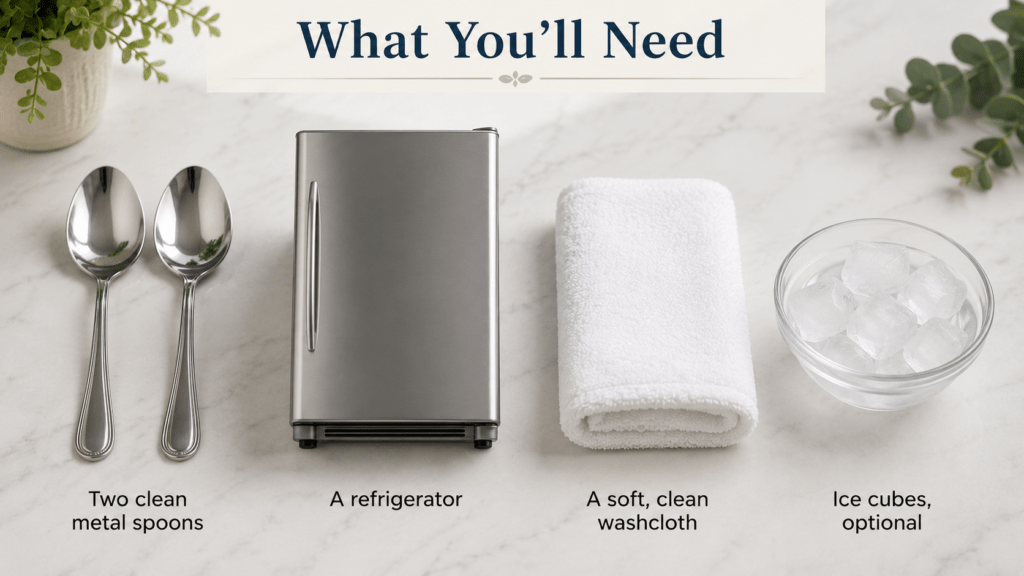
What You’ll Need
- Two clean metal spoons
- A refrigerator
- A soft, clean washcloth
- Ice cubes, optional
Step-by-Step Procedure
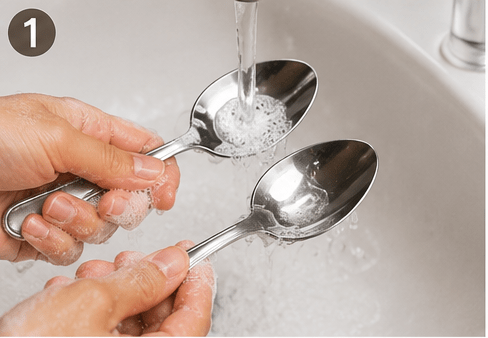
Step 1: Clean the Spoons
Wash two metal spoons with soap and water, then dry them thoroughly.
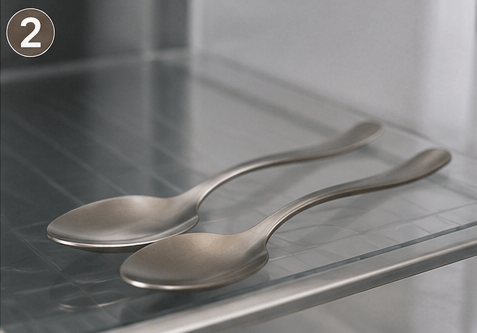
Step 2: Chill the Spoons
Place the spoons in the refrigerator for approximately 10 minutes. Avoid placing them in the freezer, as extremely cold metal may irritate or damage delicate skin.
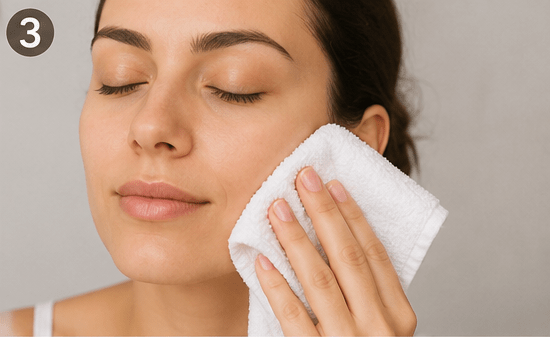
Step 3: Clean Your Face
Gently wash your face and pat the under-eye area dry with a soft towel.
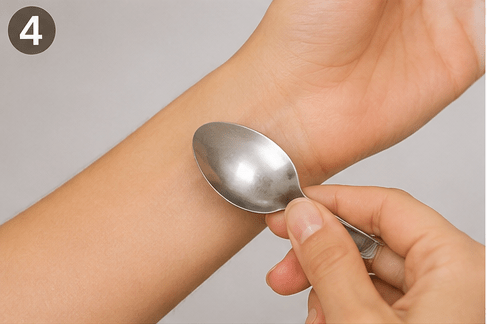
Step 4: Test the Temperature
Touch the spoons against the inside of your wrist first. They should feel comfortably cool, not painfully cold.
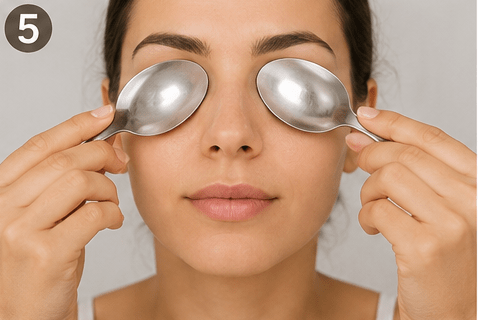
Step 5: Position the Spoons
Close your eyes and place the curved backs of the spoons gently over the puffy under-eye areas. Do not press directly on your eyeballs.
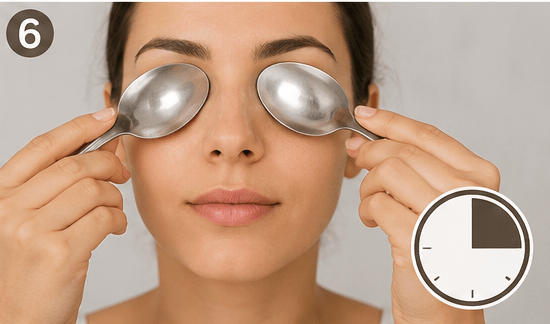
Step 6: Hold Them in Place
Leave the spoons against your skin for one to two minutes. Use only light pressure.
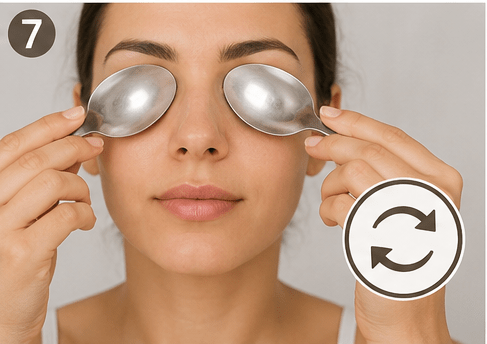
Step 7: Repeat as Needed
Remove the spoons for a few seconds and reapply them if they are still cool. Continue for up to five minutes.
Alternative: Ice-Wrapped Cold Compress
Wrap one or two ice cubes in a soft, clean washcloth. Gently place the wrapped compress over the puffy area for 30 to 60 seconds at a time. Take short breaks between applications.
Never apply ice directly to the skin, as this may cause irritation or a cold burn.
Safety Tip
Stop immediately if you experience pain, numbness, burning, redness, or increased irritation. Cold therapy provides temporary relief and will not permanently remove under-eye bags caused by aging or genetics.
Caffeine-Infused Tea Bag Compress
Chilled green or black tea bags may temporarily reduce under-eye puffiness because their caffeine and tannins can help constrict blood vessels and calm swollen tissue.
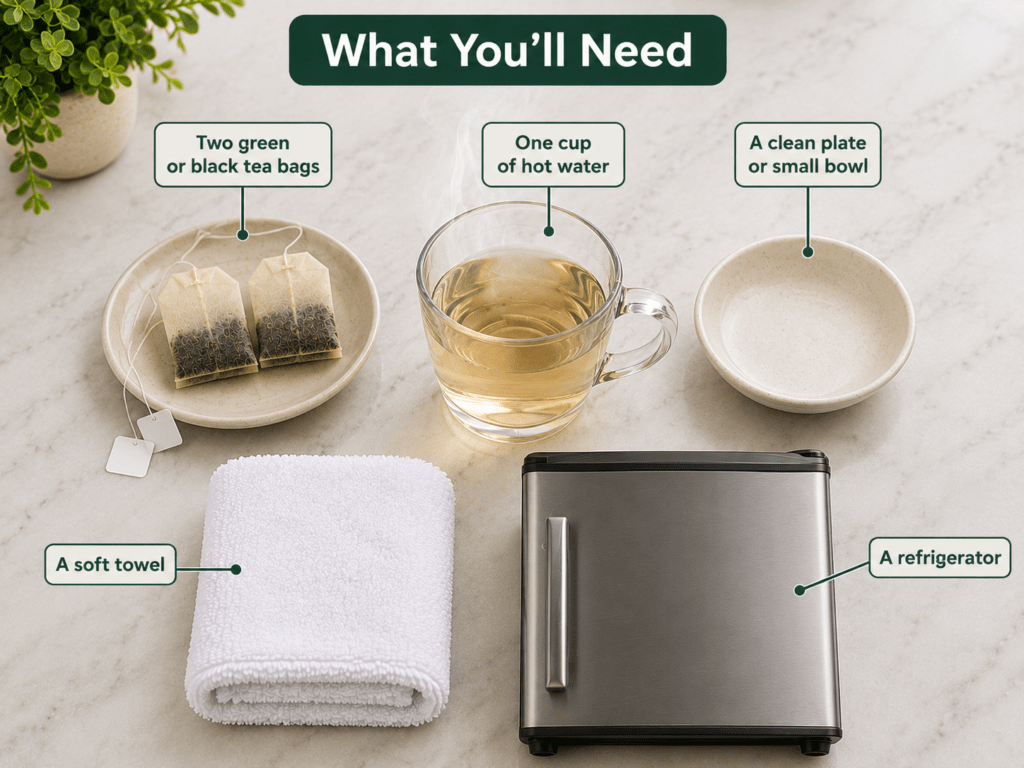
What You’ll Need
- Two green or black tea bags
- One cup of hot water
- A clean plate or small bowl
- A refrigerator
- A soft towel
Step-by-Step Procedure

Step 1: Choose the Tea Bags
Use two plain green or black tea bags. Avoid flavored teas containing peppermint, citrus oils, spices, or added fragrances, as these may irritate the delicate eye area.

Step 2: Steep the Tea
Place the tea bags in a cup of hot water and let them steep for approximately three minutes.
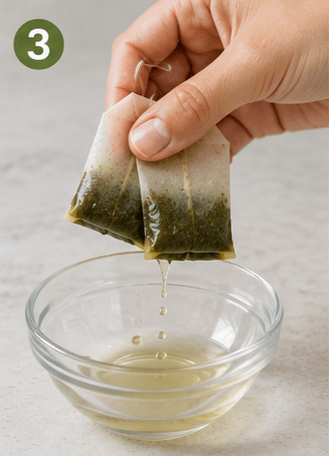
Step 3: Remove Excess Liquid
Take the tea bags out of the water and gently squeeze out the excess liquid. Be careful because they may still be hot.
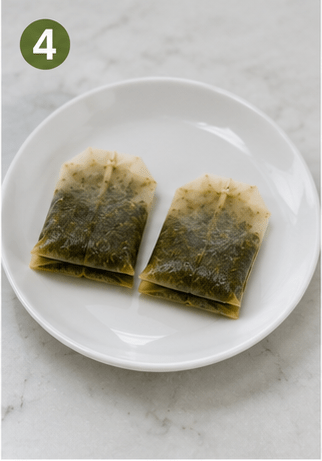
Step 4: Let Them Cool
Place the tea bags on a clean plate and allow them to cool to room temperature.
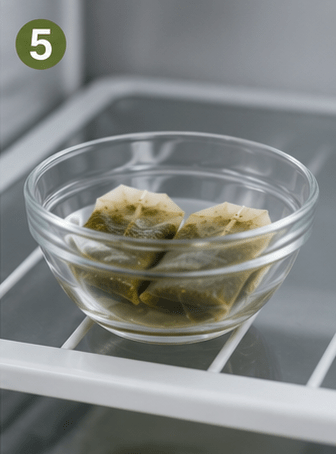
Step 5: Chill the Tea Bags
Put the cooled tea bags in the refrigerator for 10 to 15 minutes. They should feel comfortably cool, not frozen.
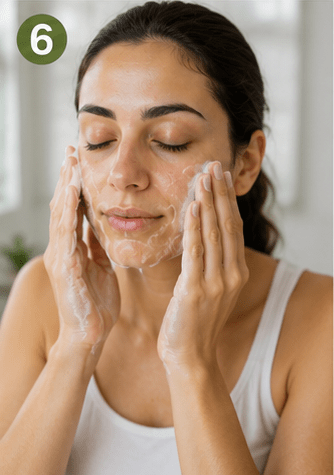
Step 6: Clean Your Face
Wash your face gently and remove any makeup, sunscreen, or skincare products around your eyes. Pat the skin dry.
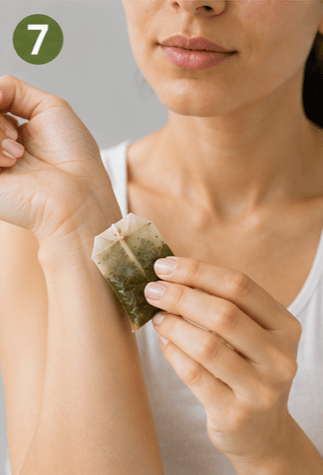
Step 7: Test the Temperature
Touch one tea bag to the inside of your wrist to make sure it is not too cold.
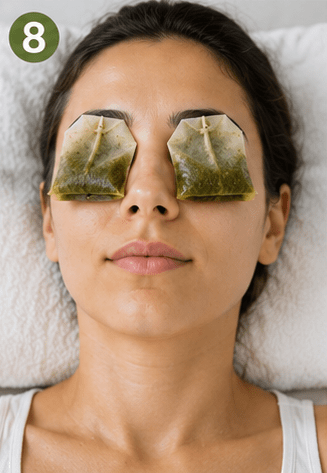
Step 8: Apply Over Closed Eyes
Lie down, close your eyes, and place one chilled tea bag over each eye. Make sure the bags rest gently on the eyelids and under-eye area without applying pressure.
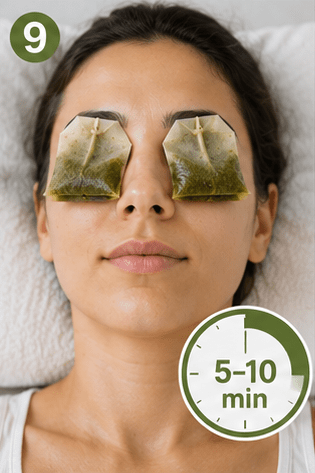
Step 9: Leave Them in Place
Keep the tea bags over your eyes for 5 to 10 minutes while you relax.
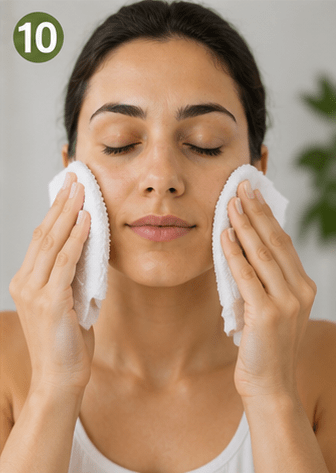
Step 10: Remove and Rinse
Remove the tea bags and rinse the eye area with cool water if any tea residue remains. Gently pat the skin dry with a clean towel.
Safety Tips
Do not reuse the tea bags and never place hot tea bags over your eyes. Stop immediately if you experience burning, itching, redness, or irritation. Avoid this remedy if you have an active eye infection, broken skin, or a known allergy to tea.
Tea bag compresses may help with temporary puffiness, but they cannot permanently remove under-eye bags caused by aging, genetics, or protruding fat pads.
Raw Potato or Cucumber Eye Compress
Chilled cucumber or potato slices may temporarily soothe tired skin and reduce mild morning puffiness. Their cooling effect is likely the main reason they help.
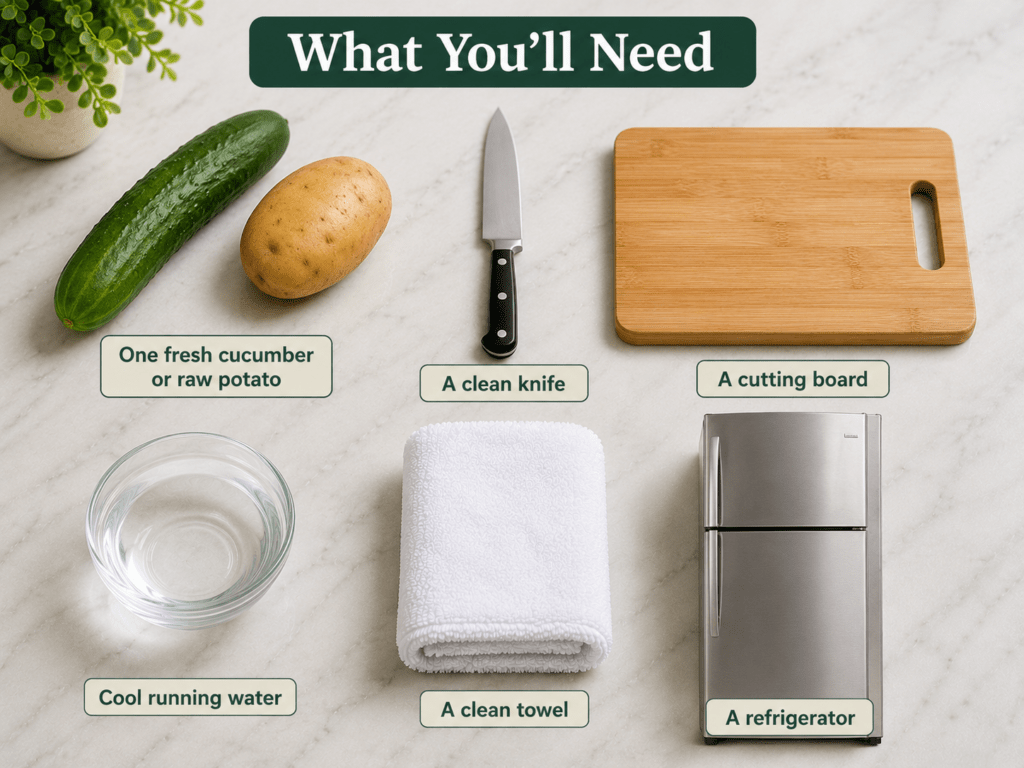
What You’ll Need
- One fresh cucumber or raw potato
- A clean knife
- A cutting board
- Cool running water
- A clean towel
- A refrigerator
Step-by-Step Procedure

Step 1: Wash Your Hands
Clean your hands thoroughly before touching the ingredients or the delicate skin around your eyes.

Step 2: Wash the Cucumber or Potato
Rinse the cucumber or potato under running water to remove dirt and surface residue.
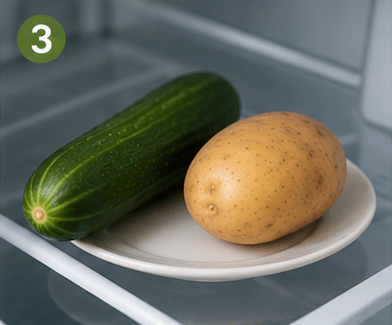
Step 3: Chill the Ingredient
Place it in the refrigerator for 15 to 30 minutes. It should feel cool but not frozen
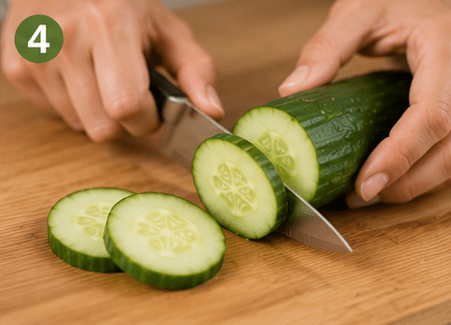
Step 4: Cut Two Thin Slices
Using a clean knife and cutting board, cut two smooth slices that are large enough to cover your closed eyes and under-eye areas.
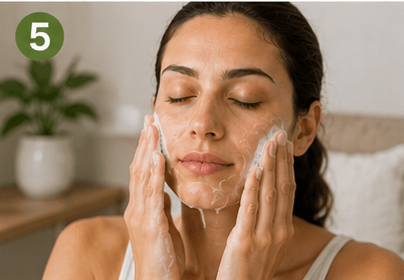
Step 5: Clean Your Face
Remove makeup and gently wash your face. Pat the eye area dry with a clean towel.
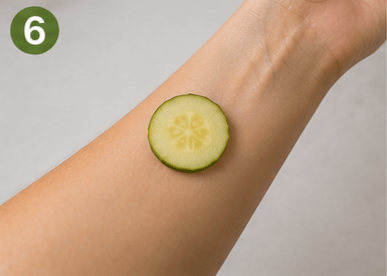
Step 6: Perform a Patch Test
Place a small piece of cucumber or potato on the inside of your wrist for a few minutes. Do not continue if you notice itching, burning, or redness.

Step 7: Lie Down and Close Your Eyes
Find a comfortable place to rest. Keep your eyes completely closed throughout the treatment.

Step 8: Apply the Slices
Place one chilled slice gently over each closed eye. Do not press down or allow the juice to enter your eyes.

Step 9: Leave Them in Place
Relax for 10 to 15 minutes. Replace the slices if they become warm.

Step 10: Remove and Rinse
Take off the slices and rinse the eye area with cool water to remove any residue.

Step 11: Pat the Skin Dry
Use a soft, clean towel and gently pat the area dry without rubbing.
Safety Tips
Never apply potatoes or cucumber juice directly inside the eyes. Stop immediately if you experience stinging, swelling, redness, or blurred vision. Use fresh slices each time and discard them after use.
This remedy may temporarily calm mild puffiness, but it will not permanently remove under-eye bags caused by aging, genetics, or structural fat changes.
Skincare Habits That Prevent Chronic Under-Eye Bags
Daily topical care strengthens your skin barrier and keeps the periorbital zone firm. You want to stop fluid from pooling in the first place by taking care of the surface.
Gentle Lymphatic Drainage Massage Techniques
Your face relies on physical movement to drain excess fluid through the lymph system. Put a drop of facial oil under your eyes to stop any pulling. Use your ring finger to tap gently from the inner corner toward your temples. You can also use a clean jade roller moving in the same outward direction. Do this for two minutes every morning to push trapped fluid away.
Topical Antioxidants and Hydrating Peptides
Skincare ingredients help build strong collagen in thin skin areas. Look for eye creams containing hyaluronic acid to draw moisture into the cells. Add vitamin C serums to your morning routine to brighten dark areas. Niacinamide also helps repair the skin barrier and stops moisture loss.
Daily UV Protection for the Periorbital Zone
Sunlight breaks down the elastic fibers that keep your face firm. Thin under-eye skin is the first place to show sun damage and wrinkles. Apply a gentle mineral sunscreen with zinc oxide around your eyes every single morning. Wear sunglasses with UV protection whenever you step outside.
Lifestyle Adjustments for Long-Term Puffiness Reduction
Fixing the root cause of swelling requires changes to your daily routine. Small adjustments to your sleep and diet stop water from pooling on your face.
Sleep Hygiene and Elevation Strategies
Gravity causes fluid to spread across your face when you lie flat at night. Prop your head up with an extra pillow to keep it higher than your body. This simple angle uses gravity to pull fluid down away from your eyes while you sleep. Aim for seven to eight hours of rest every night to keep your circulation moving.
Dietary Modifications to Combat Water Retention
Your saltshaker plays a big role in how puffy your face looks. Cut back on processed foods, canned soups, and salty snacks. Eat more potassium-rich foods like bananas, spinach, and sweet potatoes. Potassium balances out sodium levels and stops your body from holding onto extra water.
Managing Environmental Allergies Naturally
Sinus congestion makes the tissue around your eyes swollen up fast. Use a saline nasal rinse every night to wash out pollen and dust. Keep windows closed during high pollen seasons and run a HEPA air purifier in your bedroom.
Foods That Help Reduce Puffy Eyes Naturally
Certain foods help reduce inflammation and prevent water retention, making them excellent additions to your diet if you frequently wake up with puffy eyes.
| Nutrient | How It Helps Reduce Puffy Eyes | Best Food Sources |
| Potassium | Help balance sodium levels, reduce water retention, and minimize under-eye puffiness caused by excess fluid. | Bananas, sweet potatoes, spinach, avocados, white beans |
| Vitamin C | Supports collagen production, strengthens the delicate under-eye skin, and provides antioxidant protection against skin damage. | Oranges, kiwi, strawberries, bell peppers, broccoli |
| Omega-3 Fatty Acids | Helps reduce inflammation, supports healthy skin elasticity, and promotes a smoother, healthier under-eye appearance. | Salmon, sardines, walnuts, chia seeds, flaxseeds |
Healthy Eating Tip
A balanced diet rich in potassium, vitamin C, and omega-3 fatty acids can help reduce temporary under-eye puffiness while supporting healthier, more resilient skin. Pair these nutrient-rich foods with adequate hydration, quality sleep, and a consistent skincare routine for the best long-term results.
Natural Remedies to Skip and Dermatologist-Approved Alternatives
Some internet trends do more harm than good on sensitive skin. You must protect the thin barrier around your eyes from harsh ingredients.
The Dangers of Undiluted Essential Oils Near the Eyes
Never put pure essential oils like tea trees, peppermint, or lemon near your eyes. These oils are too strong and cause severe chemical burns or allergic contact dermatitis. Always mix essential oils with a carrier oil or keep them away from your face completely.
When Natural Solutions Aren’t Enough
Home remedies only work on temporary fluid retention and tired skin. They cannot change your genetics or fix dropped fat pads. If your under-eye bags stay the same all day every day, you might be dealing with structural changes.
Professional Non-Invasive Dermatology Options
Dermatologists offer in-office treatments for stubborn bags that home care cannot touch. Laser resurfacing tightens loose skin and boosts collagen production. Micro-needling triggers natural healing responses to firm up the area. Chemical peels remove damaged top layers to reveal fresh, smooth skin.
Reclaiming a Bright, Rested Appearance Without Surgery
Taking control of under-eye swelling takes patience and daily consistency. You do not need expensive surgeries to look fresh and awake.
Summary of Daily Preventative Actions
- Sleep with your head propped up on an extra pillow to stop fluid pooling.
- Press cold metal spoons or caffeinated tea bags under your eyes each morning.
- Drink plenty of water and cut back on salty processed foods.
Setting Realistic Expectations for Natural Healing
Cold compresses and diet changes will fix morning puffiness quickly. However, structural bags caused by age or genetics require professional medical help. Focus on the habits you can control and give your body time to heal.
Recommended Products
Disclosure: As an Amazon Associate, I earn from qualifying purchases. We only recommend products that we believe offer value to our readers. Learn more.





Frequently Asked Questions
References
- American Academy of Dermatology Association. (n.d.). How to care for the skin around your eyes. https://www.aad.org
- American Academy of Ophthalmology. (n.d.). Eye health information. https://www.aao.org/eye-health
- Mayo Clinic Staff. (n.d.). Bags under eyes. Mayo Clinic. https://www.mayoclinic.org/diseases-conditions/bags-under-eyes
- National Institutes of Health, Office of Dietary Supplements. (n.d.). Vitamin C Fact Sheet for Consumers. https://ods.od.nih.gov/factsheets/VitaminC-Consumer/
- National Institutes of Health, Office of Dietary Supplements. (n.d.). Potassium Fact Sheet for Consumers. https://ods.od.nih.gov/factsheets/Potassium-Consumer/
- Sleep Foundation. (n.d.). Sleep hygiene. https://www.sleepfoundation.org/sleep-hygiene
- American Society for Dermatologic Surgery. (n.d.). Laser skin resurfacing. https://www.asds.net
Scientific References
Pinnell, S. R. (2003). Cutaneous photodamage, oxidative stress, and topical antioxidant protection. Journal of the American Academy of Dermatology, 48(1), 1–19. https://doi.org/10.1067/mjd.2003.16
Proksch, E., Brandner, J. M., & Jensen, J. M. (2008). The skin: An indispensable barrier. Experimental Dermatology, 17(12), 1063–1072. https://doi.org/10.1111/j.1600-0625.2008.00786.x
Pullar, J. M., Carr, A. C., & Vissers, M. C. M. (2017). The roles of vitamin C in skin health. Nutrients, 9(8), 866. https://doi.org/10.3390/nu9080866