A skin bump might be a pimple, ingrown hair, cyst, wart, or something that needs medical care. Appearance alone can be misled, so pay attention to the bump’s location, texture, pain, drainage, and how long it lasts. A bump that changes over time deserves more care than one that stays small and harmless.
This guide covers common kinds of skin bumps, safe home care for mild cases, remedies to avoid, and warning signs that call for a clinician. The American Academy of Dermatology’s acne guidance and its advice on razor bumps and melanoma help support these recommendations.
What Are the Kinds of Skin Bumps?
Several skin conditions can look alike. The descriptions below can help you organize what you see, but they cannot replace an exam.
Pimples, blackheads, and whiteheads
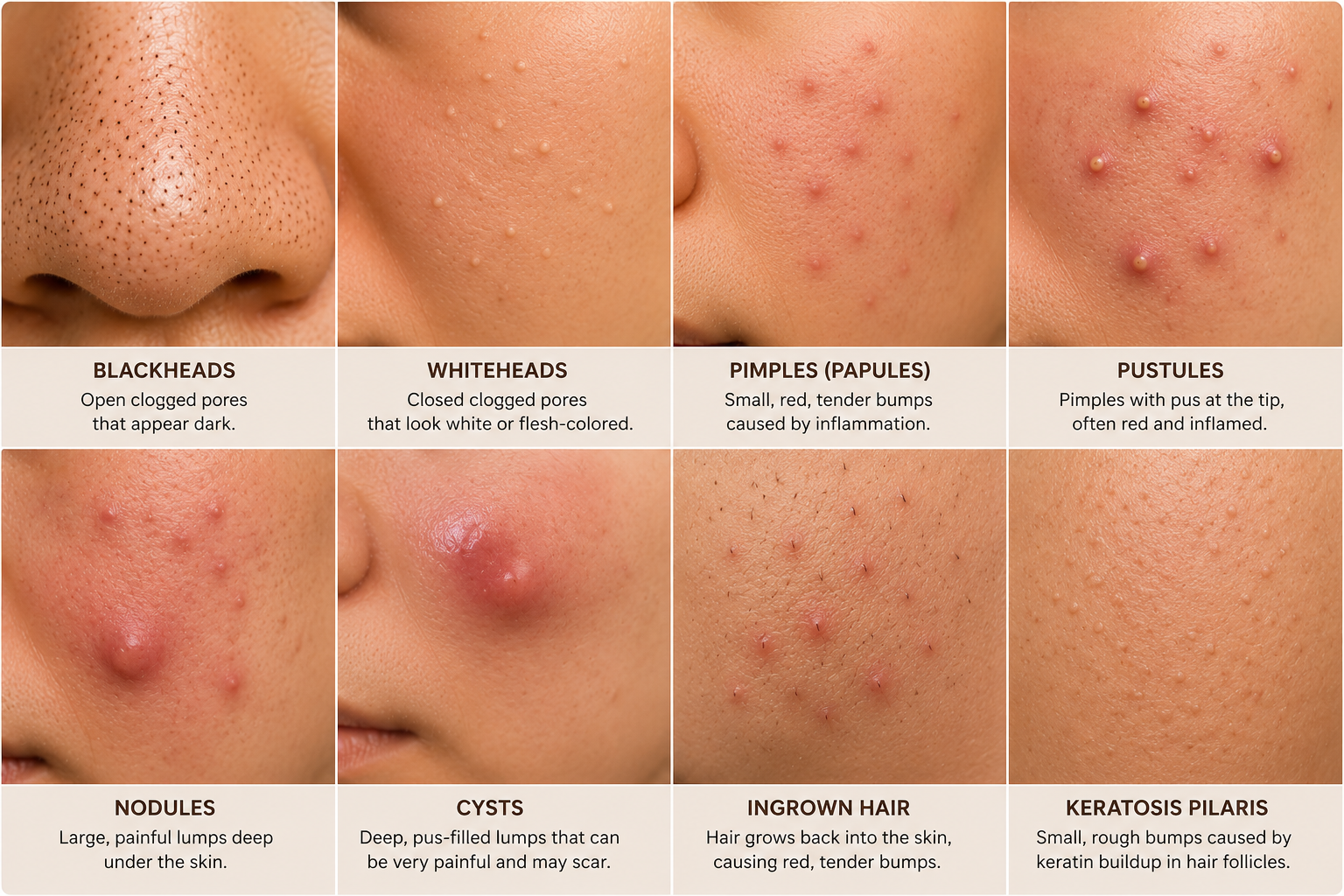
Acne develops when oil, dead skin cells, bacteria, and inflammation block hair follicles. Blackheads are open clogged pores. Their dark color comes from a reaction with air, not dirt. Whiteheads are closed pores that form small white or flesh-colored bumps.
Inflamed acne includes papules, which are firm red bumps, and pustules, which contain yellowish or white pus. Nodules and cysts grow deeper, often feel pain, and can scar. Gentle cleansing and noncomedogenic products can help but avoid picking or squeezing. Deep or painful acne often needs a dermatologist.
Ingrown hairs and folliculitis
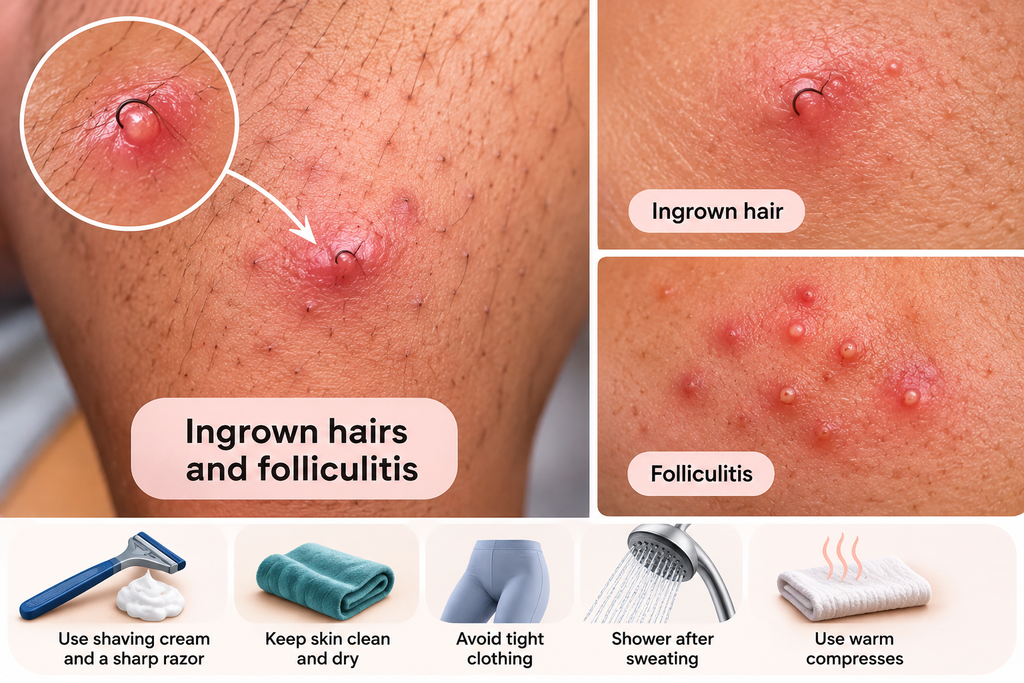
An ingrown hair curls back into the skin after shaving, waxing, or tweezing. This can cause an itchy, tender, red bump, sometimes with pus. Folliculitis occurs when hair follicles become irritated or infected and may appear as several similar bumps.
Curly or coarse hair, tight clothing, sweat, and repeated friction increase the risk. The AAD recommends warm compresses, shaving cream, a sharp razor, and shaving in the direction of hair growth for razor bumps. Recurrent, spreading, or painful folliculitis needs professional care.
Keratosis pilaris and milia
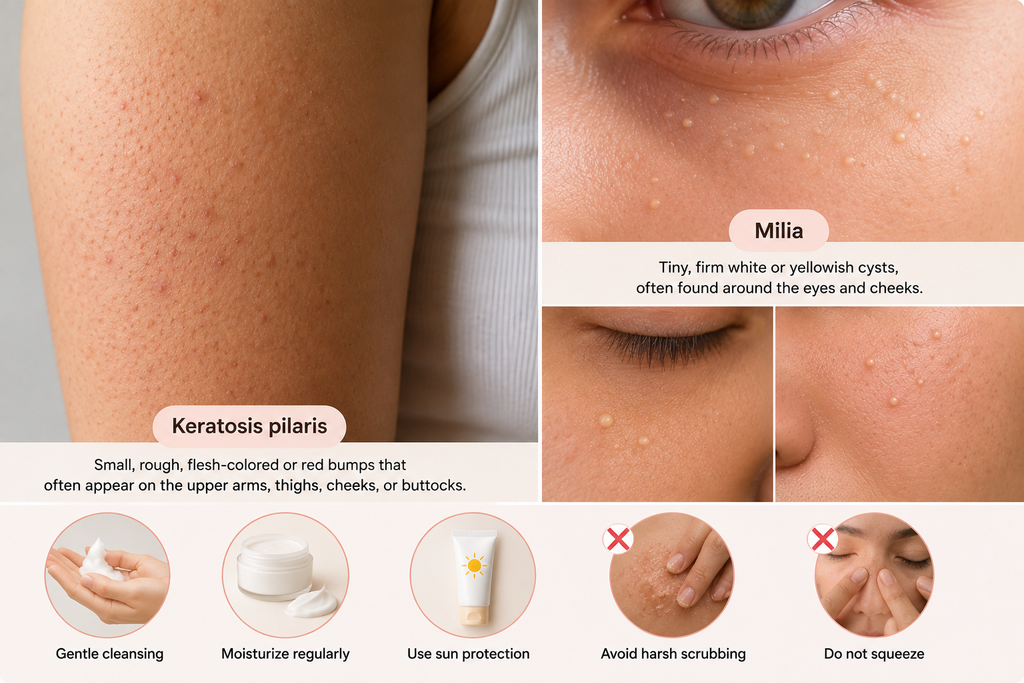
Keratosis pilaris causes many small, rough bumps on the upper arms, thighs, cheeks, or buttocks. The bumps may be flesh-colored or red and often persist without pain. Milia are tiny, firm white or yellowish cysts, often around the eyes and cheeks.
Both conditions are usually harmless. Squeezing milia can cause infection or scars, while harsh scrubbing can worsen keratosis pilaris. Gentle skin care works better than force.
Warts, skin tags, and molluscum contagiosum
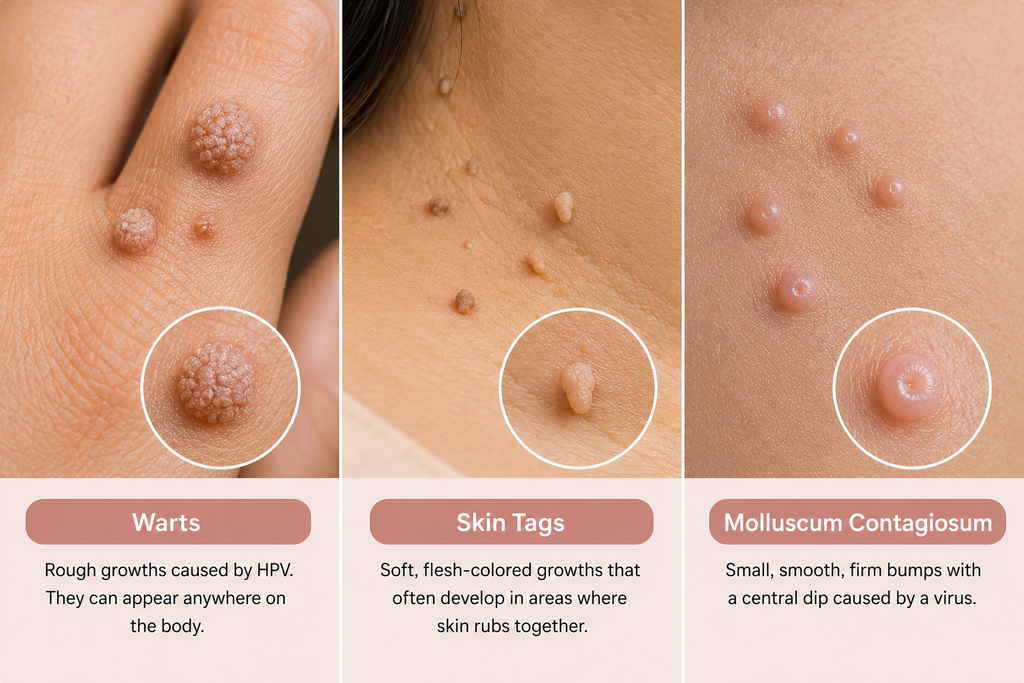
Warts are rough growths linked to human papillomavirus, or HPV. Skin tags are soft, flesh-colored growths that often occur where skin rubs, such as the neck, armpits, or groin. Molluscum contagiosum causes smooth, firm bumps that may have a small central dip.
Warts and molluscum can spread through scratching or shared towels, razors, and other personal items. Avoid cutting, burning, or applying untested household mixtures. A clinician can confirm the cause and suggest safe treatment.
Cysts, lipomas, and swollen lymph nodes
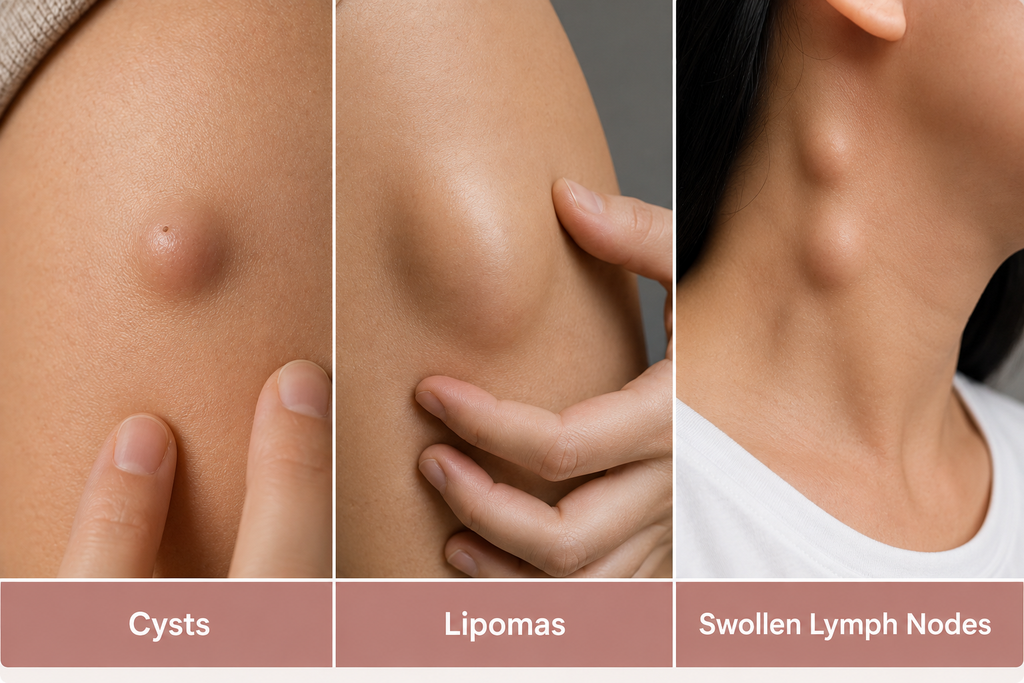
A deeper lump may be an epidermoid cyst, which often feels smooth, grows slowly, and sometimes has a tiny central opening. A lipoma is usually soft, movable, and slow growing. Swollen lymph nodes may appear in the neck, armpit, or groin during an infection.
A new lump that is painful, fixed, rapidly growing, or unexplained should be examined. Do not assume every lump is a cyst or boil.
Matching a Skin Bump’s Appearance to Its Likely Cause
Observation helps a clinician, but it should not become a self-diagnosis. Take a clear photo and note when the bump began, whether it had changed, and what symptoms came with it.
What color and surface may suggest
Red bumps often reflect acne, irritation, bites, folliculitis, or infection. White or flesh-colored bumps may be milia, clogged pores, keratosis pilaris, or cysts. Dark or pigmented spots need attention when they change.
Rough, scaly, crusted, shiny, pearly, or wart-like surfaces have many possible causes. Bleeding, repeated crusting, an open sore, or skin that will not heal should be checked.
What pain, itching, and drainage may indicate
Tender, warm, swollen, pus-filled bumps can signal inflammation, an abscess, or infection. Itchy bumps may follow irritation, an allergy, an insect bite, or infection. Blood, clear fluid, or foul-smelling drainage also needs to be careful.
Do not squeeze, lance, or puncture a painful or draining bump. Pressure can push infection deeper and increase scarring.
Why location and duration matter
Face and scalp bumps often involve acne, blocked follicles, or cysts. Bumps in skin folds may result from friction, sweat, skin tags, or repeated boils. Genital bumps, eyelid bumps, and lesions on the palms or soles need careful diagnosis because their causes differ.
Track the date a bump appears and measure changes with a ruler or photo. A bump that lasts, returns, or grows should not be ignored.
Safe DIY Home Remedies for Skin Bumps
Home care is reasonable for mild acne, minor shaving irritation, simple ingrown hair, and rough dry skin. Stop any product that burns, swells, or makes the area worse.
Clean gently and reduce friction

Wash with lukewarm water and a mild, fragrance-free cleanser once or twice daily. Pat dry instead of rubbing, and avoid scrubs, loofahs, and picking. Choose noncomedogenic makeup and skin products, and wash pillowcases, towels, and razors regularly.
Use warm compresses for tender surface bumps
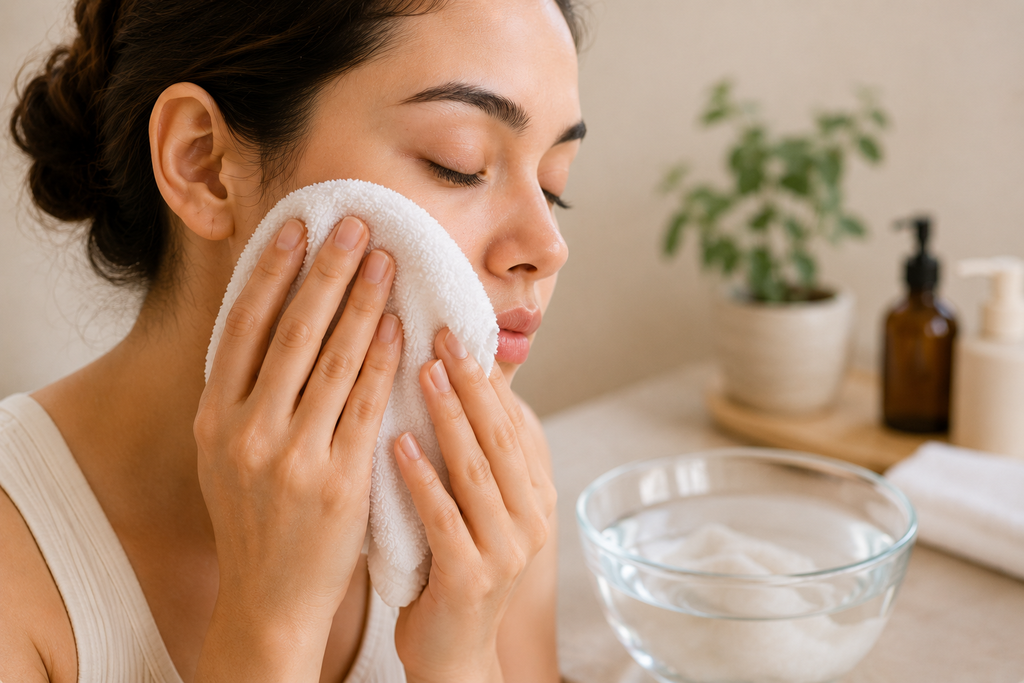
Place a clean washcloth in warm, not hot, water, wring it out, and hold it on the bump for about five to ten minutes. Test the temperature first and use light contact without pressing. A warm compress may ease discomfort and help a superficial bump drain on its own.
Moisturize rough skin and shave with care
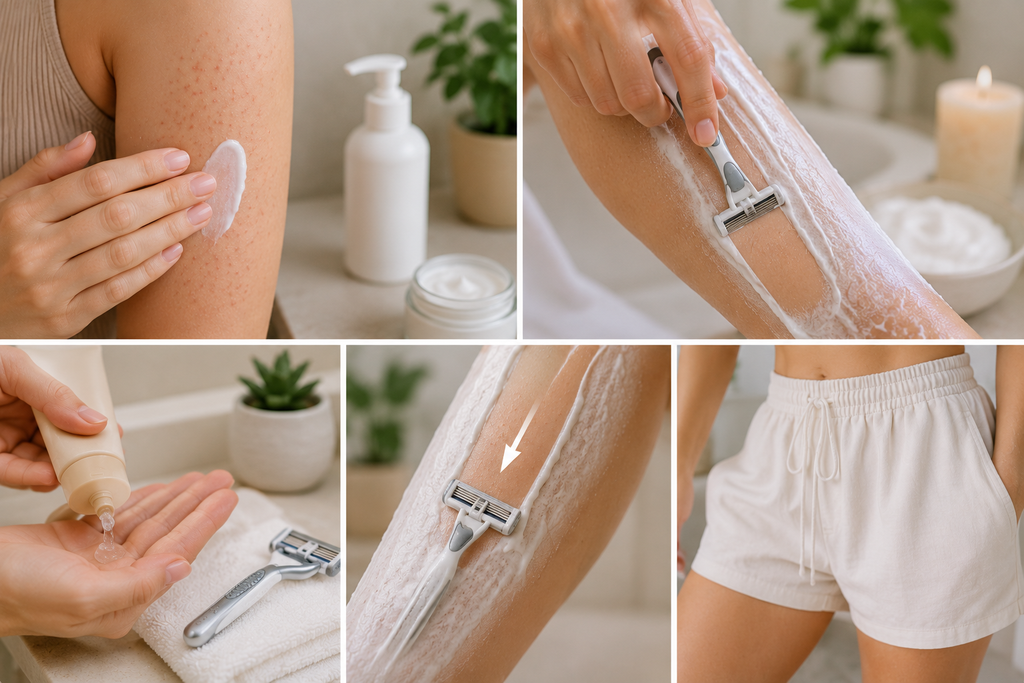
For keratosis pilaris, a moisturizer containing urea, lactic acid, salicylic acid, or glycolic acid may smooth roughness over time. Patch-test first, add one active ingredient at a time, and avoid acids on broken or sunburned skin. Use sunscreen on exposed areas.
Before shaving, apply gel or cream and use a clean, sharp razor. Shave with hair growth, avoid repeated passes, and wear loose clothing afterward. Pause hair removal while the skin remains inflamed.
DIY Skin Bump Remedies to Avoid
Natural ingredients can still cause burns, rashes, infection, or dark marks. Household products are not made for safe skin use.
Skip harsh household ingredients

Do not apply toothpaste, lemon juice, apple cider vinegar, rubbing alcohol, or hydrogen peroxide to bumps. Avoid undiluted tea trees, peppermints, cinnamon, or other essential oils. Choose products tested for skin instead.
Do not pop deep bumps
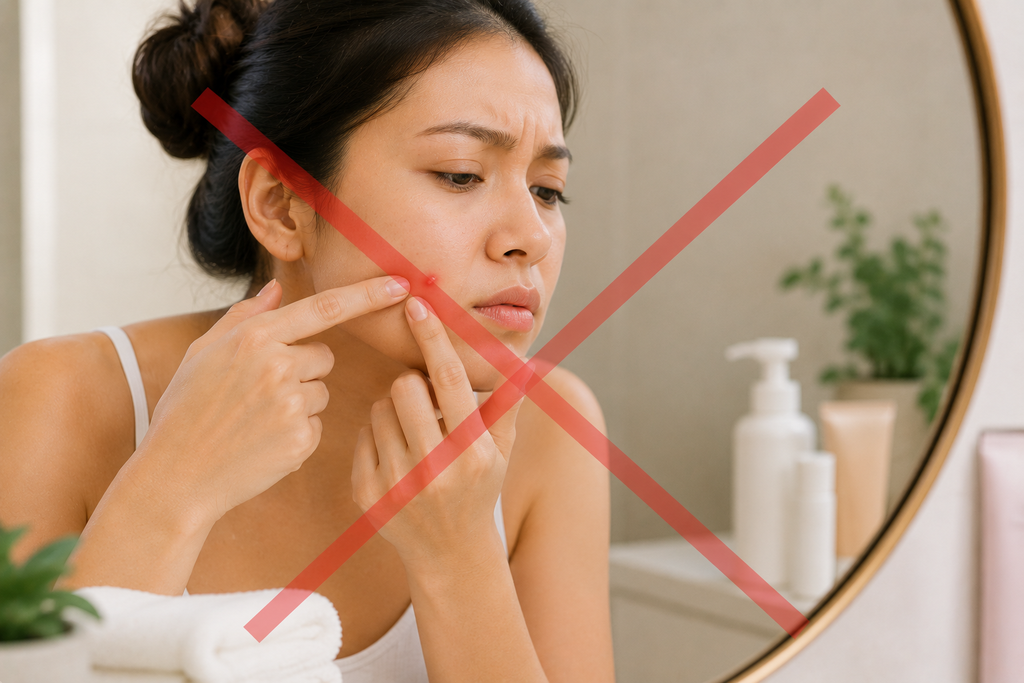
Squeezing cysts, boils, pustules, nodules, or abscesses can spread bacteria and cause scars. Some lesions need sterile drainage or prescription treatment. A warm compress is safer than trying to force the contents out.
Avoid removing growths at home
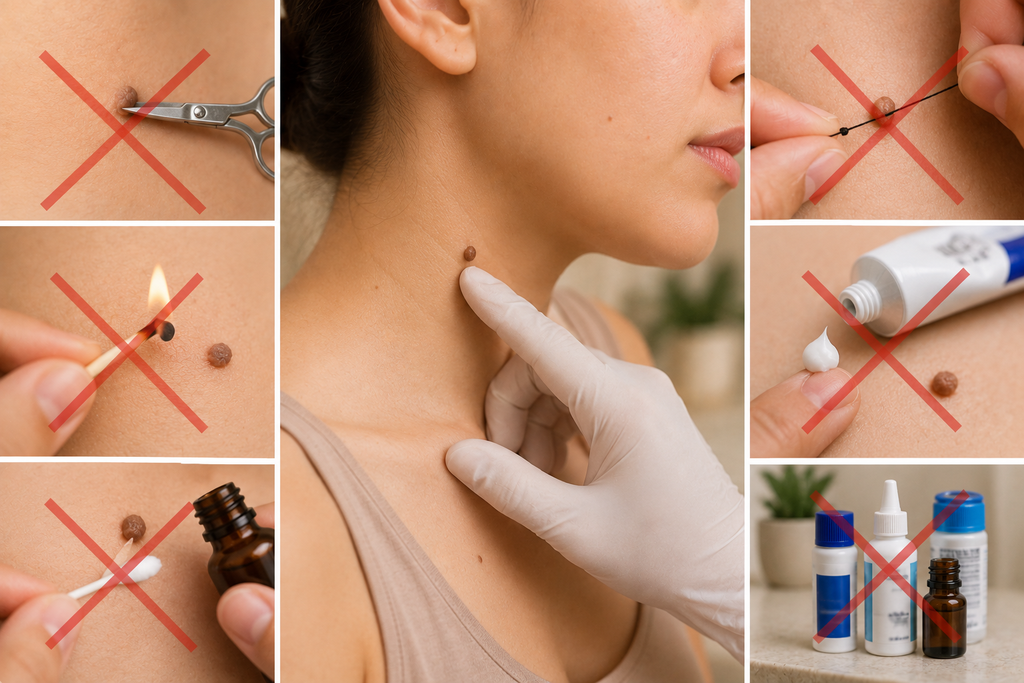
Do not tie off, cut, burn, or apply caustic chemicals to moles, skin tags, or unidentified growth. Home removal can cause bleeding, infection, scars, and delayed skin cancer diagnosis. Over-the-counter wart products may be unsafe on the face or genitals and for people with diabetes or poor circulation unless a clinician approves them.
Know When a Skin Bump Needs Medical Attention
Seek urgent care for infection signs
Get prompt care for rapidly spreading redness, severe pain, heat, swelling, pus, foul drainage, fever, chills, or red streaks. Swelling near the eye, nose, or mouth also needs quick attention. People with diabetes, poor circulation, or weakened immunity should seek help sooner.
Check persistent or changing bumps
Schedule an exam if a bump does not improve; returns often, grows, becomes firm or fixed, or has no clear cause. For pigmented spots, the AAD recommends watching for asymmetry, irregular borders, uneven colors, increasing size, and evolution. Melanoma can also itch, bleed, resemble a cyst, or appear under a nail, so a changing spot needs professional review.
Get care for sensitive locations
Bumps on the eyelids, genitals, inside the mouth, or near the nails may require specialized treatment. Seek medical advice for lesions in infants, widespread bumps, repeated boils, or changes after a new medicine. Facial swelling, trouble breathing, or widespread hives requires emergency care.
Prevent Future Skin Bumps with Simple Habits
Keep skin care low-irritation
Use gentle cleansing, regular moisturizer, sun protection, and noncomedogenic products. Change one product at a time and avoid over-exfoliating. Your routine should fit the likely cause rather than promise to prevent every bump.
Reduce sweat, friction, and shared germs
Wear breathable clothing, shower after heavy exercise, and clean helmets, phones, sports gear, and pillowcases. Do not share razors, towels, cosmetics, or grooming tools. Keep shaving equipment dry between uses.
If bumps return, record shaving, new products, exercise, stress, menstrual-cycle changes, foods when relevant, and outdoor exposures. This log can help a dermatologist spot trigger.
Conclusion
Skin bumps range from harmless clogged pores and keratosis pilaris to cysts, infections, viral growths, and suspicious lesions. Gentle cleansing, warm compresses, careful moisturizing, and safer shaving can help in mild cases.
Skip toothpaste, lemon juice, undiluted oils, squeezing, cutting, and burning. Arrange medical care for bumps that are painful, infected, unexplained, bleeding, rapidly changing, or slow to heal. Accurate diagnosis matters most when a bump appears in a sensitive area or looks different from your usual skin.
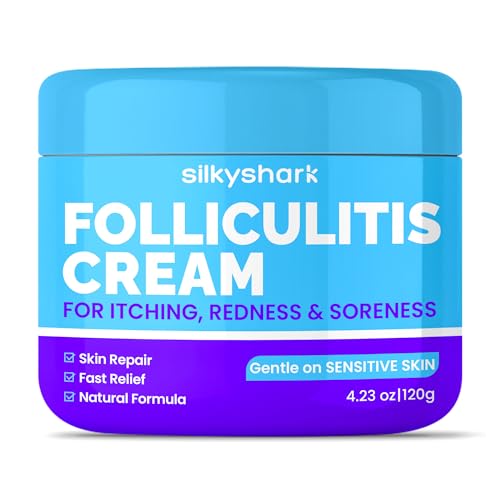
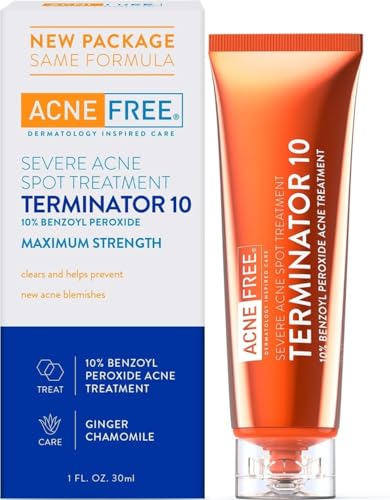
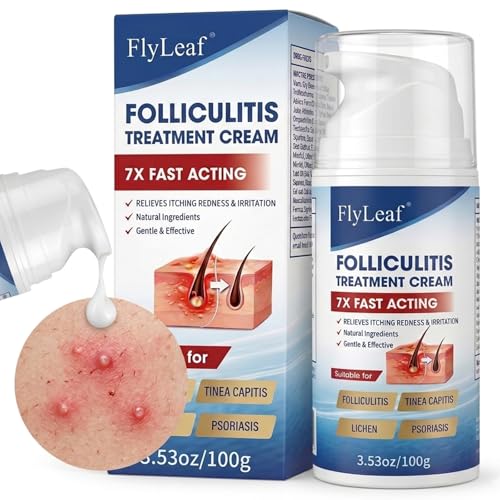
Recommended Products for Skin Bump
Disclosure: As an Amazon Associate, I earn from qualifying purchases. We only recommend products that we believe offer value to our readers. Learn more.


Frequently Asked Questions About Skin Bumps
References
- American Academy of Dermatology Association (AAD).Acne: Signs and Symptoms. Covers blackheads, whiteheads, pimples, papules, pustules, nodules, and cysts, including why picking or squeezing acne can increase the risk of complications. AAD – Acne: Signs and Symptoms
- American Academy of Dermatology Association (AAD).Acne: Overview. Provides information about common acne types, clogged pores, noncomedogenic products, treatment, and acne scarring. AAD – Acne Overview
- American Academy of Dermatology Association (AAD).Acne-like Breakouts Could Be Folliculitis. Explains folliculitis, common triggers such as shaving, tight clothing, friction, heat, and moisture, as well as the use of warm compresses. AAD – Folliculitis
- American Academy of Dermatology Association (AAD).How to Prevent Razor Bumps. Provides dermatologist-recommended shaving practices, including softening the hair, using shaving cream, and shaving in the direction of hair growth. AAD – How to Prevent Razor Bumps
- American Academy of Dermatology Association (AAD).Hair Removal: How to Shave. Offers guidance on preparing the skin for shaving, choosing shaving cream or gel, using proper technique, replacing razor blades, and keeping razors dry between uses. AAD – How to Shave
- American Academy of Dermatology Association (AAD).Keratosis Pilaris: Overview. Explains the small, rough bumps associated with keratosis pilaris and the areas of the body where they commonly develop. AAD – Keratosis Pilaris Overview
- American Academy of Dermatology Association (AAD).Keratosis Pilaris: Diagnosis and Treatment. Discusses moisturizers and ingredients commonly used for keratosis pilaris, including urea, lactic acid, glycolic acid, salicylic acid, and other exfoliating ingredients. AAD – Keratosis Pilaris Treatment
- Centers for Disease Control and Prevention (CDC).About Molluscum Contagiosum. Explains the appearance of molluscum contagiosum, including its characteristic firm bumps with a central dip, how the infection spreads, and why scratching or attempting to remove lesions can cause problems. CDC – About Molluscum Contagiosum
- American Academy of Dermatology Association (AAD).Melanoma: Signs and Symptoms. Describes melanoma warning signs, including changing growths, unusual colors or borders, bleeding, itching, non-healing lesions, and melanoma that can sometimes resemble a cyst or appear beneath a nail. AAD – Melanoma Signs and Symptoms
- American Academy of Dermatology Association (AAD).What to Look for: ABCDEs of Melanoma. Explains the ABCDE warning signs: Asymmetry, Border irregularity, Color variation, Diameter, and Evolving or changing lesions. AAD – ABCDEs of Melanoma