
In a world that never seems to slow down, it’s easy to feel mentally drained, distracted, or overwhelmed. Notifications keep buzzing; responsibilities keep piling up, and your mind rarely gets a chance to rest. Meditation offers something rare in modern life — stillness.
You don’t need to be a monk, live in a quiet mountain, or sit in complicated positions to meditate. You just need a few minutes and the willingness to slow down.
This guide will walk you through simple meditation techniques, real-life examples, and practical steps so you can start right where you are today.
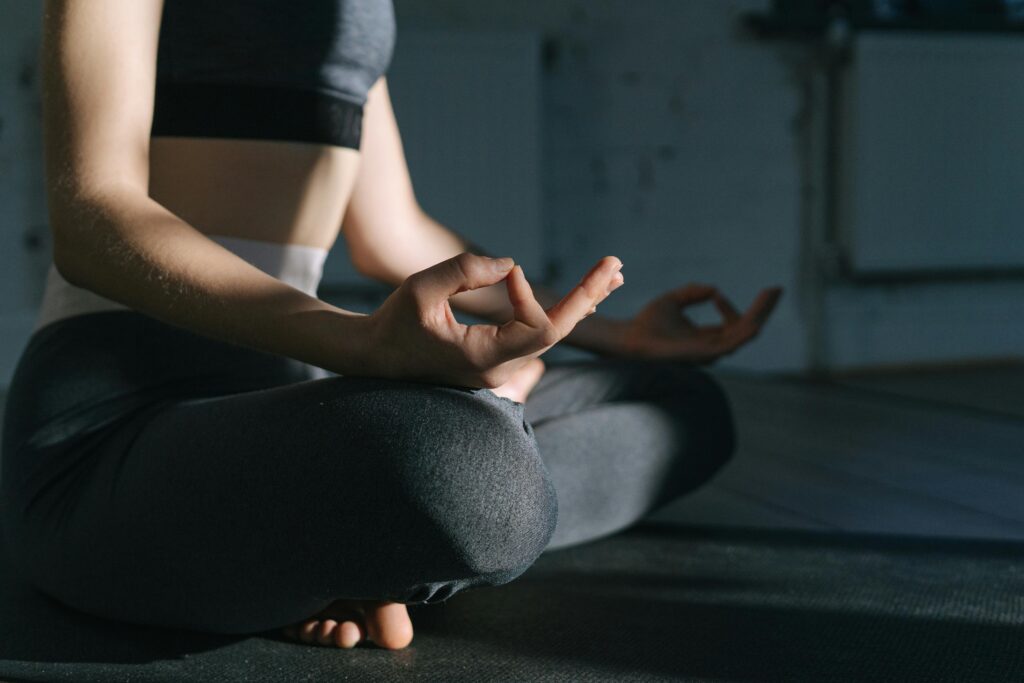
What Meditation Really Means (In Simple Terms)
Meditation is the practice of training your attention. Instead of letting your thoughts jump from one worry to another, you gently bring your focus back to one thing — like your breathing, a sound, or a feeling in your body.
Think of your mind like a busy room full of conversations. Meditation doesn’t force the room to become silent. Instead, it teaches you to notice the noise without getting pulled into every conversation.
That small shift can change how you respond to stress, emotions, and daily pressure.
Why People Practice Meditation
People often start meditation for stress relief, but they continue because of the deeper benefits they feel in everyday life.
Regular meditation may help you:
- Feel calmer during stressful situations
- Improve focus at work or school
- Sleep more peacefully at night
- Reduce overthinking
- Build emotional balance
- Increase self-awareness
For example, instead of reacting angrily during a stressful day at work, meditation helps you pause, breathe, and respond more calmly.
Creating a Calm Space (No Special Setup Needed)
You don’t need a perfect environment to meditate. You just need a space where you can feel slightly more relaxed than usual.
Here are simple ideas:
- Sit on your bed, chair, or floor
- Turn off loud distractions like TV or notifications
- Dim the lights if possible
- Wear comfortable clothing
- Use soft background sounds like rain or calm music (optional)
Even a quiet corner of your room can become your “reset space.”
Easy Meditation Techniques for Beginners
1. Breathing Meditation (Best for Stress Relief)
This is the easiest way to start.
Sit comfortably, close your eyes, and slowly breathe in… and out.
Focus only on your breath.
Real-life example:
If you feel stressed after a long day, try just 5 minutes of breathing meditation before you sleep. It helps slow your thoughts so your body can relax naturally.
2. Body Awareness Meditation
This technique helps release physical tension; you may not even notice.
Slowly bring your attention from your head down to your toes. Notice areas that feel tight — like your shoulders or jaw — and gently relax them.
Example:
After hours of sitting at work, you may feel tension in your neck. During this meditation, you consciously relax in that area and feel the difference instantly.
3. Simple Mantra Meditation
A mantra is just a word or phrase you repeat silently.
It can be something like:
- “I am calm”
- “Let go”
- “Peace”
Repeating it helps your mind stop jumping from thought to thought.
Example:
If your mind keeps worrying about tomorrow’s tasks, repeating “I am calm” helps bring your attention back to the present moment.
4. Walking Meditation (For Restless Minds)
If sitting still is difficult, walking meditation is perfect.
Walk slowly and pay attention to each step. Notice how your feet touch the ground, how your body moves, and how your breath flows.
Example:
Instead of scrolling on your phone during a break, take a 5-minute slow walk and focus on each step. It refreshes your mind better than passive scrolling.
Common Mistakes Beginners Should Avoid
Many people quit meditation early because they expect it to be perfect. Here’s the truth:
- You don’t need to stop all thoughts
- You don’t need long sessions
- You don’t need special skills
If your mind wanders, that’s normal. The practice is simply bringing it back again and again.
That “coming back” is where the real benefit happens.
How Long Should You Meditate?
Start small:
- 3–5 minutes for beginners
- 10 minutes for steady practice
- 15–20 minutes for deeper relaxation
Consistency is more important than duration. A few minutes daily is better than one long session once a week.
Meditation is not about escaping life — it’s about learning how to live it with more awareness and calm. You don’t have to change your lifestyle completely. You just need to pause, breathe, and return to yourself.
Even a few minutes a day can slowly transform how you handle stress, emotions, and everyday challenges.
Recommended Products for Meditation
Disclosure: As an Amazon Associate, I earn from qualifying purchases. We only recommend products that we believe offer value to our readers. Learn more.


Frequently Asked Questions (FAQ)
References
- National Center for Complementary and Integrative Health (NCCIH). Meditation and Mindfulness: Effectiveness and Safety. National Institutes of Health. Covers current research on meditation and mindfulness for stress, anxiety, depression, sleep, pain, blood pressure, and overall well-being.
- National Center for Complementary and Integrative Health (NCCIH).8 Things to Know About Meditation and Mindfulness. National Institutes of Health. Provides an evidence-based overview of meditation, mindfulness, potential health benefits, and research limitations.
- National Center for Complementary and Integrative Health (NCCIH).Stress. National Institutes of Health. Discusses the body’s response to stress and research on mindfulness, meditation, relaxation techniques, anxiety, and sleep.
- Goyal, M., Singh, S., Sibinga, E. M. S., et al. (2014). Meditation Programs for Psychological Stress and Well-being: A Systematic Review and Meta-analysis. JAMA Internal Medicine, 174(3), 357–368. This systematic review of 47 trials involving 3,515 participants found evidence that mindfulness meditation programs may produce small to moderate improvements in anxiety, depression, and pain.
- Black, D. S., O’Reilly, G. A., Olmstead, R., Breen, E. C., & Irwin, M. R. (2015). Mindfulness Meditation and Improvement in Sleep Quality and Daytime Impairment Among Older Adults With Sleep Disturbances: A Randomized Clinical Trial JAMA Internal Medicine, 175(4), 494–501. Examines the effects of mindfulness meditation on sleep quality and daytime functioning in older adults experiencing sleep disturbances.
- Levine, G. N., Lange, R. A., Bairey-Merz, C. N., et al. (2017). Meditation and Cardiovascular Risk Reduction: A Scientific Statement From the American Heart Association. Journal of the American Heart Association, 6, e002218. Reviews research concerning meditation and cardiovascular health while emphasizing that the overall evidence remains limited and additional high-quality research is needed.