Why Relaxation Matters in Modern Life
In today’s fast-paced world, stress has become a constant companion. Deadlines, responsibilities, and everyday pressures can take a serious toll on our physical health, emotional balance, and mental clarity.
When you feel overwhelmed, exhausted, or simply drained from a long day, one of the most important things you can do is pause and relax.
While many people turn to television as a way to unwind, experts suggest it may not be the most effective method. TV often exposes us to constant noise, advertisements, and stimulation—making it harder for the mind to truly rest.
So, how can we achieve real relaxation?
The Link Between Stress and Health
Research shows that chronic stress is closely linked to serious health conditions, including heart disease. Emotions like anger and irritability can increase mental stress, which may lead to ischemia—a condition that reduces blood flow to the heart and increases the risk of heart attack.
Learning how to manage stress through relaxation is not just beneficial—it’s essential.
Effective Relaxation Techniques You Can Try
There are many ways to relax, and finding what works best for you is key. Here are some proven techniques:
1. Transcendental Meditation
This method involves silently repeating calming sounds or mantras to help the mind settle into a deep state of rest. Studies suggest it may help reduce arterial blockage, lowering the risk of heart disease and stroke.
2. Acupuncture
Acupuncture stimulates the body to release endorphins, natural chemicals that reduce pain, ease anxiety, and promote relaxation. It may also help lower blood pressure.
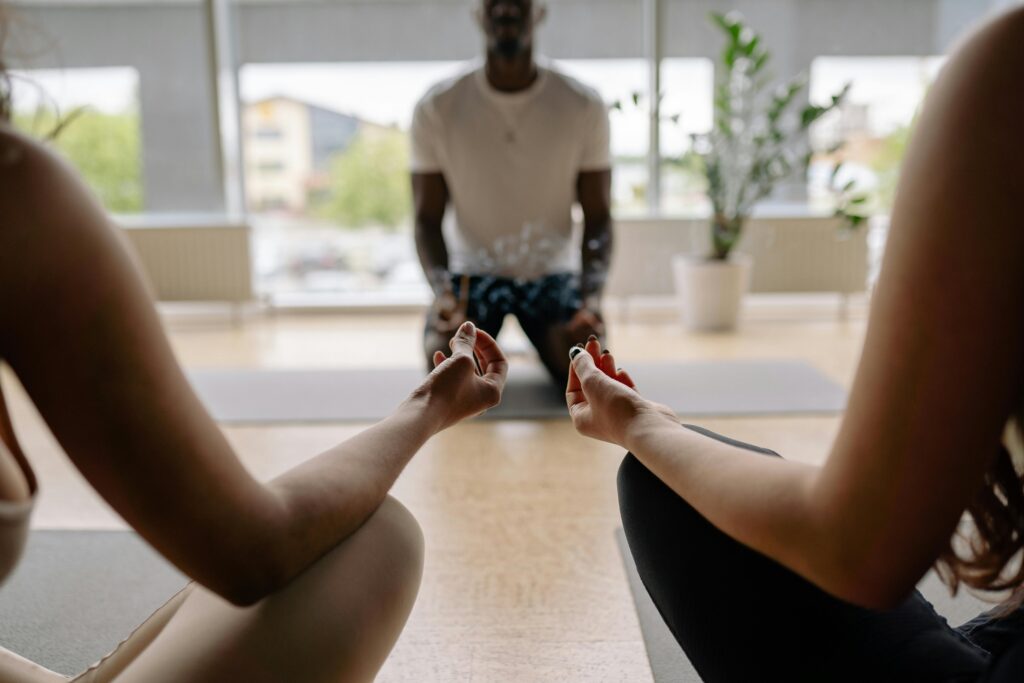
3. Yoga
Yoga combines movement, breathing, and mindfulness. It has been shown to help the body recover more quickly from stress and stabilize blood pressure levels.
4. Deep Breathing
One of the simplest yet most powerful relaxation techniques is mindful breathing. By focusing on slow, deep breaths, you can quickly calm your mind and body.
5. Exercise
A simple 30-minute workout can help release tension, improve mood, and reduce stress. While often associated with weight loss, exercise is also a powerful stress-management tool.
6. Massage Therapy
Massage helps relax muscles, improve circulation, and promote overall well-being. Letting go and allowing a professional therapist to work on your body can bring deep relaxation.
7. Biofeedback
This technique trains you to control certain body functions, such as heart rate and muscle tension, helping you respond better to stress over time.
8. Hypnosis
Though sometimes misunderstood, hypnosis can help individuals achieve deep relaxation and manage stress-related conditions effectively.
A Note on Medication
While certain medications may be used to manage stress, they are typically reserved for medical situations and should only be taken under professional supervision. Natural relaxation methods are often safer and more sustainable.
How Relaxation Benefits Your Body
Relaxation does more than just make you feel good—it supports your overall health:
- Lowers blood pressure
- Reduces risk of heart attack and stroke
- Boosts immune system function
- Calms the brain’s emotional center (limbic system)
- Improves mental clarity and emotional balance
Stress hormones can weaken your immune system, but relaxation gives your body the time it needs to recover and function efficiently.
Make Relaxation Part of Your Daily Routine
Relaxation is not a luxury—it’s a necessity. The key is consistency. Choose a method that fits your lifestyle and practice it regularly.
Even a few minutes a day can make a significant difference in how you feel, think, and function.
There are countless ways to manage stress, but the best method is the one you can commit to. Start small, stay consistent, and allow relaxation to become a natural part of your daily life.
Your mind and body will thank you.